
 한국어
 English
 日本語
 中文(简体)
Summary
- Main use
- Treatment of cardiovascular diseases (such as hypertension and angina), prevention of migraine, and relief of thyrotoxicosis
- Who takes it
- Adults
- Adult dose
- 1. Hypertension For adults, administer nadolol 40㎎ orally daily and gradually increase the dose at 1-week intervals until the optimal response is achieved. Up to 240㎎ daily may be administered depending on the patient's condition. 2. Angina Start with 40㎎ of this medicine daily and gradually increase the dose at 1-week intervals until the optimal response or excessive bradycardia occurs. Up to 160㎎ daily may be administered depending on the patient's condition. 3. Tachyarrhythmia Start with 40㎎ of this medicine daily and gradually increase the dose at 1-week intervals, up to a maximum of 160㎎ daily. If bradycardia occurs, reduce the dose to 40㎎ daily. 4. Prevention of migraine Start with 40㎎ of this medicine daily and gradually increase by 40㎎ until the optimal response is achieved. The usual maintenance dose is 80-160㎎ daily. If a satisfactory response is not achieved after 4-6 weeks at the maximum dose, gradually discontinue this treatment. 5. Thyrotoxicosis Administer 80-160㎎ of this medicine daily; most patients receive 160㎎ daily. Adjust the dose as appropriate according to age and symptoms.
Ingredients
- Manufacturer
- QL Pharma Co., Ltd.
Efficacy & effects
Treatment of cardiovascular diseases (such as hypertension and angina), prevention of migraine, and relief of thyrotoxicosis
- Hypertension
- angina
- tachyarrhythmias
- migraines
- hyperthyroidism
View approved original textHide original text
This medication is effective in treating hypertension and angina, and it is also used for the prevention of tachyarrhythmias and migraines. Additionally, it alleviates symptoms of hyperthyroidism, specifically hyperthyroid function, and is utilized as pre-treatment before thyroid surgery. It contributes to improving the health of patients by assisting with various cardiovascular and endocrine diseases.
How to take
Adult dose
1. Hypertension For adults, administer nadolol 40㎎ orally daily and gradually increase the dose at 1-week intervals until the optimal response is achieved. Up to 240㎎ daily may be administered depending on the patient's condition. 2. Angina Start with 40㎎ of this medicine daily and gradually increase the dose at 1-week intervals until the optimal response or excessive bradycardia occurs. Up to 160㎎ daily may be administered depending on the patient's condition. 3. Tachyarrhythmia Start with 40㎎ of this medicine daily and gradually increase the dose at 1-week intervals, up to a maximum of 160㎎ daily. If bradycardia occurs, reduce the dose to 40㎎ daily. 4. Prevention of migraine Start with 40㎎ of this medicine daily and gradually increase by 40㎎ until the optimal response is achieved. The usual maintenance dose is 80-160㎎ daily. If a satisfactory response is not achieved after 4-6 weeks at the maximum dose, gradually discontinue this treatment. 5. Thyrotoxicosis Administer 80-160㎎ of this medicine daily; most patients receive 160㎎ daily. Adjust the dose as appropriate according to age and symptoms.
Precautions
This drug should not be administered to patients with bronchial asthma or bronchospasm, and chronic obstructive pulmonary disease. Patients with diabetic ketoacidosis or metabolic acidosis should also not use this drug. Use is contraindicated in patients with heart conditions such as bradycardia, heart block, and sinus node dysfunction, as well as in patients experiencing cardiogenic shock, right heart failure due to pulmonary hypertension, and congestive heart failure. Patients with symptomatic hypotension or severe peripheral vascular disorders, and those with syndrome of inappropriate antidiuretic hormone secretion should also avoid this medication. Women who are pregnant or may become pregnant, patients with allergic rhinitis, and those currently taking or having stopped MAO inhibitors within the last two weeks should not take this drug. Patients at risk of developing congestive heart failure should be closely monitored by a physician while taking this medication, and diabetic patients or those prone to hypoglycemia should carefully manage their blood sugar levels as hypoglycemic symptoms may easily occur. Particular care is needed for patients with severe liver or kidney dysfunction, patients with pheochromocytoma, and both pediatric and elderly patients, requiring adjustment of dosing intervals or dosages. During the use of this drug, side effects such as skin rash or itching, heart-related symptoms (bradycardia, heart failure, blood pressure decrease), dizziness, headache, insomnia, shortness of breath, dyspepsia may occur, and immediate consultation with a physician is necessary if any of these symptoms arise. Regular monitoring for heart function, blood pressure, pulse, and liver and kidney function should be performed during prolonged use, as sudden discontinuation of the drug may worsen symptoms of angina; it should be tapered off gradually according to the physician’s instructions. Patients with bronchospasm should avoid this drug as it may inhibit bronchial dilation, and it is safe to discontinue this medication 48 hours before surgery. Diabetic patients or those in a fasting state should be particularly cautious as hypoglycemic symptoms may be masked, and it is advisable to avoid driving or operating hazardous machinery during the initial phases of administration. This medication's efficacy may be enhanced when used together with other antihypertensive or antihyperglycemic drugs, and dosage adjustments should be made according to a physician's guidance. Additionally, it is safe not to combine it with calcium channel blockers. Women who are pregnant or breastfeeding should avoid this drug, and if unavoidable, breastfeeding should be discontinued. Safety in children has not been established, so it should be administered with caution in pediatric patients, and older adults should start at a lower dose and be monitored for prolonged drug presence in the body due to reduced kidney function.
Side effects
- rash
- itching
- heart failure
- bradycardia
- palpitations
- chest pain enlargement
- hypotension
- orthostatic hypotension
- heart block
- limb coldness
Show 49 moreCollapse
- chest tightness
- heartburn
- dizziness
- orthostatic dysregulation
- headache
- heaviness in the head
- insomnia
- nightmares
- drowsiness
- fatigue
- numbness
- sensory disturbance
- nervousness
- anxiety
- shortness of breath
- cough
- phlegm
- asthma attack
- nausea
- discomfort in the stomach area
- diarrhea
- loss of appetite
- abdominal pain
- thirst
- stomach pain
- abdominal distension
- constipation
- reduced tear secretion
- elevated AST
- elevated ALT
- elevated ALP
- psoriasis
- psoriasiform eruption
- malaise
- nasal congestion
- edema
- elevated blood glucose levels
- chills
- elevated BUN
- weakness
- elevated triglyceride levels
- hair loss
- sweating
- hallucinations
- decreased libido
- weight gain
- thyroid enlargement
- facial or limb edema
- dry eyes
Not everyone experiences these, and they can vary from person to person.
Storage
This medication should be stored in a tightly closed container that can block light, at room temperature between 1 to 30 degrees Celsius. This storage method helps maintain the effectiveness and quality of the medication.
Appearance and packaging
Appearance
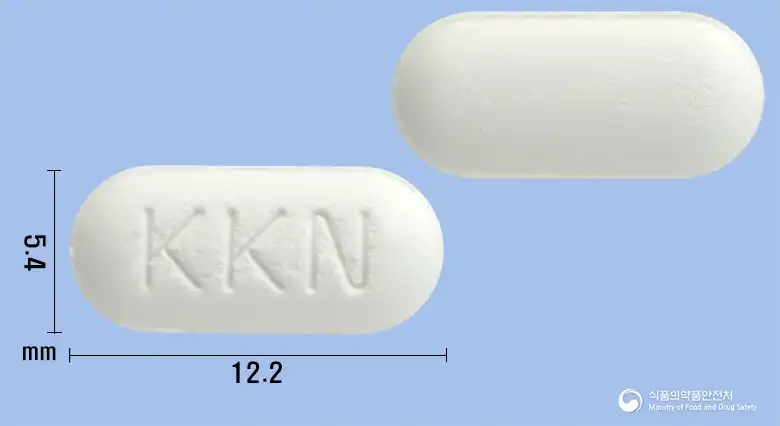
White, oval-shaped tablet
Package unit
30 tablets/bottle, 100 tablets/bottle
Questions about this medicine
No questions yet.
For anything that needs medical judgment, consult a doctor or pharmacist.