
 한국어
한국어 English
 日本語
日本語 中文(简体)
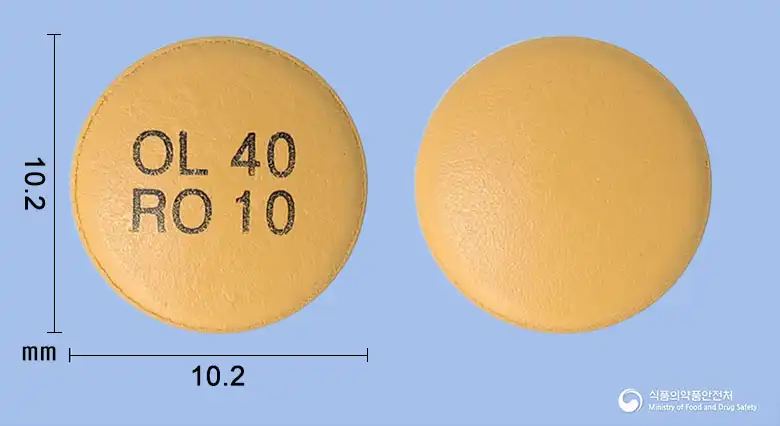 Viewing nowCombination
Olostan Tablet 40/10 mg (Olmesartan Medoxomil, Rosuvastatin)
Rosuvastatin Calcium 10.4mg · Olmesartan Medoxomil 40mg
Tablet · Prescription medication · Combination
Daewoong Pharmaceutical Co., Ltd.
MFDS item code 201604125 · Approved 2016.06.30 · Insurance code 641606230
(Treatment of hypertension, hypercholesterolemia) and reduction of cardiovascular disease risk
This medication is used for patients requiring co-administration of the two ingredients, Olmesartan Medoxomil and Rosuvastatin. Olmesartan Medoxomil is used to treat essential hypertension and effectively controls blood pressure. Rosuvastatin is utilized as an adjunct for various dyslipidemic conditions that are difficult to manage through diet and exercise. It also helps to slow the progression of atherosclerosis and reduce the risk of stroke, myocardial infarction, and revascularization procedures in patients with cardiovascular disease risk factors. Therefore, this medication is used to manage both hypertension and hyperlipidemia, as well as to reduce cardiovascular disease risk.
Olmesartan Medoxomil: The recommended initial dose is 10 mg once daily, without regard to meals. If blood pressure is not adequately controlled, the dosage may be increased to 20 mg once daily. The maximum dose can be increased up to 40 mg once daily. For patients with renal impairment (creatinine clearance 30-60 mL/min), the maximum dosage is 20 mg once daily. For patients with liver impairment of moderate severity, the recommended initial dose is
Safety and efficacy in pediatric patients under 18 years have not been established.
This medication can cause serious harm or death to the fetus and newborn if administered to women in the second or third trimester of pregnancy; therefore, it should be discontinued immediately once pregnancy is confirmed. It should not be used by patients allergic to any ingredients in this medication or to the medication itself, women who are pregnant or may become pregnant, breastfeeding women, patients with severely impaired kidney function, or patients with severe liver disease. Caution is needed in patients with reduced blood volume or sodium, as blood pressure may drop too low during the initial administration of this medication, and immediate action should be taken if symptoms of hypotension occur. Patients with compromised kidney function, kidney transplant recipients, patients with renal artery stenosis, and those at risk for hyperkalemia should have their kidney function and serum potassium levels monitored periodically before and during treatment. There may be muscle-related side effects, so any symptoms such as muscle pain, weakness, or cramps should be reported to a healthcare professional immediately, especially when taking high doses. This medication may affect liver function; therefore, patients with a history of liver disease should have their liver function tested regularly before and during treatment. During treatment, it is advisable to avoid or minimize alcohol consumption, especially in patients with a history of liver disease. When taken with other antihypertensive agents, blood pressure may become too low, so blood pressure should be monitored frequently, and dosage adjustments may be necessary. This medication can interact with certain drugs, so patients taking other medications should inform their healthcare provider, particularly concerning the co-administration of potassium-sparing diuretics, lithium, non-steroidal anti-inflammatory drugs, and fibrate-class medications. Women of childbearing potential should use appropriate contraception, and this medication should not be used during pregnancy or breastfeeding. The safety and efficacy in pediatric patients under 18 years have not been established, so it is advisable not to use this medication in children. Elderly patients may experience increased body concentrations of this medication, necessitating dosage adjustment and caution during administration. Overdose may lead to symptoms such as hypotension and palpitations; in such cases, patients should seek immediate medical attention for appropriate treatment. This medication should be kept out of reach of children and it is safer not to transfer it to another container. If severe skin rash, difficulty breathing, swelling of the face or neck occurs while taking this medication, discontinue use immediately and consult a healthcare professional.
Hives, severe swelling (edema), chest tightness, difficulty breathing, cold sweat, pallor, high fever accompanied by severe rash, blisters, skin peeling, pain in oral/ocular mucosa, shortness of breath or difficulty breathing, asthma attack, respiratory abnormalities accompanied by cough + fever, yellowing of skin or eyes (jaundice), extreme lethargy, sudden and severe headache, thunderclap headache, seizures, confusion, visual disturbances, paralysis, urination
Not everyone experiences these, and they can vary from person to person.
This medication is sensitive to air and moisture, so it should be kept in a tightly closed container. It is recommended to store it at room temperature between 1°C and 30°C.
Yellow, round, film-coated tablet
30 tablets (10 tablets/PTP) x 3, 30 tablets/bottle
Even with the same ingredient, strength, dosage form and how it is taken can differ.
Viewing nowCombinationRosuvastatin Calcium 10.4mg · Olmesartan Medoxomil 40mg
Tablet · Prescription medication · Combination
Daewoong Pharmaceutical Co., Ltd.
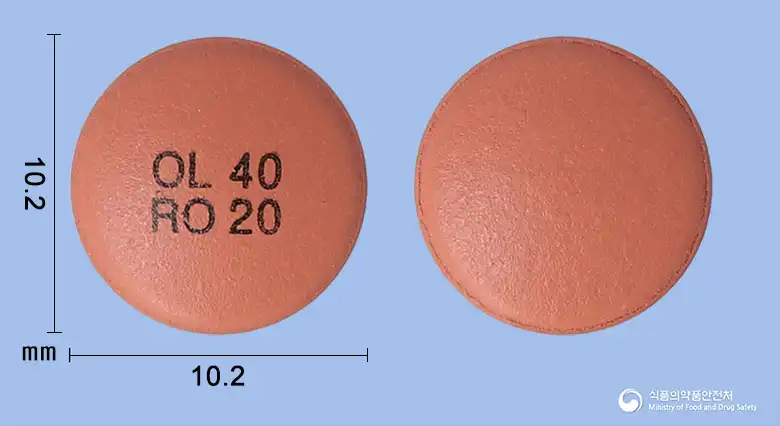 Combination
Rosuvastatin Calcium 20.8mg · Olmesartan Medoxomil 40mg
Tablet · Prescription medication · Combination
Daewoong Pharmaceutical Co., Ltd.
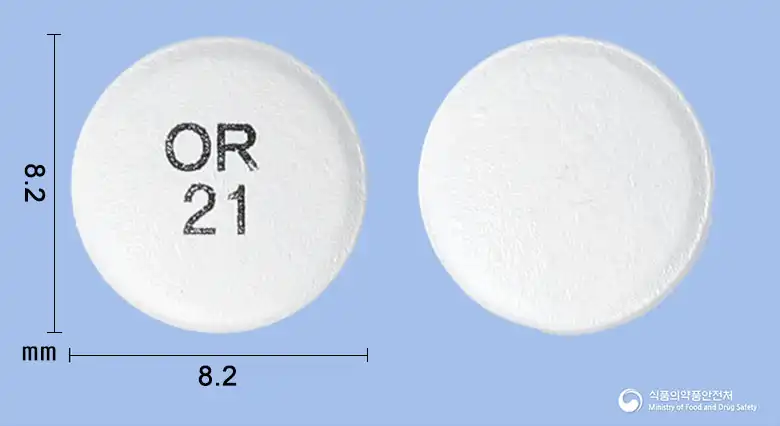 Combination
Rosuvastatin Calcium 10.4mg · Olmesartan Medoxomil 20mg
Tablet · Prescription medication · Combination
Daewoong Pharmaceutical Co., Ltd.
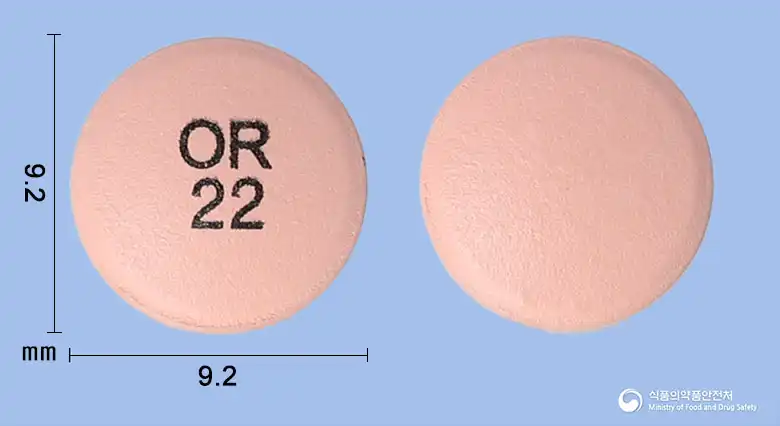 Combination
Rosuvastatin Calcium 20.8mg · Olmesartan Medoxomil 20mg
Tablet · Prescription medication · Combination
Daewoong Pharmaceutical Co., Ltd.
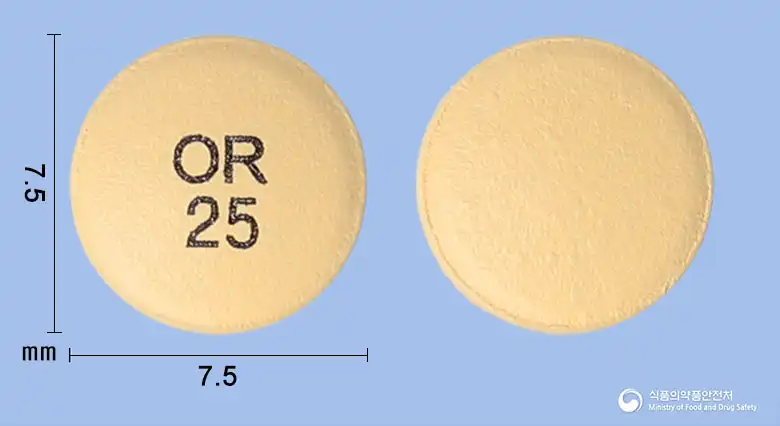 Combination
Rosuvastatin Calcium 5.2mg · Olmesartan Medoxomil 20mg
Tablet · Prescription medication · Combination
Daewoong Pharmaceutical Co., Ltd.
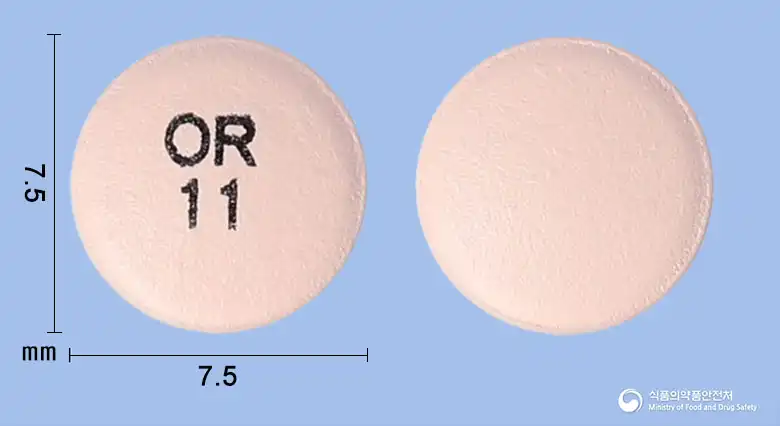 Combination
Rosuvastatin Calcium 10.4mg · Olmesartan Medoxomil 10mg
Tablet · Prescription medication · Combination
(Co., Ltd. Daewoong Pharmaceutical)
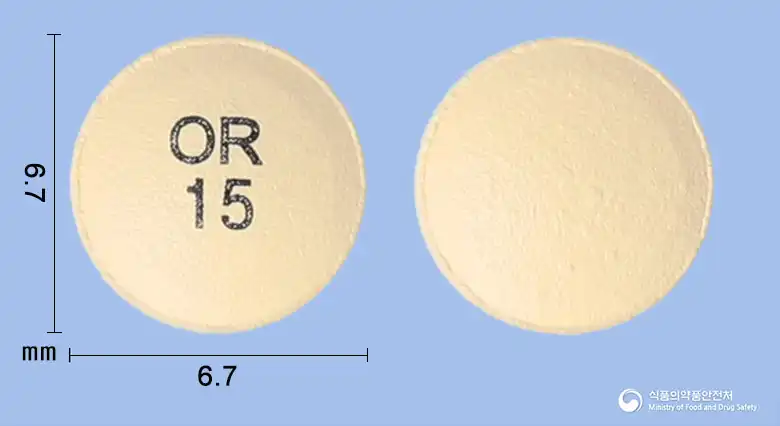 Combination
Rosuvastatin Calcium 5.2mg · Olmesartan Medoxomil 10mg
Tablet · Prescription medication · Combination
(Co., Ltd.) Daewoong Pharmaceutical
Olmesartan Medoxomil 20mg · Rosuvastatin Calcium 20.8mg
Tablet · Prescription medication · Combination
Mothers Pharmaceuticals Co., Ltd.
Even with the same ingredient, the dose and directions can differ by strength and dosage form. Talk to a doctor or pharmacist before switching from a medication you are already taking.
No questions yet.
For anything that needs medical judgment, consult a doctor or pharmacist.
This drug information is based on data provided by the Korea Ministry of Food and Drug Safety.
Consult a doctor or pharmacist for accurate dosage, administration, and usage instructions.