
 한국어
 English
 日本語
 中文(简体)
Dosage form image
Viewing nowB.C. Morphine Sulfate Hydrate Injection 10 mg/mL (Vial)
Morphine Sulfate Hydrate 10mg
Injections · Prescription medication
B.C. World Pharma Co., Ltd.
MFDS item code 201604036 · Approved 2016.06.29 · Insurance code 653103101
Relief of severe pain, preoperative sedation, and cardiovascular effects and anxiety relief in acute pulmonary edema
This medication is used to relieve relatively severe acute or chronic pain, such as pain experienced in terminal illnesses. It can also serve as an anesthetic adjuvant to assist in sedation prior to surgery, as well as reduce pain occurring during childbirth. It helps stabilize the cardiovascular system in patients with acute pulmonary edema and relieves anxiety; however, it is not used for treating pulmonary edema caused by chemical respiratory irritants. It is effective in alleviating pain associated with myocardial infarction. Thus, this drug improves various types of severe pain and anxiety.
This medicine should be administered by subcutaneous injection, intramuscular injection, or slow intravenous injection, and should not be administered epidurally or intrathecally. When administering this medicine intravenously, have resuscitation equipment and a narcotic antagonist (e.g., naloxone) immediately available. In patients with severe chronic pain, adjust the dose according to the degree of pain, response, and tolerance. The dose may be increased in patients with very severe chronic pain or in patients who have developed tolerance to the analgesic effects of opioids. Reduce the dose in older adults and in patients receiving other central nervous system depressants. This medicine is primarily used for subcutaneous injection, but it may also be administered by intramuscular injection or slow intravenous injection. Repeated subcutaneous injections may cause local inflammation, pain, and induration; therefore, intramuscular injection is preferred over subcutaneous injection for repeated administration. 1) Dose for subcutaneous or intramuscular injection: Generally, administer 10 mg of morphine sulfate hydrate every 4 hours as needed. The dose per administration may range from 5∼20 mg according to the patient's response and needs. 2) Dose for intravenous injection: Generally, administer 4∼10 mg of this medicine slowly over 4∼5 minutes, and repeat every 4 hours as needed. This medicine may be diluted in 4∼5 mL of sterile water for injection. Pain relief during labor: Generally, administer 10 mg of this medicine by subcutaneous or intramuscular injection. Pain relief due to myocardial infarction: Inject 8∼15 mg of this medicine. If the pain is very severe, small additional doses may be administered every 3∼4 hours.
Pediatric patients: Administer 0.1∼0.2 mg/kg of this drug by subcutaneous injection as needed; do not exceed 15 mg per dose. Reduce the dose in pediatric patients. Do not administer to premature infants. Safety and efficacy in neonates have not been established.
This medication has a central nervous system suppressive effect, and taking it with alcohol or benzodiazepines can cause severe drowsiness or the risk of respiratory arrest; caution must be exercised. Do not use this medication if you are allergic to it, in a state of seizure, or have severe respiratory disease. Care must be taken when using it in patients with hypotension, cardiac problems, impaired liver or kidney function, children, or the elderly. Long-term use of this medication can lead to dependence, so do not suddenly stop taking it; gradually taper off as per your doctor's instructions. Drowsiness or dizziness may occur during treatment, so avoid driving or operating hazardous machinery. Pregnant or nursing women should consult a doctor before use due to the potential for respiratory depression in the fetus or newborn. This medication can interact with other drugs, so if you are taking any other medications, you must inform your healthcare provider, especially regarding dosage adjustments when used with central nervous system depressants. In case of overdose, severe respiratory depression or loss of consciousness may occur, and proper treatment should be sought immediately. Before use, confirm that the injection solution is not discolored or contains precipitate. If abnormalities are present, do not use it. During storage, avoid direct sunlight and keep at room temperature, and safely dispose of any unused medication after use. This medication should only be administered in an environment equipped with professional knowledge and emergency care facilities while monitoring the patient's condition closely.
Yawning, sneezing, tearing, sweating, nausea, vomiting, diarrhea, abdominal pain, pupil dilation, headache, insomnia, anxiety, hallucination, convulsion, tremor, pain in muscles and joints throughout the body, difficulty breathing, palpitations, dyspnea, slow breathing, irregular breathing, apnea, head injury, hypotension, shock, cardiac arrest, anaphylactic reaction, weakness, tremor, muscle coordination disorders, transient hallucinations, loss of sense of direction, visual impairment, headache, agitation, discomfort, abnormal euphoria, sedation, dizziness, colicky pain, hyperalgesia, sweating, constipation, biliary colic, increased colonic motility, increased toxicity, dry mouth, pancreatitis, sphincter of Oddi spasm, tachycardia, bradycardia, confusion, syncope, orthostatic hypotension, oliguria, urinary retention, itching, urticaria, rash, acute generalized exanthematous pustulosis, central sleep apnea syndrome, flushing, sweating, localized itching, pain, hardening, intestinal obstruction, nausea, loss of appetite, fatigue, weakness, dizziness, decreased libido, erectile dysfunction, amenorrhea
Not everyone experiences these, and they can vary from person to person.
Store this medication in a closed container that can block light, and it is recommended to keep it at a temperature between 1°C and 30°C. Storing in this way helps maintain the drug's effectiveness and prevents deterioration.
A colorless, transparent solution contained in a brown transparent vial.
10 vials/box [(10 milliliters/1 vial)]
Even with the same ingredient, strength, dosage form and how it is taken can differ.
Morphine Sulfate Hydrate 10mg
Injections · Prescription medication
B.C. World Pharma Co., Ltd.
Morphine Sulfate Hydrate 1mg
Injections · Prescription medication
Myungmoon Pharmaceutical Co., Ltd.
Morphine Sulfate Hydrate
Prescription medication
Hana Pharmaceutical Co., Ltd.
Morphine Sulfate Hydrate 1mg
Injections · Prescription medication
Hana Pharmaceutical Co., Ltd.

Morphine Sulfate Hydrate 10mg
Tablet · Prescription medication
Hana Pharmaceutical Co., Ltd.
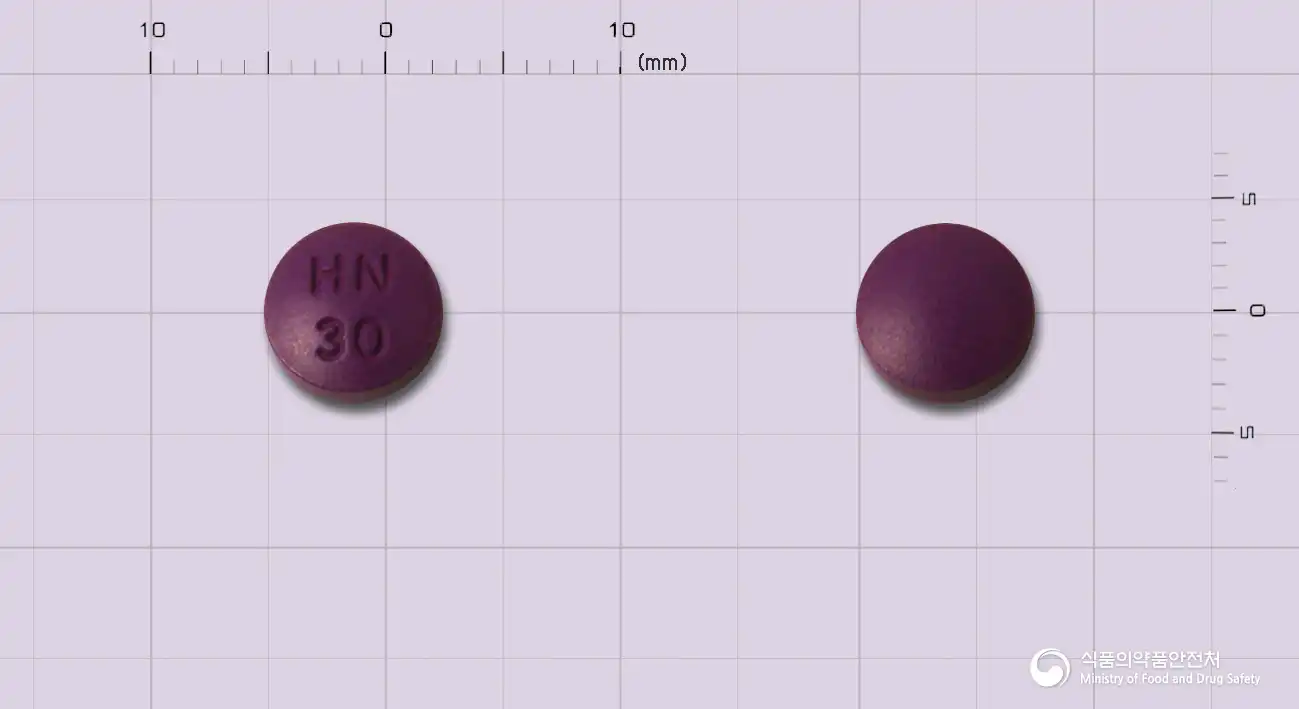
Morphine Sulfate Hydrate 30mg
Tablet · Prescription medication
Hana Pharmaceutical Co., Ltd.
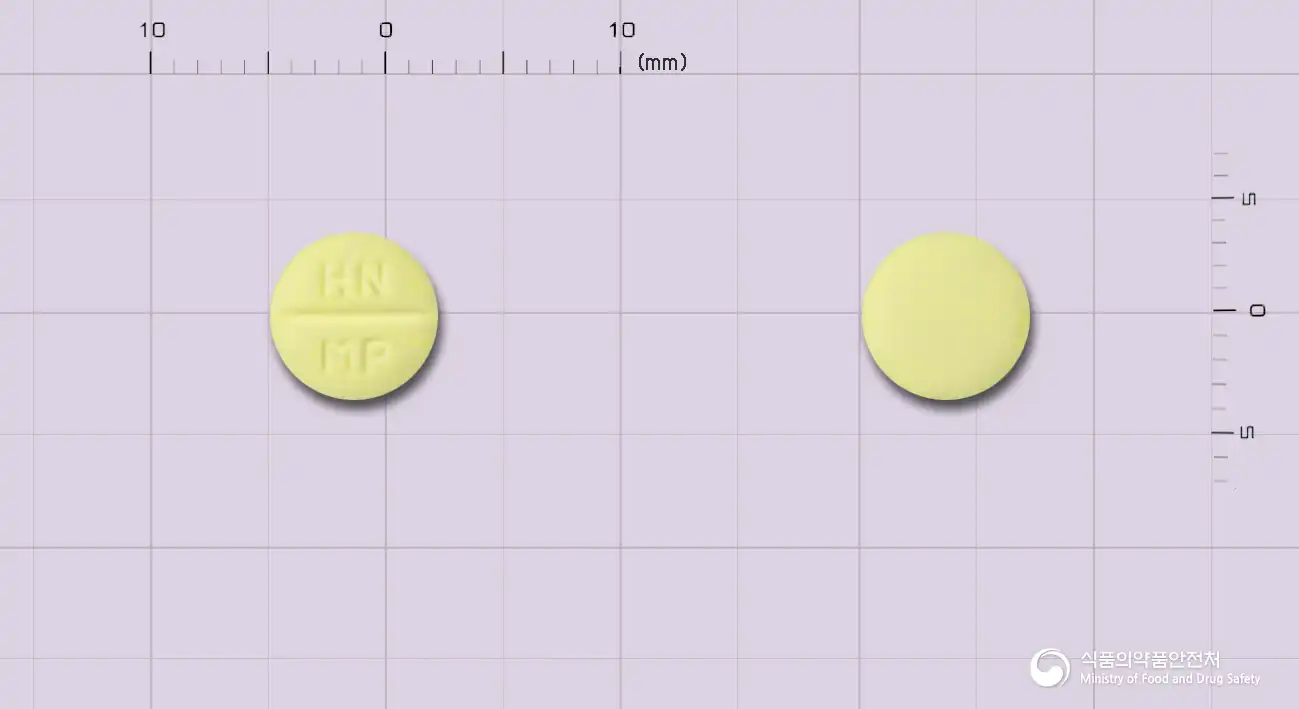
Morphine Sulfate Hydrate 15mg
Tablet · Prescription medication
Hana Pharmaceutical Co., Ltd.
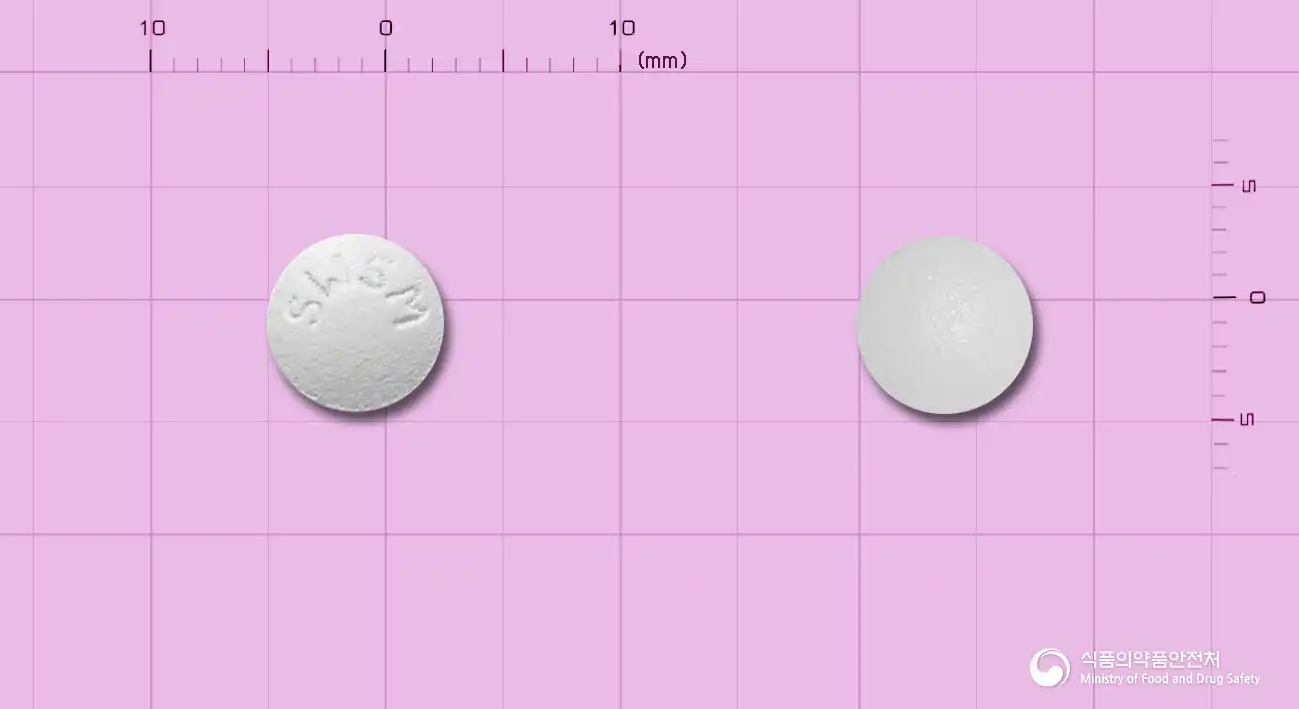
Morphine Sulfate Hydrate 15mg
Tablet · Prescription medication
Sungwon Adcock Pharmaceutical Co., Ltd.
Even with the same ingredient, the dose and directions can differ by strength and dosage form. Talk to a doctor or pharmacist before switching from a medication you are already taking.
No questions yet.
For anything that needs medical judgment, consult a doctor or pharmacist.
This drug information is based on data provided by the Korea Ministry of Food and Drug Safety.
Consult a doctor or pharmacist for accurate dosage, administration, and usage instructions.