
 한국어
한국어 English
 日本語
日本語 中文(简体)
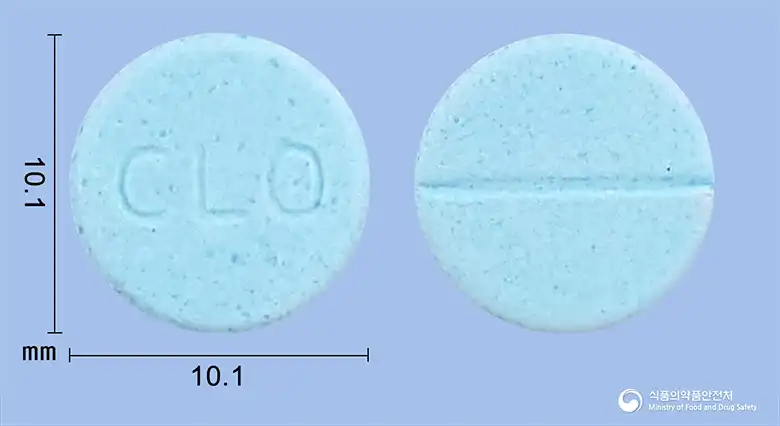
Dosage form image
Viewing nowKovir Tablet (Acyclovir)
Acyclovir 200mg
Tablet · Prescription medication
Joara Pharmaceutical Co., Ltd.
MFDS item code 201604021 · Approved 2016.06.28
Treatment of herpes simplex and shingles (acute pain) and improvement of chickenpox
This medication is used to treat and prevent herpes simplex virus infections occurring on the skin and mucous membranes, including primary and recurrent genital herpes. It is also effective in treating herpes zoster virus infections, particularly for pain occurring during acute phases. However, the effectiveness against postherpetic neuralgia has not yet been clearly demonstrated. It can also be used to treat chickenpox in children aged 2 years and older. This drug is available in various forms (tablet, syrup, suspension) for convenient administration. Overall, it aids in the treatment of viral infections, improving patient symptoms.
1. Treatment of herpes simplex virus infections - Acyclovir to be administered 200 mg five times daily at 4-hour intervals for 5 days; in cases of severe primary infections, treatment may be extended. - Patients with severe immune dysfunction or gastrointestinal absorption disorders may increase the single dose up to 400 mg or change to intravenous administration. - Administer as soon as possible after infection, and for recurrent cases, as early as possible.
1. Treatment of herpes simplex infection and prevention of herpes simplex infection in immune-compromised patients - Age 2 and older: Same as adult dose. - Under 2 years: Half of the adult dose. - No definitive data available for prevention of herpes simplex virus infection in immune-competent patients.
This medication should not be used by patients who are allergic to this drug or any of its ingredients or have experienced hypersensitivity reactions. Patients with impaired kidney function may be at higher risk for psychiatric symptoms when using this drug, so caution is required. Patients with liver dysfunction should use this medication cautiously as it may worsen liver function. Extra care is advised when administering this drug to infants and children, as elderly patients may also be more sensitive to side effects. This medication can rarely cause serious allergic reactions such as anaphylactic shock; if symptoms like hypotension, respiratory distress, or chest tightness occur, use should be discontinued immediately and medical assistance sought. Hypersensitivity reactions such as phototoxic reactions, rashes, fever, and urticaria may occur, warranting immediate discontinuation of the medication if such symptoms arise. Skin-related side effects like hair loss and severe skin inflammatory symptoms may appear, necessitating careful observation of skin conditions. Psychiatric symptoms such as confusion, hallucinations, seizures, drowsiness, anxiety, and dizziness may occur, especially in elderly patients and those with reduced kidney function, so caution is warranted. Kidney function impairments can arise, making it essential to regularly check kidney health. Hematologic and lymphatic abnormalities such as leukopenia, bleeding, and anemia may occur, so any unusual symptoms should be promptly reported. Liver dysfunction or symptoms of hepatitis and jaundice should be monitored closely. Gastrointestinal side effects like gastritis, vomiting, diarrhea, and abdominal pain can occur; if symptoms are severe, discontinuation of the medication and consultation is recommended. Adequate hydration is required during the use of this medication, particularly at high doses, to prevent dehydration and reduce the risk of kidney toxicity. The most effective time to administer this medication is at the onset of symptoms; if symptoms do not improve or worsen during treatment, alternative therapies should be considered. Activities involving driving or operating machinery may need caution, as consciousness impairment or drowsiness may occur. Interactions may occur when this drug is used with other medications, particularly those affecting kidney function or certain drugs, warranting careful monitoring. Women who are pregnant or may become pregnant should carefully consider the risks and benefits of using this medication, and breastfeeding should be stopped if using this drug. It should only be administered to infants and children when necessary, and caution should be exercised in neonates or low-birth-weight infants, as safety has not been established. Elderly patients may require dose adjustments due to prolonged drug presence in the body and should ensure sufficient hydration. In cases of overdose, kidney damage and neurological symptoms may occur; immediate medical assistance should be sought, and blood drug levels should be checked for appropriate treatment such as hemodialysis if necessary. High-dose administration of this drug may have genetic or reproductive effects; however, no significant effects have been reported at standard doses.
Urticaria, severe swelling (edema), chest tightness, shortness of breath, cold sweat, pallor, severe rash with high fever, blisters, skin peeling, pain in mucous membranes of mouth/eyes, yellowing of skin or eyes (jaundice), extreme lethargy, sudden severe headache, thunderclap headache, seizures, altered consciousness, visual disturbances, paralysis, significantly reduced urine output, severe peripheral edema with elevated blood pressure, shock,
Phototoxic reactions, fixed drug eruptions, rashes, fever, blisters, alopecia, erythema multiforme, hematuria, proteinuria, urinary red blood cell casts, pyuria, anemia, leukopenia or leukocytosis, eosinophilia, lymphocytosis, thrombocytosis, granulocytopenia, thrombocytopenia, basophilia, liver function test abnormalities (elevated AST/ALT, LDH, ALP, total bilirubin), hepatomegaly, gastritis, thirst, constipation, diarrhea, soft stools, upper abdominal pain,
Not everyone experiences these, and they can vary from person to person.
This medication is sensitive to light and should be stored in a container that blocks light. Additionally, it is important to store it at room temperature between 1 to 30 degrees Celsius to maintain its effectiveness.
Round light blue tablet
30 tablets, 100 tablets
Even with the same ingredient, strength, dosage form and how it is taken can differ.
Acyclovir 200mg
Tablet · Prescription medication
Joara Pharmaceutical Co., Ltd.

Acyclovir 200mg
Tablet · Prescription medication
Kyung dong Pharm Co., Ltd.

Acyclovir 200mg
Tablet · Prescription medication
SK Chemicals Co., Ltd.
Acyclovir
Prescription medication
Baskan Biopharmaceutical Co., Ltd.
Acyclovir 50mg
Cream · OTC medication
Dongkwang Pharmaceutical Co., Ltd.

Acyclovir 400mg
Tablet · Prescription medication
Kyung dong Pharm Co., Ltd.
Acyclovir 50mg
Cream · OTC medication
Kyungdong Pharmaceutical Co., Ltd.
Acyclovir 200mg
Tablet · Prescription medication
Vivozon Pharmaceutical Co., Ltd.
Even with the same ingredient, the dose and directions can differ by strength and dosage form. Talk to a doctor or pharmacist before switching from a medication you are already taking.
No questions yet.
For anything that needs medical judgment, consult a doctor or pharmacist.
This drug information is based on data provided by the Korea Ministry of Food and Drug Safety.
Consult a doctor or pharmacist for accurate dosage, administration, and usage instructions.