
 한국어
 English
 日本語
 中文(简体)
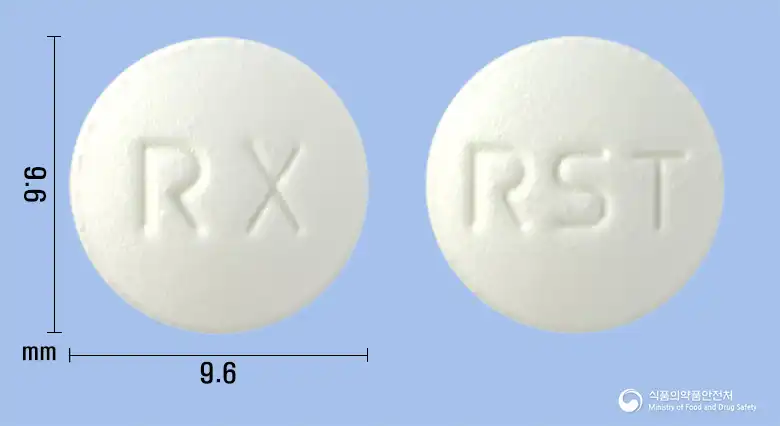 Viewing now
Roxithromycin Tablets (Roxithromycin)
Roxithromycin 150mg
Tablet · Prescription medication
JoA Pharmaceutical Co., Ltd.
MFDS item code 201604020 · Approved 2016.06.28 · Insurance code 644603460
Treatment of respiratory, otolaryngologic, and dental infections, and skin and genital infections; meningococcal prophylaxis
This medication is used to treat various types of bacterial infections. Major indications include respiratory infections such as pharyngitis, acute bronchitis, tonsillitis, bacterial pneumonia, and mycoplasma pneumonia. It is also effective against genital infections other than gonorrhea, sexually transmitted infections, otitis media, and sinusitis. For skin and soft tissue infections, it is used to treat various infections such as folliculitis, boils, cellulitis, lymphangitis, and purulent paronychia. It can also help prevent infections in patients who have been in contact with meningococcal meningitis. It is used for the treatment of dental infections such as pericoronitis and periodontitis. Thus, it is used for a wide range of bacterial infections.
Adults: Administer roxithromycin 150㎎ (potency) per dose orally 2 times daily before breakfast and dinner. For pneumonia, administer 300mg (potency) once daily before breakfast. Adjust the dose appropriately according to age and symptoms.
Children: The mean dose used in clinical trials was 6mg (potency) per kg of body weight daily. Administer 5~8mg (potency) per kg of body weight daily in 2 divided oral doses. The dose according to body weight is as follows. Children weighing 6~11Kg: Take 25mg (potency) per dose 2 times daily before meals (pediatric tablets and granules only); take 2.5mL per dose 2 times daily before meals (suspension only). Children weighing 12~23Kg: Take 50mg (potency) per dose 2 times daily before meals (pediatric tablets and granules only); take 5mL per dose 2 times daily before meals (suspension only). Children weighing 24~40Kg: Take 100mg (potency) per dose 2 times daily before meals (pediatric tablets and granules only); take 10mL per dose 2 times daily before meals (suspension only).
This medication can, though rarely, cause severe skin reactions such as Stevens-Johnson syndrome or toxic epidermal necrolysis. If you notice progressive skin rashes with blisters or mucous membrane damage, discontinue use immediately. Patients who have had an allergy to this medication or have shown hypersensitivity to macrolide antibiotics should not use it. Additionally, patients taking specific medications such as terfenadine, astemizole, cisapride, pimozide, and ergot alkaloids or mizolastine should not use this medication. Patients with poor liver function or the elderly should exercise particular caution when using this drug. Care should be taken when using this drug with other antibiotics due to the potential for drug resistance, and there is a possibility of adverse reactions related to heart rhythm, so patients with heart disease or those taking related medications should use it cautiously. This medication may worsen myasthenia gravis, so patients with this condition should consult their doctor. While using this drug, various side effects such as allergic reactions, blood abnormalities, liver function abnormalities, gastrointestinal issues, respiratory symptoms, neurological issues, disturbances in taste and smell, and skin rashes may occur. If severe diarrhea or abdominal pain occurs, it could be colitis, so discontinue the medication immediately and consult a healthcare professional. Long-term use of this drug increases the risk of other infections, so the condition should be monitored continuously. Hearing and vision disturbances have also been reported. Patients with impaired liver function should have regular liver function tests, while no dosage adjustment is required for patients with poor kidney function. This medication can interact with other drugs, so be sure to inform your healthcare provider if you are taking other medications. Particular caution is necessary when used in combination with heart-related drugs, anticoagulants, immunosuppressants, and sedatives. Pregnant women or those who could become pregnant should carefully consider the risks and benefits before using this medication, and nursing mothers should either avoid its use or stop breastfeeding. Elderly patients may experience prolonged half-life but generally do not require dosage adjustments. Dizziness or blurry vision may occur, so caution is needed when operating machinery or driving.
Stevens-Johnson syndrome, toxic epidermal necrolysis, acute generalized exanthematous pustulosis, shock, anaphylactic shock, fever, rash, allergic skin reactions, angioedema, eosinophilia, agranulocytosis, leukopenia, thrombocytopenia, cholestatic acute hepatitis, hepatocellular acute hepatitis, jaundice, elevated AST, elevated ALT, elevated ALP, elevated serum bilirubin, loss of appetite, nausea, vomiting, gastrointestinal discomfort, stomach pain, abdominal pain, abdominal distension, diarrhea, pseudomembranous colitis, loose stools, hemorrhagic colitis, pancreatitis, bronchospasm, cough, dyspnea, abnormal chest X-ray, interstitial pneumonia, drowsiness, headache, dizziness, tongue numbness, paralysis, dysgeusia, ageusia, hyposmia, anosmia, erythema multiforme, purpura, secondary infections due to overgrowth of non-susceptible pathogens, transient deafness, auditory impairment, visual impairment, blurred vision, conjunctival hyperemia, general malaise, weakness, palpitations, QT prolongation, ventricular tachycardia, arthralgia, epistaxis, menstrual irregularities, inflammation of oral and vaginal mucosa, hallucinations, confusion
Not everyone experiences these, and they can vary from person to person.
This medication should be stored in a tightly closed container to protect it from air and moisture. It is best to store the drug at room temperature between 1 to 30 degrees Celsius, away from extreme temperatures.
White round film-coated tablets
30 tablets/bottle, 300 tablets/bottle
Even with the same ingredient, strength, dosage form and how it is taken can differ.
Viewing nowRoxithromycin 150mg
Tablet · Prescription medication
JoA Pharmaceutical Co., Ltd.
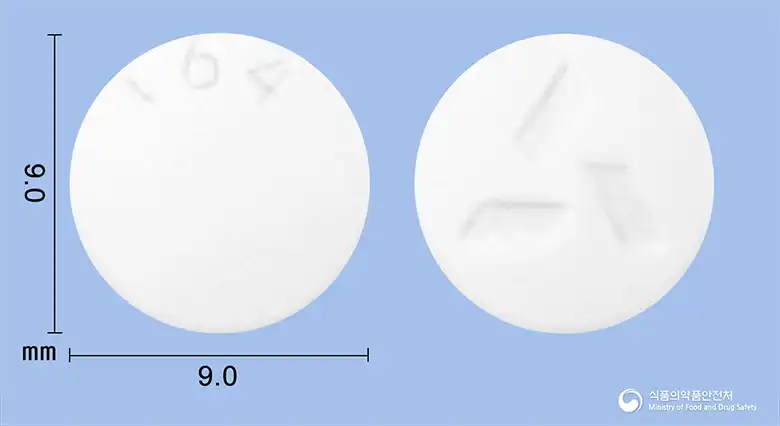
Roxithromycin
Tablet · Prescription medication
(Hando Pharmaceutical Co., Ltd.)
Roxithromycin
Prescription medication
Hanok Co., Ltd.
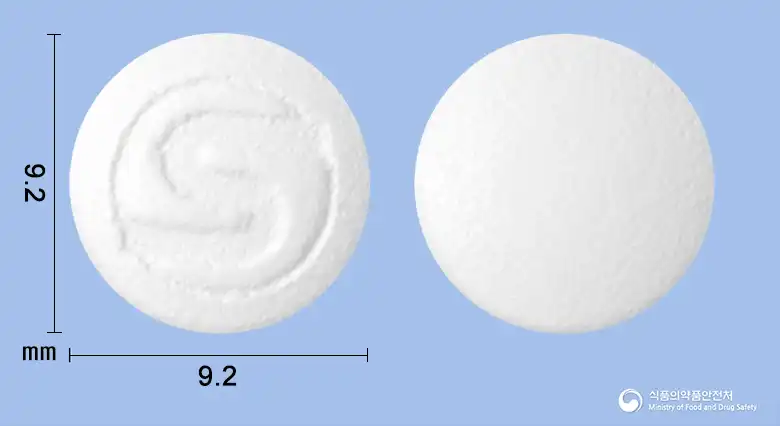
Roxithromycin 150mg
Tablet · Prescription medication
Shinpoong Pharmaceutical Co., Ltd.
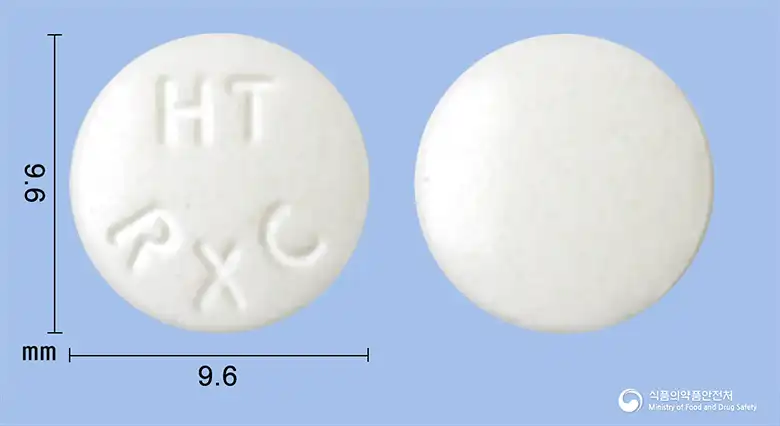
Roxithromycin 150mg
Tablet · Prescription medication
HuTechs Pharmaceutical Co., Ltd.
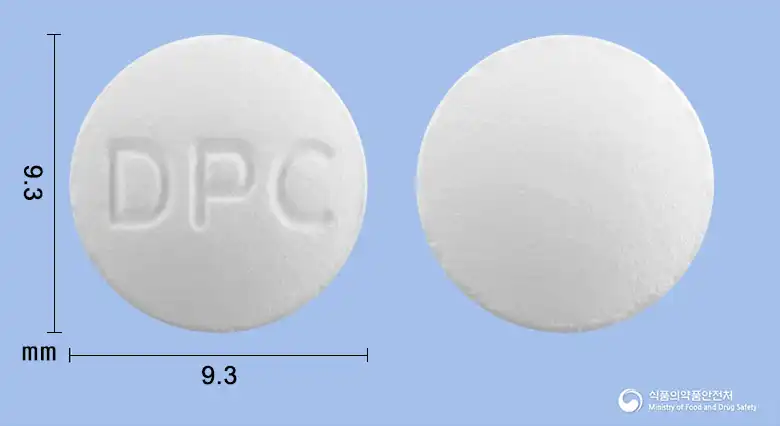
Roxithromycin 150mg
Tablet · Prescription medication
Dongkwang Pharmaceutical Co., Ltd.
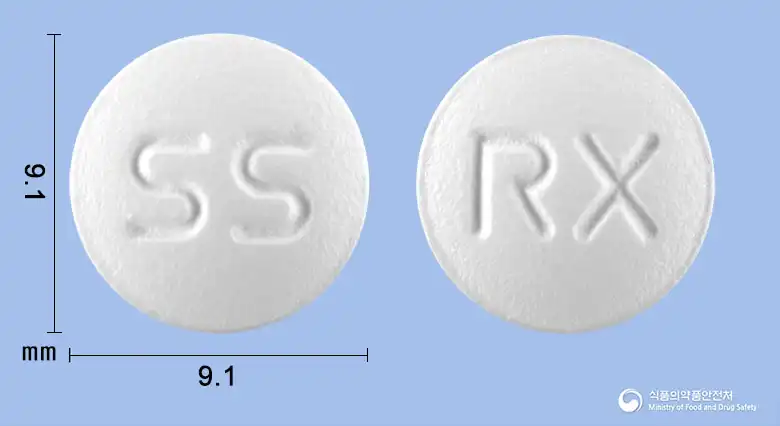
Roxithromycin 150mg
Tablet · Prescription medication
SAMSUNG PHARMACEUTICAL CO., LTD.
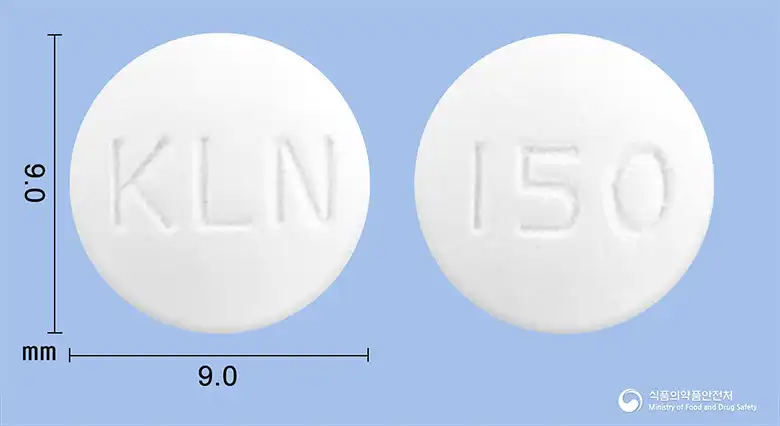
Roxithromycin 150mg
Tablet · Prescription medication
Kolon Pharmaceutical Co., Ltd.
Even with the same ingredient, the dose and directions can differ by strength and dosage form. Talk to a doctor or pharmacist before switching from a medication you are already taking.
No questions yet.
For anything that needs medical judgment, consult a doctor or pharmacist.
This drug information is based on data provided by the Korea Ministry of Food and Drug Safety.
Consult a doctor or pharmacist for accurate dosage, administration, and usage instructions.