
 한국어
 English
 日本語
 中文(简体)
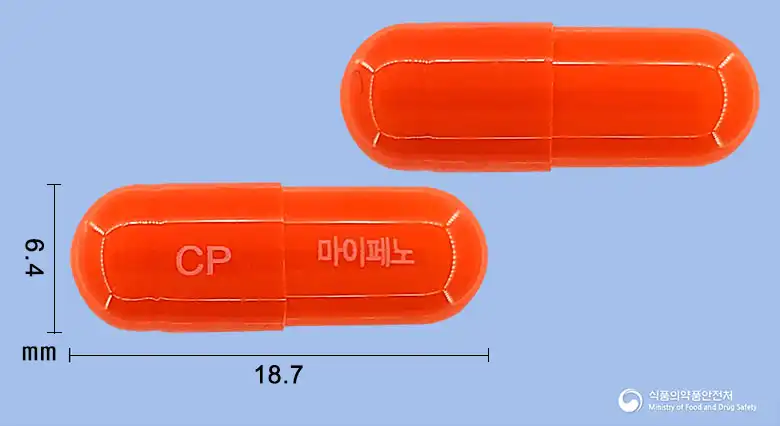 Viewing now
Myphenocapsule (Micronized Fenofibrate Granules)
Fenofibrate Granules Micronized 301.95mg
Hard capsule · Prescription medication
CMG Pharmaceuticals Co., Ltd.
MFDS item code 201603911 · Approved 2016.06.24 · Insurance code 648603360
Treatment of primary hyperlipidemia (such as hypercholesterolemia)
Primary hyperlipidemia includes hypercholesterolemia (Type IIa), combined hypercholesterolemia and hypertriglyceridemia (Type IIb, III), and hypertriglyceridemia (Type IV). This medication helps manage these various types of hyperlipidemia and maintains blood lipid levels within normal ranges. Through this, it effectively improves vascular health and reduces the risk of cardiovascular disease. Therefore, it is used to treat primary hyperlipidemia.
○ Adults: Administer fenofibrate 200 mg orally once daily immediately after a meal. Fenofibrate must be administered in conjunction with dietary therapy. Since this medicine may be less well absorbed on an empty stomach, administer it immediately after a meal (except for the 145 mg formulation). ○ Elderly patients: Dose reduction is generally not necessary if renal function is not decreased. ○ Patients with renal impairment: Do not administer this medicine to patients with moderate to severe renal impairment (serum creatinine level 2.5 mg/dL or higher).
○ Pediatric patients: Clinical data on the use of this medicine in children are not yet available.
This medication should not be used in patients with poor liver function. In cases of severely impaired liver function, taking this medication may cause rhabdomyolysis, a harmful muscle injury. It is also safer for patients with moderate to severe renal impairment to refrain from taking this medication. Elevated serum creatinine levels may indicate that this medication could strain the kidney. Women who are pregnant, possibly pregnant, or breastfeeding should not take this medication as it may harm the fetus or newborn. Those with a history of allergic reactions to this medication or its components should avoid its use. Patients with gallbladder issues or a history of gallstones should use caution, as this medication may worsen gallstone formation. Patients who have experienced photosensitivity while taking fibrate medications or ketoprofen should also use this medication carefully. Children should not take this medication. Patients with biliary cirrhosis or pancreatitis should also avoid this medication, as it may pose risks, particularly in cases of acute pancreatitis. Patients with mild renal impairment or a history of kidney problems should have their dosage reduced or the dosing interval extended to lessen the burden on the kidneys. Patients with liver function abnormalities or a history of liver disease should undergo frequent liver function tests, and if abnormalities are detected, the medication should be discontinued or dosage adjusted. Patients taking anticoagulants should also be cautious, as the risk of bleeding may increase when combining this medication. This medication can cause symptoms such as muscle pain, cramps, and weakness, which in severe cases may progress to rhabdomyolysis. If such symptoms arise, consult a doctor immediately. Skin rash, itching, and photosensitivity reactions such as redness or blistering upon sun exposure may occur. Gastrointestinal symptoms including abdominal pain, nausea, vomiting, and diarrhea may also occur, and in rare cases, pancreatitis may develop, so caution is advised. This medication can increase liver function test values, so liver function tests should be carried out monthly at the beginning of treatment and regularly thereafter. If gallstones are suspected or discovered, use of this medication should be discontinued. There may be interactions between this medication and other drugs, so consult a doctor, particularly if taking anticoagulants, hyperlipidemia medications, antidiabetic medications, or immunosuppressants. Pregnant or breastfeeding women should not take this medication, and those planning to become pregnant should definitely consult a doctor. Elderly patients may have reduced liver and kidney function, necessitating dosage adjustments and kidney function testing. In cases of overdose, there are no specific antidotes, and blood dialysis cannot remove the drug, so caution is necessary during administration. This medication should be kept out of reach of children and should not be transferred to another container.
Not everyone experiences these, and they can vary from person to person.
Store this medication in a tightly closed container to prevent exposure to air and moisture, and maintain it at room temperature between 1 and 30 degrees Celsius. Proper storage will help maintain the drug's efficacy and ensure safe usage.
An orange capsule containing white spherical micronized granules
Bottle packaging: 30 capsules, 300 capsules
Even with the same ingredient, strength, dosage form and how it is taken can differ.
Viewing nowFenofibrate Granules Micronized 301.95mg
Hard capsule · Prescription medication
CMG Pharmaceuticals Co., Ltd.
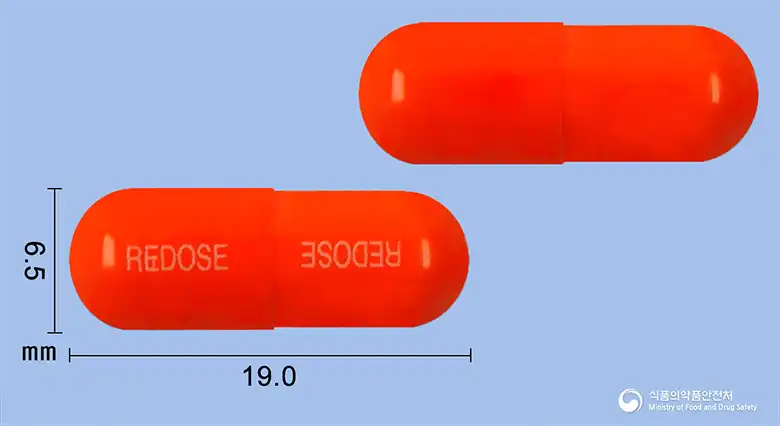
Fenofibrate Granules Micronized 301.95mg
Hard capsule · Prescription medication
Korea Pharma Co., Ltd.
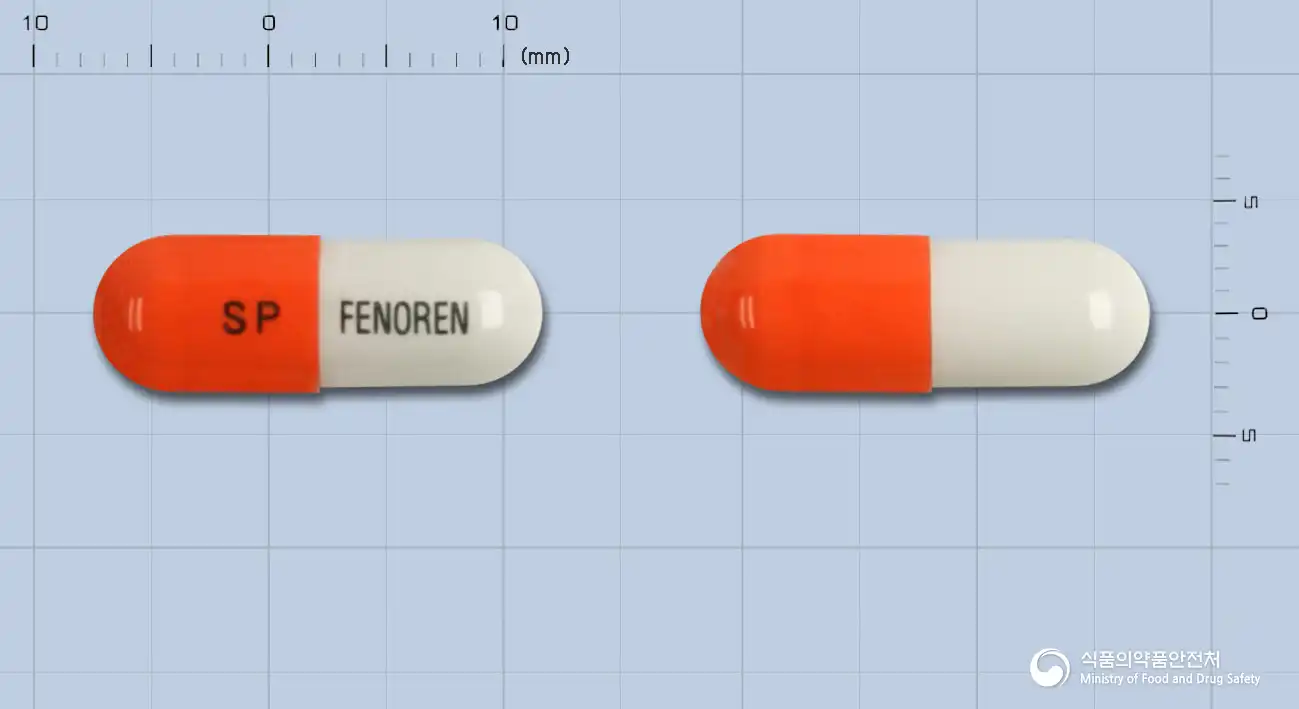
Fenofibrate Granules Micronized 301.95mg
Hard capsule · Prescription medication
Shinpoong Pharmaceutical Co., Ltd.
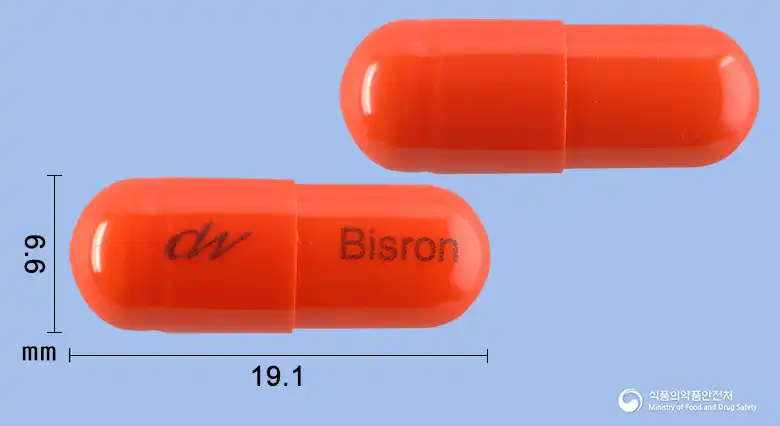
Fenofibrate Granules Micronized 301.95mg
Hard capsule · Prescription medication
Daewoo Pharmaceutical Co., Ltd.
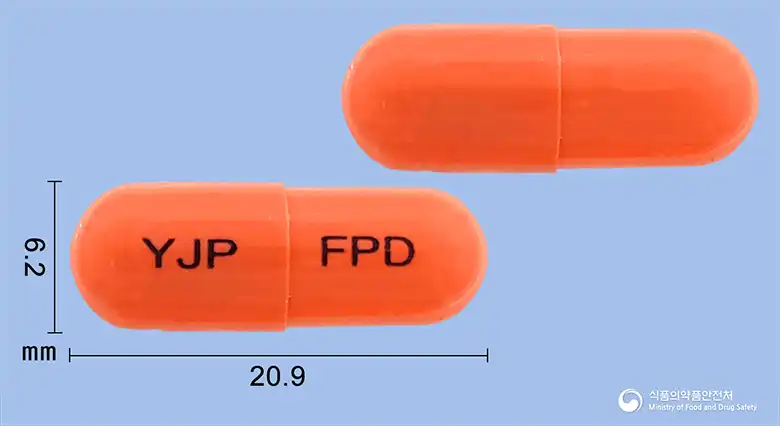
Fenofibrate Granules Micronized 301.95mg
Hard capsule · Prescription medication
Youngjin Pharmaceutical Co., Ltd.
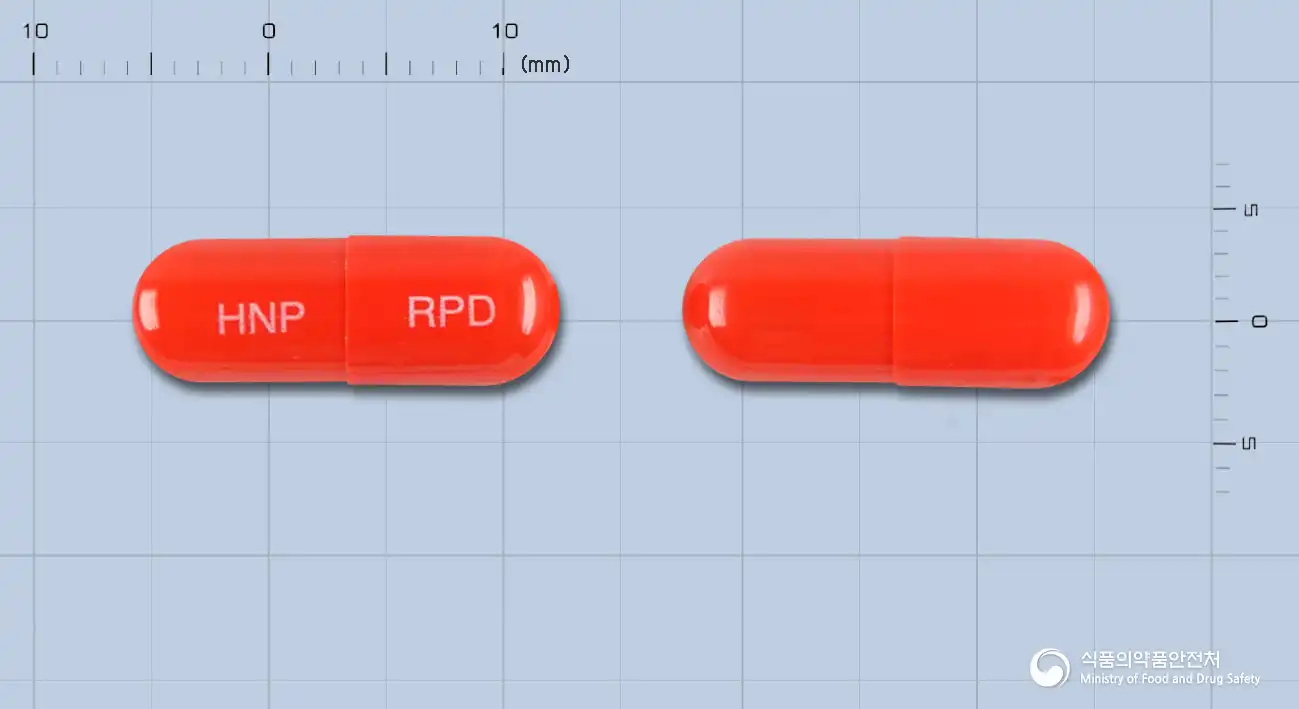
Fenofibrate Granules Micronized 301.95mg
Hard capsule · Prescription medication
Hana Pharmaceutical Co., Ltd.
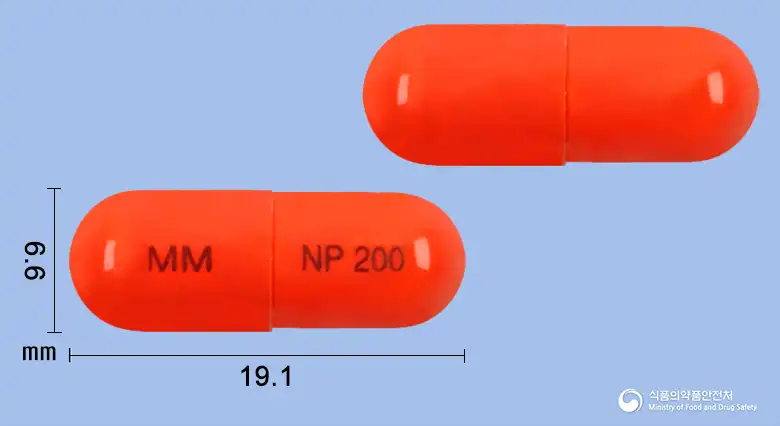
Fenofibrate Granules Micronized 301.95mg
Hard capsule · Prescription medication
Myungmoon Pharmaceutical Co., Ltd.
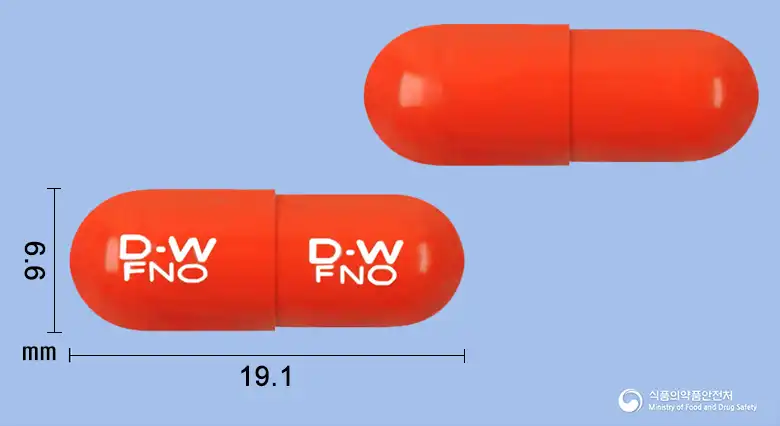
Fenofibrate Granules Micronized 301.95mg
Hard capsule · Prescription medication
Dongwha Pharmaceutical Co., Ltd.
Even with the same ingredient, the dose and directions can differ by strength and dosage form. Talk to a doctor or pharmacist before switching from a medication you are already taking.
No questions yet.
For anything that needs medical judgment, consult a doctor or pharmacist.
This drug information is based on data provided by the Korea Ministry of Food and Drug Safety.
Consult a doctor or pharmacist for accurate dosage, administration, and usage instructions.