
 한국어
 English
 日本語
 中文(简体)
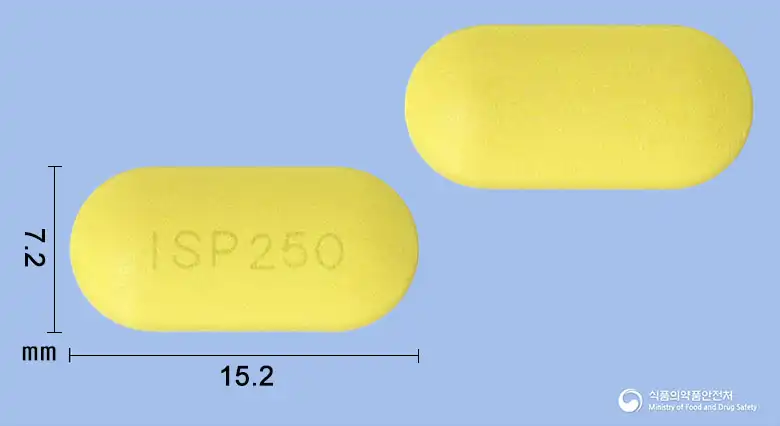 Viewing now
Ilseong Clarithromycin Tablet 250mg
Clarithromycin 250mg
Tablet · Prescription medication
Ilseong IS Co., Ltd.
MFDS item code 201603545 · Approved 2016.06.17 · Insurance code 655403620
Treatment of infections (respiratory, skin, and mycobacterial infections) and Helicobacter pylori infection associated with duodenal ulcers
This medication is effective against various bacteria such as Staphylococcus aureus, Streptococcus pneumoniae, and Influenza bacillus. It is used to treat lower respiratory tract infections like bronchitis and pneumonia, as well as upper respiratory tract infections such as pharyngitis and sinusitis. It is also effective for skin and soft tissue infections and helps with mycobacterial infections including Mycobacterium avium and intracellular infections. It is also used to eradicate Helicobacter pylori in patients with duodenal ulcers to improve symptoms. Thus, it is used effectively to treat various complex bacterial infections.
Adults: The usual dose of clarithromycin is 250mg (potency) twice daily; for severe infections, administer 500mg (potency) twice daily. The usual duration of treatment is 7~14 days. In patients with renal failure whose creatinine clearance is 30mL/min or less, the dose should be reduced by half: 250mg (potency) once daily, or, for severe infections, 250mg (potency) twice daily. Do not administer to these patients for more than 14 days. Mycobacterial infections: Administer 500mg (potency) of this medicine twice daily. In this case, it should be administered concomitantly with other antimycobacterial agents such as ethambutol, clofazimine, and rifampin. Eradication of Helicobacter pylori in patients with duodenal ulcers: For 14 days, administer 500mg (potency) of this medicine 3 times daily with omeprazole 40mg once daily, followed by omeprazole 40mg once daily for 14 consecutive days. That is, administer clarithromycin 500mg (potency) per dose 3 times daily for 14 days (days 1~14), and omeprazole 40mg once daily for 28 days (days 1~28).
Children aged 12 years and older: Same as adults Children under 12 years of age: Use clarithromycin dry syrup.
This medication should not be given to certain patients. Patients with allergies to any of the ingredients in this medication or a history of allergy to antibiotics in the same class should not use this medicine. Additionally, patients with certain heart conditions or severely impaired liver or kidney function, and pregnant or breastfeeding women should not use this medication. Patients currently taking other medications that may affect heart rhythm should also avoid this drug. This medication should be used cautiously in patients with impaired liver or kidney function, those with heart disease, the elderly, and those taking other antibiotics. Care should also be taken with a history of drug allergies. During treatment, there may be rare instances of severe allergic reactions, skin rashes, gastrointestinal disturbances, liver function abnormalities, kidney issues, central nervous system symptoms, etc., and if these symptoms occur, medical consultation should be sought immediately. To prevent antibiotic resistance, it is essential to verify the susceptibility of the infecting bacteria and only take the medication for the necessary minimum duration. Moreover, this medication may interact with other drugs, so it is crucial to inform healthcare professionals of any concurrent medications. Pregnant or breastfeeding women should not use this medication, and breastfeeding should be discontinued if necessary. Children and the elderly require special precautions when using this medication; in particular, elderly patients with reduced kidney function may need dosage adjustment. Regular monitoring such as liver function tests, kidney function tests, and blood tests may be necessary during treatment. Overdosage may lead to gastrointestinal symptoms or central nervous system abnormalities; thus, prompt medical attention should be sought for appropriate treatment. This medication should be stored away from direct sunlight and kept at room temperature; refrigeration is not recommended.
Not everyone experiences these, and they can vary from person to person.
This medication may be sensitive to air or moisture, so it must be stored in a tightly sealed container. It is best to maintain a storage temperature between 1 to 30 degrees Celsius at room temperature to preserve the medication's efficacy and safety for an extended period.
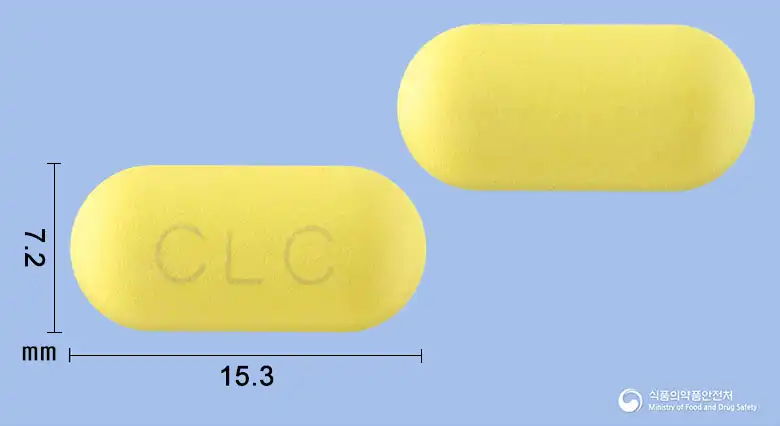
Yellow oblong film-coated tablet
30 tablets/bottle, 100 tablets/bottle
Even with the same ingredient, strength, dosage form and how it is taken can differ.
Viewing nowClarithromycin 250mg
Tablet · Prescription medication
Ilseong IS Co., Ltd.
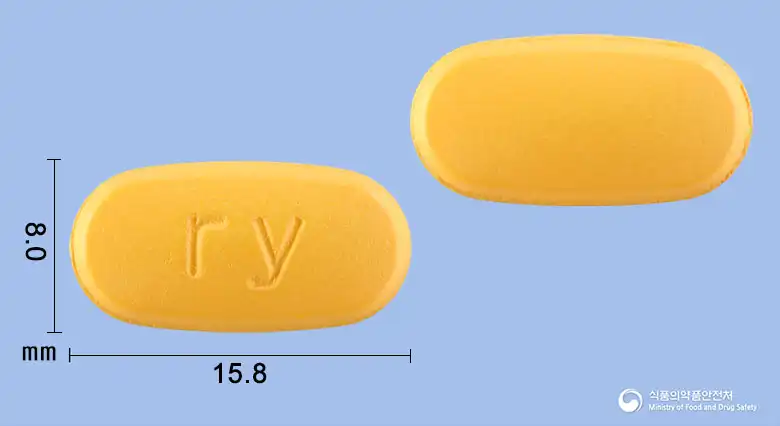
Clarithromycin 250mg
Tablet · Prescription medication
Iyeon Pharmaceutical Co., Ltd.
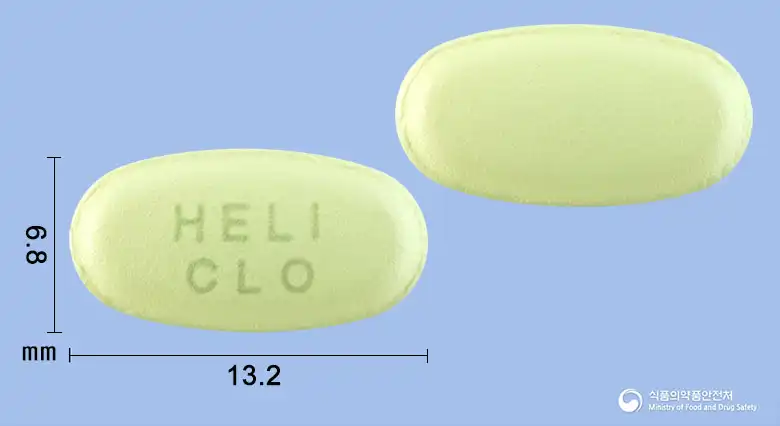
Clarithromycin 250mg
Tablet · Prescription medication
Jongkundang Co., Ltd.
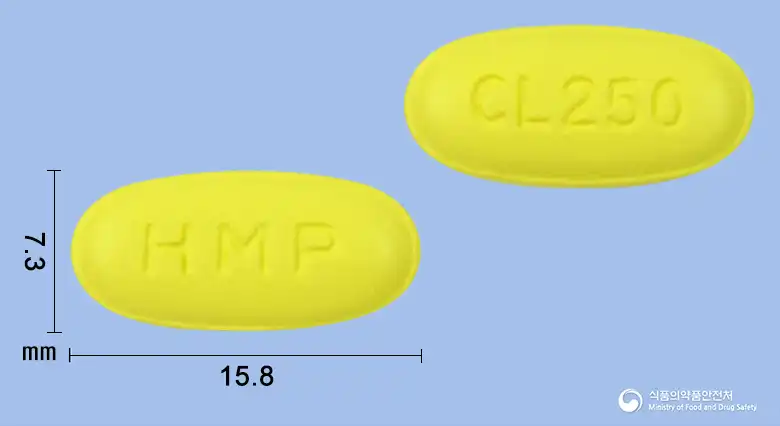
Clarithromycin 250mg
Tablet · Prescription medication
Hanmi Pharmaceutical Co., Ltd.
Clarithromycin 500mg
Prescription medication
Il Sung IS Co., Ltd.
Clarithromycin 250mg
Tablet · Prescription medication
Boryung Co., Ltd.
Clarithromycin 250mg
Tablet · Prescription medication
Kyungdong Pharmaceutical Co., Ltd.

Clarithromycin 250mg
Tablet · Prescription medication
Kunil Pharmaceutical Co., Ltd.
Even with the same ingredient, the dose and directions can differ by strength and dosage form. Talk to a doctor or pharmacist before switching from a medication you are already taking.
No questions yet.
For anything that needs medical judgment, consult a doctor or pharmacist.
This drug information is based on data provided by the Korea Ministry of Food and Drug Safety.
Consult a doctor or pharmacist for accurate dosage, administration, and usage instructions.