
 한국어
 English
 日本語
 中文(简体)
 Viewing now
Celebrex Capsule 100mg (Celecoxib)
Celecoxib 100mg
Hard capsule · Prescription medication
Korea Hutex Pharmaceutical Co., Ltd.
MFDS item code 201603482 · Approved 2016.06.15 · Insurance code 649103090
Relief of joint and spinal inflammation (e.g., osteoarthritis), acute pain in adults, and primary dysmenorrhea
This medicine relieves the symptoms and signs of arthritis such as osteoarthritis, rheumatoid arthritis, and ankylosing spondylitis, reducing discomfort for patients. It also effectively alleviates acute pain that occurs post-surgery or after tooth extraction, aiding in faster recovery. It is used for pain caused by primary dysmenorrhea to relieve symptoms. This medication helps improve the quality of life by managing various pains and inflammation. Overall, it is used for arthritis, acute pain, and dysmenorrhea.
The minimum recommended dose of this drug should be adjusted for each patient, and it may be administered with or without food. ○ Adults 1. Osteoarthritis (degenerative arthritis) Take 200 mg of celecoxib once daily, or divide the dose into 100 mg twice daily. 2. Rheumatoid arthritis Take 100 mg or 200 mg of celecoxib per dose twice daily. 3. Ankylosing spondylitis (AS) Administer 200 mg of celecoxib once daily, or divide the dose into 100 mg twice daily. If no effect is observed after 6 weeks, the dose may be increased to 400 mg daily. If no effect is observed after 6 weeks of treatment with 400 mg daily, other treatment options should be considered. 4. Acute pain and primary dysmenorrhea The recommended initial dose is 400 mg of celecoxib, with an additional 200 mg on the first day of treatment if needed. From the second day of treatment, the recommended dose, if needed, is 200 mg per dose twice daily. ○ Patients with hepatic impairment For patients with moderate hepatic impairment (Child-Pugh Class II), the dose should be reduced to approximately 50% of the recommended daily dose.
Patients who consume more than three alcoholic drinks daily should consult a physician or pharmacist before taking this medicine, as it may lead to gastrointestinal bleeding. Individuals with cardiovascular problems or risk factors should use this medicine only at the minimum dose and for the shortest duration, as it may increase the risk of serious cardiovascular thrombotic events such as myocardial infarction and stroke; they should immediately inform medical personnel if cardiovascular symptoms appear. This medicine can cause severe gastrointestinal issues such as ulcers, bleeding, or perforation, so elderly patients or those with a history of gastrointestinal disorders must carefully monitor for gastrointestinal symptoms during use, and seek immediate treatment if unusual symptoms occur. This medicine should not be administered to patients with specific allergies, severe liver or kidney dysfunction, active peptic ulcers, heart failure, or to pregnant or breastfeeding women. Patients with liver or kidney dysfunction, high blood pressure, heart failure, asthma, or diabetes should use this medicine with caution and regularly monitor their health status during treatment. Dizziness or drowsiness may occur during use, so attention should be paid when driving or operating machinery. This medicine is metabolized in the liver and may interact with other drugs, particularly in conjunction with certain liver enzyme inhibitors or inducers, anticoagulants, diuretics, or antihypertensives. Women who are pregnant or may become pregnant should not take this medicine, and should discontinue use immediately upon confirmation of pregnancy. Breastfeeding women should also either discontinue breastfeeding or consult medical personnel when taking this medicine. Safety and efficacy in children and adolescents have not been established, so it is preferable not to use it in this population. Elderly patients are at a higher risk of impaired renal, hepatic, and cardiac function, so special attention and monitoring are needed during treatment. If this medication is taken for an extended period, regular blood tests and liver and kidney function tests should be performed, and immediate consultation with medical personnel is required if abnormal signs occur. In case of overdose, symptoms such as vomiting, lethargy, drowsiness, or gastrointestinal bleeding may appear, and immediate emergency treatment is needed; no specific antidote is available. This medicine must be kept out of reach of children, and transferring it to other containers should be avoided as it may affect quality.
Gastrointestinal bleeding, cardiovascular thrombotic reactions, myocardial infarction, stroke, perforation of the upper and lower gastrointestinal tract, ulcers, bleeding, bronchitis, sinusitis, upper respiratory tract infections, urinary tract infections, pharyngitis, rhinitis, anemia, thrombocytopenia, hypersensitivity, insomnia, anxiety, confusion, dizziness, muscle hypertonicity, drowsiness, blurred vision, tinnitus, palpitations, congestive heart failure, arrhythmia, tachycardia, hypertension, flushing, cough, vomiting, abdominal pain, diarrhea, dyspepsia, bloating, gastric ulcer, dental diseases, duodenal ulcer, esophageal ulcer, intestinal perforation, pancreatitis, elevated liver enzymes, itching, rash, urticaria, petechiae, angioedema, alopecia, vesicular dermatitis, peripheral edema, facial edema, influenza-like illness, injury, taste disturbance, albuminuria, cystitis, hematuria, dysuria, polyuria, nephrolithiasis, urinary incontinence, urinary tract infection, blurred vision, cataract, conjunctivitis, eye pain, glaucoma, ocular hemorrhage, retinal artery or vein occlusion, increased serum creatinine, elevated β2-microglobulin, increased NAG, positive urinary hematuria, positive urinary protein, renal dysfunction, acute renal failure, interstitial nephritis, elevated serum sodium, elevated serum potassium, increased BUN, increased CPK, diabetes, hypercholesterolemia, hyperglycemia, hypokalemia, hyperkalemia, increased NPN, increased creatinine, increased alkaline phosphatase, weight gain, appetite loss, increased LDH, hypoglycemia, hyponatremia, bursitis, arthralgia, arthritis, skeletal abnormalities, myalgia, cervical tension, synovitis, tendinitis, myositis, leg cramps, fractures, tendon rupture, pain in various parts, muscle rigidity, decreased hematocrit, increased hemoglobin, petechiae, nosebleeds, thrombocytopenic purpura, agranulocytosis, aplastic anemia, pancytopenia, leukopenia, granulation tissue, contact dermatitis, injection site reactions, cutaneous nodules, headache, dizziness, constipation, thirst, ulcerative stomatitis, gastritis, allergy, back pain, chest pain, hyperlipidemia, weight gain, fractures, arthralgia, positive RA factor, shingles, pneumonia, dyspnea, elevated ALT, hearing loss, anaphylactic reactions, hallucinations, intracerebral hemorrhage, aseptic meningitis, loss of taste, loss of smell, vasculitis, pulmonary embolism, interstitial pneumonia, gastrointestinal bleeding, hepatitis, liver failure, fulminant hepatitis, liver necrosis, cholestasis, cholestatic hepatitis, jaundice, photosensitivity reactions, Stevens-Johnson syndrome, erythema multiforme, toxic epidermal necrolysis, drug rash, acute generalized exanthematous pustulosis, exfoliative dermatitis, acute renal failure, hyponatremia, tubulointerstitial nephritis, nephrotic syndrome, minimal change disease, menstrual disorders, female infertility, chest pain, weakness, allergic reactions, fluid retention, systemic edema, facial edema, fatigue, lethargy, fever, facial flushing, influenza-like syndrome, pain, peripheral pain, sepsis, sudden death, anaphylactoid reactions, angioedema, headache, dizziness, leg cramps, hypertonicity, impaired perception, migraine, neuralgia, neuropathy, sensory abnormalities, cerebral infarction, aseptic meningitis, ataxia, suicide, loss of smell, loss of taste, insomnia, appetite loss, anxiety, increased appetite, depression, neural irritability, drowsiness, fatal intracranial hemorrhage, confusion, hallucinations, exacerbation of epilepsy, upper respiratory tract infections, sinusitis, pharyngitis, rhinitis, bronchitis, bronchospasm, exacerbation of bronchospasm, cough, dyspnea, laryngitis, pneumonia, nosebleeds, voice disorders
Not everyone experiences these, and they can vary from person to person.
This medicine should be stored in a tightly closed container to protect it from air or moisture. It is best to maintain storage temperature between 15 and 30 degrees Celsius.
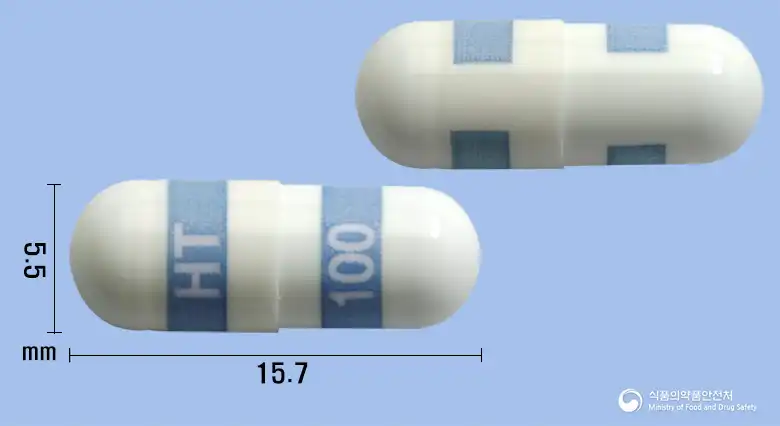
A white capsule containing a powder that is white to light yellow, with blue stripes on the top and bottom.
30 capsules/bottle, 100 capsules/bottle
Even with the same ingredient, strength, dosage form and how it is taken can differ.
Viewing nowCelecoxib 100mg
Hard capsule · Prescription medication
Korea Hutex Pharmaceutical Co., Ltd.
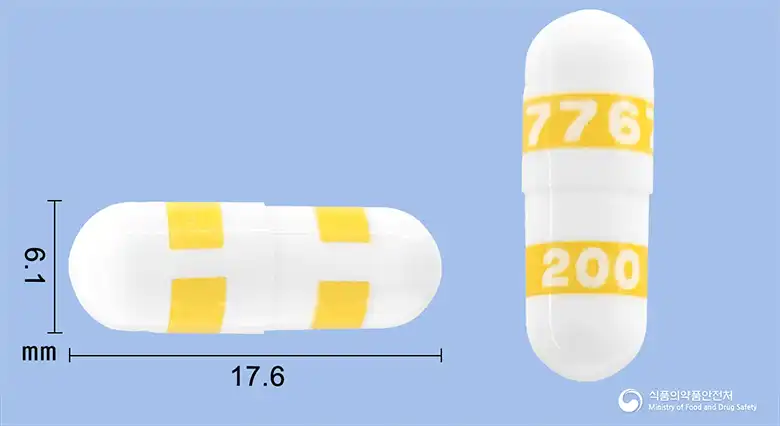
Celecoxib 200mg
Hard capsule · Prescription medication
Viatris Korea Co., Ltd.
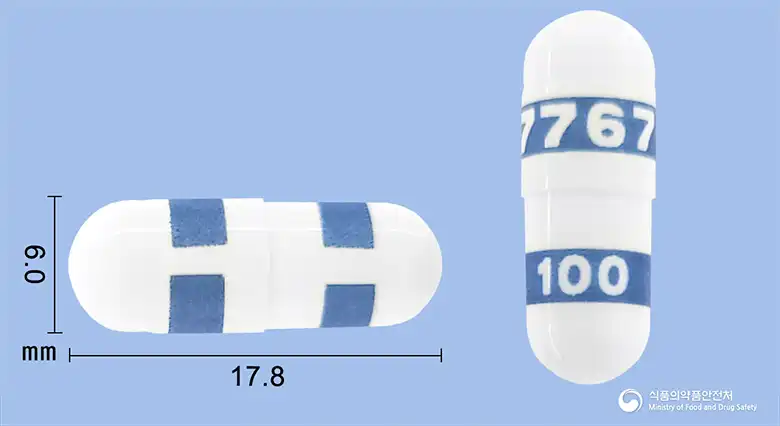
Celecoxib 100mg
Hard capsule · Prescription medication
Viatris Korea Co., Ltd.
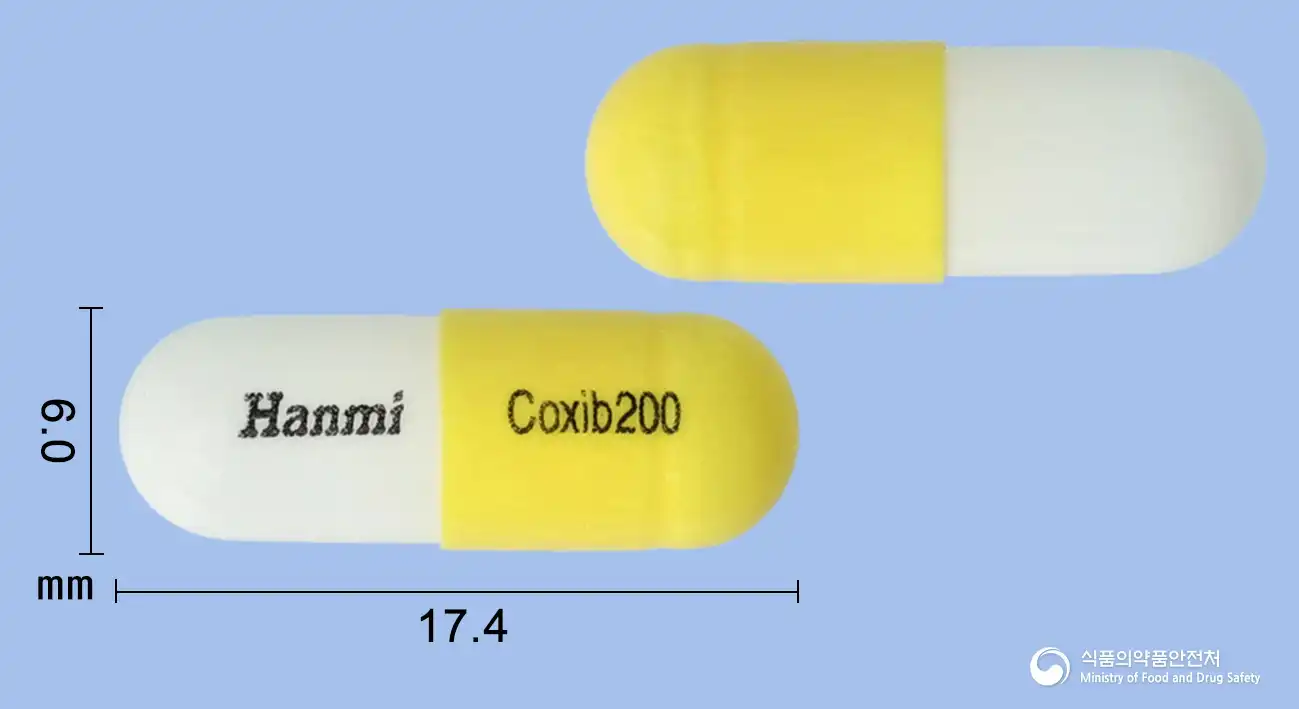
Celecoxib 200mg
Hard capsule · Prescription medication
Hanmi Pharmaceutical Co., Ltd.
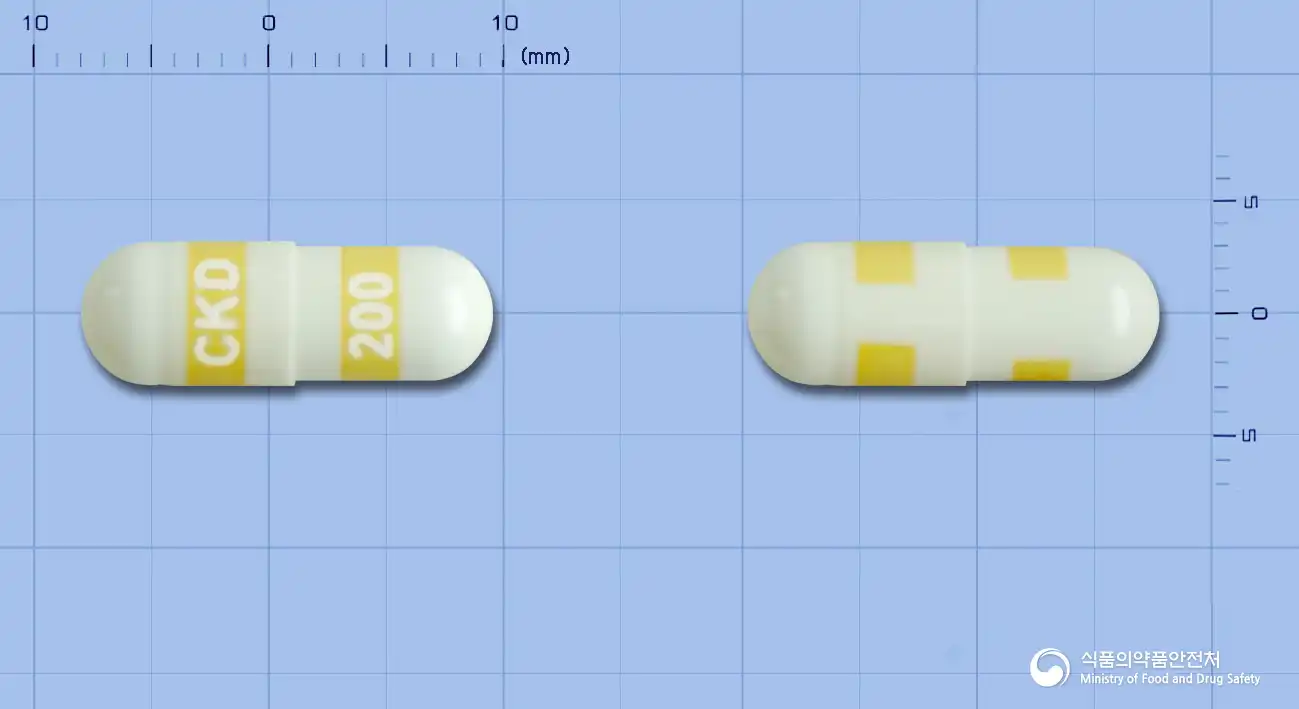
Celecoxib 200mg
Hard capsule · Prescription medication
Jonggu C(A) Co., Ltd.
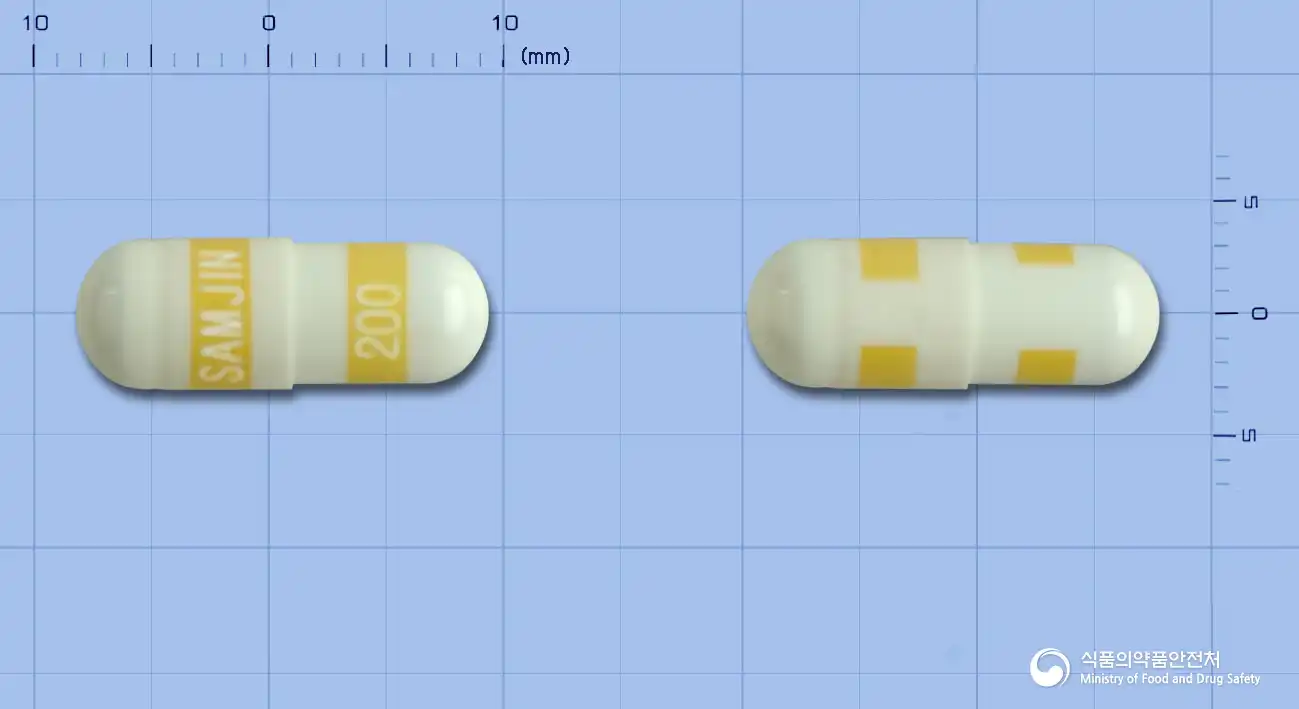
Celecoxib 200mg
Hard capsule · Prescription medication
Samjin Pharmaceutical Co., Ltd.
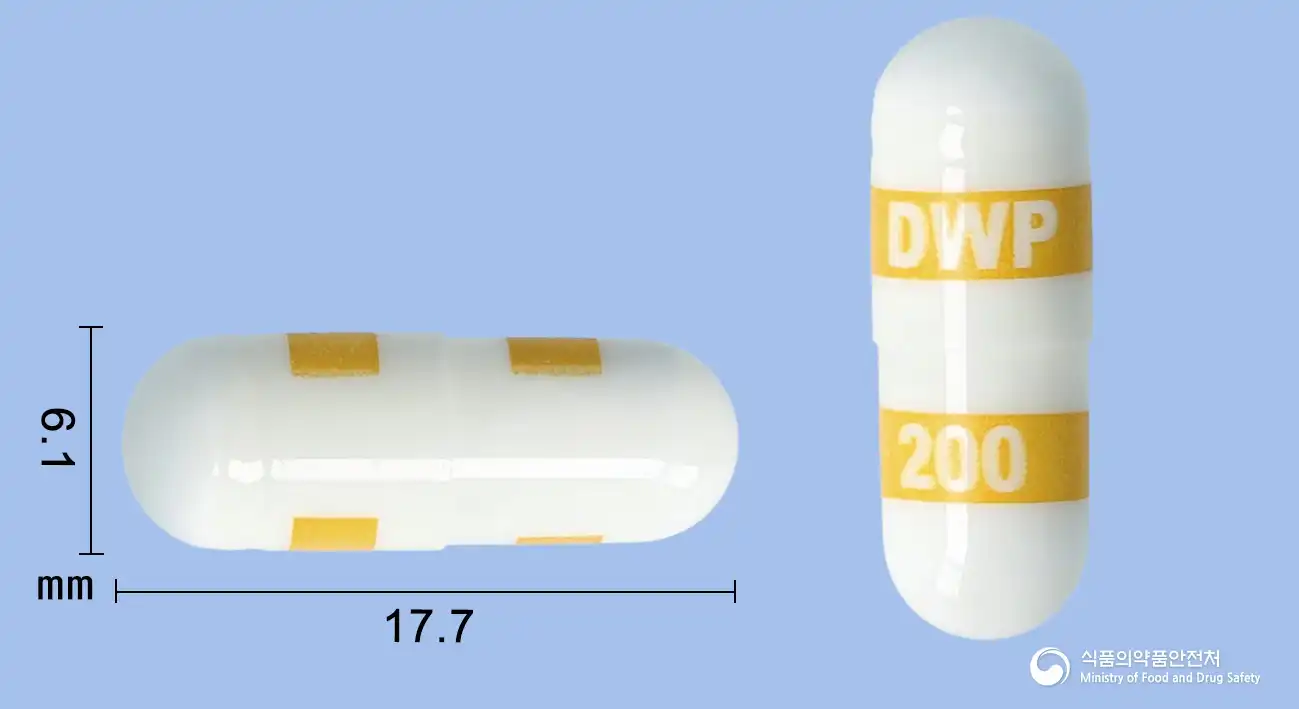
Celecoxib 200mg
Hard capsule · Prescription medication
Daewon Pharmaceutical Co., Ltd.
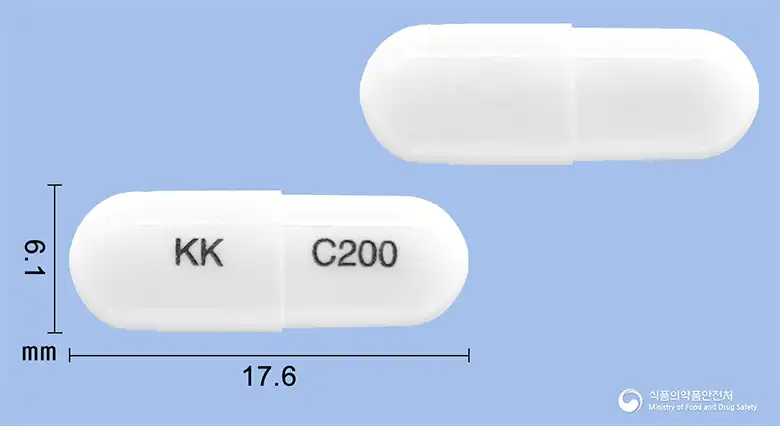
Celecoxib 200mg
Hard capsule · Prescription medication
Genewon Science Co., Ltd.
Even with the same ingredient, the dose and directions can differ by strength and dosage form. Talk to a doctor or pharmacist before switching from a medication you are already taking.
No questions yet.
For anything that needs medical judgment, consult a doctor or pharmacist.
This drug information is based on data provided by the Korea Ministry of Food and Drug Safety.
Consult a doctor or pharmacist for accurate dosage, administration, and usage instructions.