
 한국어
 English
 日本語
 中文(简体)
 Viewing now
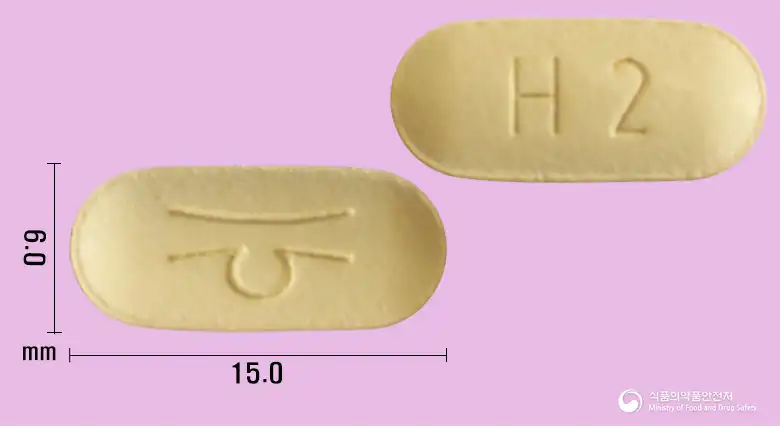
New Sinthar Sustained-Release Tablet 100 mg (Tapentadol Hydrochloride)
Tapentadol Hydrochloride 116.48mg
Tablet · Prescription medication
BC World Pharmaceutical Co., Ltd.
MFDS item code 201603372 · Approved 2016.06.10 · Insurance code 653103850
Relief of severe chronic pain requiring continuous opioid analgesic therapy
This medication is used to relieve severe chronic pain that requires long-lasting, potent opioid analgesic treatment.
Take this medicine twice daily, approximately 12 hours apart, with or without food. Patients not currently taking opioid analgesics: Initiate treatment with this medicine at 50mg twice daily. Patients currently taking opioid analgesics: When switching from an opioid analgesic to this medicine and determining the initial dose, consider the properties and potency of the previous medicine and the average daily dose. Discontinue all other extended-release/long-acting opioid analgesics before administering this medicine. Clinical trial experience indicates that increasing the dose by 50mg at 3-day intervals while maintaining twice-daily administration is an appropriate titration method. This medicine is not recommended at daily doses exceeding 500mg, as such doses have not been studied. Abrupt discontinuation of treatment with this medicine may cause withdrawal symptoms. For patients who no longer require treatment with this medicine, gradual dose reduction is recommended to prevent withdrawal symptoms. No dose adjustment is required in patients with mild or moderate renal impairment. Use of this medicine is not recommended in patients with severe renal impairment because controlled clinical trials evaluating efficacy have not been conducted in these patients. No dose adjustment is required in patients with mild hepatic impairment. Administer this medicine with caution to patients with moderate hepatic impairment. Start treatment in these patients with 50mg of this medicine, and do not administer it more often than once every 24 hours. Thereafter, shorten or lengthen the dosing interval as tolerated to maintain analgesic efficacy. Use of this medicine is not recommended in patients with severe hepatic impairment because it has not been studied in these patients. Older patients (65 years and older): In general, the recommended dose for older patients with normal renal and hepatic function is the same as for younger adults with normal renal and hepatic function. Since older patients are more likely to have reduced renal and hepatic function, use caution when selecting the dose in accordance with the recommendations.
Use is not recommended in patients under 18 years of age.
This medication may lead to tolerance with repeated use and carries the risk of addiction or dependence known as opioid use disorder. This risk is higher in patients with a history of drug or alcohol use disorders or mental health issues. Additionally, overdose of this medication can cause severe respiratory depression, so caution is required. Long-term use during pregnancy may result in neonatal opioid withdrawal syndrome, so it should be used cautiously in pregnant individuals. Co-administration with central nervous system depressants like benzodiazepines or alcohol can result in severe sedation, respiratory depression, coma, or even death; thus, extreme caution is needed when using together. This medication should not be used in patients with hypersensitivity to it or in those with severe respiratory depression, acute bronchial asthma, or paralytic ileus. Moreover, patients acutely intoxicated with alcohol, sedatives, or central nervous system analgesics, and those taking MAO inhibitors should also avoid this medication. Patients with severely impaired renal or liver function, hypotension, acute pancreatitis or biliary diseases, potential intracranial hypertension, seizure disorders, pregnant and breastfeeding individuals should use this medication carefully. Common gastrointestinal and central nervous system symptoms may include nausea, dizziness, constipation, headache, drowsiness, decreased appetite, weight loss, anxiety, depressive mood, nervousness, restlessness, unusual dreams, cognitive impairment, disorientation, agitation, confusion, euphoria, panic attacks, drug dependence, delusions, delirium, involuntary muscle contractions, tremors, attention disorders, perceptual abnormalities, sensory loss, balance disorders, sedation, fainting, memory disturbances, mental disorders, and decreased consciousness. Rarely, skin rash, respiratory difficulties, cardiac arrhythmias, and mental disturbances may occur, so any abnormal symptoms should be discussed with a medical professional immediately. Additionally, abrupt discontinuation of this medication may result in mild withdrawal symptoms, so it should be gradually tapered according to a doctor's instructions. Special care should be taken when driving or operating machinery, as this medication can affect the central nervous system. Caution is also needed when co-administering this medication with other central nervous system depressants due to the possible exacerbation of respiratory depression and sedation; consultation with a doctor before use is recommended. During pregnancy, this medication should only be used when necessary and may pose a risk to the fetus, and breastfeeding should be discontinued or the use of the medication should be stopped.
Not everyone experiences these, and they can vary from person to person.
This medication may be sensitive to air or moisture; therefore, it should be stored in a tightly sealed container. The recommended storage temperature is between 1 to 30 degrees Celsius at room temperature to maintain the effectiveness of the medication over time.
Pale yellow oval sustained-release tablet
30 tablets (10 tablets * 3 PTP) / box
Even with the same ingredient, strength, dosage form and how it is taken can differ.
Viewing nowTapentadol Hydrochloride 116.48mg
Tablet · Prescription medication
BC World Pharmaceutical Co., Ltd.
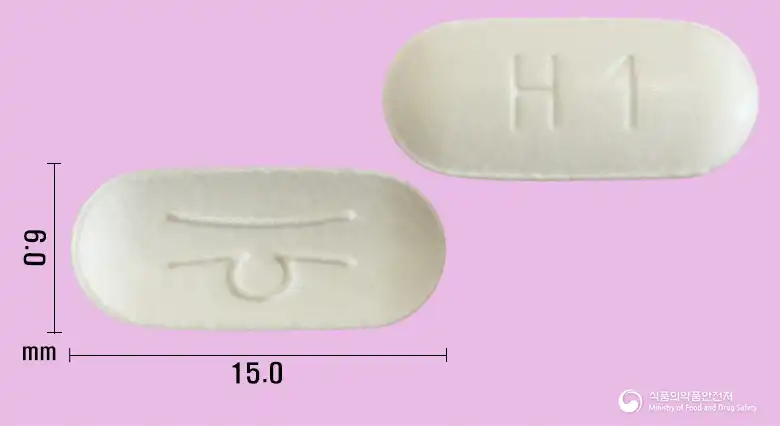
Tapentadol Hydrochloride 58.24mg
Tablet · Prescription medication
BC World Pharmaceutical Co., Ltd.
Tapentadol Hydrochloride 174.72mg
Tablet · Prescription medication
Korea Janssen Co., Ltd.
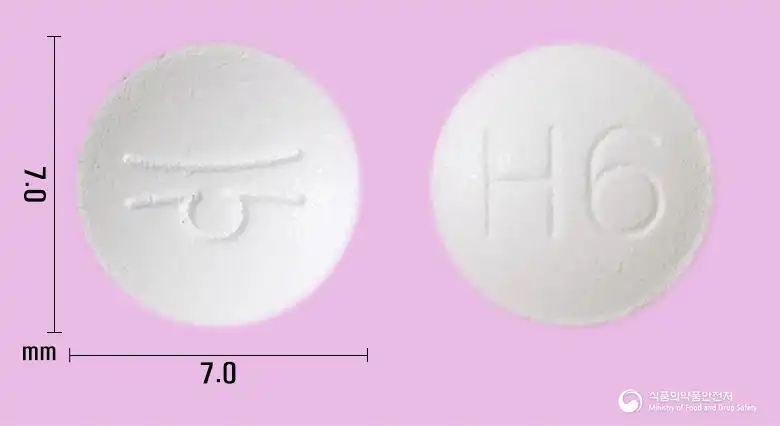
Tapentadol Hydrochloride 58.24mg
Tablet · Prescription medication
BC World Pharmaceutical Co., Ltd.
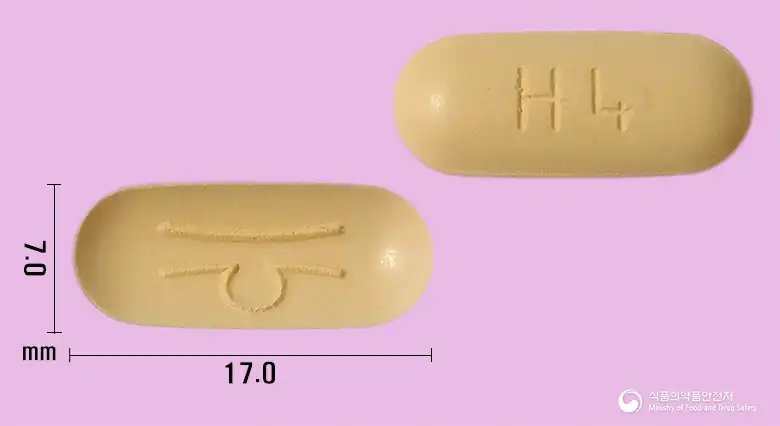
Tapentadol Hydrochloride 232.96mg
Tablet · Prescription medication
BC World Pharmaceutical Co., Ltd.
Even with the same ingredient, the dose and directions can differ by strength and dosage form. Talk to a doctor or pharmacist before switching from a medication you are already taking.
No questions yet.
For anything that needs medical judgment, consult a doctor or pharmacist.
This drug information is based on data provided by the Korea Ministry of Food and Drug Safety.
Consult a doctor or pharmacist for accurate dosage, administration, and usage instructions.