
 한국어
한국어 English
 日本語
日本語 中文(简体)
 Viewing now
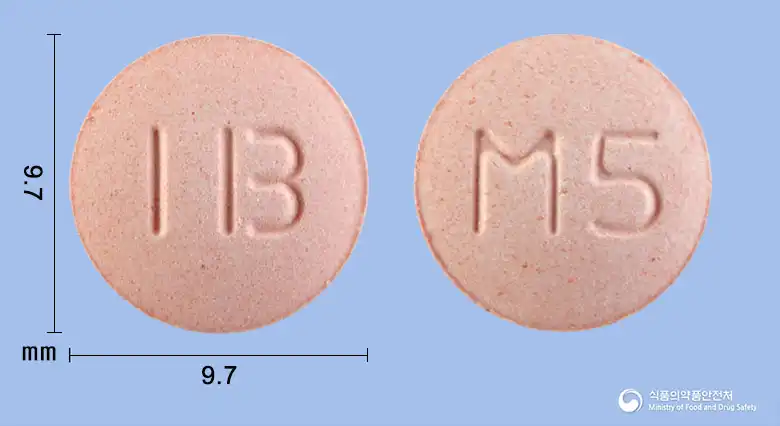
Montelukast 5 mg Chewable Tablets (Montelukast Sodium)
Montelukast Sodium 5.2mg
Chewable Tablet · Prescription medication
Il Yang Biopharm Co., Ltd.
MFDS item code 201602447 · Approved 2016.04.29 · Insurance code 696601220
Prevention of asthma and relief of allergic rhinitis symptoms.
This medication helps to prevent and continuously treat asthma. It is also used to relieve symptoms of seasonal and perennial allergic rhinitis.
This medication is taken once daily; for asthma patients, it is taken in the evening. For allergic rhinitis patients, the dosage time is determined based on the patient's condition. For patients with both asthma and allergic rhinitis, take 1 tablet, 1 packet, or 1 piece in the evening once daily. Administer 1 hour before meals or 2 hours after meals.
Children aged 6 to 14 years should chew 5 mg of montelukast once daily. Administer 1 hour before meals or 2 hours after meals.
This medication contains the artificial sweetener aspartame, so patients with phenylketonuria should avoid it. The daily intake of aspartame should be limited to below the WHO recommended levels, with a maximum of 2.4g for adults. Patients who are allergic to this medication or have genetic issues such as lactose intolerance, lactase deficiency, or glucose-galactose malabsorption should not take it. This medication is not for use during acute asthma attacks, so immediate appropriate emergency treatment should be sought if an asthma attack is severe. Asthma patients should always carry a rescue inhaler while taking this medication. When reducing the dose of inhaled corticosteroids, it should be done gradually under a doctor’s guidance, as sudden changes can be dangerous. Neuropsychiatric symptoms, such as anxiety, depression, and hallucinations, may occur during this medication's use, and if such symptoms arise, immediate consultation with a doctor is necessary. Patients with exercise-induced bronchospasm should not use this medication alone, but in conjunction with inhaled beta-agonists. Patients who are hypersensitive to aspirin or non-steroidal anti-inflammatory drugs should avoid taking these medications simultaneously. Serious side effects such as vasculitis or systemic eosinophilia can occasionally appear in asthma patients, so doctors should closely monitor the patient's condition. There have been no reported significant drug interactions when this medication is used in conjunction with other asthma prevention and treatment medications, but caution is required when used with certain enzyme inducers. Pregnant or breastfeeding women should consult a doctor before taking this medication, and it should be used only when necessary. It is advisable not to use this medication in children under 6 months, as safety and efficacy have not been established. There are no specific antidotes for overdose; general symptomatic treatment and medical observation are necessary. This medication is sensitive to light, so it should not be opened until just before use and should be taken immediately after opening. It should be kept in a safe place out of reach of children, and transferring it to another container should be avoided. This medication should be taken steadily even during symptom-free periods, and if symptoms worsen, a doctor should be consulted. If the use of a rescue inhaler suddenly increases during treatment, notify the doctor immediately and do not stop or change the medication on your own.
Hives, severe swelling (edema), toxic epidermal necrolysis, Stevens-Johnson syndrome, angioedema, thrombocytopenia, increased bleeding frequency, liver abnormalities (increased ALT and AST, cholestatic hepatitis, hepatocellular liver damage, mixed liver damage), systemic eosinophilia, vasculitis, worsening pulmonary symptoms, cardiac complications, neuropathy, severe psychiatric symptoms including suicidal thoughts and actions, seizures, difficulty breathing, and exacerbation of asthma.
Not everyone experiences these, and they can vary from person to person.
This medication should be stored in a tightly sealed container as it is sensitive to air, moisture, and light. It is recommended to maintain the storage temperature between 1 and 30 degrees Celsius to preserve the medication's efficacy for a longer time.
Pink chewable tablets that are round and biconvex on both sides.
28 tablets (7 tablets/PTP packaging x 4)
Even with the same ingredient, strength, dosage form and how it is taken can differ.
Viewing nowMontelukast Sodium 5.2mg
Chewable Tablet · Prescription medication
Il Yang Biopharm Co., Ltd.
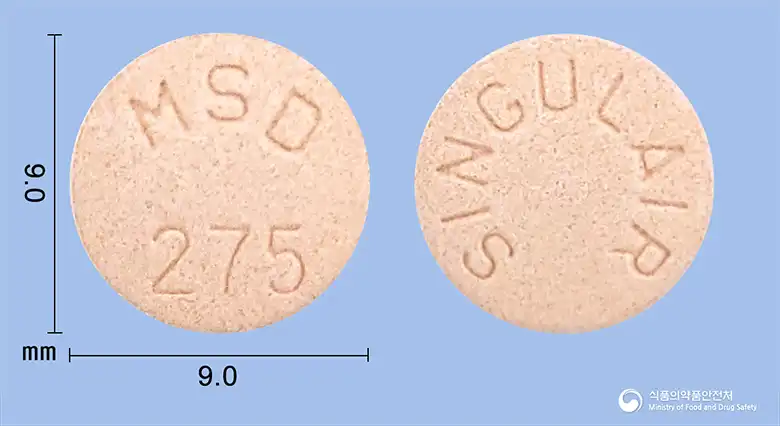
Montelukast Sodium 5.2mg
Chewable Tablet · Prescription medication
Korea Organon Co., Ltd.
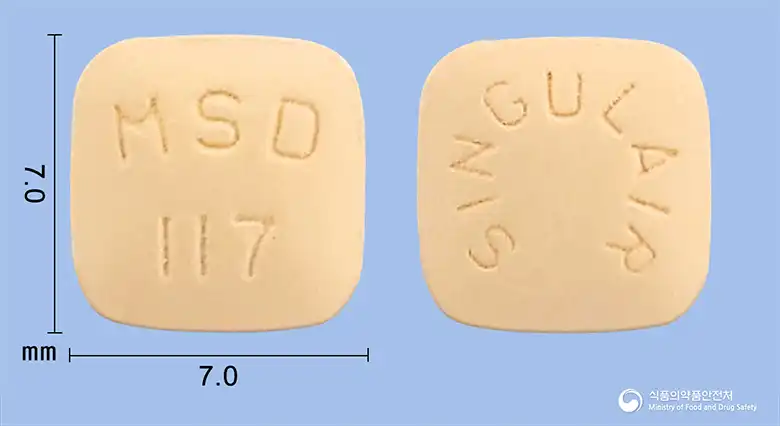
Montelukast Sodium 10.4mg
Tablet · Prescription medication
Korea Organon Co., Ltd.
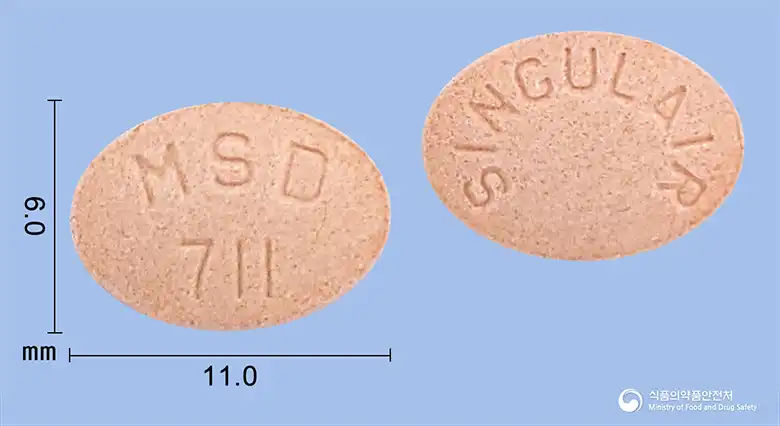
Montelukast Sodium 4.16mg
Chewable Tablet · Prescription medication
Korea Organon Co., Ltd.
Montelukast Sodium 4.16mg
Prescription medication
Korea Organon Co., Ltd.
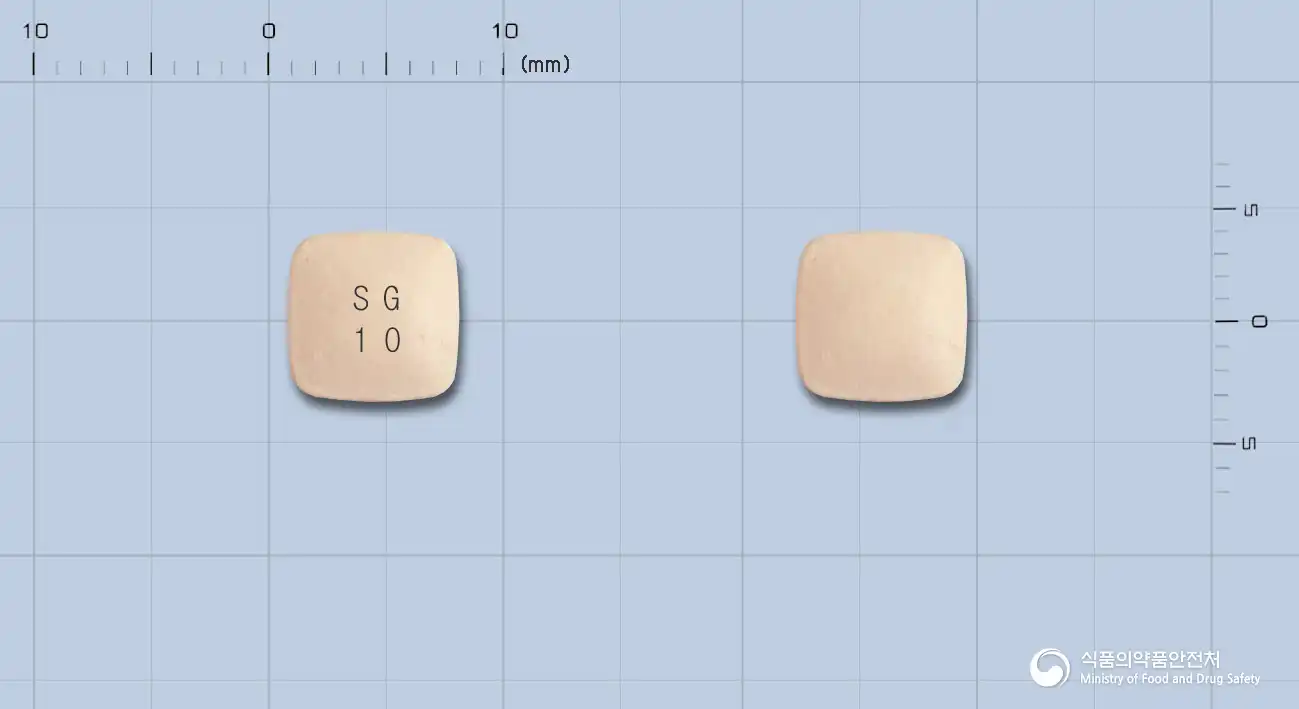
Montelukast Sodium 10.4mg
Tablet · Prescription medication
JW Pharmaceutical Co., Ltd.
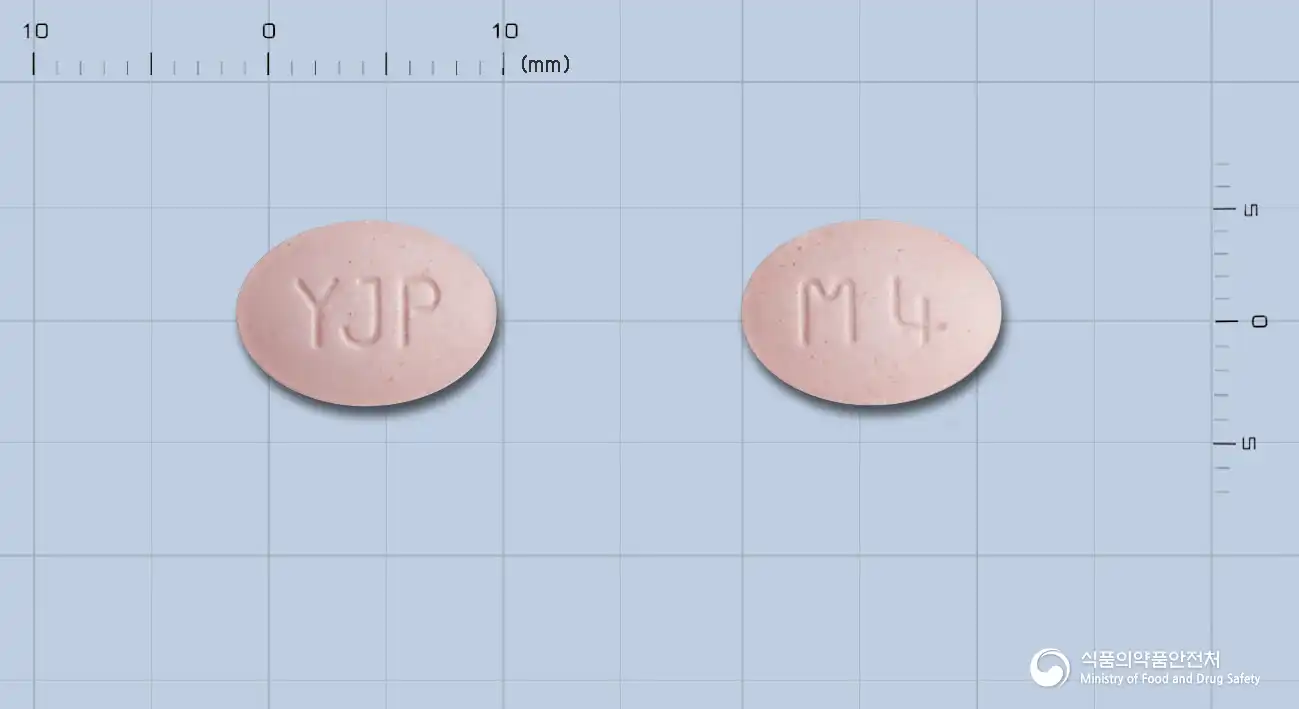
Montelukast Sodium 4.16mg
Chewable Tablet · Prescription medication
Youngjin Pharmaceutical Co., Ltd.
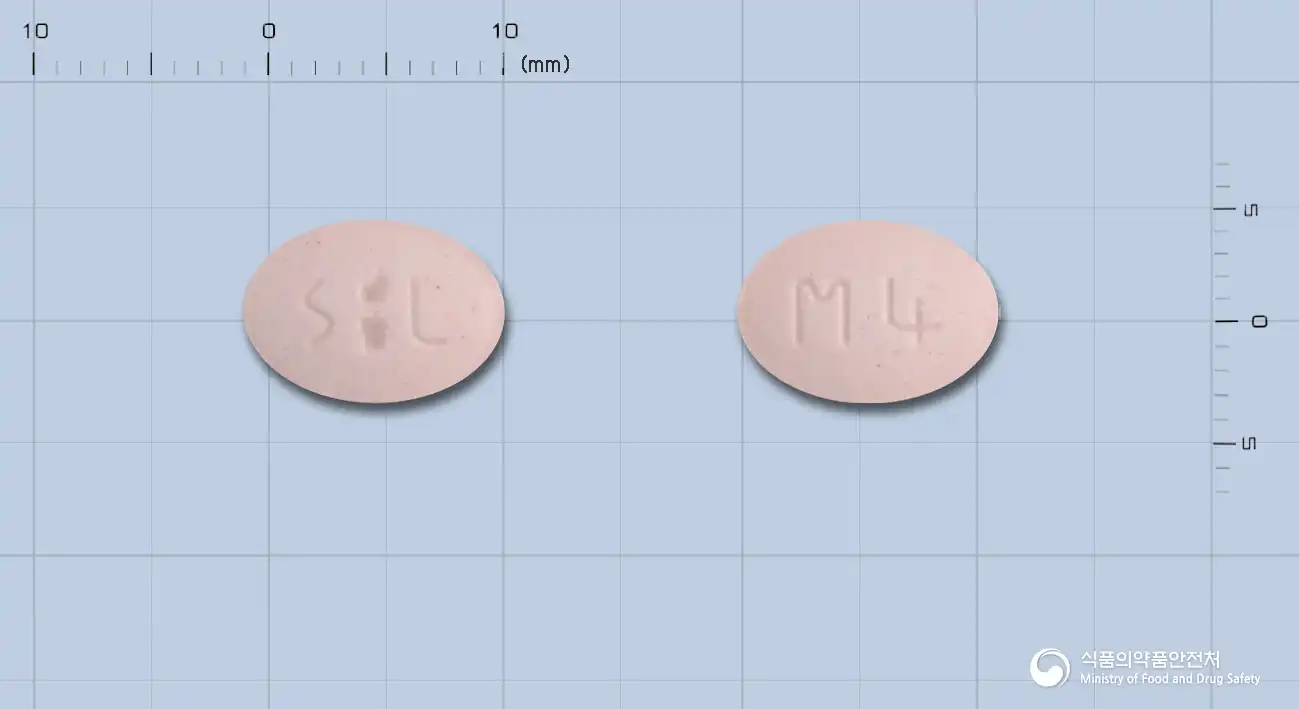
Montelukast Sodium 4.16mg
Chewable Tablet · Prescription medication
Samil Pharmaceutical Co., Ltd.
Even with the same ingredient, the dose and directions can differ by strength and dosage form. Talk to a doctor or pharmacist before switching from a medication you are already taking.
No questions yet.
For anything that needs medical judgment, consult a doctor or pharmacist.
This drug information is based on data provided by the Korea Ministry of Food and Drug Safety.
Consult a doctor or pharmacist for accurate dosage, administration, and usage instructions.