
 한국어
한국어 English
 日本語
日本語 中文(简体)
 Viewing now
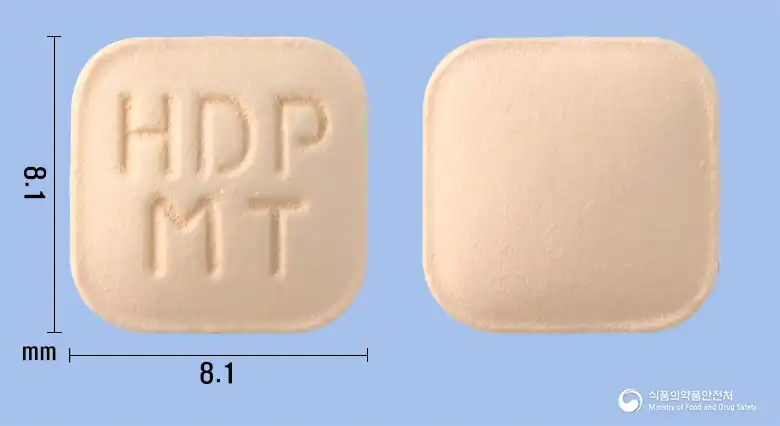
Dilaire Tablet 10 mg (Montelukast Sodium)
Montelukast Sodium 10.4mg
Tablet · Prescription medication
Hyundai Pharmaceutical Co., Ltd.
MFDS item code 201601772 · Approved 2016.04.04
Prevention of asthma and relief of allergic rhinitis symptoms
This medication helps to prevent asthma attacks and aids in long-term management. It is also used to alleviate various symptoms of seasonal and perennial allergic rhinitis.
This medication should be taken once daily, preferably in the evening for asthma patients. For allergic rhinitis patients, the dosing time is determined based on the patient’s condition. Patients with both asthma and allergic rhinitis should take 1 tablet in the evening once daily. Adults and adolescents aged 15 years and older should take 10 mg of montelukast once daily by mouth.
This medication contains the artificial sweetener aspartame, which should be restricted in patients with the genetic disorder phenylketonuria. Aspartame intake should be adjusted to be below the WHO recommended levels, and for adults weighing 60 kg, care should be taken not to exceed a maximum of 2.4 g per day. Patients with hypersensitivity to this drug or its ingredients should not take it. Additionally, since it contains lactose, patients with genetic issues such as galactose intolerance, lactase deficiency, or glucose-galactose malabsorption should avoid this medication. This drug is not to be used as a treatment for acute asthma attacks; separate emergency medications should be used during acute symptoms. Patients should always carry a bronchodilator for emergencies, and the dosage of inhaled corticosteroids can be gradually reduced under a physician’s guidance. If neuropsychiatric symptoms or adverse reactions occur during treatment, immediate consultation with a physician is necessary, and patients with exercise-induced asthma should avoid using this medication alone and continue the use of inhaled beta-agonists. Patients with aspirin hypersensitivity should avoid taking aspirin or non-steroidal anti-inflammatory drugs while on this medication, as it does not treat aspirin-induced bronchoconstriction in patients with aspirin-sensitive asthma. During the course of this medication, patients should not reduce or discontinue the dosage of other asthma medications without consulting their physician, and if symptoms worsen, they must inform their doctor. It is essential to consult a physician if pregnant or breastfeeding, and safety and efficacy have not been established for pediatric patients, especially infants under 6 months. This medication is light-sensitive; therefore, it should be opened just before use and taken immediately after dispensing, while stored out of reach of children. In case of overdose, there are no specific antidotes, so general symptomatic treatment and clinical monitoring are needed. If any adverse reactions or discomfort occur during treatment, it is important to consult healthcare personnel immediately.
Not everyone experiences these, and they can vary from person to person.
This medication should be stored in a tightly closed container to protect it from air, moisture, and light, and it is important to maintain a storage temperature between 1 degree and 30 degrees Celsius (room temperature). Storing it this way can help maintain the medication's effectiveness and prevent deterioration.
Beige film-coated tablet with rounded edges in a rectangular shape
28 tablets (7 tablets/PTP packaging x 4)
Even with the same ingredient, strength, dosage form and how it is taken can differ.
Viewing nowMontelukast Sodium 10.4mg
Tablet · Prescription medication
Hyundai Pharmaceutical Co., Ltd.
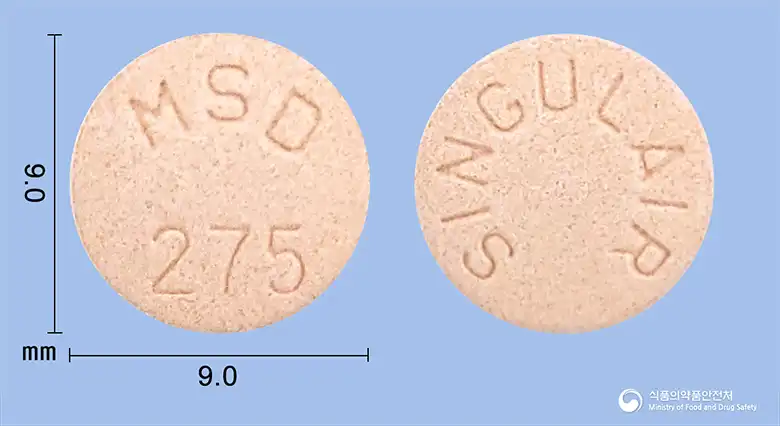
Montelukast Sodium 5.2mg
Chewable Tablet · Prescription medication
Korea Organon Co., Ltd.
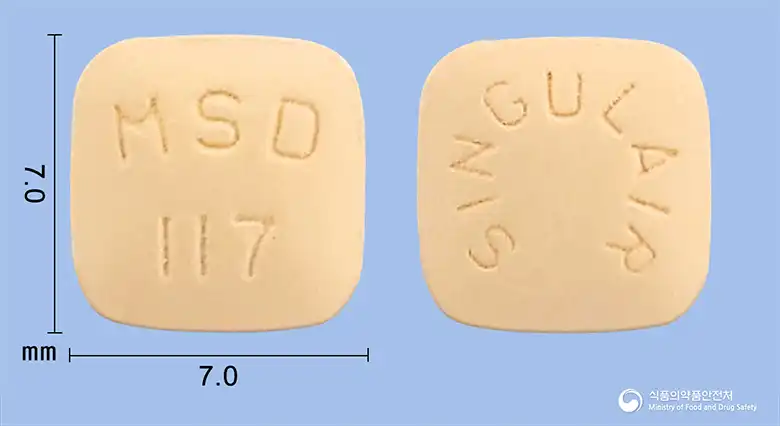
Montelukast Sodium 10.4mg
Tablet · Prescription medication
Korea Organon Co., Ltd.
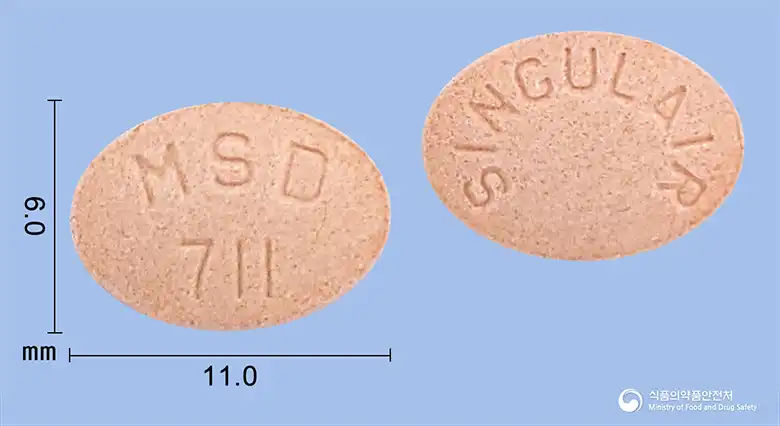
Montelukast Sodium 4.16mg
Chewable Tablet · Prescription medication
Korea Organon Co., Ltd.
Montelukast Sodium 4.16mg
Prescription medication
Korea Organon Co., Ltd.
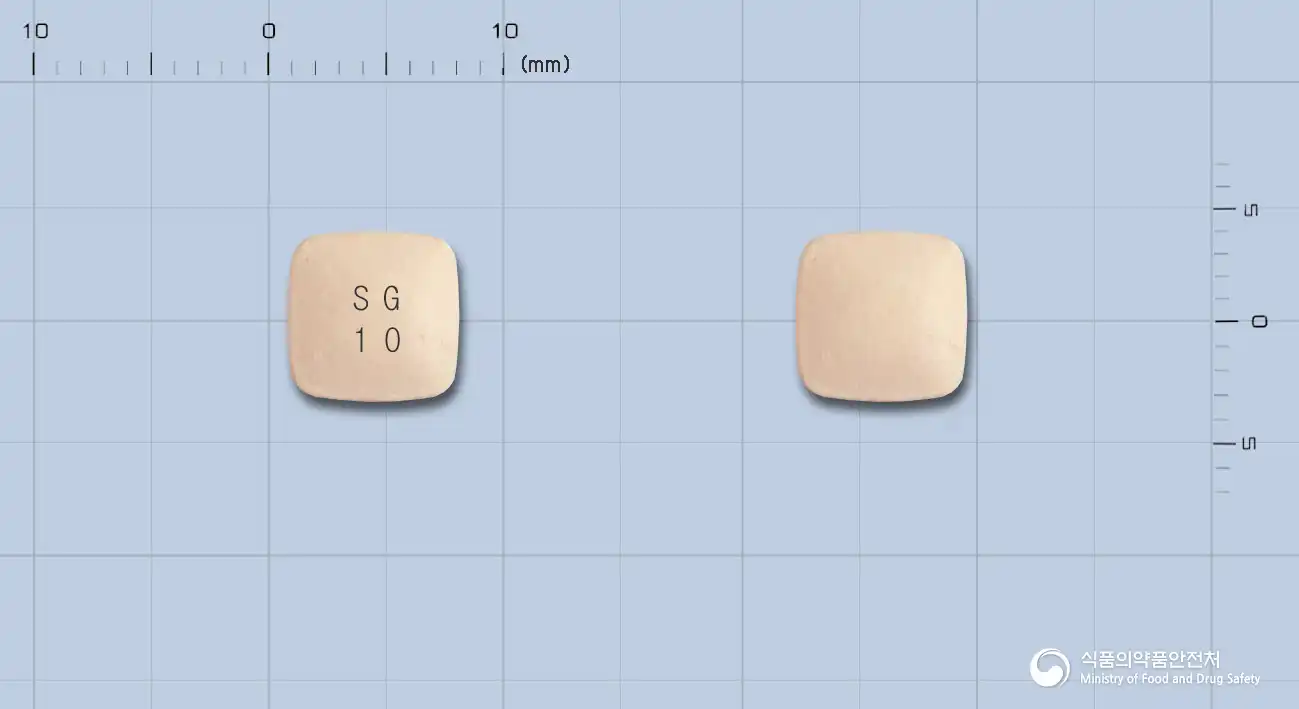
Montelukast Sodium 10.4mg
Tablet · Prescription medication
JW Pharmaceutical Co., Ltd.
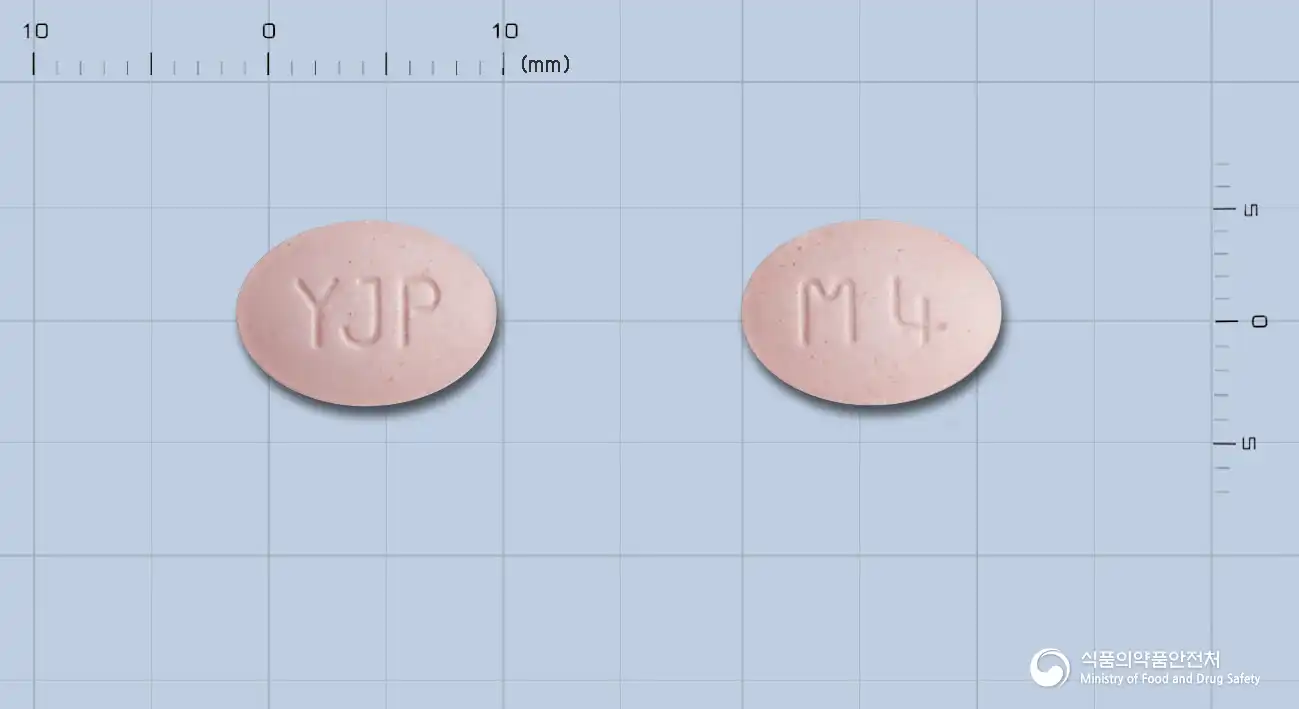
Montelukast Sodium 4.16mg
Chewable Tablet · Prescription medication
Youngjin Pharmaceutical Co., Ltd.
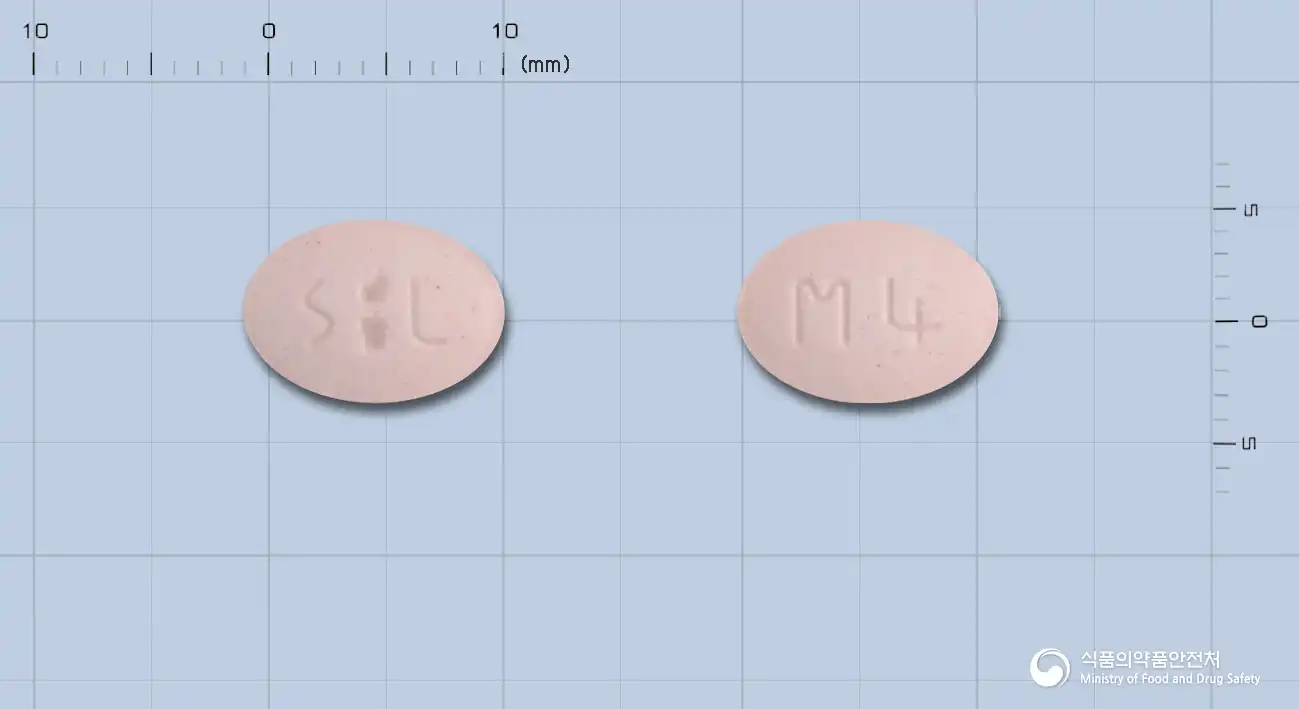
Montelukast Sodium 4.16mg
Chewable Tablet · Prescription medication
Samil Pharmaceutical Co., Ltd.
Even with the same ingredient, the dose and directions can differ by strength and dosage form. Talk to a doctor or pharmacist before switching from a medication you are already taking.
No questions yet.
For anything that needs medical judgment, consult a doctor or pharmacist.
This drug information is based on data provided by the Korea Ministry of Food and Drug Safety.
Consult a doctor or pharmacist for accurate dosage, administration, and usage instructions.