
 한국어
한국어 English
 日本語
日本語 中文(简体)
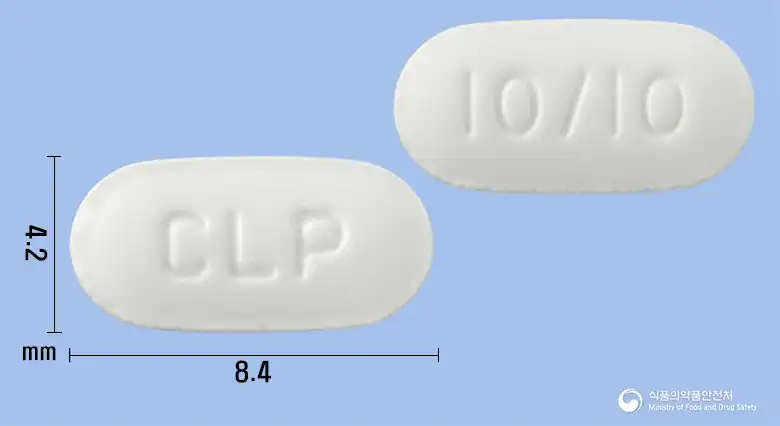 Viewing nowCombination
Baisib Tablets 10/10 mg
Ezetimibe 10mg · Simvastatin 10mg
Tablet · Prescription medication · Combination
Celltrion Pharmaceutical Co., Ltd.
MFDS item code 201601731 · Approved 2016.03.31 · Insurance code 693902150
Lipid control effect through reduction of LDL cholesterol and increase of HDL cholesterol in hypercholesterolemia (primary, homozygous familial) and mixed hyperlipidemia.
This medication effectively lowers cholesterol and triglyceride levels in patients with primary hypercholesterolemia and mixed hyperlipidemia, and helps raise levels of good cholesterol (HDL). It is used in combination with a diet for patients with familial hypercholesterolemia or as an adjuvant therapy when other treatments are not effective. Additionally, it supports cardiovascular health when used with appropriate dietary management in patients at high risk for atherosclerotic vascular disease. Before use, one should evaluate for underlying secondary causes such as diabetes and hypothyroidism, and treat those conditions if necessary. To assess treatment efficacy, cholesterol and triglyceride levels should be monitored regularly. In summary, this drug is used for treating hypercholesterolemia and helps improve blood lipid levels.
This medication should be taken once daily in the evening without regard to meals. For patients with primary hypercholesterolemia, the dosage range is 10/10 mg to 10/40 mg daily, with the generally recommended starting dose being 10/20 mg per day. Patients who need less reduction in LDL cholesterol may start at 10/10 mg once daily. The recommended dose for patients with homozygous familial hypercholesterolemia is 10/40 mg once daily.
This drug has the potential to cause muscle-related disorders such as myopathy and rhabdomyolysis. Myopathy may present with muscle pain and weakness, and in severe cases, may lead to renal damage, thus caution is warranted. The risk is particularly heightened when taken at high doses or in conjunction with certain medications. This drug should not be used in patients who are allergic to its ingredients, severely impaired liver function, pregnant or breastfeeding women. Additionally, patients with a genetic problem concerning lactose in this drug should not take it. Patients with severe muscle weakness or ocular myasthenia gravis should use this drug cautiously and discontinue immediately if symptoms worsen. Patients on this medication should consult their doctor immediately if they experience muscle pain, weakness, tenderness, etc., and should verify their condition through muscle enzyme tests if necessary. Patients with liver dysfunction should have regular liver function tests before and during the use of this drug; if liver damage symptoms arise, administration should be halted immediately. This drug may interact with several other medications, so if you are taking other medications, you must inform your doctor or pharmacist. The risk of myopathy increases when used with specific antifungals, antibiotics, antivirals, anticoagulants, calcium channel blockers, thus caution is advised. Women who are planning to become pregnant or are of childbearing potential must consult healthcare professionals before taking this drug, and should discontinue immediately if pregnancy is confirmed. Women who are breastfeeding should also refrain from nursing while taking this drug. For children and adolescents, sufficient data regarding safety and efficacy of this drug is lacking, thus it is not recommended for children under 10 years of age. Elderly patients require special caution and should discuss potential adverse reactions with healthcare professionals. In cases of overdose, there is no specific antidote, so one must seek immediate medical care for appropriate treatment. This drug may cause rare respiratory side effects like interstitial lung disease during long-term use. Therefore, if difficulty breathing or persistent cough occurs, consult a doctor immediately. Lastly, it is important to monitor liver function and muscle condition through regular blood tests and clinical assessments during the course of this treatment.
Hives, severe swelling (edema), anaphylaxis, angioedema, Stevens-Johnson syndrome, toxic epidermal necrolysis (Lyell's syndrome), erythema multiforme, severe allergic reactions, severe skin adverse reactions, myopathy, rhabdomyolysis, elevated liver aminotransferase levels, hepatitis, liver abnormalities (jaundice), cholelithiasis, cholecystitis, pancreatitis, severe edema, significantly reduced urine output, severe edema or urinary disturbances.
Not everyone experiences these, and they can vary from person to person.
This drug is sensitive to air and moisture, so it should be stored in a sealed container. The recommended storage temperature is between 1 to 30 degrees Celsius.
A white to light yellow, double convex, rectangular tablet
30 tablets (10 tablets/PTP packaging x 3)
Even with the same ingredient, strength, dosage form and how it is taken can differ.
Viewing nowCombinationEzetimibe 10mg · Simvastatin 10mg
Tablet · Prescription medication · Combination
Celltrion Pharmaceutical Co., Ltd.
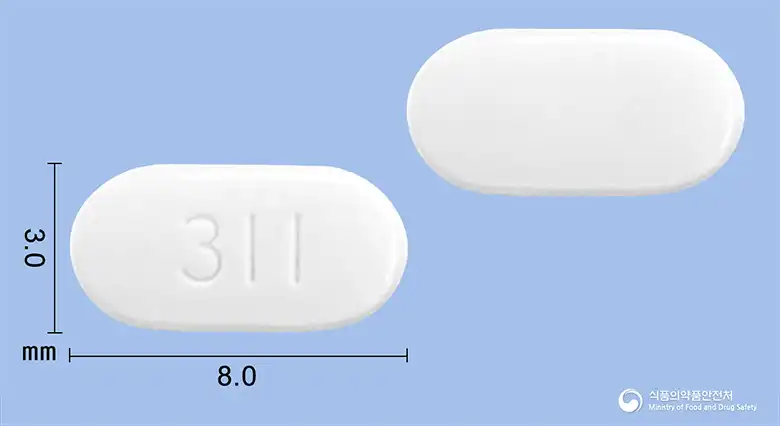 Combination
Simvastatin 10mg · Ezetimibe 10mg
Tablet · Prescription medication · Combination
Korea Organon Co., Ltd.
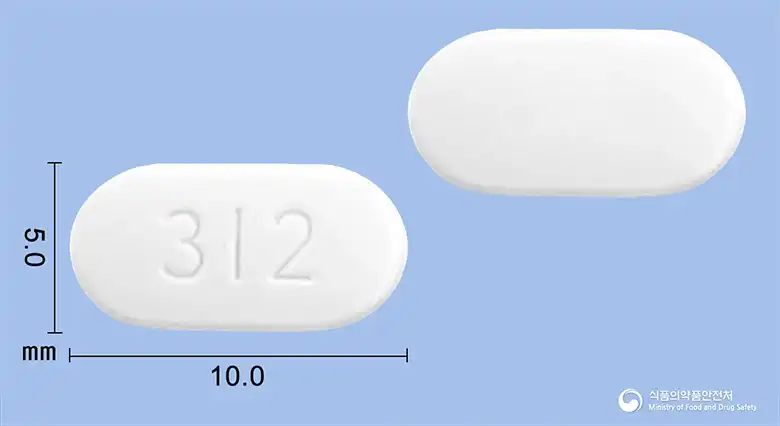 Combination
Simvastatin 20mg · Ezetimibe 10mg
Tablet · Prescription medication · Combination
Korea Organon Co., Ltd.
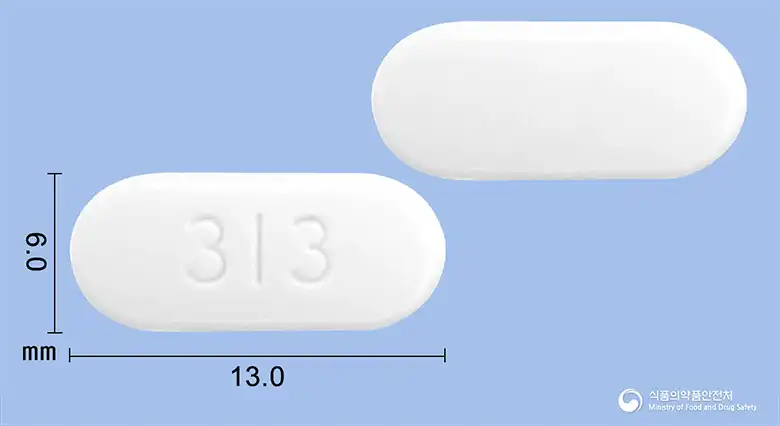 Combination
Simvastatin 40mg · Ezetimibe 10mg
Tablet · Prescription medication · Combination
Korea Organon Co., Ltd.
Ezetimibe 10mg · Simvastatin 10mg
Tablet · Prescription medication · Combination
Boryung Pharmaceutical Co., Ltd.
Ezetimibe 10mg · Simvastatin 20mg
Tablet · Prescription medication · Combination
Boryung Pharmaceutical Co., Ltd.
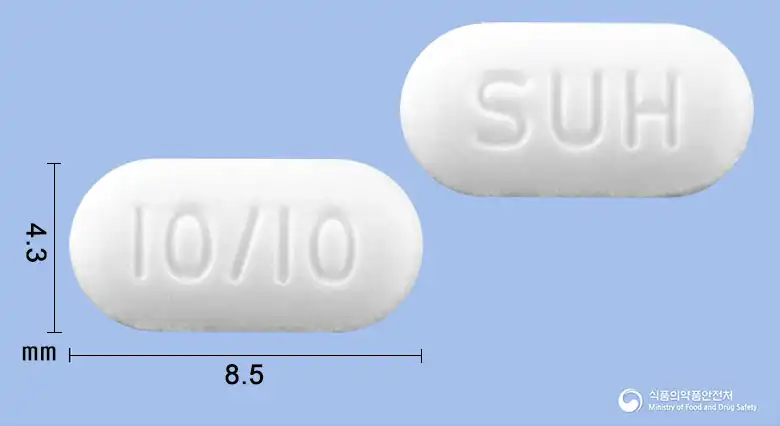 Combination
Ezetimibe 10mg · Simvastatin 10mg
Tablet · Prescription medication · Combination
Suhung Co., Ltd.
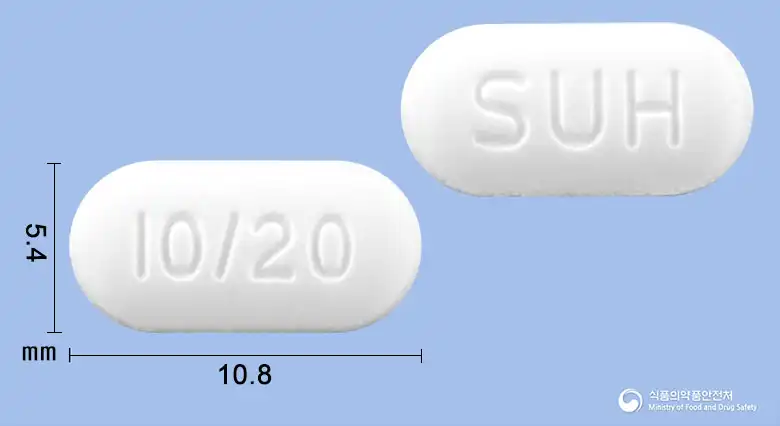 Combination
Ezetimibe 10mg · Simvastatin 20mg
Tablet · Prescription medication · Combination
Seohung Co., Ltd.
Even with the same ingredient, the dose and directions can differ by strength and dosage form. Talk to a doctor or pharmacist before switching from a medication you are already taking.
No questions yet.
For anything that needs medical judgment, consult a doctor or pharmacist.
This drug information is based on data provided by the Korea Ministry of Food and Drug Safety.
Consult a doctor or pharmacist for accurate dosage, administration, and usage instructions.