
 한국어
 English
 日本語
 中文(简体)
 Viewing now
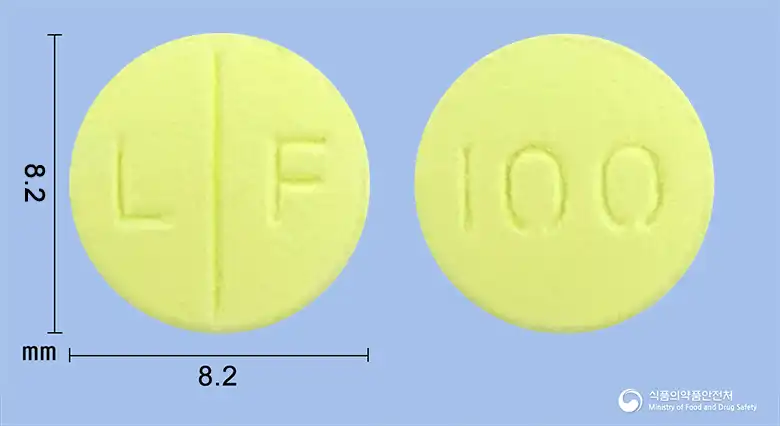
Lomefloxacin 100mg Tablet (Lomefloxacin Hydrochloride)
Lomefloxacin Hydrochloride 110.4mg
Tablet · Prescription medication
Kolon Pharmaceutical Co., Ltd.
MFDS item code 201601702 · Approved 2016.03.30 · Insurance code 670304020
Treatment of genitourinary, respiratory, ear, nose and throat, skin, intestinal, ocular, and dental infections
This medication is used for various infectious diseases caused by diverse bacteria. It is particularly effective for skin infections such as folliculitis, pustular acne, and soft tissue infections, as well as for respiratory infections including acute exacerbation of chronic obstructive pulmonary disease, community-acquired pneumonia, and lung abscesses. Additionally, it is indicated for genitourinary infections like acute uncomplicated pyelonephritis, bacterial prostatitis, and gonococcal urethritis, as well as for gynecological infections such as pelvic inflammatory disease and Bartholinitis. Furthermore, it is effective for ophthalmologic infections like blepharitis and styes, and otolaryngological infections such as otitis media and sinusitis. This drug also has therapeutic effects on dental infections including periodontitis and alveolar abscess; it is particularly used limitatively for acute exacerbations of chronic obstructive pulmonary disease, uncomplicated urinary tract infections, and acute otitis media when no other treatment options are available. Thus, this medication effectively aids patients in alleviating their infection symptoms.
1. Administer lomefloxacin orally at a dose of 100 ~ 200 mg 2 ~ 3 times daily. 2. However, for acute exacerbations of chronic obstructive pulmonary disease, including chronic bronchitis, the usual adult dose of this medicine is 400 mg once daily, taken orally with or without food. The duration of treatment varies depending on the severity of infection, but is usually up to 14 days; treatment should continue for at least 2 days after the symptoms of infection have resolved. 3. Patients with renal impairment 1) Patients with a creatinine clearance of less than 30 mL/min: Administer this medicine as a single initial dose of 400 mg, followed from the next day by 200 mg once daily. 2) Patients on hemodialysis: Administer this medicine as an initial dose of 400 mg, followed from the next day by 200 mg once daily. 3) No dose adjustment is necessary in patients with hepatic impairment; adjust the dose according to renal function.
This medication may cause serious side effects such as tendonitis or tendon rupture, peripheral neuropathy, and central nervous system disorders; if such symptoms occur, discontinuation should be immediate. Patients with myasthenia gravis may experience exacerbation of symptoms, so this drug is not used. It should be used only when no other treatment options are available for acute bacterial sinusitis, acute exacerbations of chronic bronchitis, uncomplicated urinary tract infections, and acute otitis media. Caution should be exercised for elderly patients, those with impaired renal function, and patients taking corticosteroids, as they are at increased risk for tendon rupture. This medication should not be administered to those allergic to quinolone antibiotics, or to children, pregnant women, nursing mothers, or those with a history of tendonitis or tendon rupture. Special caution is advised for patients with a history of epilepsy, renal impairment, aortic disease, or heart valve disease. Various side effects such as allergic reactions, skin rashes, gastrointestinal disturbances, neurological symptoms, blood disorders, and cardiac side effects may occur, so any unusual symptoms should prompt immediate consultation with a healthcare professional. Prolonged exposure to sunlight can cause skin sensitivity, so it is advisable to avoid strong sunlight or artificial UV exposure. Caution is also warranted during driving or operating machinery, as dizziness or drowsiness may occur. Diabetic patients requiring blood sugar control should carefully monitor changes in blood sugar levels and seek immediate treatment if hypoglycemic symptoms arise. There may be drug interactions, so it is important to inform healthcare providers if taking anticoagulants, nonsteroidal anti-inflammatory drugs, antacids, etc. Pregnant or nursing women should not take this medication, and if already in use, breastfeeding should be discontinued. The safety of this drug has not been established in pediatric and adolescent populations. In the event of an overdose, measures such as inducing vomiting or gastric lavage may be required, so strict adherence to prescribed dosages is crucial. During the course of treatment with this medication, it is important to consult with a healthcare professional immediately if any unusual symptoms appear.
Not everyone experiences these, and they can vary from person to person.
This medication is sensitive to light and should be stored in a container that does not allow light in. It is also recommended to store it at room temperature between 1 degree and 30 degrees Celsius. This helps maintain the drug's efficacy and safety.
Yellow circular film-coated tablet
30 tablets/bottle, 100 tablets/bottle
Even with the same ingredient, strength, dosage form and how it is taken can differ.
Viewing nowLomefloxacin Hydrochloride 110.4mg
Tablet · Prescription medication
Kolon Pharmaceutical Co., Ltd.
Lomefloxacin Hydrochloride
Prescription medication
KOLON PHARMA Co., Ltd.
Lomefloxacin Hydrochloride
Prescription medication
JW Pharmaceutical Corp.
Lomefloxacin Hydrochloride 220.8mg
Tablet · Prescription medication
Hanlim Pharmaceutical Co., Ltd.
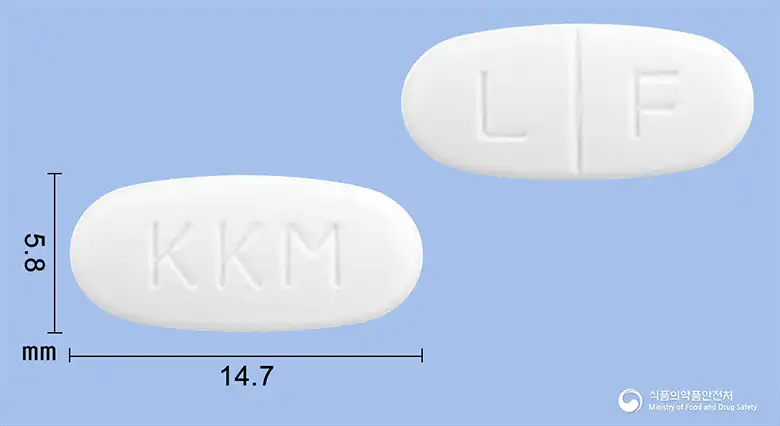
Lomefloxacin Hydrochloride 441.6mg
Tablet · Prescription medication
Genewon Science Co., Ltd.
Lomefloxacin Hydrochloride
Prescription medication
Teragen Itex Co., Ltd.
Lomefloxacin Hydrochloride
Prescription medication
Austin Pharma Co., Ltd.
Even with the same ingredient, the dose and directions can differ by strength and dosage form. Talk to a doctor or pharmacist before switching from a medication you are already taking.
No questions yet.
For anything that needs medical judgment, consult a doctor or pharmacist.
This drug information is based on data provided by the Korea Ministry of Food and Drug Safety.
Consult a doctor or pharmacist for accurate dosage, administration, and usage instructions.