
 한국어
 English
 日本語
 中文(简体)
 Viewing now
Estene Capsule 300 mg (Erdosteine)
Erdosteine 300mg
Hard capsule · OTC medication
Daehan New Pharm Co., Ltd.
MFDS item code 201601614 · Notified 2016.03.25 · Insurance code 669906660
Improvement of sputum expectoration in acute and chronic respiratory diseases
This medication helps reduce excessive mucus secretion caused by acute and chronic respiratory diseases and makes mucus softer for easy expulsion. This helps maintain airway cleanliness and facilitates breathing. It is particularly effective in alleviating the discomfort caused by thick mucus during coughing. It supports patients in breathing more comfortably and aids in improving respiratory disease symptoms. This medicine is used for the treatment of acute and chronic respiratory diseases.
Adults: The usual dose is 300 mg of erdosteine orally 2–3 times daily. When administered for acute respiratory disease, do not administer continuously for more than 10 days.
This medication should not be used in certain patients. Patients allergic to this medicine or its ingredients should not take it. Patients with liver cirrhosis or cystathionine synthase deficiency should avoid this medication, as its metabolites may interfere with methionine metabolism. Patients with peptic ulcers are also advised not to use this medicine. Patients with severe renal impairment, especially those with a creatinine clearance of less than 25 mL/min, should not take this medication. Patients with severe liver impairment should also refrain from using this medication. Mild to moderate liver impairment patients should exercise caution when using this medication. This medicine should not be taken in doses exceeding 300 mg per day. Additionally, it contains a pigment called yellow No. 5, so patients who are allergic to or have had hypersensitivity reactions to this ingredient should take this medication with caution. In cases of overdose, symptoms such as sweating, dizziness, and facial flushing may occur. Headaches may arise while taking this medication. Cold symptoms or respiratory distress may also occur, so caution is advised. Gastrointestinal symptoms may include taste disturbances, nausea, vomiting, diarrhea, upper abdominal pain, abdominal pain, and heartburn. Skin allergic reactions such as urticaria, erythema, and eczema may appear. Post-marketing surveillance in Korea has reported fatigue, indigestion, abdominal pain, gastrointestinal disorders, diarrhea, vomiting, headaches, acid reflux symptoms, erythema nodosum, palpitations, facial swelling, general edema, itching, weakness, confusion, rashes, although the relationship with this medication is not clear. As this medication is an expectorant, taking it with cough syrup may increase the risk of bronchial infection due to difficulty in expelling phlegm from the bronchial passages and may result in bronchospasm; thus, caution should be observed. Women who are pregnant or may become pregnant, as well as breastfeeding women, are advised not to take this medication as its safety has not been established. This medicine should be stored out of reach of children. Additionally, transferring the medication to another container could lead to accidents or negatively affect the quality of the medicine, so care should be taken.
Not everyone experiences these, and they can vary from person to person.
This medication may interact when taken with cough medications, so consultation with a doctor or pharmacist is recommended.
This medication must be stored in a tightly sealed container to avoid exposure to air or moisture. It is important to maintain a storage temperature between 1 degree and 30 degrees Celsius at room temperature. This way, the efficacy of the medication can be safely preserved.
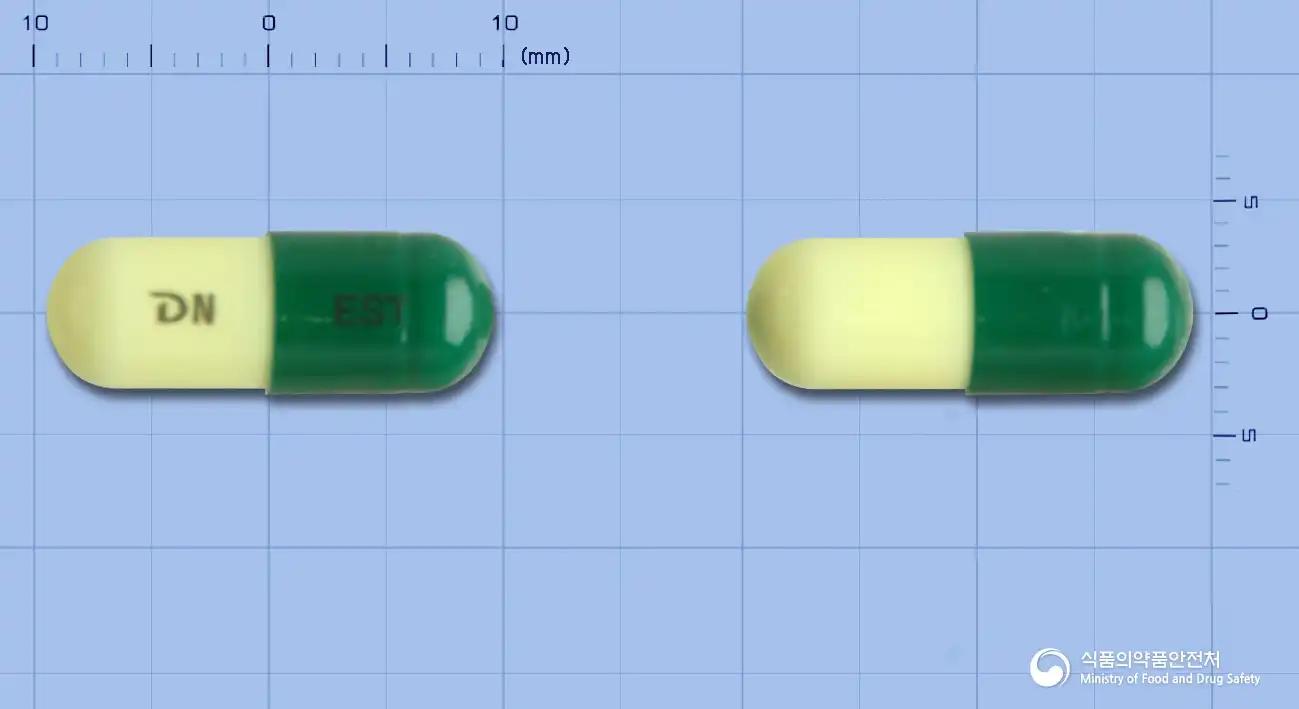
A hard capsule with a green upper part and a yellowish lower part containing a white powder.
30 capsules/bottle, 500 capsules/bottle
Even with the same ingredient, strength, dosage form and how it is taken can differ.
Viewing nowErdosteine 300mg
Hard capsule · OTC medication
Daehan New Pharm Co., Ltd.
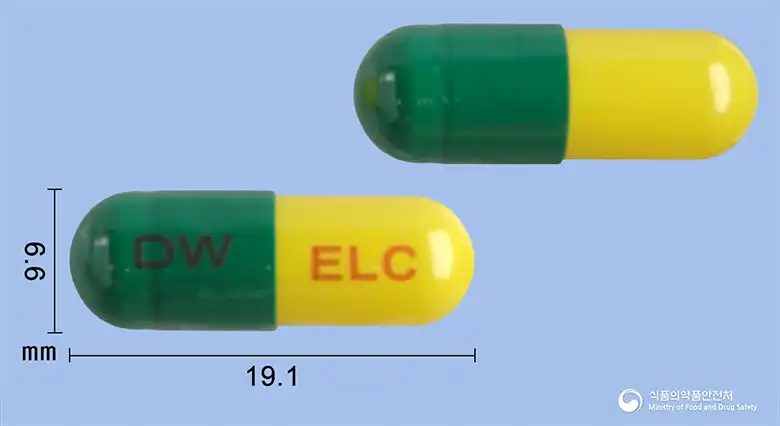
Erdosteine 300mg
Hard capsule · OTC medication
(Co., Ltd.) Daewoong Pharmaceutical
Erdosteine 7g
Suspension · Prescription medication
(Co., Ltd.) Daewoong Pharmaceutical

Erdosteine 300mg
Hard capsule · OTC medication
(Co., Ltd.) Jongkundang
Erdosteine 7000mg
Suspension · Prescription medication
Jongkundang Co., Ltd.

Erdosteine 300mg
Hard capsule · OTC medication
Kukje Pharmaceutical Co., Ltd.

Erdosteine 300mg
Hard capsule · OTC medication
Ildong Pharmaceutical Co., Ltd.
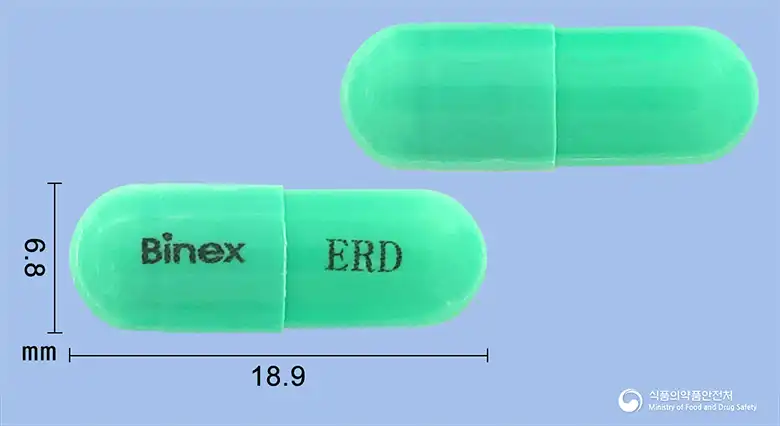
Erdosteine 300mg
Hard capsule · OTC medication
Bionex Co., Ltd.
Even with the same ingredient, the dose and directions can differ by strength and dosage form. Talk to a doctor or pharmacist before switching from a medication you are already taking.
No questions yet.
For anything that needs medical judgment, consult a doctor or pharmacist.
This drug information is based on data provided by the Korea Ministry of Food and Drug Safety.
Consult a doctor or pharmacist for accurate dosage, administration, and usage instructions.