
 한국어
한국어 English
 日本語
日本語 中文(简体)
 Viewing now
Montelo 10 mg (Montelukast Sodium)
Montelukast Sodium 10.4mg
Tablet · Prescription medication
Hana Pharmaceutical Co., Ltd.
MFDS item code 201601511 · Approved 2016.03.15 · Insurance code 657805960
Prevention of asthma and relief from allergic rhinitis symptoms
This medication helps to prevent the occurrence of asthma and to treat asthma continuously. It is also effective in alleviating symptoms of allergic rhinitis that occur seasonally and year-round. Therefore, it is a medication used for the management of asthma and allergic rhinitis.
This medication is taken once daily, but asthma patients should take it in the evening. Allergic rhinitis patients should determine the time of administration according to their condition. Patients with both asthma and allergic rhinitis should take 1 tablet in the evening, once daily. Adults and adolescents over 15 years old should take 10 mg orally once daily as Montelukast.
This medication contains the artificial sweetener aspartame, which is broken down into phenylalanine in the body. Therefore, patients with the genetic disorder phenylketonuria should not take this medication. Additionally, aspartame's daily intake is limited depending on body weight, so it should be adjusted to use the minimum amount possible. Patients with hypersensitivity to this drug, as well as those with genetic conditions such as lactose intolerance, lactose enzyme deficiency, and glucose-galactose absorption disorders should not take this medication, as it contains lactose. During the use of this medication, various adverse reactions can occur, including fatigue, headache, dyspepsia, cough, and rash have been reported. In particular, safety and tolerability were evaluated through clinical trials in patients with asthma or allergic rhinitis, and there was no significant change in the incidence of adverse reactions even with long-term use. This medication is not to be used for acute asthma attacks, so separate emergency medications must be kept on hand in emergency situations. When used in conjunction with inhaled corticosteroids, dosage should be gradually adjusted according to a doctor's instructions, and sudden switching from other steroid medications to this drug is not allowed. During the use of this medication, neuropsychiatric symptoms such as anxiety, depression, and hallucinations may appear, so patients or guardians must inform a doctor immediately if such changes occur. Patients with a hypersensitivity to aspirin should avoid using aspirin or nonsteroidal anti-inflammatory drugs while taking this medication, as it is uncertain whether this medication can treat bronchoconstriction in patients with aspirin-sensitive asthma. Rarely, patients treated with this medication may develop systemic eosinophilia and vasculitis symptoms, so physicians should closely monitor the patient's condition. No specific interactions have been reported when used with other medications, but clinical monitoring is required if taken with drugs inducing liver metabolism. During pregnancy, it should only be taken when clearly necessary, and caution is also needed when breastfeeding. It is also safe for use in children and the elderly, but proper dosage and administration methods according to age must be followed. In cases of overdose, there are no specific antidotes, so general symptomatic treatment and clinical observation are necessary. This medication is sensitive to light, so it should be taken immediately after opening and stored out of reach of children. During treatment, if asthma symptoms worsen or the use of rescue inhalers increases, consultation with a doctor is essential, and other asthma medications should not be reduced or stopped without a physician's instructions.
Urticaria, angioedema, toxic epidermal necrolysis, Stevens-Johnson syndrome, hypersensitivity (anaphylaxis), severe rash with high fever, blisters, skin peeling, pain of mucous membranes of the mouth/eyes, severe allergic reaction, difficulty breathing, pulmonary eosinophilia, vasculitis with clinical symptoms similar to Churg-Strauss syndrome, systemic eosinophilia, vasculitic rash, pulmonary symptom exacerbation, cardiac complications, neuropathy, suicidal ideation and
Not everyone experiences these, and they can vary from person to person.
This medication can be susceptible to air or moisture, so it should be stored in a sealed container. It is also best to store it in a cool place away from direct sunlight, at room temperature between 1°C and 30°C.
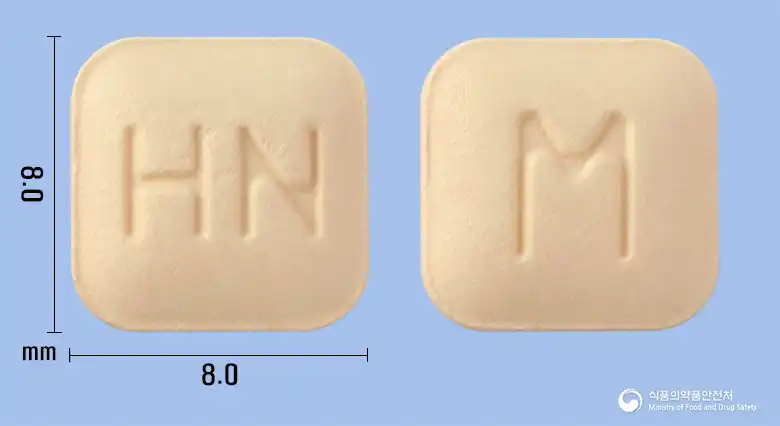
Beige colored film-coated tablets in a rounded square shape
28 tablets/box [7 tablets/PTP X 4]
Even with the same ingredient, strength, dosage form and how it is taken can differ.
Viewing nowMontelukast Sodium 10.4mg
Tablet · Prescription medication
Hana Pharmaceutical Co., Ltd.
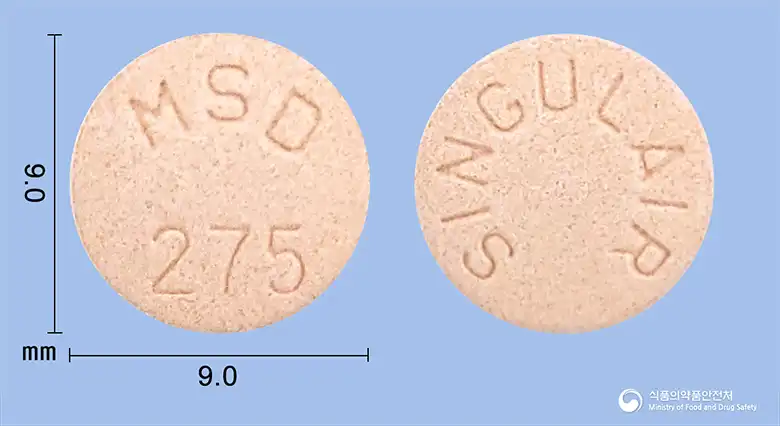
Montelukast Sodium 5.2mg
Chewable Tablet · Prescription medication
Korea Organon Co., Ltd.
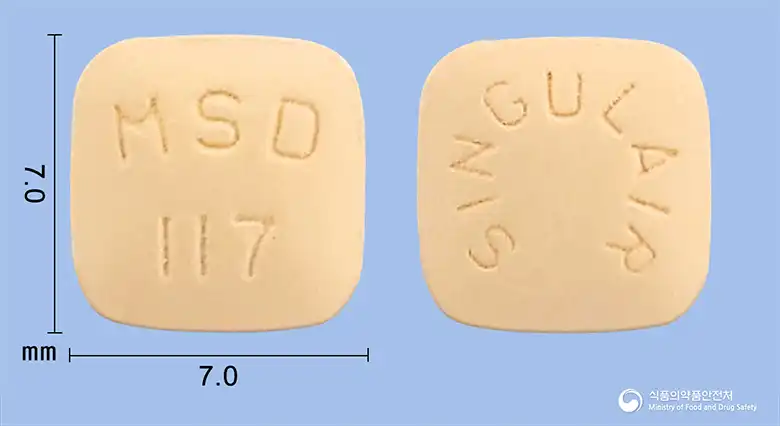
Montelukast Sodium 10.4mg
Tablet · Prescription medication
Korea Organon Co., Ltd.
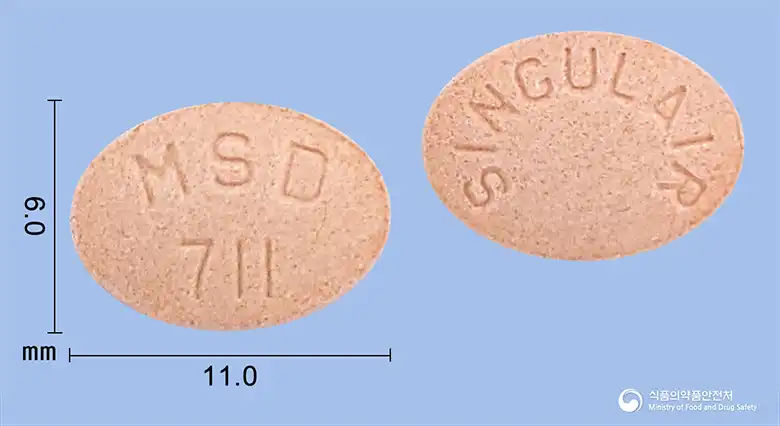
Montelukast Sodium 4.16mg
Chewable Tablet · Prescription medication
Korea Organon Co., Ltd.
Montelukast Sodium 4.16mg
Prescription medication
Korea Organon Co., Ltd.
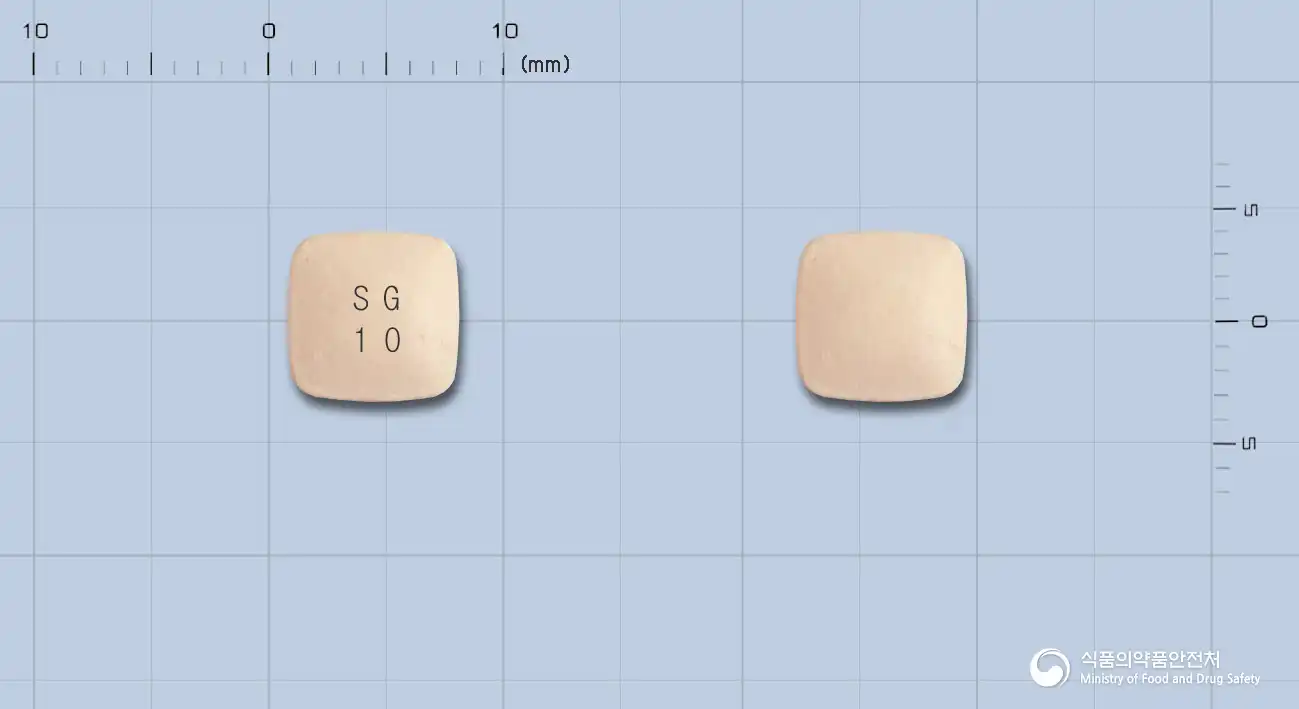
Montelukast Sodium 10.4mg
Tablet · Prescription medication
JW Pharmaceutical Co., Ltd.
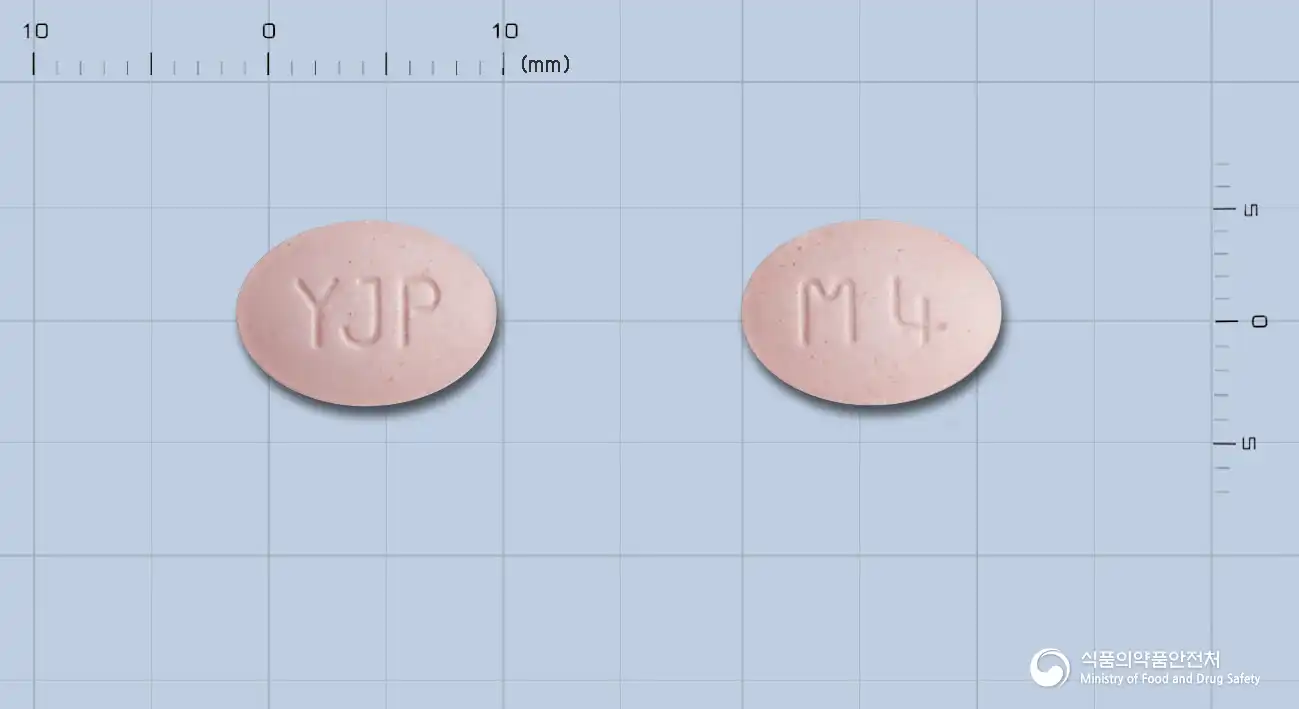
Montelukast Sodium 4.16mg
Chewable Tablet · Prescription medication
Youngjin Pharmaceutical Co., Ltd.
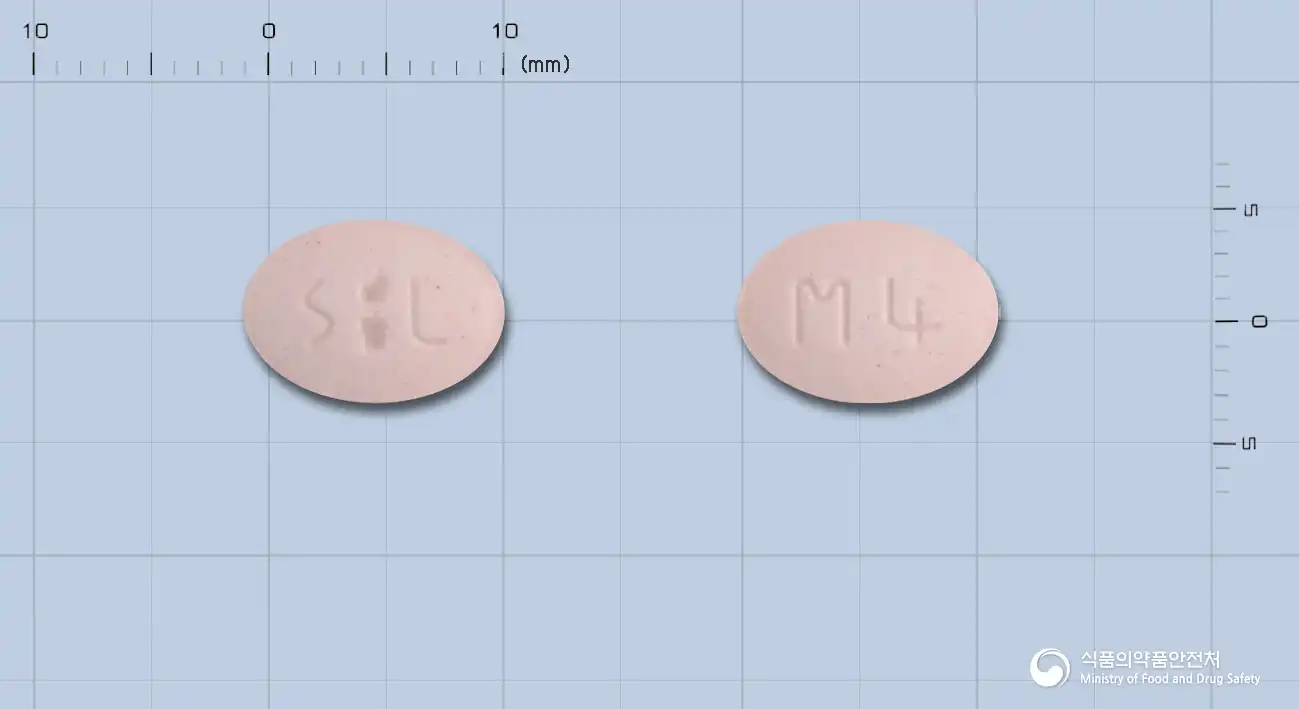
Montelukast Sodium 4.16mg
Chewable Tablet · Prescription medication
Samil Pharmaceutical Co., Ltd.
Even with the same ingredient, the dose and directions can differ by strength and dosage form. Talk to a doctor or pharmacist before switching from a medication you are already taking.
No questions yet.
For anything that needs medical judgment, consult a doctor or pharmacist.
This drug information is based on data provided by the Korea Ministry of Food and Drug Safety.
Consult a doctor or pharmacist for accurate dosage, administration, and usage instructions.