
 한국어
한국어 English
 日本語
日本語 中文(简体)
 Viewing nowCombination
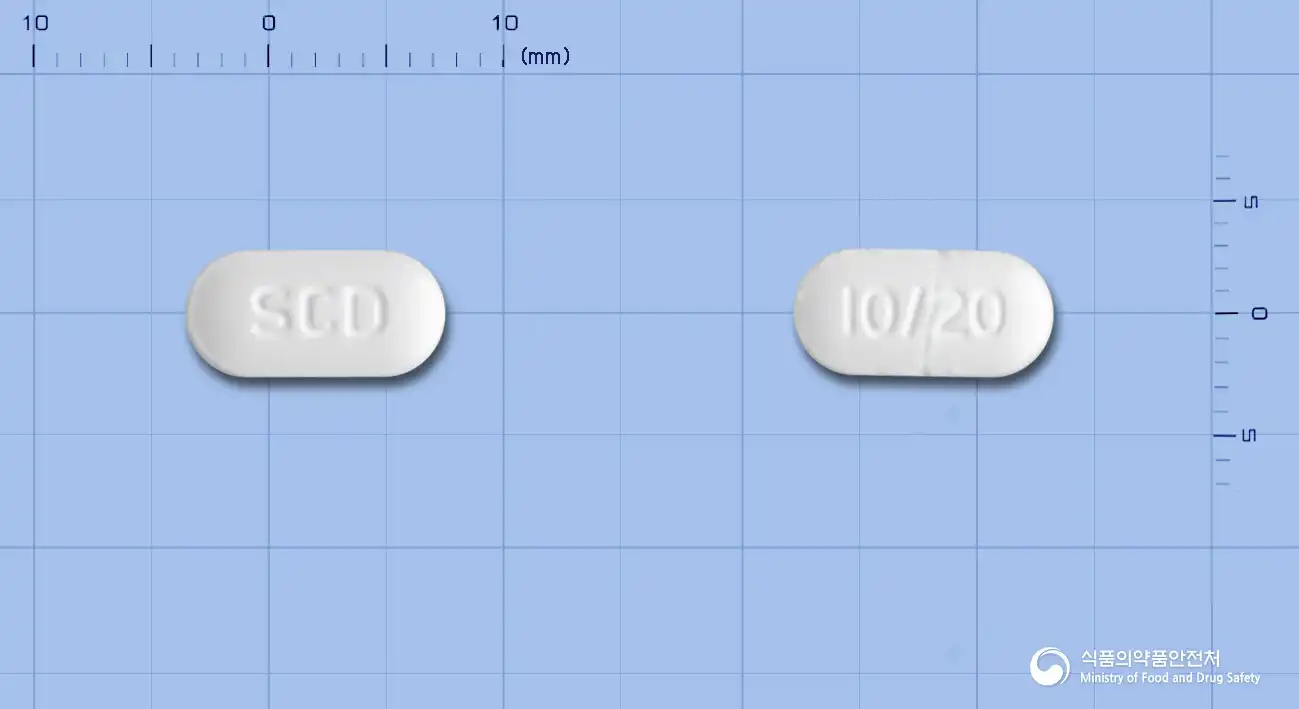
Vylowjeong 10/20 Milligrams
Ezetimibe 10mg · Simvastatin 20mg
Tablet · Prescription medication · Combination
Samchundang Pharmaceutical Co., Ltd.
MFDS item code 201600868 · Approved 2016.02.16
This product's status changed to Expired on 2026.02.16. It may no longer be sold, so consult a doctor or pharmacist before taking it.
Improvement of cholesterol and lipids in hypercholesterolemia (primary, familial) and mixed hyperlipidemia
This medication is used as an adjunct to diet for lowering elevated total cholesterol, LDL cholesterol, ApoB, and triglycerides, and for increasing HDL cholesterol in patients with primary hypercholesterolemia, familial and non-familial hypercholesterolemia, and mixed hyperlipidemia. It is also administered as an adjunct when alternative lipid-lowering therapies are inadequate in patients with homozygous familial hypercholesterolemia. This drug is prescribed for patients who have inadequate response to appropriate diet and non-pharmacological interventions, and the secondary causes of dyslipidemia must be identified and treated. Lipid tests before and after treatment should be performed to determine effective treatment direction based on cholesterol and triglyceride levels. Such treatment plays an important role in lowering the risk of atherosclerotic vascular disease due to hypercholesterolemia.
This medication is administered once daily in the evening, regardless of meals. The dosage range for patients with primary hypercholesterolemia is 10/10mg to 10/40mg per day, with the generally recommended starting dose being 10/20mg per day. Patients requiring less reduction of LDL cholesterol may start at 10/10mg per day. The recommended dosage for patients with homozygous familial hypercholesterolemia is 10/40mg per day taken once in the evening.
This medication can cause serious muscle-related side effects such as myopathy or rhabdomyolysis. The risk of such side effects increases particularly when taken at high doses or in combination with certain drugs. If muscle pain, weakness, or unexplained muscle soreness occurs while taking this medication, you must inform your physician immediately. This medication should not be administered to patients with hypersensitivity to its components, those with active liver disease or persistent liver function abnormalities, and pregnant or breastfeeding women. Additionally, the risk of side effects may increase when combined with certain medications, so you must inform your doctor or pharmacist about any current medications. Due to the potential impact on liver function, liver function tests should be performed regularly before and during treatment. It is not recommended for patients with severely impaired liver function. There is insufficient safety data for this medication in children and adolescents, thus it is advisable to avoid use in patients under 10 years of age. Elderly patients may also be more sensitive to this medication, so caution is required during administration, and immediate consultation with medical personnel is needed if any unusual symptoms occur. While taking this medication, you should avoid consuming grapefruit juice or using certain medications (for example, strong CYP3A4 inhibitors, gemfibrozil, cyclosporine, danazol, some antibiotics, calcium channel blockers, etc.). The risk of myopathy can significantly increase when combined with these drugs. Women who are planning to become pregnant or may become pregnant must consult their doctor before taking this medication and stop taking it immediately upon confirmation of pregnancy. Blood glucose levels may rise while taking this medication, so patients at risk for diabetes should regularly monitor their blood glucose levels. In case of overdose, there is no specific antidote, and symptomatic and supportive treatment will be administered according to the symptoms. It is important to strictly adhere to the dosing regimen and amount specified by your doctor while taking this medication and to consult medical personnel immediately if any unusual symptoms arise.
Hives, angioedema, rash, anaphylaxis, severe skin reactions (Stevens-Johnson syndrome, toxic epidermal necrolysis, erythema multiforme), myopathy, rhabdomyolysis, elevated liver aminotransferase levels, hepatitis, acute liver failure, pancreatitis, severe muscle weakness, ocular myasthenia, jaundice, liver damage, thrombocytopenia, kidney damage, cirrhosis, liver cancer, severe edema, elevated blood pressure, dizziness, headache (serious neurological symptoms)
Not everyone experiences these, and they can vary from person to person.
This medication should be stored in a tightly sealed container to protect it from air and moisture. It is also important to store it at room temperature between 1 and 30 degrees Celsius to maintain its effectiveness.
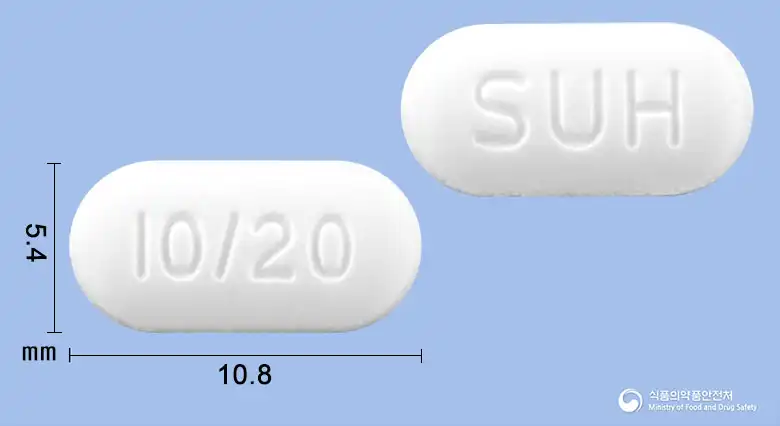
Biconvex rectangular tablet, white to off-white
30 tablets (10 tablets/Alu-Alu) x 3
Even with the same ingredient, strength, dosage form and how it is taken can differ.
Viewing nowCombinationEzetimibe 10mg · Simvastatin 20mg
Tablet · Prescription medication · Combination
Samchundang Pharmaceutical Co., Ltd.
 Combination
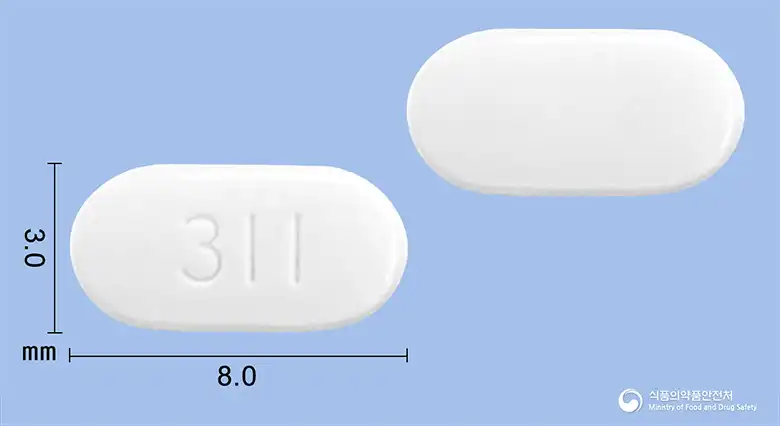
Simvastatin 10mg · Ezetimibe 10mg
Tablet · Prescription medication · Combination
Korea Organon Co., Ltd.
 Combination
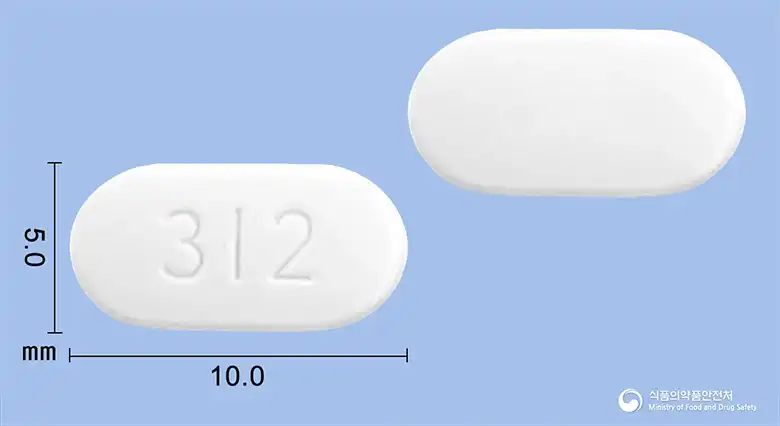
Simvastatin 20mg · Ezetimibe 10mg
Tablet · Prescription medication · Combination
Korea Organon Co., Ltd.
 Combination
Simvastatin 40mg · Ezetimibe 10mg
Tablet · Prescription medication · Combination
Korea Organon Co., Ltd.
Ezetimibe 10mg · Simvastatin 10mg
Tablet · Prescription medication · Combination
Boryung Pharmaceutical Co., Ltd.
Ezetimibe 10mg · Simvastatin 20mg
Tablet · Prescription medication · Combination
Boryung Pharmaceutical Co., Ltd.
 Combination
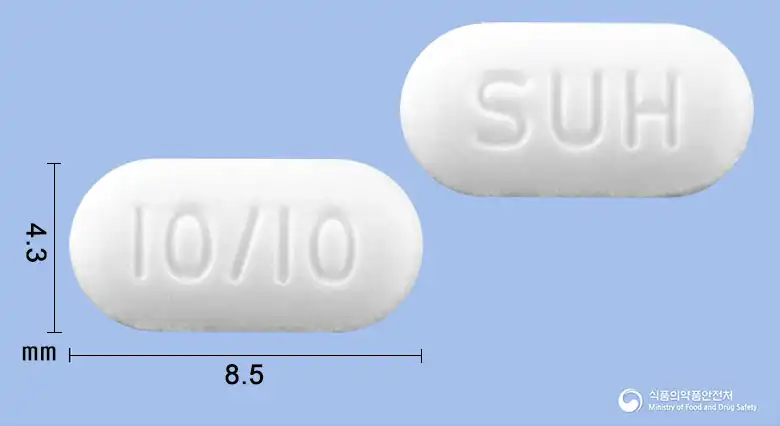
Ezetimibe 10mg · Simvastatin 10mg
Tablet · Prescription medication · Combination
Suhung Co., Ltd.
 Combination
Ezetimibe 10mg · Simvastatin 20mg
Tablet · Prescription medication · Combination
Seohung Co., Ltd.
Even with the same ingredient, the dose and directions can differ by strength and dosage form. Talk to a doctor or pharmacist before switching from a medication you are already taking.
No questions yet.
For anything that needs medical judgment, consult a doctor or pharmacist.
This drug information is based on data provided by the Korea Ministry of Food and Drug Safety.
Consult a doctor or pharmacist for accurate dosage, administration, and usage instructions.