
 한국어
 English
 日本語
 中文(简体)
 Viewing now
Dimensol Tablet 10 mg (Donepezil Hydrochloride Monohydrate)
Donepezil Hydrochloride Monohydrate 10mg
Tablet · Prescription medication
Dong Sung Pharmaceutical Co., Ltd.
MFDS item code 201600585 · Approved 2016.01.28 · Insurance code 643202800
Treatment of symptoms of Alzheimer-type dementia
This medication is used for the treatment of symptoms of Alzheimer's type dementia. It helps alleviate memory decline and cognitive dysfunction caused by dementia, thus improving the quality of daily life.
○ Adults: Administer donepezil hydrochloride 5 mg once a day at bedtime. If sleep disturbances such as unusual dreams, nightmares, or insomnia occur, consider taking this medicine in the morning. Donepezil reaches steady state 15 days after administration, and the frequency of adverse reactions may be affected by the rate of dose escalation; therefore, administer a 5 mg dose for 4~6 weeks. After evaluating the clinical response during this period, the dose may be increased to 10 mg. When increasing the dose to 10 mg per day, administer with caution for gastrointestinal adverse reactions. After discontinuation of this medicine, the effect gradually decreases, and no rebound effect occurs following abrupt discontinuation. ○ Women aged 85 years and older with low body weight: Adverse reactions occur more frequently, so careful monitoring is required. Older women with low body weight should not exceed 5 mg per day.
○ Children: There is no experience with use in children.
This drug contains Donepezil Hydrochloride and is used for the treatment of symptoms of Alzheimer's type dementia. First, this drug should not be administered to certain patients. For example, individuals allergic to the ingredients of this medication, pregnant or nursing women, and those with hereditary issues like lactose intolerance should not take it. Additionally, persons with heart disease, a history of gastric ulcers, asthma or obstructive pulmonary disease, or with extrapyramidal disorders like Parkinson's disease should use this medication with caution. Special attention is also needed for those allergic to Tartrazine, which is included in this medication. While taking this medication, various side effects may occur. For instance, cardiac issues may cause fainting or bradycardia, gastrointestinal bleeding or exacerbation of peptic ulcer may occur. Serious adverse reactions such as liver dysfunction, cerebrovascular issues, muscle pain, difficulty breathing, acute pancreatitis, and acute renal failure have also been reported. Additionally, symptoms like hallucinations, anxiety, insomnia, dizziness, diarrhea, nausea, vomiting, and loss of appetite may commonly occur. If these symptoms arise, one should consult a doctor immediately. This medication is not approved for the treatment of other forms of dementia aside from Alzheimer's type dementia, and treatment should be conducted under the supervision of an experienced physician. Treatment efficacy should be regularly evaluated, and it is advisable to discontinue if not necessary. Those with heart-related problems should periodically check their condition through an electrocardiogram, and individuals with a history of gastrointestinal disease should monitor for worsening symptoms. This medication may affect the ability to drive or operate machinery, thus caution should be exercised at the beginning of treatment or when dosage is changed. Moreover, there may be interactions with other medications, so especially when combined with certain antibiotics, antidepressants, antiarrhythmics, etc., one must follow the physician's instructions. Pregnant or nursing women should avoid using this medication as a rule and should decide only after consulting a specialist if absolutely necessary. Safety for children has not yet been confirmed, so it is not administered to children. In case of overdose, severe symptoms such as nausea, vomiting, bradycardia, and respiratory depression may appear, and immediate medical attention should be sought; atropine may be used as an antidote. Finally, this medication should be kept out of reach of children and should not be transferred to other containers.
Syncope, bradycardia, heart block, QT interval prolongation, myocardial infarction, heart failure, peptic ulcer, perforated duodenal ulcer, gastrointestinal bleeding, hepatitis, liver dysfunction, jaundice, cerebral seizure, cerebral hemorrhage, cerebrovascular disorders, motor dysfunction, ataxia, movement disorders, dystonia, tremors, involuntary movements, gait disturbances, abnormal postures, speech disorders, akinetic mutism, severe muscle rigidity, dysphagia, tachycardia, blood pressure fluctuations, sweating, myalgia, malaise, dyspnea, acute pancreatitis, acute renal failure, unexplained sudden death, cold, loss of appetite, hallucinations, agitation, aggressive behavior, anxiety disorders, insomnia, drowsiness, hypersexuality, talkativeness, mania, nightmares, irritability, nonsensical talk, delusions, depression, confusion, apathy, hyperactivity, increased sexual desire (libido), hypersexuality, dizziness, tremors, seizures, stupor, chest wall rigidity, bradycardia, palpitations, sinoatrial block, atrioventricular block, hypertension, hypotension, atrial fibrillation, torsades de pointes ventricular tachycardia, prolonged QT interval on electrocardiogram, diarrhea, nausea, vomiting, abdominal disorders, gastrointestinal bleeding, gastric and duodenal ulcers, constipation, salivation, dysphagia, fecal incontinence, rash, itching, muscle cramps, myalgia, urinary incontinence, frequent urination, urinary retention, headache, fatigue, pain, toothache, facial flushing, lethargy, asthenia, edema, fever, decreased body temperature, decreased hematocrit, leukopenia, anemia, thrombocytopenia, petechiae, abnormal dreams, decreased appetite, urinary tract infection, increased CPK, dehydration, hyperlipidemia, insomnia, hostility, irritability, drowsiness, depression, confusion, emotional instability, personality disorders, eczema, urinary incontinence, abdominal pain, weakness, fungal infection, influenza-like syndrome, allergy, soft tissue infection, malaise, sepsis, facial swelling, hernia, hypotension, ECG abnormalities, heart failure, constipation, gastroenteritis, fecal incontinence, dyspepsia, increased γ-GT, gastritis, periodontitis, gastric ulcer, periodontal abscess, abdominal distension, abnormal liver function, belching, esophagitis, anal bleeding, diabetes, anemia, leukocytosis, weight loss, peripheral edema, edema, increased LDH, alkaline phosphatase elevation, hypercholesterolemia, hypokalemia, hypoglycemia, weight gain, hyperbilirubinemia, increased BUN, vitamin B12 deficiency anemia, cachexia, increased creatinine, gout, hyponatremia, hypoproteinemia, iron deficiency anemia, increased AST, increased ALT, arthritis, arthropathy, bone fractures, arthralgia, leg cramps, osteoporosis, restlessness, anxiety, seizures, migratory psychosis, gait abnormalities, apathy, delusions, dream anomalies, cerebrovascular abnormalities, increased salivation, ataxic disorder, euphoria, vasodilation, cerebral hemorrhage, cerebral infarction, cerebral ischemia, dementia, extrapyramidal symptoms, grand mal seizures, hemiplegia, hypertonia, decreased motor activity, pharyngitis, pneumonia, increased cough, bronchitis, dyspnea, rhinitis, asthma, rash, skin ulcers, itching, psoriasis, skin pigmentation, herpes zoster, dry skin, sweating, hives, vesicular rash, conjunctivitis, glaucoma, visual disturbances, ear pain, tear abnormalities, urinary tract infection, cystitis, hematuria, vaginitis, urination disorders, frequent urination, proteinuria, abdominal pain, restlessness, cholecystitis, confusion, seizures, heart block, hemolytic anemia, hyponatremia, neuroleptic malignant syndrome, pancreatitis
Not everyone experiences these, and they can vary from person to person.
This medication should be stored in a tightly sealed container to prevent air or moisture from entering, and it is recommended to keep it at room temperature between 1 degree and 30 degrees Celsius. Proper storage will help maintain the effectiveness of the medication for a longer period.
Yellow round film-coated tablet
30 tablets/bottle
Even with the same ingredient, strength, dosage form and how it is taken can differ.
Viewing nowDonepezil Hydrochloride Monohydrate 10mg
Tablet · Prescription medication
Dong Sung Pharmaceutical Co., Ltd.
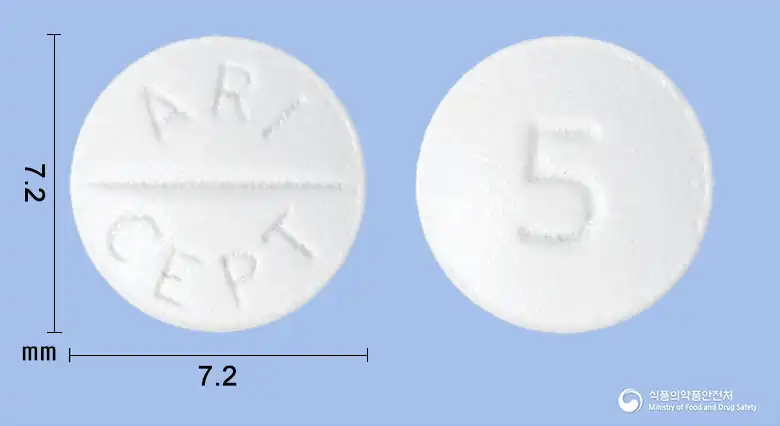
Donepezil Hydrochloride 5mg
Tablet · Prescription medication
HanDoc Co., Ltd.
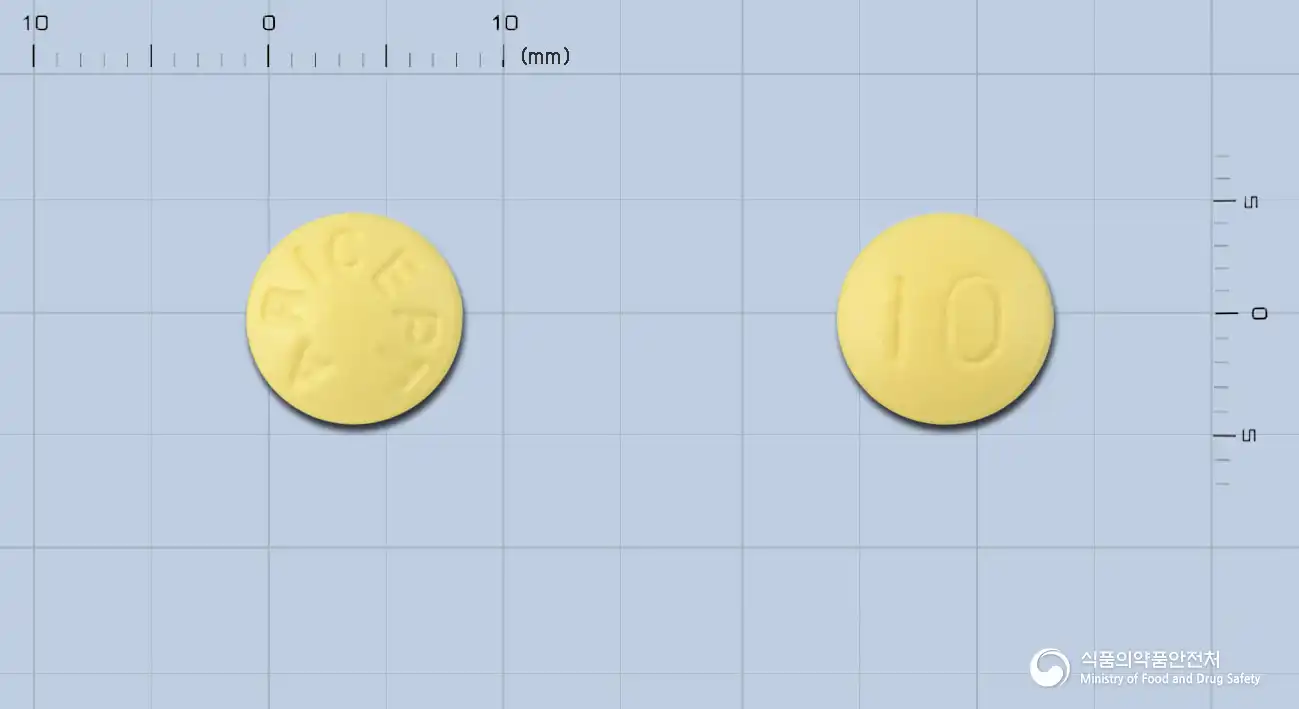
Donepezil Hydrochloride 10mg
Tablet · Prescription medication
Hanmi Pharmaceutical Co., Ltd.

Donepezil Hydrochloride Hydrate 10.43mg
Tablet · Prescription medication
IYun Pharmaceuticals Co., Ltd.

Donepezil Hydrochloride Hydrate 10.43mg
Tablet · Prescription medication
Yuhan Corporation
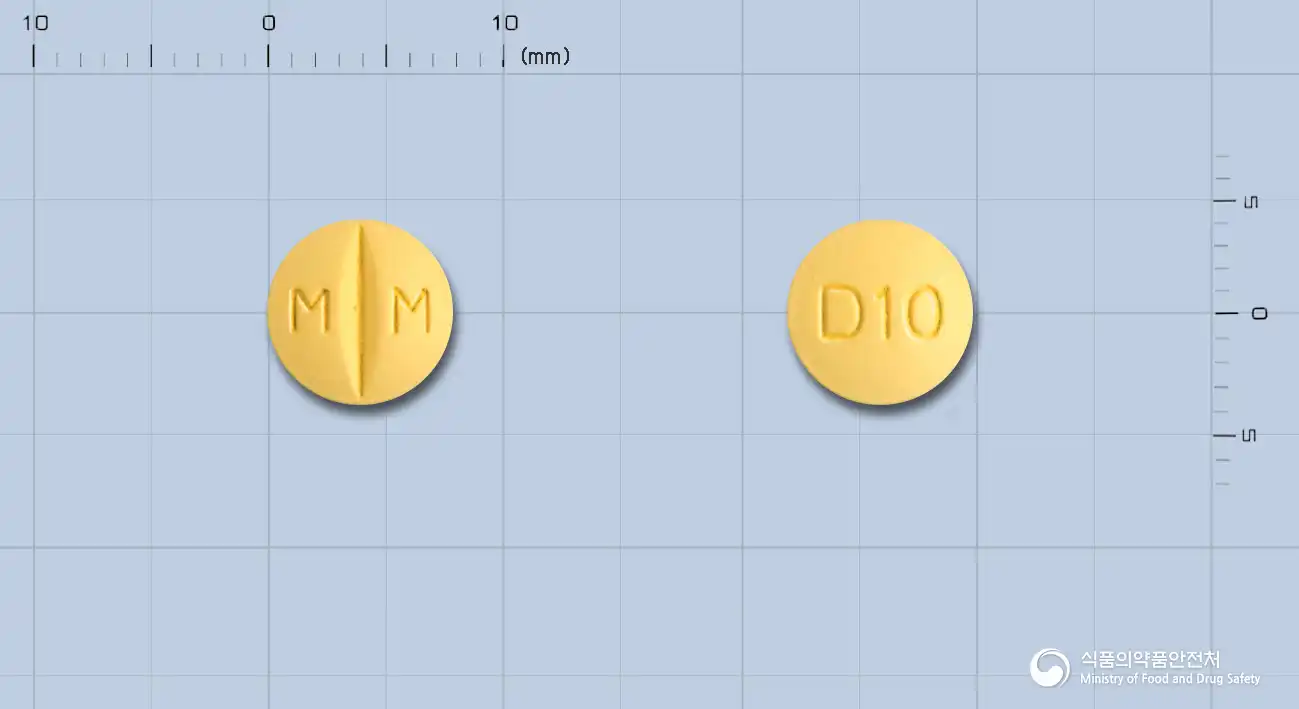
Donepezil Hydrochloride Hydrate 10.43mg
Tablet · Prescription medication
Myungmoon Pharmaceutical Co., Ltd.
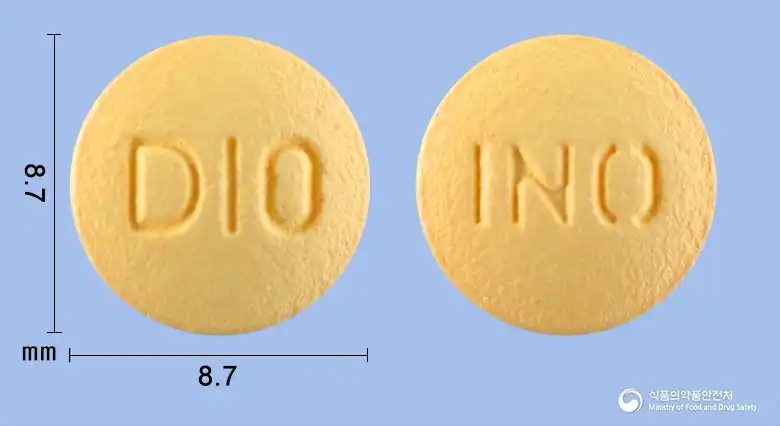
Donepezil Hydrochloride Hydrate 10.43mg
Tablet · Prescription medication
HK inno.N Co., Ltd.
Donepezil Hydrochloride 10mg
Tablet · Prescription medication
Celltrion Pharmaceutical Co., Ltd.
Even with the same ingredient, the dose and directions can differ by strength and dosage form. Talk to a doctor or pharmacist before switching from a medication you are already taking.
No questions yet.
For anything that needs medical judgment, consult a doctor or pharmacist.
This drug information is based on data provided by the Korea Ministry of Food and Drug Safety.
Consult a doctor or pharmacist for accurate dosage, administration, and usage instructions.