
 한국어
한국어 English
 日本語
日本語 中文(简体)
 Viewing now
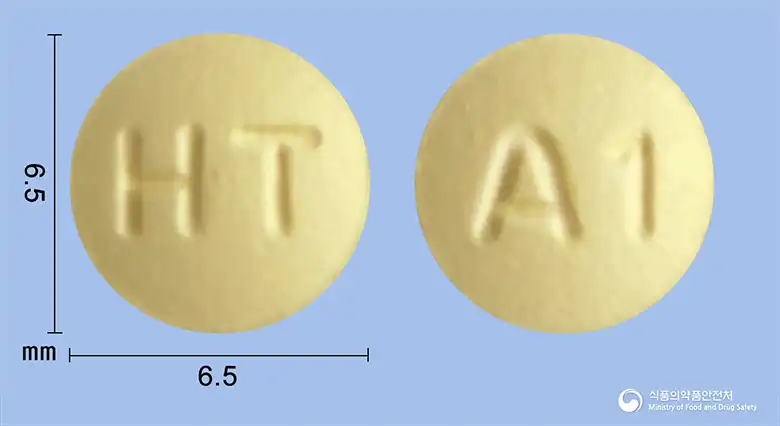
Azelastine Tablets (Azelastine Hydrochloride)
Azelastine Hydrochloride 1mg
Tablet · Prescription medication
Korea HuText Pharmaceutical Co., Ltd.
MFDS item code 201600378 · Approved 2016.01.21 · Insurance code 649102960
Improvement of allergic symptoms such as bronchial asthma and allergic rhinitis
This medication is effective for allergic and inflammatory skin diseases, including bronchial asthma, allergic rhinitis, hives, eczema, dermatitis, and atopic dermatitis. It is also used to alleviate pruritus and itching symptoms. By using this medication for these diseases and symptoms, it helps improve symptoms and enhance the quality of life of patients.
As azelastine hydrochloride, take 1 mg orally, or 2 mg if treating bronchial asthma, twice daily after breakfast and before bedtime. Adjust dosage appropriately based on age and symptoms.
This medication should not be used in children under 6 years of age. This medication contains lactose, so it should not be administered to patients with a genetic problem that impairs lactose digestion. It may cause drowsiness, so it is advisable to avoid driving a car or operating dangerous machinery while taking this medication. It can affect the central nervous system, leading to symptoms such as drowsiness, lethargy, tingling in the hands and feet, and unsteadiness. It may also affect the digestive system, causing dry mouth, nausea, vomiting, loss of appetite, abdominal pain, constipation, and diarrhea. Rarely, hypersensitivity reactions such as flushing, shortness of breath, nasal dryness, liver function abnormalities, and skin rashes may occur, so if these symptoms arise, discontinue the medication immediately. It may affect the urinary system, causing difficulty urinating, hematuria, or increased frequency of urination. In rare cases, there may be an increase in white blood cell count observed on blood tests. Other symptoms such as swelling or menstrual irregularities may also occur, so caution is advised. Patients undergoing long-term steroid therapy should gradually adjust the steroid dosage when taking this medication. Bronchial asthma patients must understand that this medication is not intended for the immediate relief of an existing attack. Seasonal allergy patients should start taking this medication prior to the onset of symptoms and continue until the symptoms subside. Taking this medication with alcohol may increase drowsiness, so it is safest to avoid alcohol. Caution is also required when used together with the specific drug cimetidine. Pregnant women or women who may become pregnant should only use this medication when necessary and after consulting a healthcare professional, as it may affect the fetus. Breastfeeding women should avoid using this medication if possible, or discontinue breastfeeding during use, as this medication can be passed into breast milk. Safety has not been sufficiently established in premature infants, newborns, infants, and children, so its use is not recommended in these populations. Elderly individuals may have decreased bodily function, so caution regarding dosage adjustments is necessary when taking this medication. This medication may have a bitter taste, which should be kept in mind when taking it. Store this medication out of reach of children, avoiding direct sunlight and keeping it in a cool, dry place. Do not transfer the medication to another container; to prevent misuse and maintain quality, it is important to keep it in its original container.
Shortness of breath → respiratory issues
Not everyone experiences these, and they can vary from person to person.
This medication is sensitive to light, so it should be stored in a sealed container that blocks light. Additionally, it is best to keep it at room temperature between 1 to 30 degrees Celsius.
Bright yellow, round film-coated tablets
30 tablets/bottle, 600 tablets/bottle
Even with the same ingredient, strength, dosage form and how it is taken can differ.
Viewing nowAzelastine Hydrochloride 1mg
Tablet · Prescription medication
Korea HuText Pharmaceutical Co., Ltd.
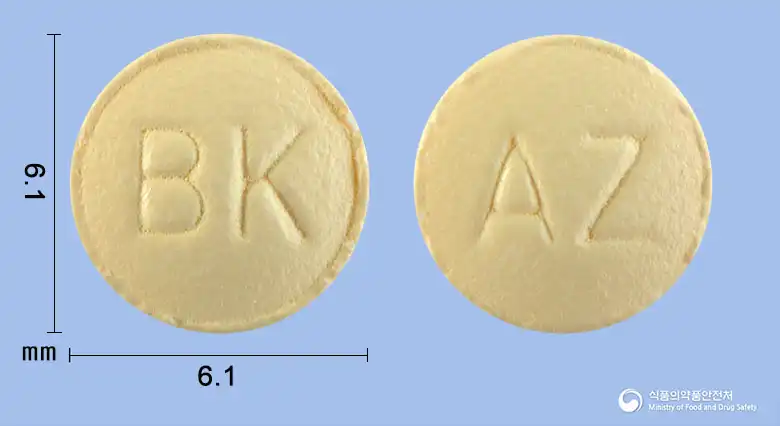
Azelastine Hydrochloride 1mg
Tablet · Prescription medication
Bukwang Pharmaceutical Co., Ltd.
Azelastine Hydrochloride 0.1g
Solution · Prescription medication
Bukwang Pharmaceutical Co., Ltd.
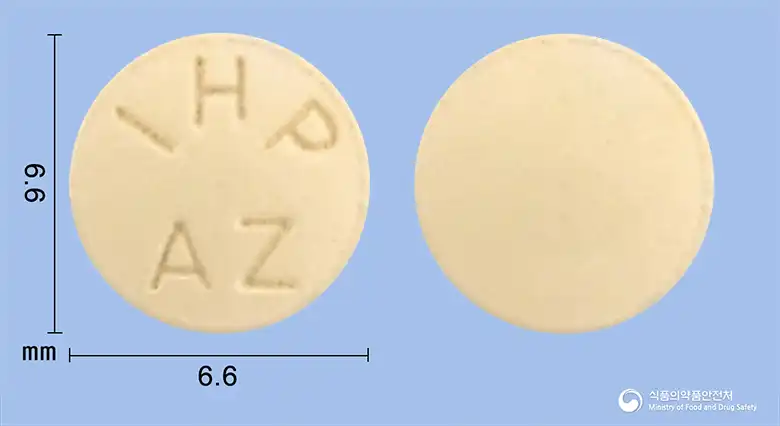
Azelastine Hydrochloride 1mg
Tablet · Prescription medication
Ilhwa Co., Ltd.
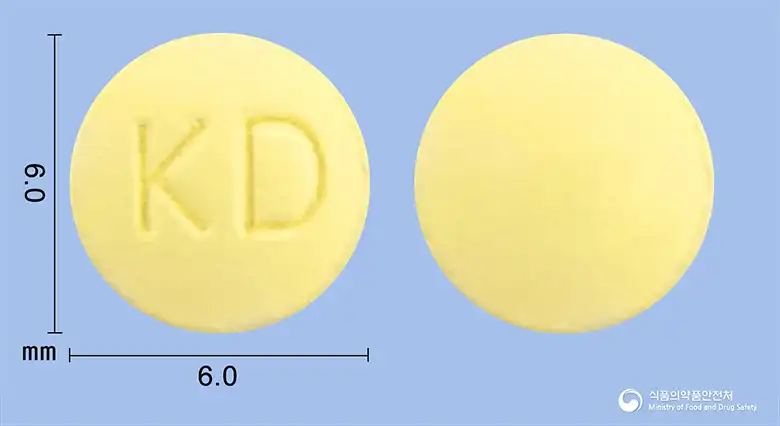
Azelastine Hydrochloride 1mg
Tablet · Prescription medication
Kyungdong Pharm Co., Ltd.
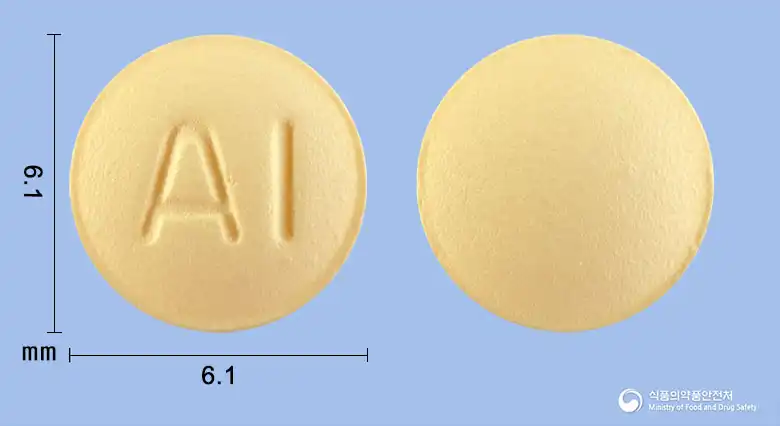
Azelastine Hydrochloride 1mg
Tablet · Prescription medication
Korea United Pharm Inc.
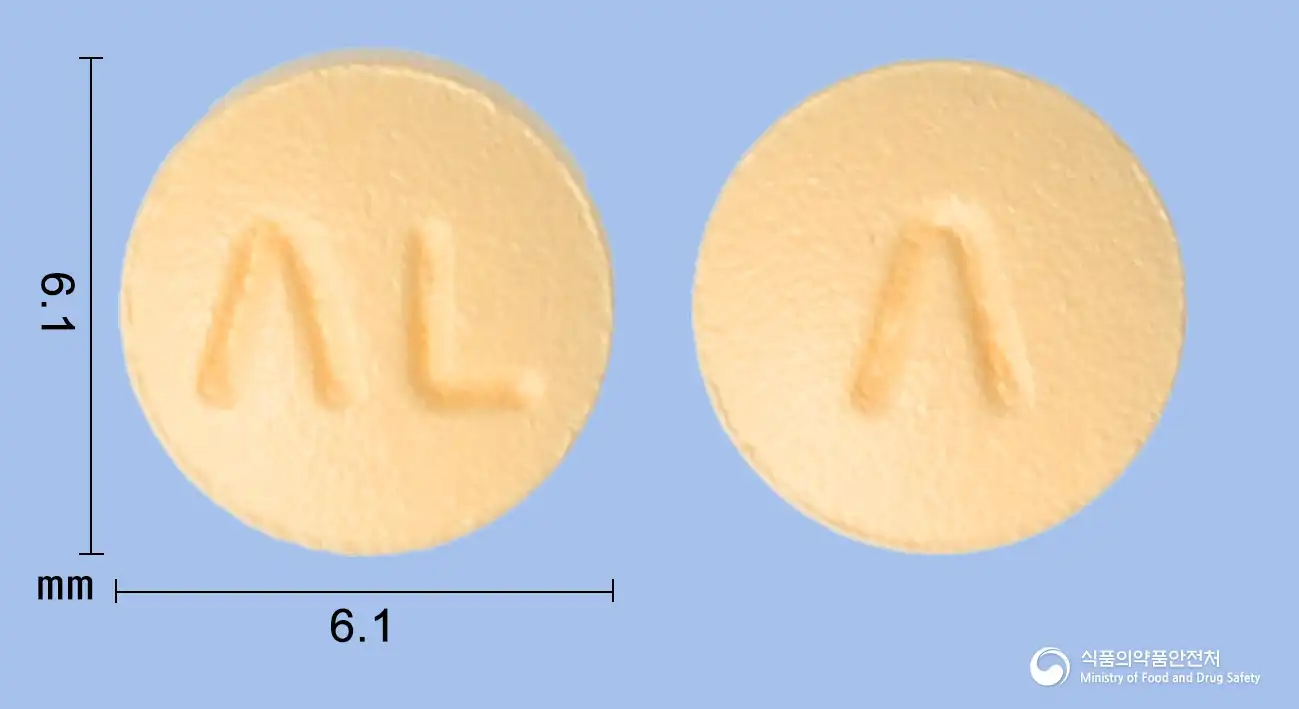
Azelastine Hydrochloride 1mg
Tablet · Prescription medication
Allico Pharmaceutical Co., Ltd.
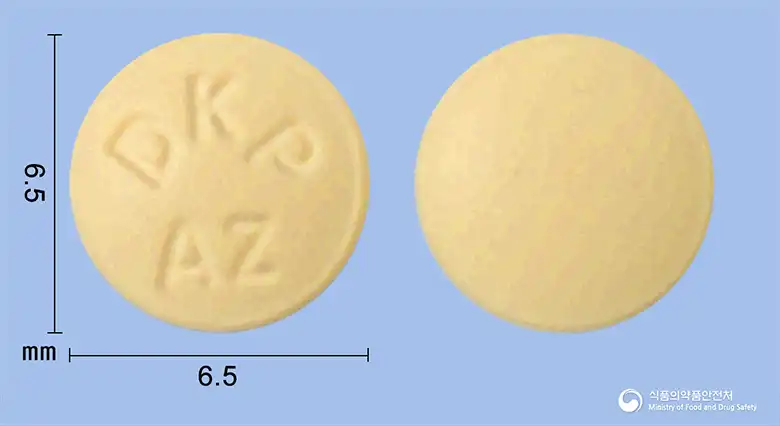
Azelastine Hydrochloride 1mg
Tablet · Prescription medication
Donggu Bio Pharmaceutical Co., Ltd.
Even with the same ingredient, the dose and directions can differ by strength and dosage form. Talk to a doctor or pharmacist before switching from a medication you are already taking.
No questions yet.
For anything that needs medical judgment, consult a doctor or pharmacist.
This drug information is based on data provided by the Korea Ministry of Food and Drug Safety.
Consult a doctor or pharmacist for accurate dosage, administration, and usage instructions.