
 한국어
 English
 日本語
 中文(简体)
 Viewing nowCombination
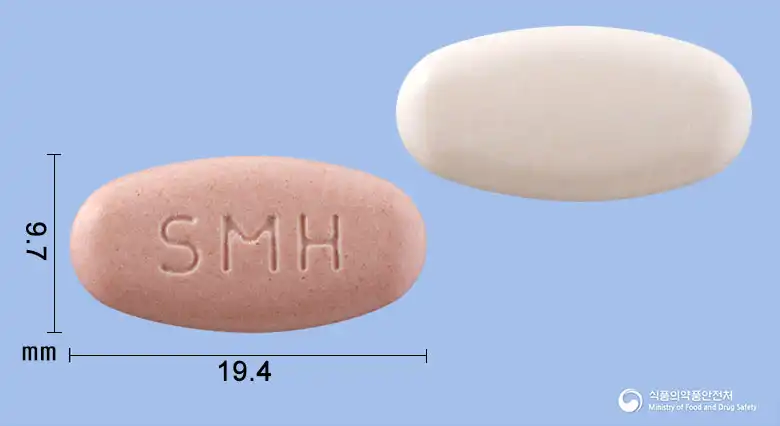
Sugamet Sustained Release Tablet 2.5/850 mg
Metformin Hydrochloride 850mg · Evogliptin Tartrate 3.4345mg
Tablet · Prescription medication · Combination
Dong-A ST Co., Ltd.
MFDS item code 201508554 · Approved 2015.12.31 · Insurance code 642507350
Improves glycemic control in adults with type 2 diabetes mellitus
This medication helps with blood glucose control when used in conjunction with dietary management and exercise therapy in adult patients with type 2 diabetes. It is particularly suitable for patients who do not achieve sufficient blood glucose control with metformin alone and can be used as a substitute for those previously on a combination therapy of evogliptin and metformin. This improves blood glucose management and aids in the treatment of diabetes.
The dose of this medicine should be determined based on each patient's current treatment regimen, efficacy, and tolerability, without exceeding the maximum recommended daily doses of each component: evogliptin 5 mg and metformin 2000 mg. This medicine is generally administered once daily with the evening meal, and the dose should be adjusted gradually to reduce gastrointestinal adverse reactions associated with metformin. Take 1 tablet of this medicine 5/1000 mg extended-release tablet once daily. Patients taking this medicine 2.5/500 mg extended-release tablet or 2.5/850 mg extended-release tablet should take 2 tablets together once daily. For patients who cannot achieve adequate glycemic control with metformin monotherapy, the initial dose of this medicine should provide evogliptin 5 mg once daily and the patient's existing metformin dose. For patients switching to this medicine from combination therapy with evogliptin and metformin, treatment may be started at the existing doses of evogliptin and metformin. When switching from immediate-release metformin to an extended-release formulation, glycemic control should be closely monitored and the dose adjusted appropriately. No studies have been conducted to evaluate the safety and efficacy of switching to this medicine in patients previously treated with another oral antihyperglycemic agent. Any change in the treatment regimen for type 2 diabetes may alter glycemic control; therefore, caution should be exercised and appropriate monitoring should be performed. To maintain its extended-release properties, swallow this medicine whole; do not split, crush, grind, or chew it.
This medication can rarely cause severe lactic acidosis, and symptoms of lactic acidosis should be reported to a physician immediately. It should not be administered to patients with moderate or severe renal impairment or those with acute heart disease or liver dysfunction. Patients scheduled for surgery or those with severe infections or significant trauma should temporarily discontinue the medication, and it should be restarted only after renal function is confirmed as normal. It is safer for pregnant or breastfeeding women to avoid using this medication. This medication may cause hypoglycemia, so caution should be taken regarding symptoms of hypoglycemia when used in combination with other hypoglycemic agents. It is advisable to avoid alcohol consumption while taking this medication, and caution is necessary if severe vomiting or diarrhea occurs due to the risk of exacerbating renal function. Regular blood tests to check renal function and vitamin B12 levels are required. This medication should be taken whole, without chewing or crushing, and it is normal for the shell of the tablet to pass in the stool. There may be drug interactions, so inform your physician or pharmacist if you are taking other medications. In case of overdose, seek immediate medical attention for appropriate treatment.
Severe lactic acidosis, severe hypoglycemia, various gastrointestinal disorders, constipation, gastric disorders, nausea, abdominal pain, discomfort in the upper abdomen, gastric atony, gastroesophageal reflux disease, abnormal liver function tests, reduced renal creatinine clearance, weight loss, decreased blood urea, decreased appetite, hypouricemia, bronchitis, dizziness, walking impairment, gastritis, periodontitis, nasopharyngitis, erectile dysfunction, dyspepsia, arthralgia, diarrhea, pruritus, toothache, contact dermatitis, nausea, headache, abnormal olfaction, myalgia, urticaria, rash, drug hypersensitivity, hyperglycemic hyperosmolar nonketotic syndrome, insomnia, palpitations, epistaxis, renal dysfunction, sexual dysfunction, hypoglycemia, bullous pemphigoid, palpitations, sciatica
Not everyone experiences these, and they can vary from person to person.
This medication may be sensitive to air or moisture, so it should be stored in a tightly sealed container. Additionally, it should be stored at room temperature, ideally between 1 degree and 30 degrees Celsius, without extreme heat or cold.
A light pink oval film-coated tablet consisting of immediate-release layer and sustained-release layer
30 tablets (6 tablets/PTP packaging x 5 packs), 30 tablets/bottle
Even with the same ingredient, strength, dosage form and how it is taken can differ.
Viewing nowCombinationMetformin Hydrochloride 850mg · Evogliptin Tartrate 3.4345mg
Tablet · Prescription medication · Combination
Dong-A ST Co., Ltd.
 Combination
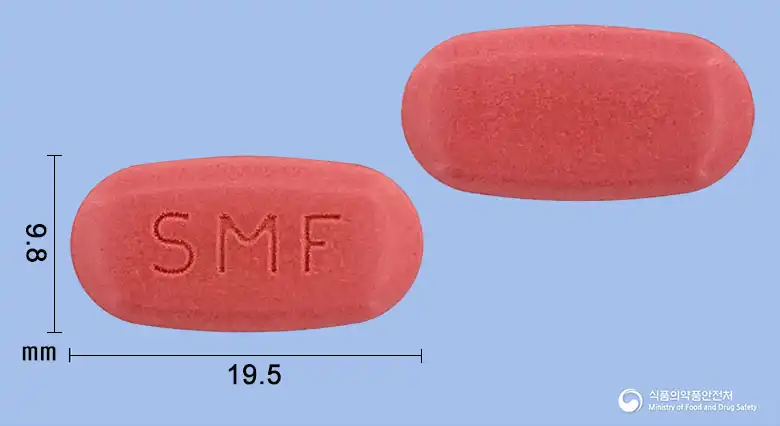
Evogliptin Tartrate 6.869mg · Metformin Hydrochloride 70.08mg
Tablet · Prescription medication · Combination
Dong-A ST Co., Ltd.
 Combination
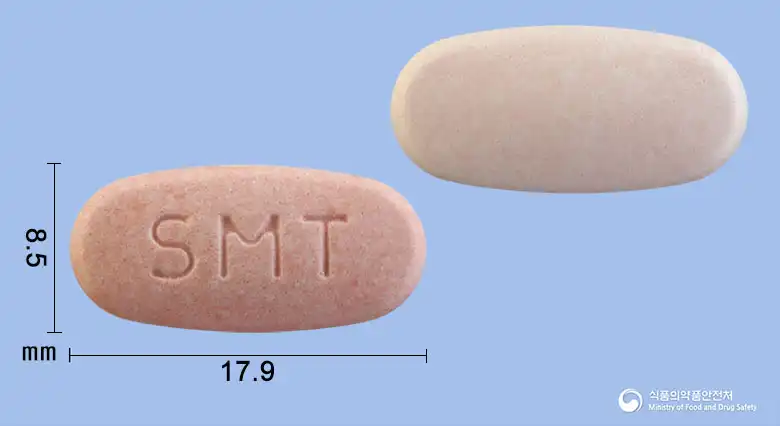
Metformin Hydrochloride 500mg · Evogliptin Tartrate 3.4345mg
Tablet · Prescription medication · Combination
Dong-A ST Co., Ltd.
Even with the same ingredient, the dose and directions can differ by strength and dosage form. Talk to a doctor or pharmacist before switching from a medication you are already taking.
No questions yet.
For anything that needs medical judgment, consult a doctor or pharmacist.
This drug information is based on data provided by the Korea Ministry of Food and Drug Safety.
Consult a doctor or pharmacist for accurate dosage, administration, and usage instructions.