
 한국어
 English
 日本語
 中文(简体)
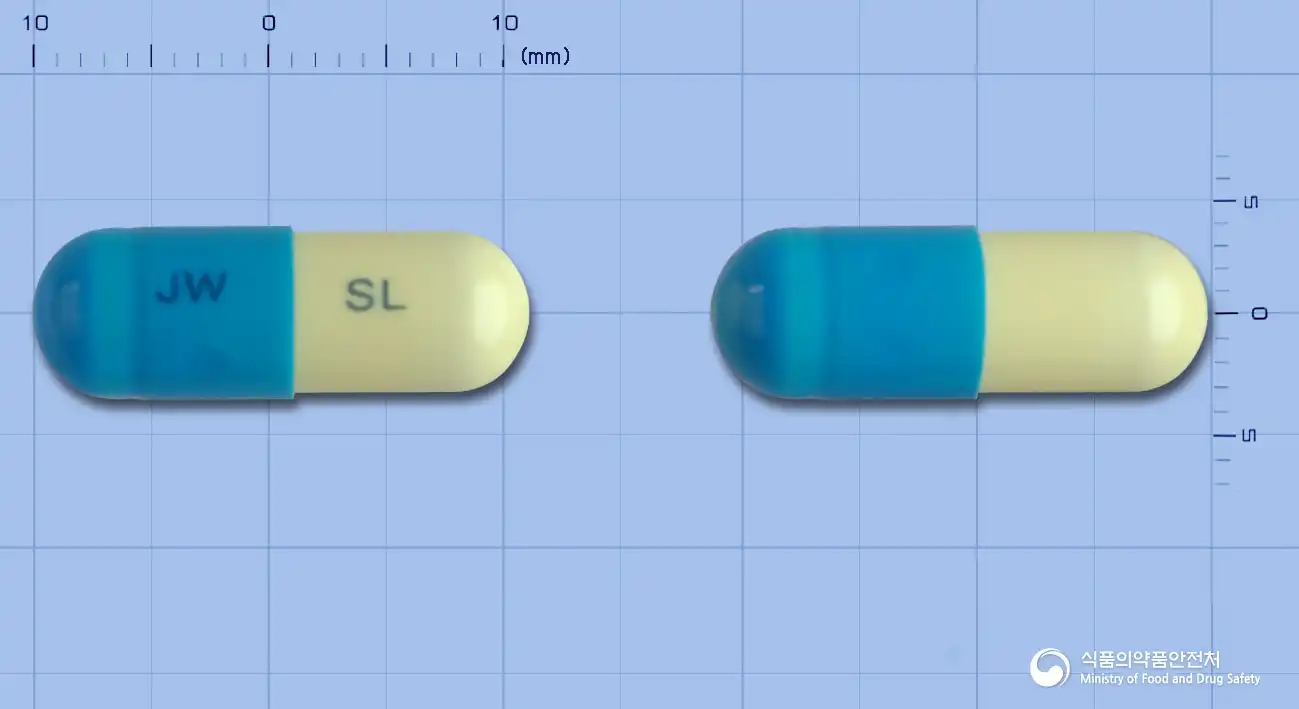 Viewing now
Wonkang Cephalexin Capsule 500mg (Cephalexin Hydrate)
Cefalexin Hydrate 500mg
Hard capsule · Prescription medication
Wonkang Pharmaceutical Co., Ltd.
MFDS item code 201508236 · Notified 2015.11.20
This product's status changed to Expired on 2025.11.20. It may no longer be sold, so consult a doctor or pharmacist before taking it.
Treatment and prevention of respiratory, otorhinolaryngological, genitourinary, skin, lymph node, wound, and dental infections
This drug is effective against several strains sensitive to cephalexin, such as group A beta-hemolytic streptococcus, pneumoniae, staphylococcus aureus (including penicillin-resistant strains), some coagulase-negative staphylococci (except methicillin-resistant strains), as well as Proteus mirabilis, gonococcus, E. coli, and Klebsiella. It is used for infectious diseases, including tonsillitis, pharyngitis, bronchitis, bronchiectasis infections, pneumonia, and is also effective against pyelonephritis, cystitis, gonorrhea, urethritis, prostatitis, andepididymitis. It is used for skin and soft tissue infections like abscesses, boils, and carbuncles, and helps treat otitis media, sinusitis, and lymphadenitis. After dental procedures, it is also administered to prevent infections.
○ Adults: Cephalexin may be administered at a total daily dose of 1 ~ 4 g (potency). The usual dose is 500 mg (potency) orally per dose, 2 ∼ 3 times daily. The dose may be increased for severe infections or infections caused by less susceptible organisms; however, when increasing the dose above 4 g per day, use of an injectable cephalosporin should be considered. ○ Urinary tract infections: For mild urinary tract infections, administer 500 mg (potency) per dose twice daily. For chronic, recurrent, or complicated urinary tract infections, administer 500 mg (potency) per dose 4 times daily for 2 weeks. ○ Patients with renal impairment: In severe renal impairment (creatinine clearance of 10 mL/min or less), reduce the dose to less than half the standard recommended dose. The maximum recommended dose should be reduced to 50% of the maximum recommended dose for mild impairment [4 g (potency) per day], 75% for moderate impairment, and 87.5% for severe renal impairment. For most acute infections, continue treatment for at least 2 days after symptoms resolve. Adjust the dose as appropriate according to age and symptoms.
○ Infants and children: Administer 25 ~ 50 mg (potency) per kg of body weight daily, orally in 4 divided doses. ○ Infants and children: For severe infections or infections caused by less susceptible organisms, administer 50 ~ 100 mg (potency) per kg of body weight daily in 4 divided doses. Do not exceed the adult dose (4 g per day) in children.
This drug should not be used in patients who have experienced severe allergic reactions or shock from it in the past. Patients allergic to cephalosporin antibiotics should also not be administered this drug. Patients with a history of hypersensitivity to this drug or cephalosporins should generally not be treated, but if unavoidable, it should be used with extreme caution. Patients allergic to penicillins or other beta-lactam antibiotics should be closely monitored. Patients who tend to have allergic reactions like bronchial asthma, rash, or urticaria should also use it cautiously. Special caution is required when administering this drug to patients with severely impaired renal function. Patients who have difficulty swallowing the medication orally or are receiving parenteral nutrition, the elderly, and those in poor general health should be carefully monitored due to the risk of bleeding caused by vitamin K deficiency. It should be administered with caution to patients with a history of gastrointestinal diseases, especially those with colitis. This drug can rarely cause severe allergic reactions such as respiratory distress, generalized flushing, or edema; if symptoms appear, the administration should be stopped immediately. If symptoms such as serious rashes or blisters occur, as seen in Stevens-Johnson syndrome or toxic epidermal necrolysis, the drug should be stopped immediately. If hypersensitivity symptoms like rash, urticaria, pruritus, or fever occur, the medication should be discontinued and appropriate treatment administered. Regular blood tests may be required as abnormalities like granulocytopenia, anemia, or thrombocytopenia may occur. Liver function abnormalities or jaundice symptoms may occur rarely, so liver condition should be monitored closely. Renal function may deteriorate rapidly, thus regular renal examinations are necessary, and administration should be discontinued upon any abnormalities. If symptoms such as intestinal inflammation, diarrhea, or abdominal pain occur, the medication should be stopped immediately and treatment should be received. If respiratory symptoms or fever and cough are present, the possibility of pneumonia should be considered, and treatment should be provided. Dysbiosis such as stomatitis or candidiasis may occur, so attention should be paid to oral hygiene. There is a risk of bleeding due to vitamin K deficiency, and symptoms of vitamin B complex deficiency may occur, so nutritional status should be well managed. This drug should only be used for the minimum necessary duration after sensitivity tests to prevent the emergence of resistant strains. Thorough medical history investigations are necessary to predict allergic reactions, and it is advised to conduct skin reaction testing. If symptoms of allergic reactions appear, the drug should be stopped immediately, and emergency treatment should be given. Administration of antibiotics, including this drug, can disrupt the normal intestinal flora, leading to severe diarrhea or colitis, so caution is warranted. When used with other specific antibiotics or diuretics, caution should also be exercised due to the potential for increased renal toxicity. During pregnancy, the safety of this drug has not yet been established; it should only be used when the benefits outweigh the risks. Nursing mothers should use this drug cautiously, as it may be excreted into breast milk. The elderly are at higher risk of adverse reactions due to decreased physiological functions, so dosage and intervals should be adjusted, and careful monitoring is required. This drug may affect certain clinical test results, and it’s important to inform the physician during testing.
Not everyone experiences these, and they can vary from person to person.
This drug should be stored in a tightly sealed container to prevent exposure to air or moisture. It is recommended to maintain a storage temperature between 1 to 30 degrees Celsius room temperature.
The capsule is sky blue, with a powder or granule content that is white to light yellow.
30 capsules/bottle, 500 capsules/bottle
Even with the same ingredient, strength, dosage form and how it is taken can differ.
Viewing nowCefalexin Hydrate 500mg
Hard capsule · Prescription medication
Wonkang Pharmaceutical Co., Ltd.
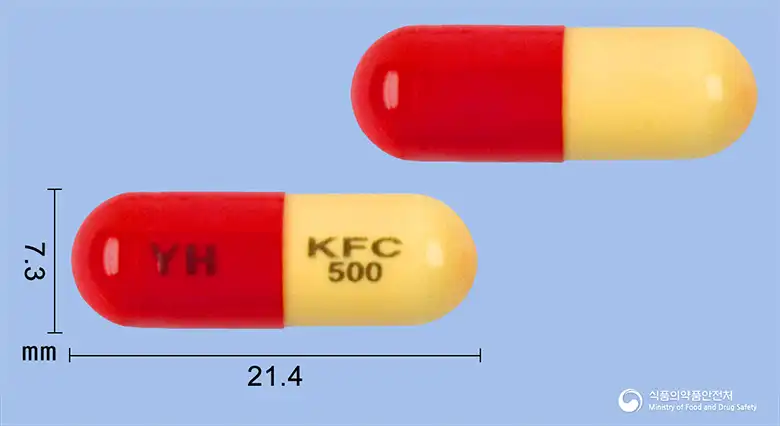
Cefalexin Hydrate 500mg
Hard capsule · Prescription medication
Yuhan Corporation
Cefalexin Hydrate
Prescription medication
I World Pharmaceutical Co., Ltd.
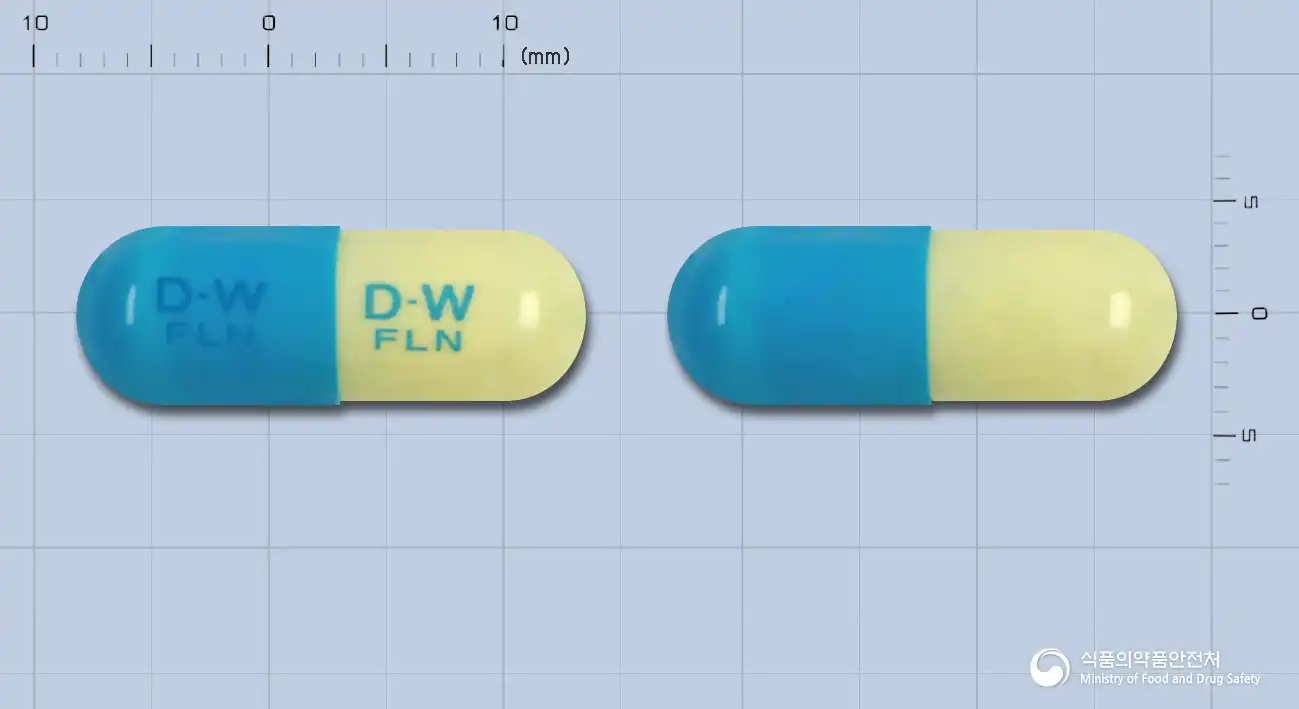
Cefalexin Hydrate 500mg
Hard capsule · Prescription medication
Dongwha Pharmaceutical Co., Ltd.
Even with the same ingredient, the dose and directions can differ by strength and dosage form. Talk to a doctor or pharmacist before switching from a medication you are already taking.
No questions yet.
For anything that needs medical judgment, consult a doctor or pharmacist.
This drug information is based on data provided by the Korea Ministry of Food and Drug Safety.
Consult a doctor or pharmacist for accurate dosage, administration, and usage instructions.