
 한국어
 English
 日本語
 中文(简体)
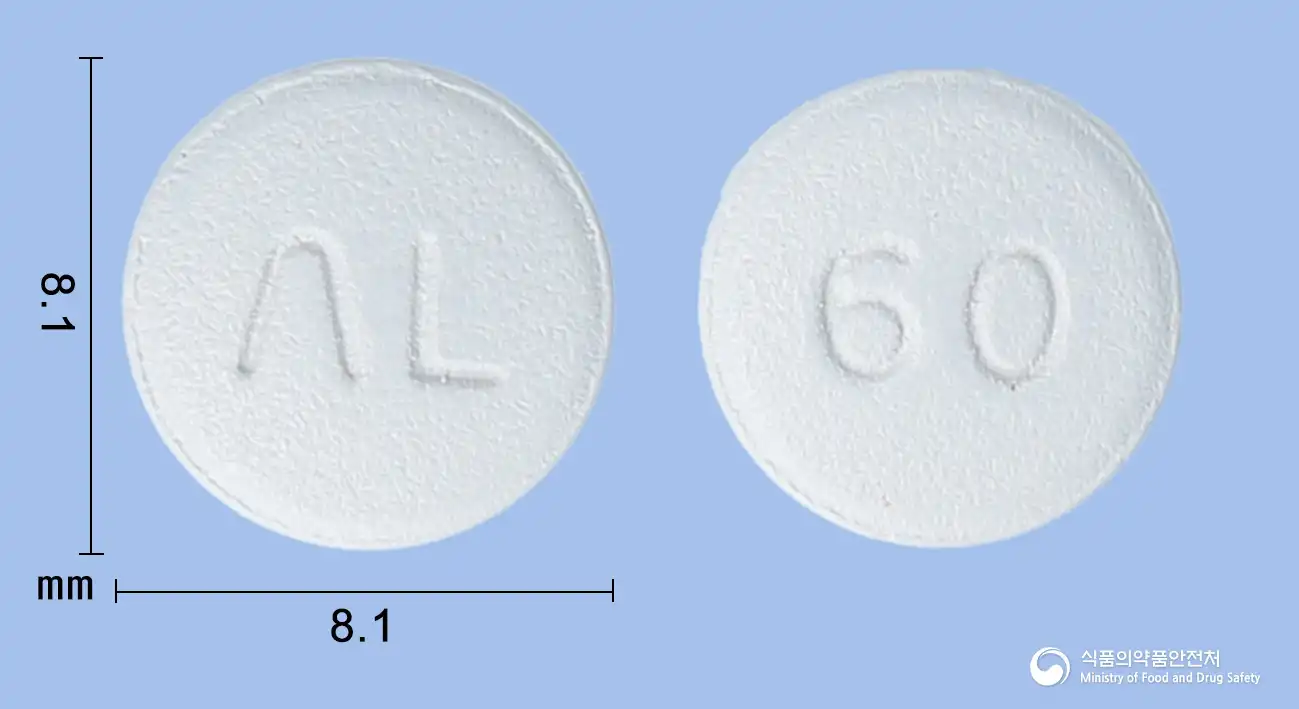 Viewing now
Fraya 60mg (Dapoxetine Hydrochloride)
Dapoxetine Hydrochloride 67.2mg
Tablet · Prescription medication
Allico Pharmaceutical Co., Ltd.
MFDS item code 201507710 · Approved 2015.11.13
Treatment of premature ejaculation
Premature ejaculation is defined as a condition where ejaculation occurs in less than 2 minutes after vaginal penetration, often causing significant distress and difficulties in interpersonal relationships. This medication helps improve the ability to control ejaculation, alleviating symptoms. Patients can expect a reduction in stress caused by premature ejaculation and positive changes in relationships through this treatment. Therefore, it is used to alleviate the symptoms of premature ejaculation and improve the quality of daily life.
To avoid a bitter taste, swallow this medicine whole with at least 1 cup of water. Patients should avoid driving or operating hazardous machinery if they experience syncope or presyncopal symptoms, such as dizziness or lightheadedness. [See Precautions for Use, section 4.3)] Adult men (18~64 years): Before starting treatment, the physician should ask about the patient's history of orthostatic events and perform an orthostatic test (blood pressure, pulse, lying down, standing up). Avoid using this medicine in patients with a history of orthostatic events or who show a similar response during the orthostatic test. [See Precautions for Use, section 4.4)] Administer the initial recommended dose of 30mg orally approximately 1~3 hours before sexual activity. If the effect of 30mg is insufficient and it is well tolerated, the dose may be increased to the maximum recommended dose of 60mg. Do not administer more than once within 24 hours. If the patient experiences an orthostatic reaction with the initial dose, do not increase the dose to 60mg. This medicine may be taken with or without food. The physician prescribing this medicine for the treatment of premature ejaculation should assess the balance between its risks and the benefits reported by the patient after the initial 4 weeks of treatment or 6 doses, and determine whether it is appropriate to continue treatment. Elderly patients (65 years and older): The safety and efficacy of this medicine in elderly patients have not been established. Patients with renal impairment: No dosage adjustment is necessary in patients with mild or moderate renal impairment, but administer with caution. Use in patients with severe renal impairment is not recommended. Patients with hepatic impairment: This medicine should not be administered to patients with moderate or severe hepatic impairment (Child-Pugh Class B and C). Patients with low CYP2D6 metabolism or taking a strong CYP2D6 inhibitor: The dose is limited to 30mg in patients with a poor-metabolizer genotype for CYP2D6 or in patients receiving concomitant treatment with a strong CYP2D6 inhibitor; administer with caution. [See Precautions for Use, section 5.5)②)] Patients taking a moderate or strong CYP3A4 inhibitor: Concomitant use with a strong CYP3A4 inhibitor is contraindicated. The dose is limited to 30mg in patients receiving concomitant treatment with a moderate CYP3A4 inhibitor; administer with caution. [See Precautions for Use, section 5.5)③)]
Children and adolescents (under 18 years): This medicine should not be administered to children or adolescents under 18 years of age.
This medication should not be used in patients with known allergies to the active or any other ingredient. It is not recommended for patients with heart conduction abnormalities not treated with heart failure or pacemakers, significant heart disease, or valve disease, or uncontrolled hypertension. Patients with moderate to severe liver impairment should also avoid this medication. Patients taking monoamine oxidase (MAO) inhibitors or those who have stopped taking them within the last 14 days should not be given this medication. Patients currently on or who have stopped taking thioridazine within the last 14 days should not use this medication either. It should not be used in combination with other serotonin reuptake inhibitors (SSRIs, SNRIs, TCAs), serotonin agonists, and certain herbal products either concurrently or for a certain period after combination. This medication should not be administered to patients currently taking strong CYP3A4 inhibitors. Those with symptoms or suspicion of orthostatic hypotension, or with a history of mania or bipolar disorder should also avoid this medication. It is not recommended for patients with a history of major psychiatric disorders or genetic issues such as lactose intolerance. This medication is advised against for women, children and adolescents under 18 years of age, and elderly patients over 65 years. Patients with impaired kidney function or those with specific enzyme metabolic issues must be given adjusted dosages with caution. Patients with a history of seizures should discontinue immediately if seizures occur during treatment, and those with unstable epilepsy should avoid treatment. Diabetic patients should be careful as blood sugar control may be affected. This medication contains a specific colorant (Yellow No. 5), hence should be used cautiously in patients with allergies to it. During administration, common side effects may include headaches, dizziness, nausea, diarrhea, insomnia, fatigue, etc., and treatment may be discontinued due to nausea and dizziness. Symptoms such as syncope or orthostatic hypotension may occur, so immediate lying down or sitting down is required when such symptoms arise, and operating vehicles or dangerous machinery should be avoided. Co-administration with alcohol may enhance dizziness and drowsiness and increase the risk of syncope; therefore, drinking should be avoided during treatment. This medication should only be used by men with premature ejaculation, as combining it with recreational drugs may pose risks. Patients with cardiovascular diseases or a history of orthostatic hypotension must consult with a physician before administration. Patients with psychiatric disorders or depressive symptoms need an evaluation of their symptoms before using this medication and must discontinue immediately if there is a worsening of symptoms. Patients at risk for bleeding should use this medication cautiously and be especially careful when co-administering it with drugs affecting blood coagulation. It should not be used by pregnant women or nursing mothers, and it is prohibited for children under the age of 18. Overdose may result in gastrointestinal disturbances, drowsiness, tremors, agitation, dizziness, and such patients should seek medical attention promptly. This medication should be kept out of the reach of children and should not be transferred to another container. Caution is advised due to the risk of accidents when driving or operating machinery due to dizziness or drowsiness. Any symptoms such as eye pain or blurred vision should prompt immediate consultation with a physician.
Not everyone experiences these, and they can vary from person to person.
This medication should be stored in a sealed container to protect it from air and moisture. Maintaining a storage temperature between 1 and 30 degrees Celsius is important.
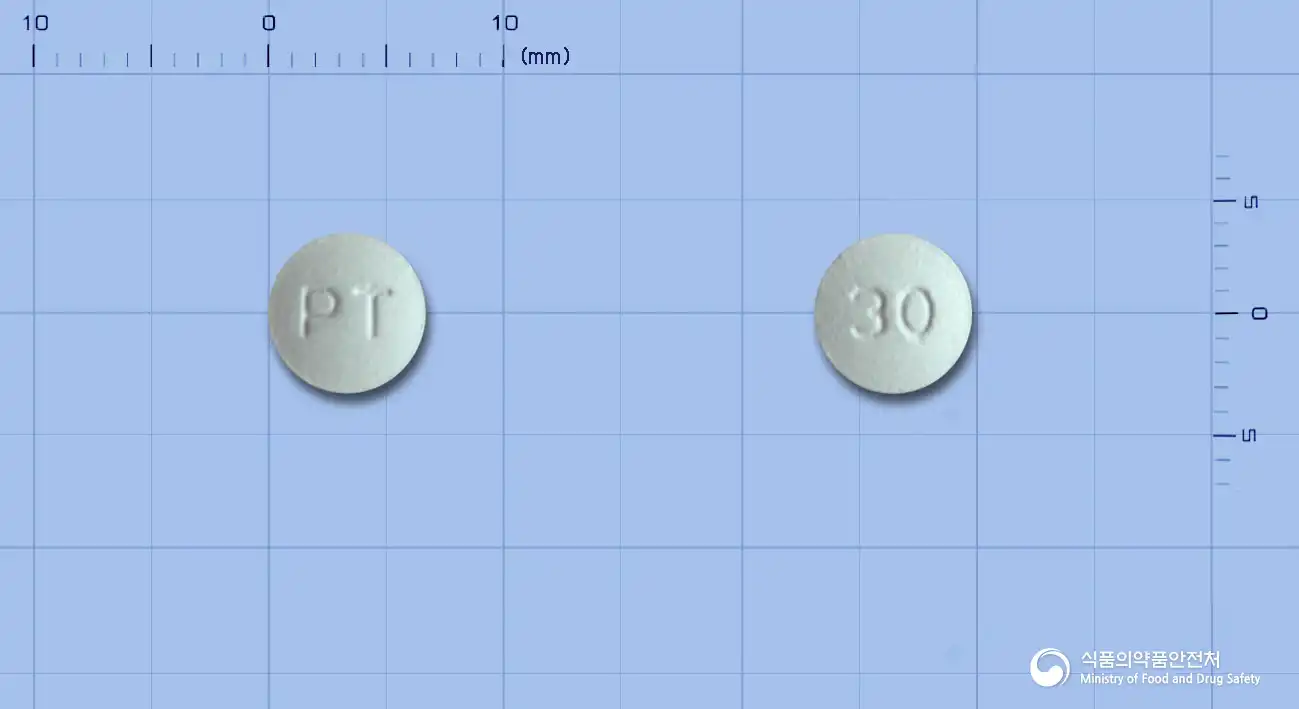
Gray round film-coated tablet
4 tablets (4 tablets/PTP x 1)
Even with the same ingredient, strength, dosage form and how it is taken can differ.
Viewing nowDapoxetine Hydrochloride 67.2mg
Tablet · Prescription medication
Allico Pharmaceutical Co., Ltd.
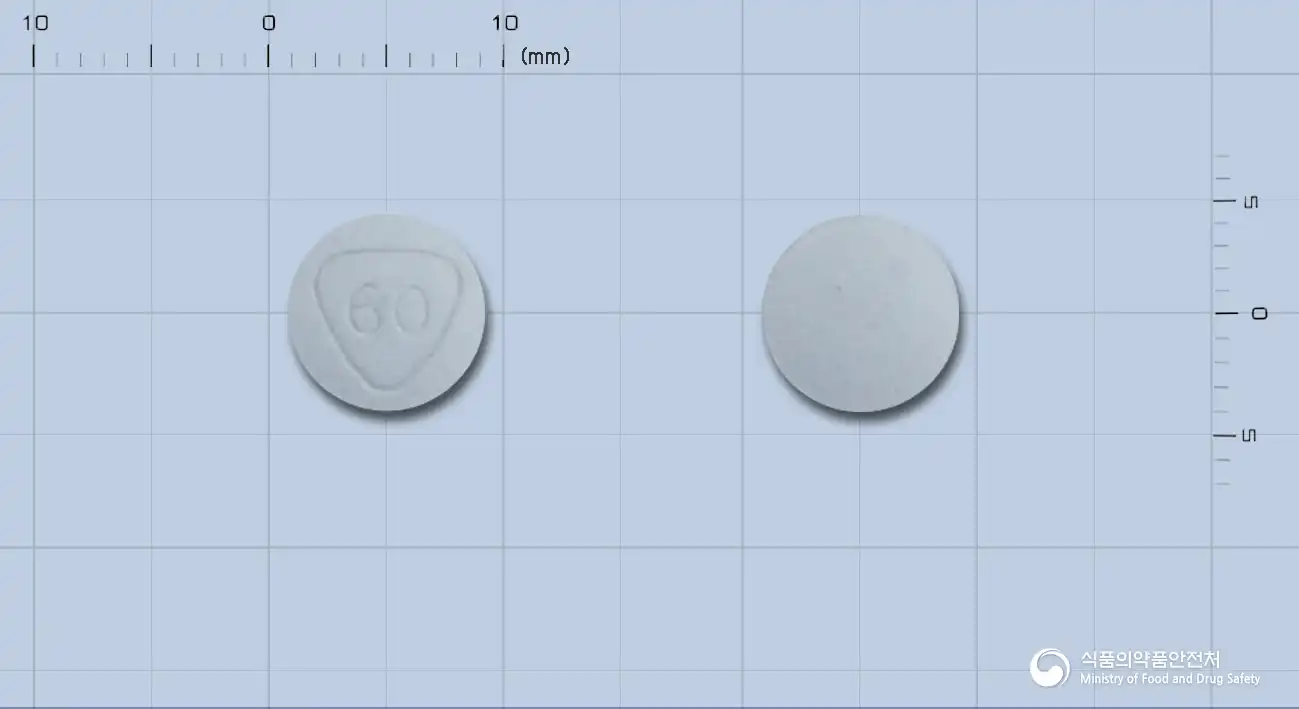
Dapoxetine Hydrochloride 67.2mg
Tablet · Prescription medication
Korea Menarini Co., Ltd.

Dapoxetine Hydrochloride 33.6mg
Tablet · Prescription medication
Korea Menarini Co., Ltd.
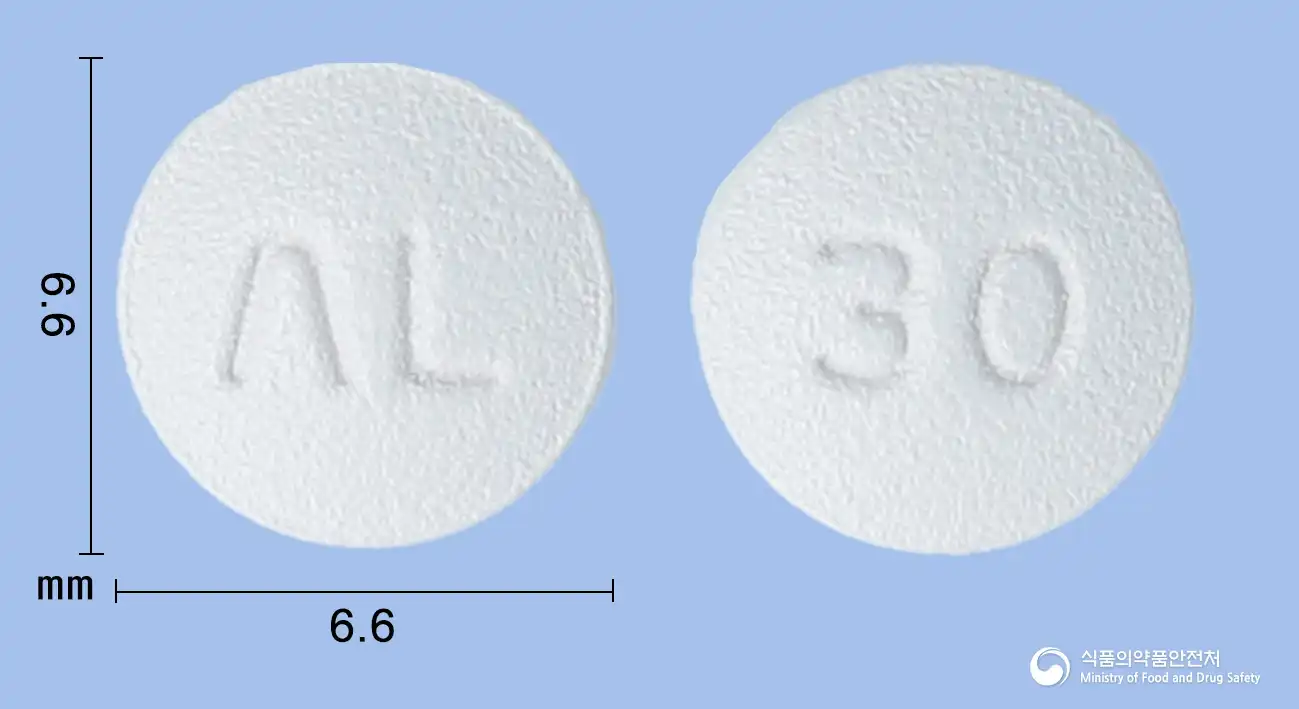
Dapoxetine Hydrochloride 33.6mg
Tablet · Prescription medication
Aliko Pharmaceutical Co., Ltd.
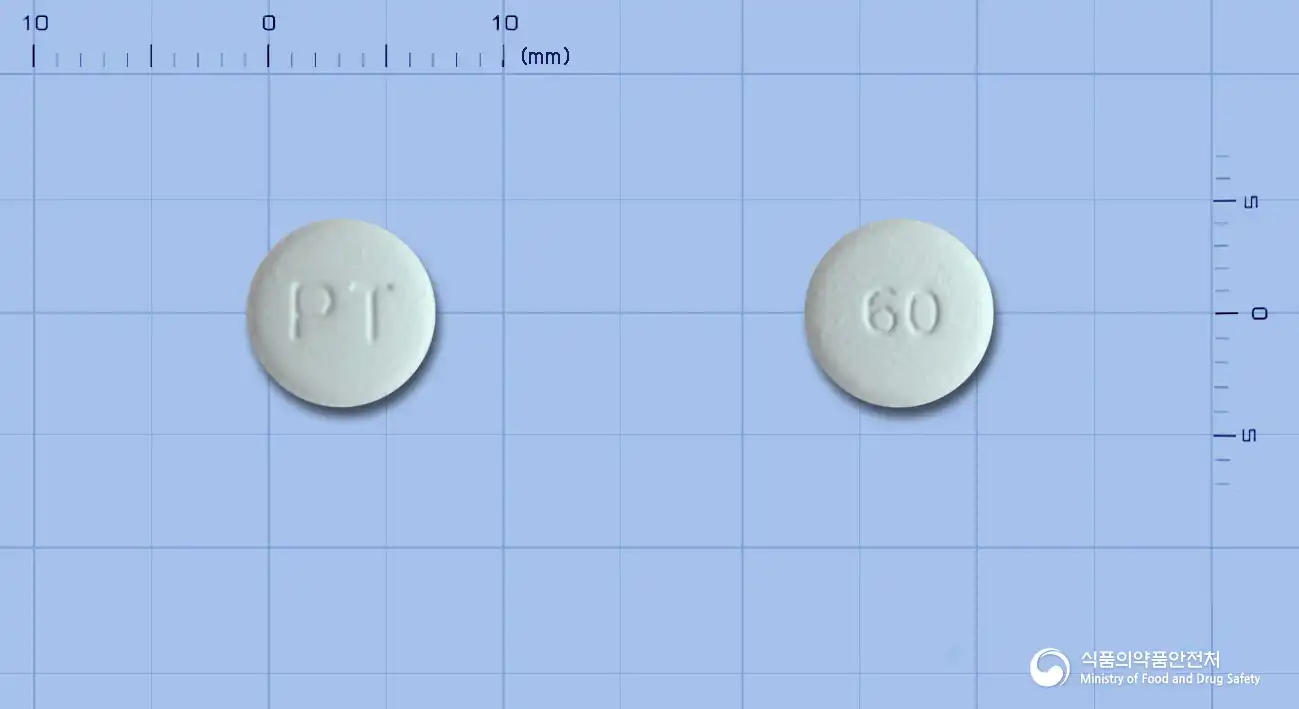
Dapoxetine Hydrochloride 67.2mg
Tablet · Prescription medication
Genewon Science Co., Ltd.
Dapoxetine Hydrochloride 33.6mg
Tablet · Prescription medication
Genewon Science Co., Ltd.
Even with the same ingredient, the dose and directions can differ by strength and dosage form. Talk to a doctor or pharmacist before switching from a medication you are already taking.
No questions yet.
For anything that needs medical judgment, consult a doctor or pharmacist.
This drug information is based on data provided by the Korea Ministry of Food and Drug Safety.
Consult a doctor or pharmacist for accurate dosage, administration, and usage instructions.