
 한국어
 English
 日本語
 中文(简体)
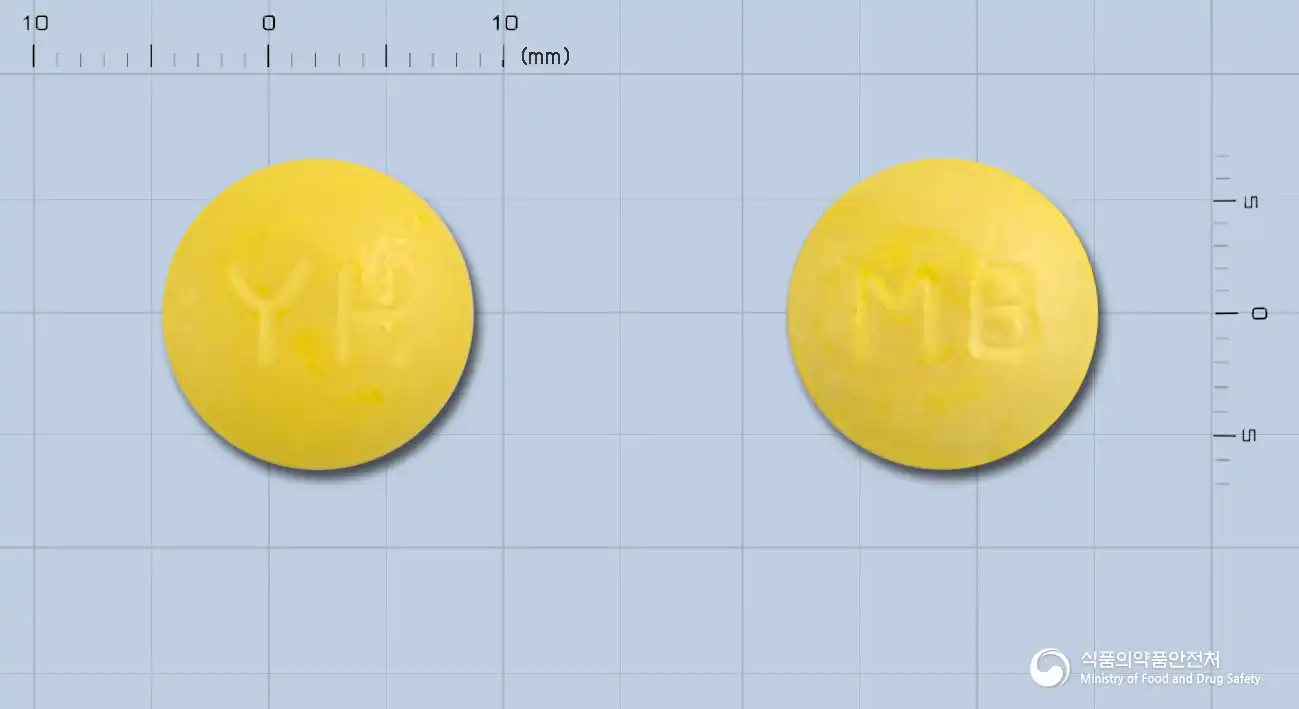
Dosage form image
Viewing nowTuitol 800 mg (Ethambutol Hydrochloride)
Ethambutol Hydrochloride 800mg
Tablet · Prescription medication
(Co., Ltd.) BC World Pharmaceutical
MFDS item code 201507463 · Approved 2015.10.30 · Insurance code 653103010
This product's status changed to Approval withdrawn on 2024.05.31. It may no longer be sold, so consult a doctor or pharmacist before taking it.
Treatment of tuberculosis (including pulmonary tuberculosis)
This medication is effective against Mycobacterium tuberculosis and is used for the treatment of pulmonary tuberculosis and other tuberculosis infections.
1. Initial treatment Administer ethambutol hydrochloride orally at a dose of 15 mg per kg of body weight once every 24 hours. 2. Retreatment Administer this drug at a dose of 25 mg per kg of body weight once every 24 hours. After 60 days of treatment, administer 15 mg per kg of body weight once every 24 hours. When administering 25 mg doses, undergo an ophthalmologic examination once a month. As a rule, administer this drug in combination with other antituberculosis drugs. Adjust the dose as appropriate according to age and symptoms.
This medication should not be administered to specific patients. Patients who have had allergic reactions to this drug or its components, or have optic neuritis, should not use it. Caution is required when administering this drug to patients with diabetes or alcoholism, infants, patients with impaired kidney function, hyperuricemia or gout. Particularly in infants, early detection of vision disorders may be difficult, so careful monitoring is necessary. While taking this medication, vision disturbances such as decreased vision, narrowed field of vision, or difficulty in color discrimination may occur, so if symptoms appear, the medication should be discontinued immediately. Also, symptoms of the central nervous system such as numbness in the limbs, hallucinations, anxiety, insomnia, headache, and dizziness may occur. Rarely, symptoms such as skin rashes, itching, fever, severe allergic reactions, abnormal liver function, difficulty breathing, blood cell reduction, and kidney problems may appear, so any unusual symptoms should be discussed with a doctor immediately. It is important to have regular vision tests and ophthalmic examinations to detect vision disturbances early. Special caution is required for the elderly or patients with impaired kidney function. This medication may interact with other drugs, so it is particularly important to exercise caution when taken with rifampicin. Women who are pregnant or may become pregnant, and nursing mothers should consult a doctor before taking this medication and are advised to avoid it during breastfeeding whenever possible. It is advisable not to administer this medication to children, especially those under 12 years of age. In case of overdose, symptoms such as loss of appetite, nausea, vomiting, abdominal pain, headache, dizziness, mental confusion, and hallucinations may occur, and medical attention should be sought immediately.
Not everyone experiences these, and they can vary from person to person.
This medication should be stored in a tightly sealed container to prevent air or moisture from entering, at a temperature between 1°C and 30°C. Storing it this way can help maintain the drug's effectiveness for a longer period.
Yellow oval film-coated tablet
60 tablets (10 tablets/PTP×6)
Even with the same ingredient, strength, dosage form and how it is taken can differ.
Ethambutol Hydrochloride 800mg
Tablet · Prescription medication
(Co., Ltd.) BC World Pharmaceutical
Ethambutol Hydrochloride 400mg
Tablet · Prescription medication
Yuhan Corporation
Ethambutol Hydrochloride 400mg
Tablet · Prescription medication
BC World Pharmaceutical Co., Ltd.
Even with the same ingredient, the dose and directions can differ by strength and dosage form. Talk to a doctor or pharmacist before switching from a medication you are already taking.
No questions yet.
For anything that needs medical judgment, consult a doctor or pharmacist.
This drug information is based on data provided by the Korea Ministry of Food and Drug Safety.
Consult a doctor or pharmacist for accurate dosage, administration, and usage instructions.