
 한국어
 English
 日本語
 中文(简体)
 Viewing now
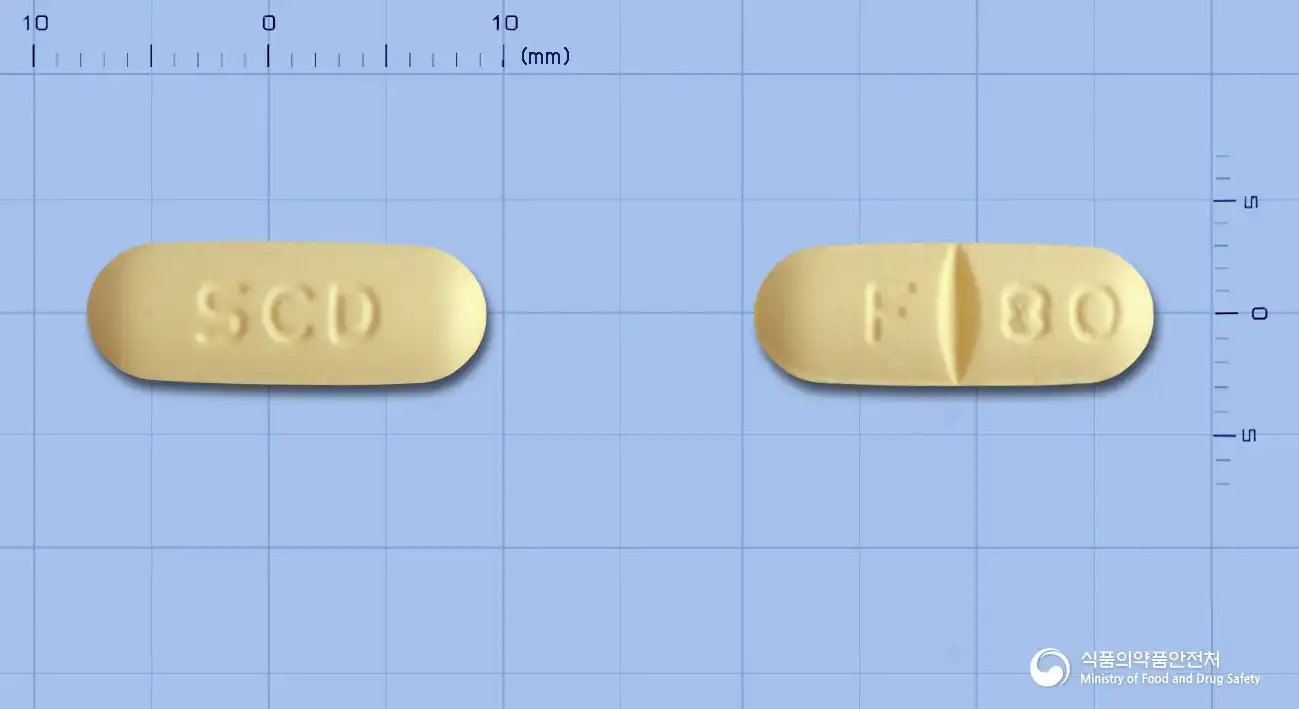
Perox Tablet 80 mg (Febuxostat)
Febuxostat 80mg
Tablet · Prescription medication
Samchundang Pharmaceutical Co., Ltd.
MFDS item code 201507440 · Approved 2015.10.29 · Insurance code 651204670
Treatment of chronic hyperuricemia in patients with gout
This medication is used to treat chronic hyperuricemia, which is a condition characterized by persistently high levels of uric acid in the blood in patients with gout. It helps to prevent gout attacks and protect against joint damage. It is important for patients to maintain consistent use to control uric acid levels, and it is more effective when combined with dietary changes. This treatment helps improve gout symptoms and enhances the quality of life over the long term.
1. Adults Administer 40 mg or 80 mg once daily, regardless of meals. This drug acts very rapidly; recheck serum uric acid levels after 2 weeks. The treatment goal is to reduce and maintain serum uric acid levels below 6 mg/dL (357 μmol/L). 2. Patients with renal impairment No dose adjustment is necessary in patients with mild or moderate renal impairment. The safety and efficacy of this drug have not been adequately evaluated in patients with severe renal impairment (creatinine clearance below 30mL/min). 3. Patients with hepatic impairment No special dose adjustment is necessary in patients with mild or moderate hepatic impairment. Only limited information is available for patients with moderate hepatic impairment, and the efficacy and safety of this drug have not been studied in patients with severe hepatic impairment (Child-Pugh class C).
This medication may increase the risk of cardiovascular death in gout patients with cardiovascular disease, so patients with a history of major cardiovascular diseases such as myocardial infarction, stroke, and unstable angina should consider other treatment options first. Patients with allergies to the ingredients or excipients of this medication, those taking mercaptopurine or azathioprine, and those with lactose intolerance or related genetic disorders should not take this medication. Patients with a history of liver disease, thyroid dysfunction, ischemic heart disease, congestive heart failure, organ transplant recipients, and others should use this medication cautiously with periodic monitoring of liver function and health status. This medication may temporarily worsen gout attacks at the beginning of treatment, so it is advisable not to start treatment until gout attacks settle, and to consider using non-steroidal anti-inflammatory drugs or colchicine in the early stages to prevent attacks. Side effects such as liver dysfunction, rash, headache, diarrhea, fatigue, dizziness, etc. may occur, and if symptoms of liver function decline appear, treatment should be stopped immediately and testing should be done. This medication may cause drowsiness, dizziness, or numbness, so caution is needed when driving or operating machinery. Rare but serious allergic reactions such as Stevens-Johnson syndrome, toxic epidermal necrolysis, and anaphylaxis have been reported, and if such symptoms occur, the medication should be discontinued immediately, and medical consultation is necessary. There is a risk of interaction when taken with mercaptopurine or azathioprine, so they should not be taken together, and caution is needed when taken with theophylline. Pregnant or nursing women are advised not to take this medication, and there is no experience using it in children under 18 years of age, so it should not be administered to them. In case of overdose, there is no specific antidote, so appropriate treatment should be provided based on symptoms, and it should be stored out of reach of children.
Liver dysfunction, dizziness, diarrhea, headache, rash, nausea, fatigue, arthralgia, limb pain, gout, myalgia, pruritus, shortness of breath, anemia, idiopathic thrombocytopenic purpura, leukocytosis, leukopenia, neutropenia, pancytopenia, splenomegaly, thrombocytopenia, angina, atrial fibrillation, atrial flutter, cardiac murmur, electrocardiogram abnormalities, palpitations, bradycardia, tachycardia, hearing loss, tinnitus, dizziness, blurred vision, abdominal distension, abdominal pain, constipation, dry mouth, dyspepsia, flatulence, increased bowel movements, gastritis, gastroesophageal reflux disease, gastrointestinal discomfort, gum pain, hematemesis, hyperchlorhydria, melena, oral ulcers, pancreatitis, stomach ulcer, vomiting, asthenia, chest pain, chest discomfort, edema, mood disturbances, gait disturbances, influenza-like symptoms, mass, pain, thirst, cholelithiasis, diabetes insipidus, fatty liver, hepatitis, hepatomegaly, hypersensitivity, herpes zoster, loss of appetite, decreased appetite, increased appetite, dehydration, diabetes, hypercholesterolemia, hyperlipidemia, hypertriglyceridemia, hypokalemia, weight loss, weight gain, arthritis, joint stiffness, joint swelling, muscle cramps, muscle fasciculation, muscle spasms, muscle weakness, musculoskeletal pain, muscle rigidity, taste changes, balance disorders, cerebrovascular accident, Guillain-Barré syndrome, headache, partial paralysis, sensory loss, decreased sense of smell, heat stroke, drowsiness, mental disorders, migraine, sensory disturbances, somnolence, transient ischemic attack, tremor, agitation, anxiety, depression, insomnia, excitability, decreased libido, nervousness, panic attacks, personality changes, hematuria, nephrolithiasis, frequent urination, proteinuria, renal failure, renal insufficiency, urinary urgency, urinary incontinence, mastalgia, erectile dysfunction, gynecomastia, bronchitis, cough, shortness of breath, epistaxis, nasal dryness, excessive sinus secretion, oropharyngeal edema, airway congestion, sneezing, throat irritation, upper respiratory infection, alopecia, angioedema, dermatitis, skin necrosis, petechial hemorrhage, eczema, hair discoloration, abnormal hair growth, hyperhidrosis, skin peeling, petechiae, photosensitivity, pruritus, purpura, skin discoloration, pigmentary changes, skin lesions, axillary hyperhidrosis, urticaria, flushing, facial flushing, hypertension, hypotension, activated partial thromboplastin time prolongation, increased creatinine, decreased bicarbonate, increased sodium, EEG abnormalities, increased glucose, increased cholesterol, increased triglycerides, increased amylase, increased potassium, increased thyroid-stimulating hormone, decreased platelet count, decreased hematocrit, decreased hemoglobin, increased MCV, decreased red blood cells, increased creatinine, elevated blood urea nitrogen, increased blood urea/creatinine ratio, increased CPK, increased ALP, increased LDH, increased PSA, increased urinary output, decreased urinary output, decreased lymphocyte count, decreased neutrophil count, increased white blood cell count, decreased white blood cell count, abnormal blood coagulation tests, increased low-density lipoprotein, prolonged prothrombin time, urinary casts, positive urinary leukocytes, positive urinary protein, contusion, Stevens-Johnson syndrome, toxic epidermal necrolysis, acute anaphylaxis, shock, severe allergic reaction, hypersensitivity reaction, eosinophilia, systemic symptoms associated with drug reactions, fever, hematological disorders, renal disorders, liver disorders, liver failure, jaundice, liver dysfunction, agranulocytosis, rhabdomyolysis
Not everyone experiences these, and they can vary from person to person.
This medication may be sensitive to air and moisture, so it should be stored in a tightly sealed container. The recommended storage temperature is room temperature between 1 and 30 degrees Celsius.
Light yellow to yellow oval film-coated tablet with a line on one side.
28 tablets/bottle
Even with the same ingredient, strength, dosage form and how it is taken can differ.
Viewing nowFebuxostat 80mg
Tablet · Prescription medication
Samchundang Pharmaceutical Co., Ltd.
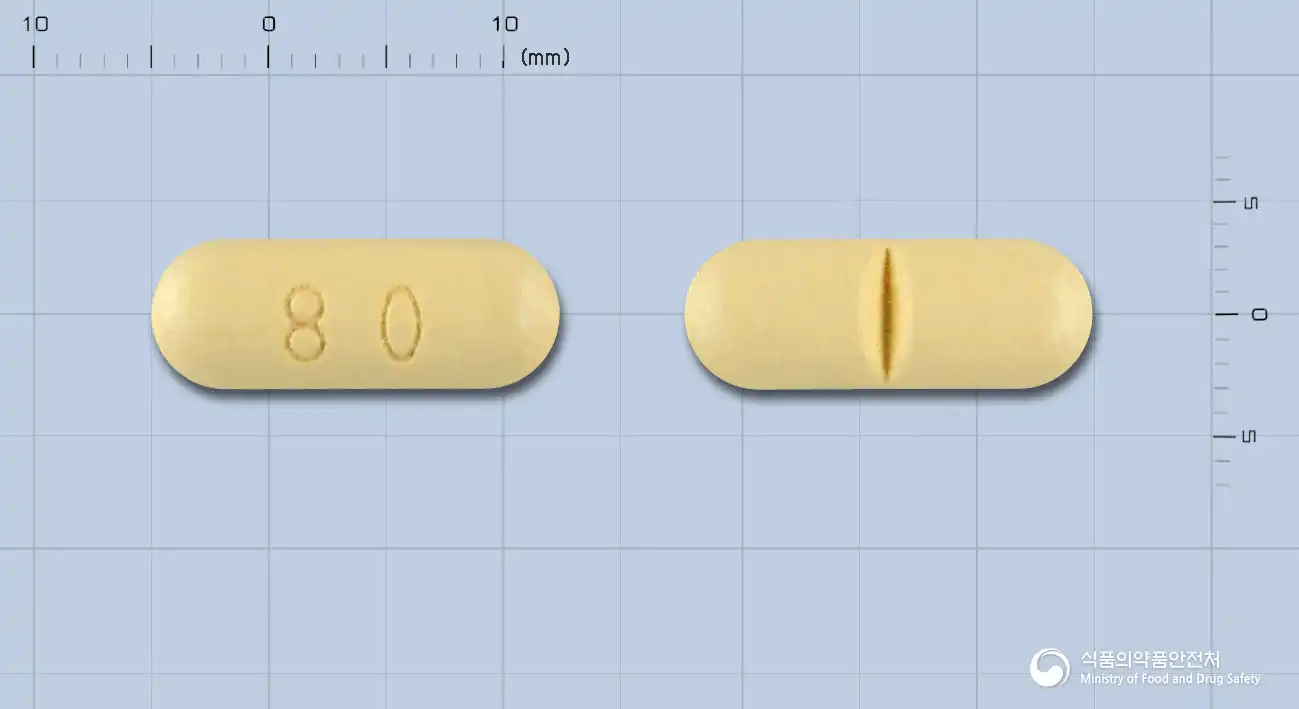
Febuxostat 80mg
Tablet · Prescription medication
SK Chemicals Co., Ltd.
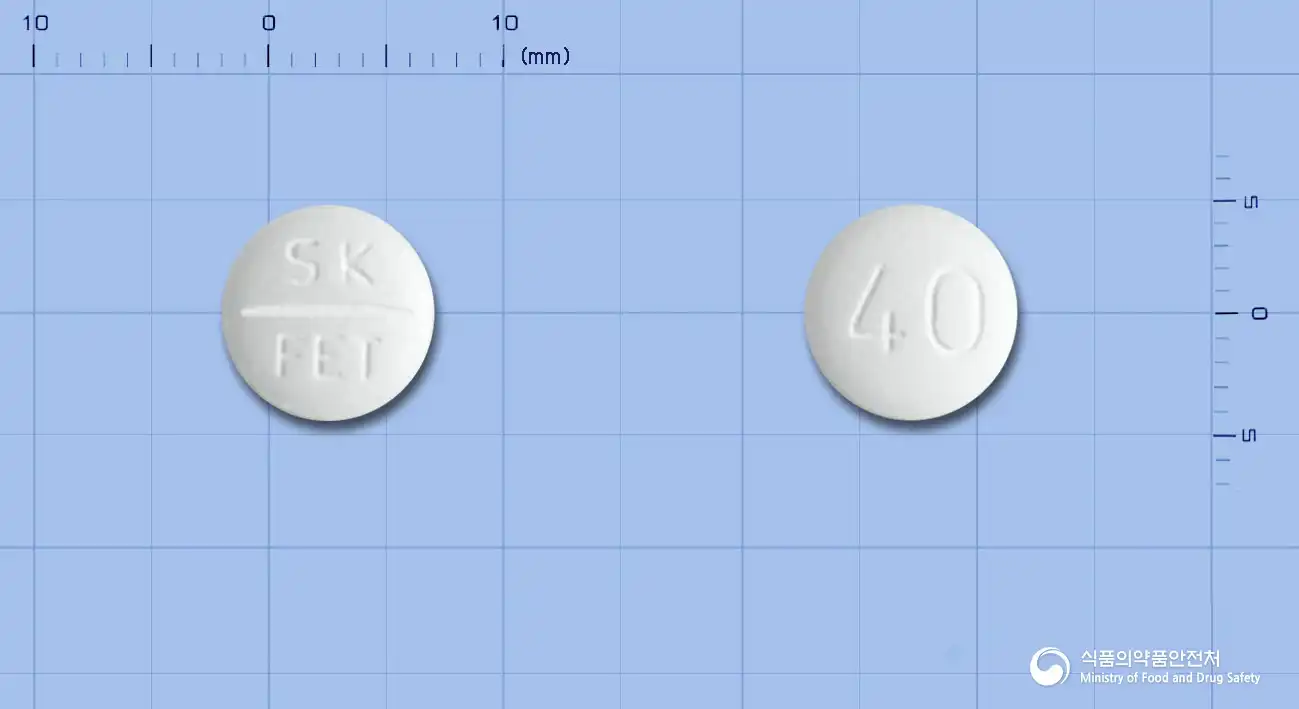
Febuxostat 40mg
Tablet · Prescription medication
SK Chemicals Co., Ltd.
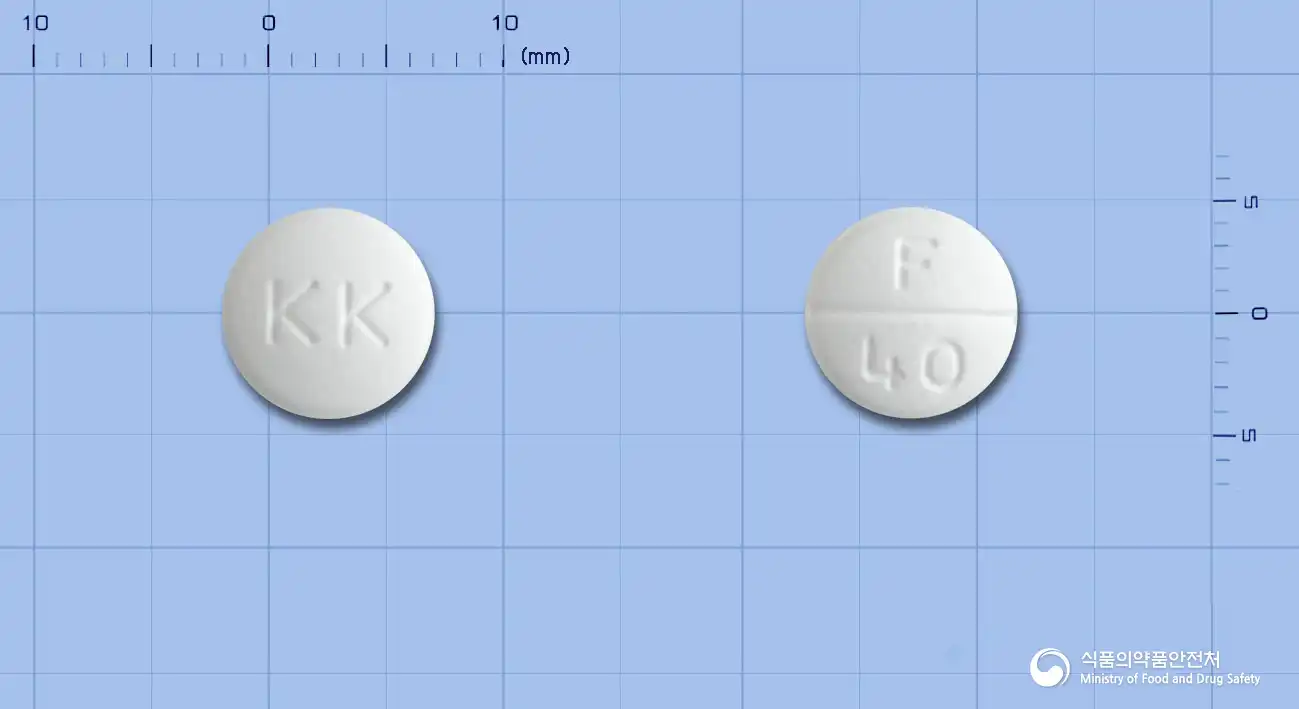
Febuxostat 40mg
Tablet · Prescription medication
Genewon Science Co., Ltd.
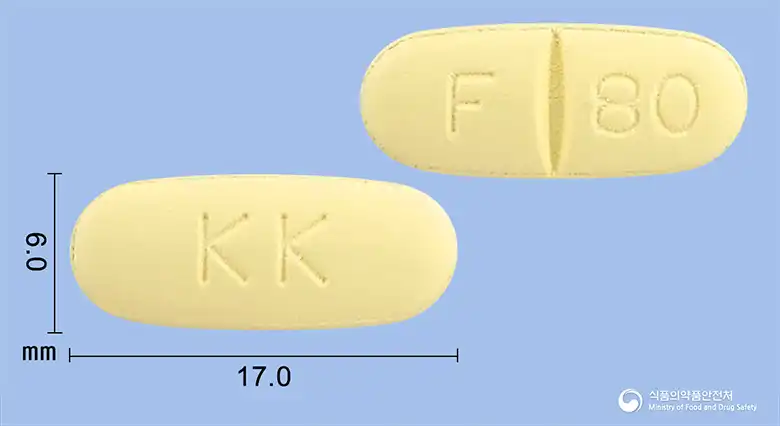
Febuxostat 80mg
Tablet · Prescription medication
Genewon Science Co., Ltd.
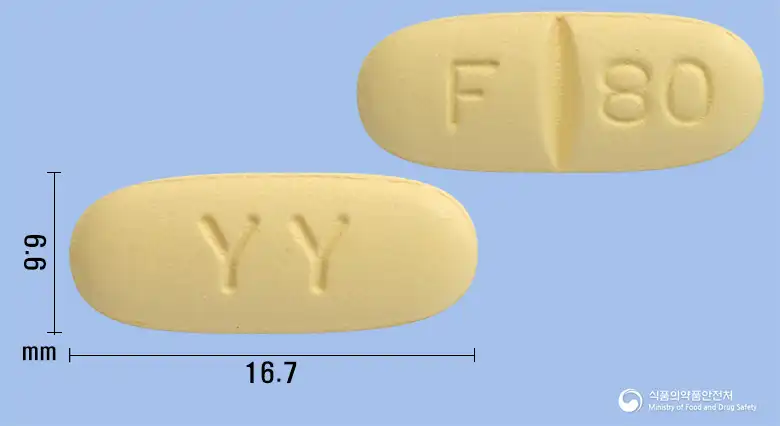
Febuxostat 80mg
Tablet · Prescription medication
YuYu Pharmaceutical Co., Ltd.
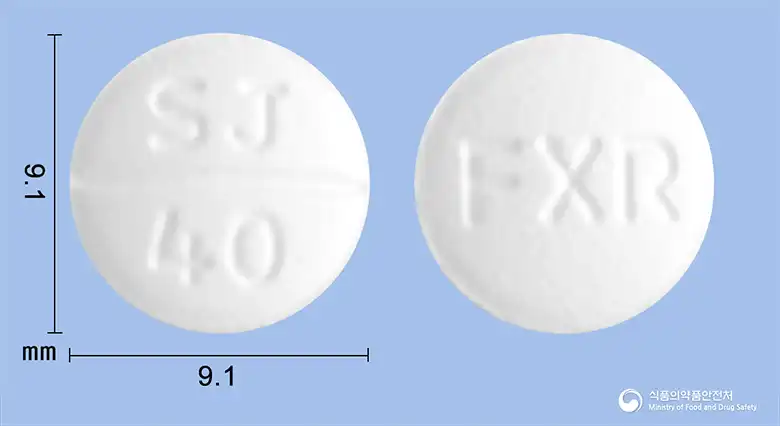
Febuxostat 40mg
Tablet · Prescription medication
Samjin Pharmaceutical Co., Ltd.
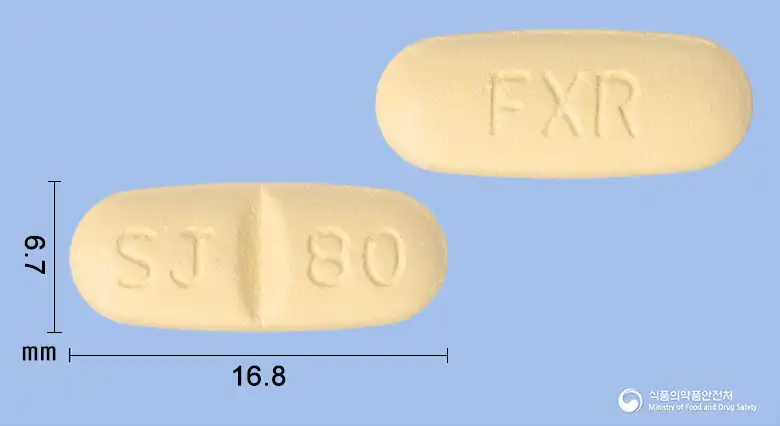
Febuxostat 80mg
Tablet · Prescription medication
Samjin Pharmaceutical Co., Ltd.
Even with the same ingredient, the dose and directions can differ by strength and dosage form. Talk to a doctor or pharmacist before switching from a medication you are already taking.
No questions yet.
For anything that needs medical judgment, consult a doctor or pharmacist.
This drug information is based on data provided by the Korea Ministry of Food and Drug Safety.
Consult a doctor or pharmacist for accurate dosage, administration, and usage instructions.