
 한국어
 English
 日本語
 中文(简体)
 Viewing now
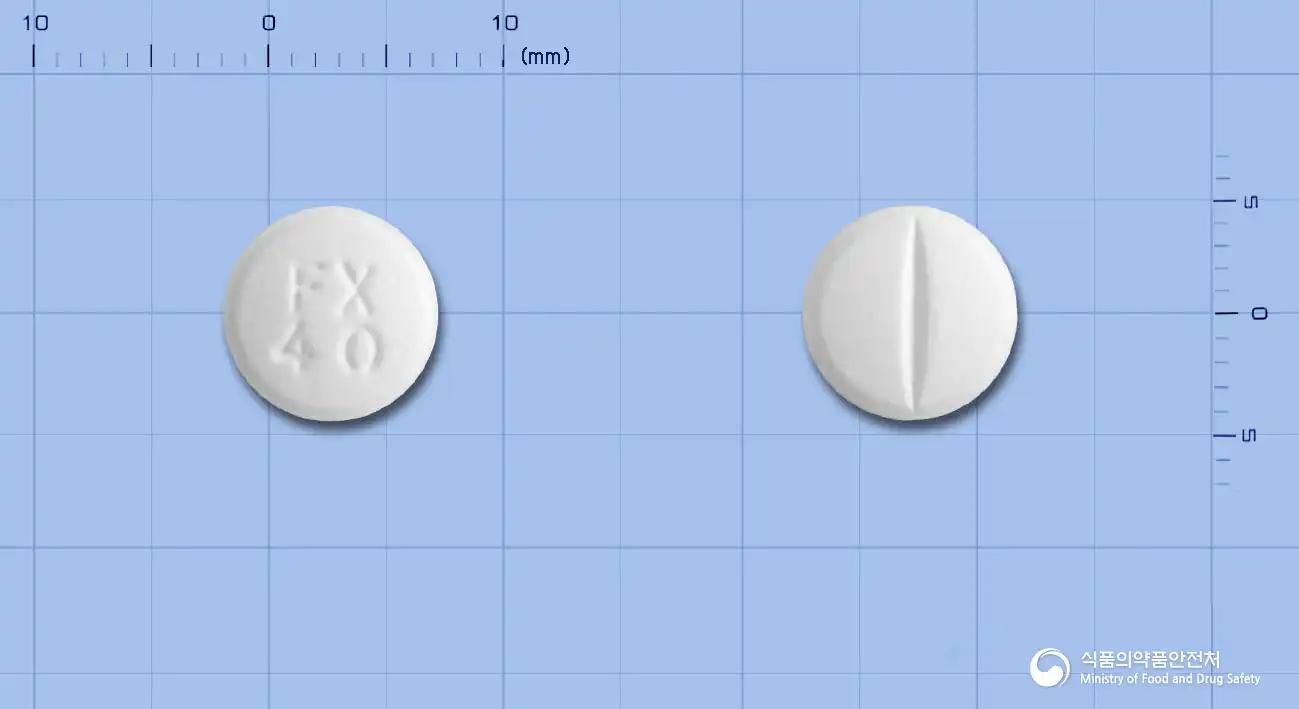
Pexostart 40 mg Tablets (Febuxostat)
Febuxostat 40mg
Tablet · Prescription medication
Hanmi Pharmaceutical Co., Ltd.
MFDS item code 201507411 · Approved 2015.10.28 · Insurance code 643507410
Treatment of chronic hyperuricemia in patients with gout
This medication is used for the treatment of chronic hyperuricemia occurring in patients with gout. Hyperuricemia can cause gout attacks and joint damage due to elevated uric acid levels in the blood, making proper management essential. This medication helps to lower uric acid levels to relieve gout symptoms and prevent recurrences. Patients with gout can improve their chronic symptoms and maintain a healthy life through this treatment.
1. Adults Administer 40mg or 80mg once daily, with or without food. This medicine acts very rapidly; therefore, recheck the serum uric acid concentration after 2 weeks. The treatment goal is to lower and maintain the serum uric acid concentration below 6 mg/dL(357 μmol/L). 2. Patients with renal impairment No dose adjustment is necessary in patients with mild or moderate renal impairment. The safety and efficacy of this medicine have not been adequately evaluated in patients with severe renal impairment (creatinine clearance below 30mL/min). 3. Patients with hepatic impairment No specific dose adjustment is necessary in patients with mild or moderate hepatic impairment. Limited information is available for patients with moderate hepatic impairment, and the efficacy and safety of this medicine have not been studied in patients with severe hepatic impairment (Child Pugh class C).
This medication may increase the risk of cardiovascular death in patients with cardiovascular diseases, so it is advisable for patients with a history of major cardiovascular conditions such as myocardial infarction or stroke to avoid this medication if alternative treatments are available. Additionally, patients who are allergic to the active ingredient or any excipients, and those taking certain medications (mercaptopurine, azathioprine) or have lactose intolerance or specific genetic disorders should not take this medication. Patients with liver diseases or thyroid dysfunction, ischemic heart disease, or heart failure should use this medication cautiously and regular liver function tests are recommended. This medication can cause various side effects such as liver dysfunction, diarrhea, headache, rash, fatigue, muscle pain, dizziness, etc. If symptoms appear, consultation with healthcare professionals is necessary. In the initial phase of treatment, gout attacks may temporarily worsen, so it is recommended to take non-steroidal anti-inflammatory drugs or colchicine for at least 6 months to prevent this. Caution should be taken when driving or operating machinery as drowsiness or dizziness may occur, and if severe allergic reactions or hypersensitivity reactions appear, the medication should be stopped immediately and healthcare professionals notified. This medication can interact with other drugs, so it is necessary to consult with healthcare professionals, especially if taking mercaptopurine, azathioprine, theophylline, etc. It is safest for pregnant or breastfeeding women to avoid this medication, and there is no experience recommending it for children or adolescents under 18 years old. There are no specific cases of overdose, but appropriate treatment is required based on symptoms. This medication should be stored out of reach of children, and no special storage conditions are required.
Liver dysfunction, dizziness, diarrhea, headache, rash, nausea, fatigue, joint pain, limb pain, gout, myalgia, pruritus, dyspnea, anemia, idiopathic thrombocytopenic purpura, leukocytosis, leukopenia, neutropenia, pancytopenia, splenomegaly, thrombocytopenia, angina pectoris, atrial fibrillation, atrial flutter, cardiac murmur, abnormal electrocardiogram, palpitations, bradycardia, tachycardia, hearing loss, tinnitus, dizziness, blurred vision, abdominal distension, abdominal pain, constipation, dry mouth, dyspepsia, flatulence, increased bowel movements, gastritis, gastroesophageal reflux disease, gastrointestinal discomfort, gum pain, hematemesis, hyperacidity, passage of bloody stools, oral ulcer, pancreatitis, gastric ulcer, vomiting, asthenia, chest pain, chest discomfort, edema, emotional disorders, gait difficulties, influenza-like symptoms, pain, thirst, cholelithiasis, diabetes insipidus, fatty liver, hepatitis, hepatomegaly, hypersensitivity, shingles, anorexia, decreased appetite, increased appetite, dehydration, diabetes, hypercholesterolemia, hyperlipidemia, hypertriglyceridemia, hypokalemia, weight loss, weight gain, arthritis, joint stiffness, joint swelling, muscle cramps, muscle single contraction, muscle stenosis, muscle weakness, musculoskeletal pain, muscle rigidity, altered taste, balance disorders, cerebrovascular accident, Guillain-Barré syndrome, headache, incomplete paralysis, sensory loss, hyposmia, thermalarterial infarction, drowsiness, mental disorders, migraine, sensory disturbances, sleepiness, transient ischemic attack, tremors, restlessness, anxiety, depression, insomnia, excitability, decreased libido, neural sensitivity, panic attacks, personality changes, hematuria, nephrolithiasis, pollakiuria, proteinuria, renal failure, impaired renal function, urinary urgency, urinary incontinence, mastalgia, erectile dysfunction, gynecomastia, bronchitis, cough, dyspnea, epistaxis, nasal dryness, excessive secretion from sinuses, pharyngeal edema, airway congestion, sneezing, throat irritation, upper respiratory infection, alopecia, angioedema, dermatitis, skin pigmentation, petechial hemorrhage, eczema, hair discoloration, hair growth abnormalities, hyperhidrosis, skin peeling, petechiae, photosensitivity, pruritus, purpura, skin discoloration, changes in pigmentation, skin lesions, axillary hyperhidrosis, urticaria, flushing, facial flushing, hypertension, hypotension, prolonged activated partial thromboplastin time, elevated creatinine, decreased bicarbonate, increased sodium, abnormal EEG, increased glucose, increased cholesterol, increased triglycerides, increased amylase, increased potassium, elevated thyroid-stimulating hormone, decreased platelets, decreased hematocrit, decreased hemoglobin, increased MCV, decreased erythrocytes, elevated creatinine, increased blood urea nitrogen, increased blood urea to creatinine ratio, increased CPK, increased ALP, increased LDH, increased PSA, increased or decreased urinary output, decreased lymphocyte count, decreased neutrophil count, increased or decreased white blood cell count, abnormal coagulation tests, increased LDL cholesterol, prolonged prothrombin time, urinary casts, positive leukocyte and protein in urine, contusion, Stevens-Johnson syndrome, toxic epidermal necrolysis, acute anaphylactic reaction, shock, drug reactions accompanied by eosinophilia and systemic symptoms, liver failure, jaundice, hepatic impairment, angioedema, agranulocytosis, rhabdomyolysis, increased CPK, chest pain, hepatic coma, cough, hearing loss, asthenia, fever, abdominal pain, diarrhea, malignant pulmonary neoplasm, influenza-like symptoms, gastritis, gout, oliguria, pleural effusion, itchy rash, hepatic coma, herpes simplex, fecal incontinence, dysuria, frequent bowel movements, tonsillitis, pleural effusion, allergic rhinitis, bone fracture, malignant pulmonary neoplasm, peripheral artery occlusive disease
Not everyone experiences these, and they can vary from person to person.
This medication should be stored in a tightly sealed container to protect it from air and moisture, and it is important to keep it at a room temperature between 1 to 30 degrees Celsius. Proper storage helps maintain the medication's effectiveness for a longer period.
White round film-coated tablets with a break line on one side
30 tablets/bottle, 300 tablets/bottle
Even with the same ingredient, strength, dosage form and how it is taken can differ.
Viewing nowFebuxostat 40mg
Tablet · Prescription medication
Hanmi Pharmaceutical Co., Ltd.
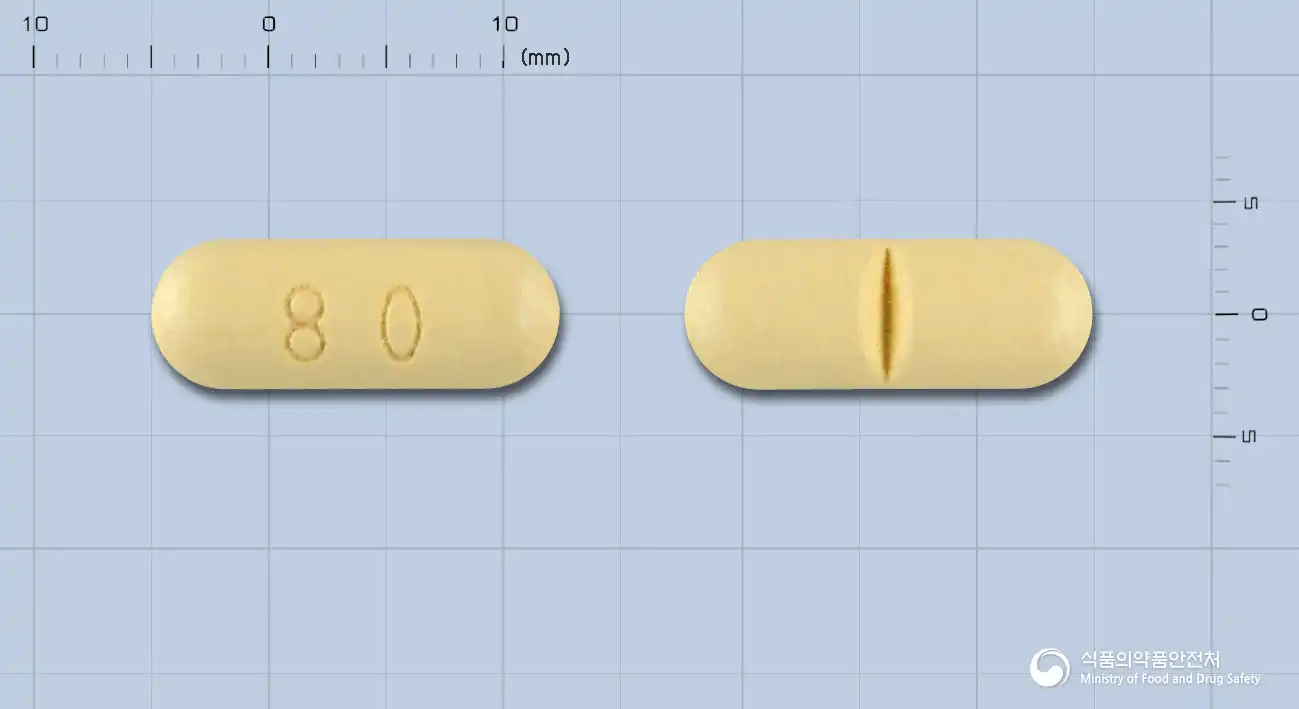
Febuxostat 80mg
Tablet · Prescription medication
SK Chemicals Co., Ltd.
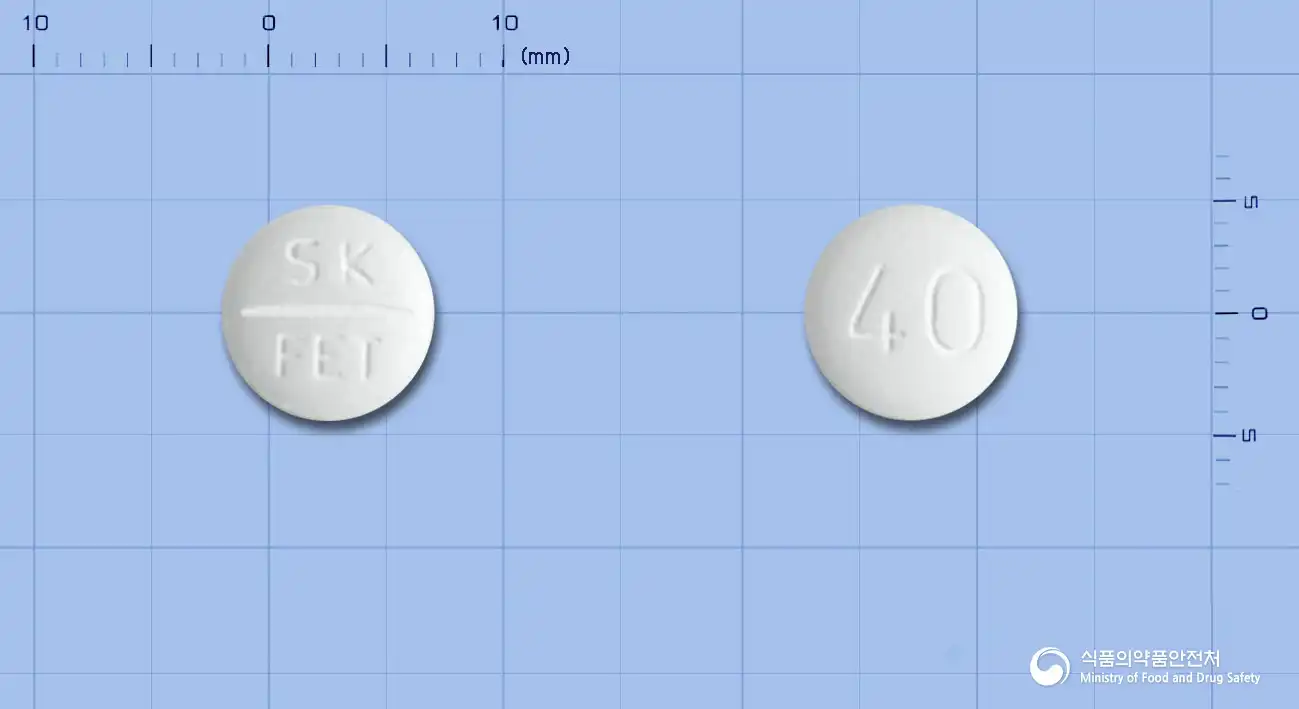
Febuxostat 40mg
Tablet · Prescription medication
SK Chemicals Co., Ltd.
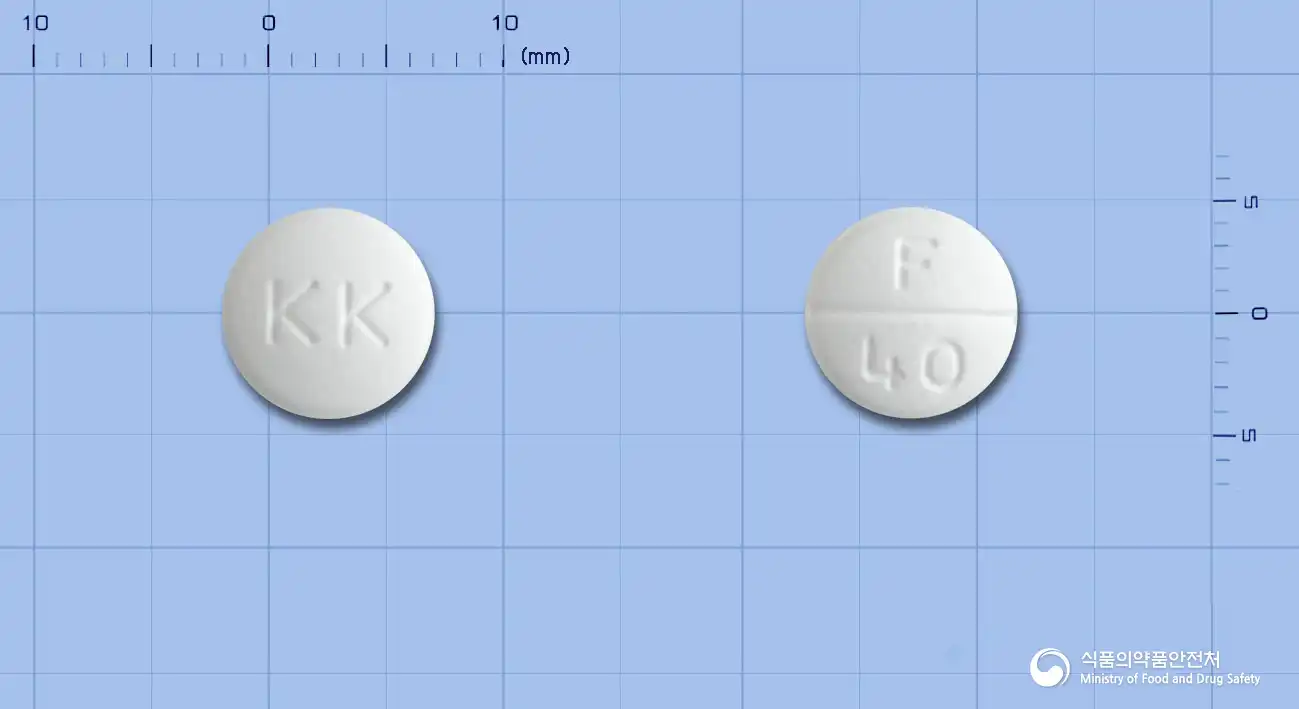
Febuxostat 40mg
Tablet · Prescription medication
Genewon Science Co., Ltd.
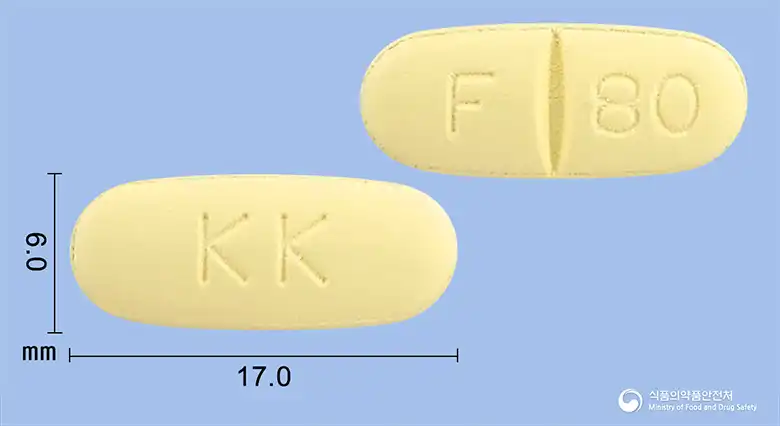
Febuxostat 80mg
Tablet · Prescription medication
Genewon Science Co., Ltd.
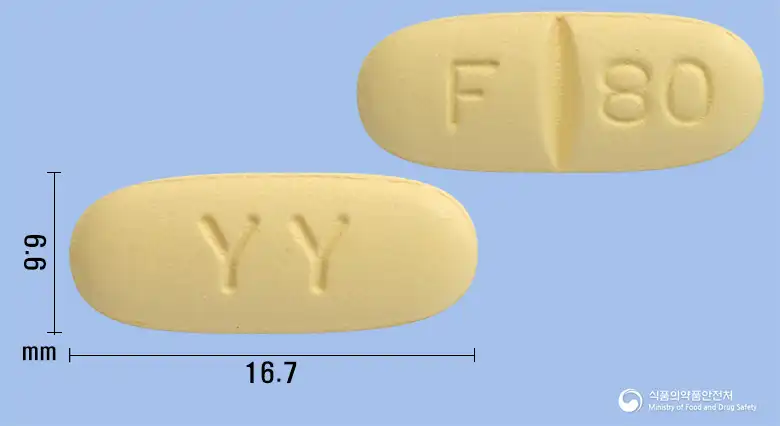
Febuxostat 80mg
Tablet · Prescription medication
YuYu Pharmaceutical Co., Ltd.
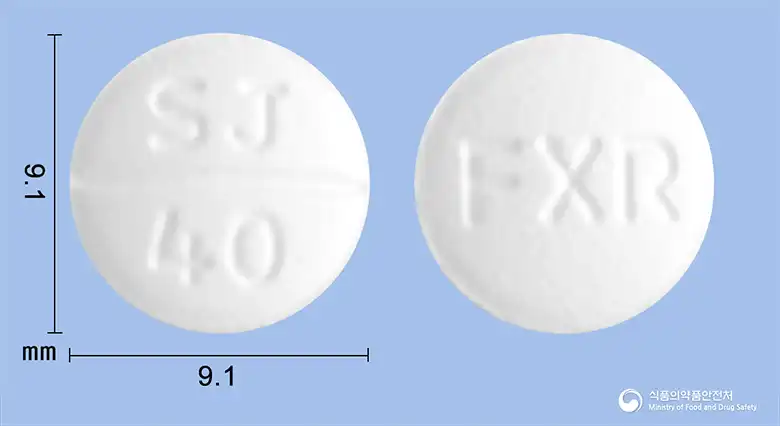
Febuxostat 40mg
Tablet · Prescription medication
Samjin Pharmaceutical Co., Ltd.
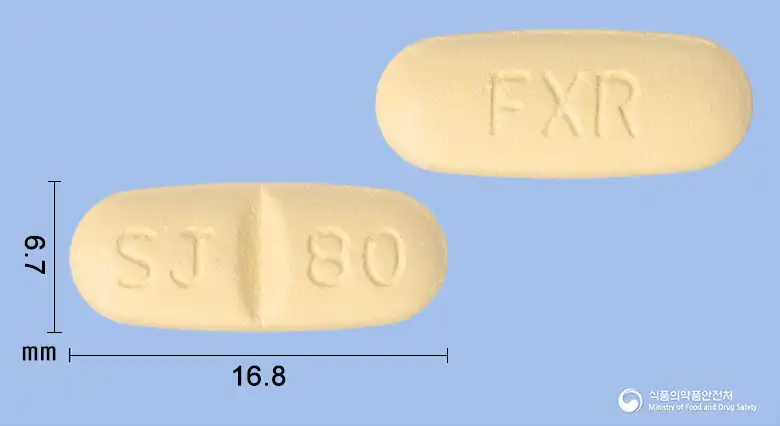
Febuxostat 80mg
Tablet · Prescription medication
Samjin Pharmaceutical Co., Ltd.
Even with the same ingredient, the dose and directions can differ by strength and dosage form. Talk to a doctor or pharmacist before switching from a medication you are already taking.
No questions yet.
For anything that needs medical judgment, consult a doctor or pharmacist.
This drug information is based on data provided by the Korea Ministry of Food and Drug Safety.
Consult a doctor or pharmacist for accurate dosage, administration, and usage instructions.