
 한국어
 English
 日本語
 中文(简体)
 Viewing now
New Xantine Capsule 150mg (Nizatidine)
Nizatidine 150mg
Hard capsule · Prescription medication
Daehan Newpharm Co., Ltd.
MFDS item code 201506840 · Approved 2015.09.30 · Insurance code 669906420
Treatment and prevention of recurrence of gastric and duodenal ulcers; treatment of esophagitis and heartburn; improvement of gastritis lesions
This medication helps treat active gastric and duodenal ulcers and prevents recurrence of duodenal ulcers. It also alleviates heartburn symptoms associated with erosive and ulcerative esophagitis verified by endoscopy and gastroesophageal reflux disease (GERD). It also has effects in improving gastric mucosal lesions caused by acute exacerbation of acute gastritis and chronic gastritis. This drug is used to relieve symptoms associated with various gastric and duodenal disorders and improve mucosal conditions.
1. Treatment of active gastric and duodenal ulcers Adults: Administer nizatidine 300mg once daily at bedtime or 150mg twice daily, in the morning and evening, by oral administration. Most ulcers heal within 4 weeks, but treatment may be continued for up to 8 weeks if needed. In cases of active gastric ulcers, malignancy must be ruled out before treatment. 2. Prevention of recurrence of duodenal ulcers Adults: After healing of a duodenal ulcer, administer 150mg orally once daily at bedtime. Treatment may continue for up to 1 year; results for longer-term administration are not known. 3. Gastroesophageal reflux disease Adults: Administer 150mg orally twice daily, in the morning and evening. Treatment may continue for up to 12 weeks. 4. Improvement of gastric mucosal lesions Adults: Administer 150mg orally twice daily, in the morning and evening, for 2 weeks. 5. Dose adjustment for patients with severe renal impairment The dose for patients with renal impairment should be reduced and adjusted as follows. Active duodenal ulcer, gastroesophageal reflux disease (GERD), benign gastric ulcer: Creatinine clearance 20~50 ml/min, 150mg daily Active duodenal ulcer, gastroesophageal reflux disease (GERD), benign gastric ulcer: Creatinine clearance < 20 ml/min, 150mg every other day Maintenance therapy: Creatinine clearance 20~50 ml/min, 150mg every other day Maintenance therapy: Creatinine clearance < 20 ml/min, 150mg every 3 days Some older adults may have creatinine clearance reduced to below 50mL/min. Based on pharmacokinetic data in patients with renal impairment, the dose should be reduced in these patients according to the degree of renal impairment. The clinical impact of such dose reduction in patients with renal impairment has not been evaluated.
This medication should not be used in patients with hypersensitivity to specific drugs. Special caution is needed if there is a history of allergy to medications with a similar action as this one. Patients with liver or kidney dysfunction should use this medication with increased caution. If kidney function is impaired, the dosage should be reduced or the dosing interval increased. This drug contains certain dyes, so patients allergic to these dyes should also be careful. If allergic reactions such as rash, itching, or difficulty breathing occur during use, discontinue taking the drug immediately. Rarely, blood abnormalities, digestive disturbances, liver function abnormalities, mental confusion, and dizziness may occur. In women, breast enlargement symptoms have been reported rarely, and changes in sexual function may also occur. This medication may mask symptoms of gastric cancer, so it should only be used after confirming that it is not a malignant condition. Patients with moderate to severe kidney impairment require dosage adjustments and careful monitoring of therapeutic effects and side effects. Pregnant or breastfeeding women should only use this medication after consulting a physician when necessary. The safety of this medication in children has not been established, so caution is needed. Elderly patients are at higher risk of decreased kidney function, and it is advisable to conduct kidney function tests and adjust dosages accordingly. There is no specific antidote for overdose; therefore, appropriate treatment based on symptoms is necessary. This drug does not have significant interactions with other specific medications, but concurrent use with certain drugs may lead to changes in blood concentration. It is safe to have regular blood tests and tests for liver and kidney function during treatment.
Not everyone experiences these, and they can vary from person to person.
This medication should be stored in a tightly sealed container to prevent air and moisture ingress. Additionally, it should be stored at room temperature between 1 and 30 degrees Celsius. Proper storage helps maintain the drug's effectiveness.
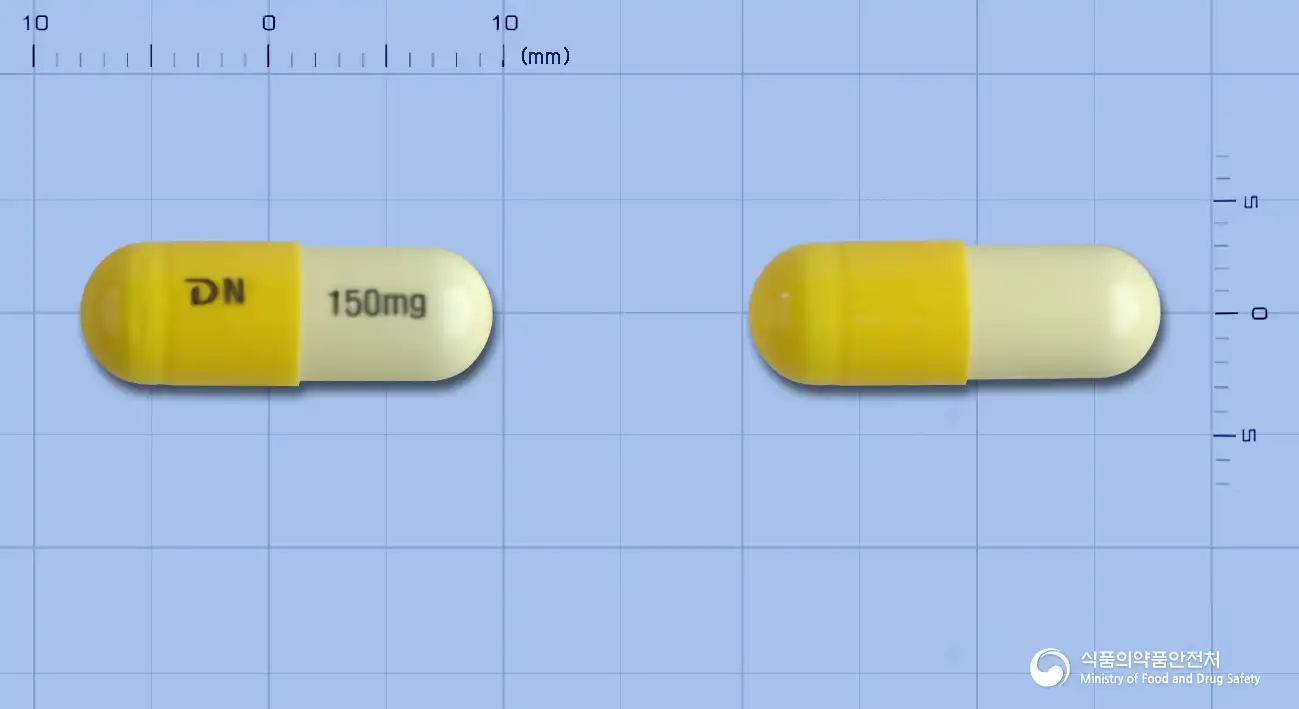
A hard capsule with a yellow upper part and a pale yellow lower part filled with pale yellow contents.
30 capsules/bottle, 300 capsules/bottle
Even with the same ingredient, strength, dosage form and how it is taken can differ.
Viewing nowNizatidine 150mg
Hard capsule · Prescription medication
Daehan Newpharm Co., Ltd.
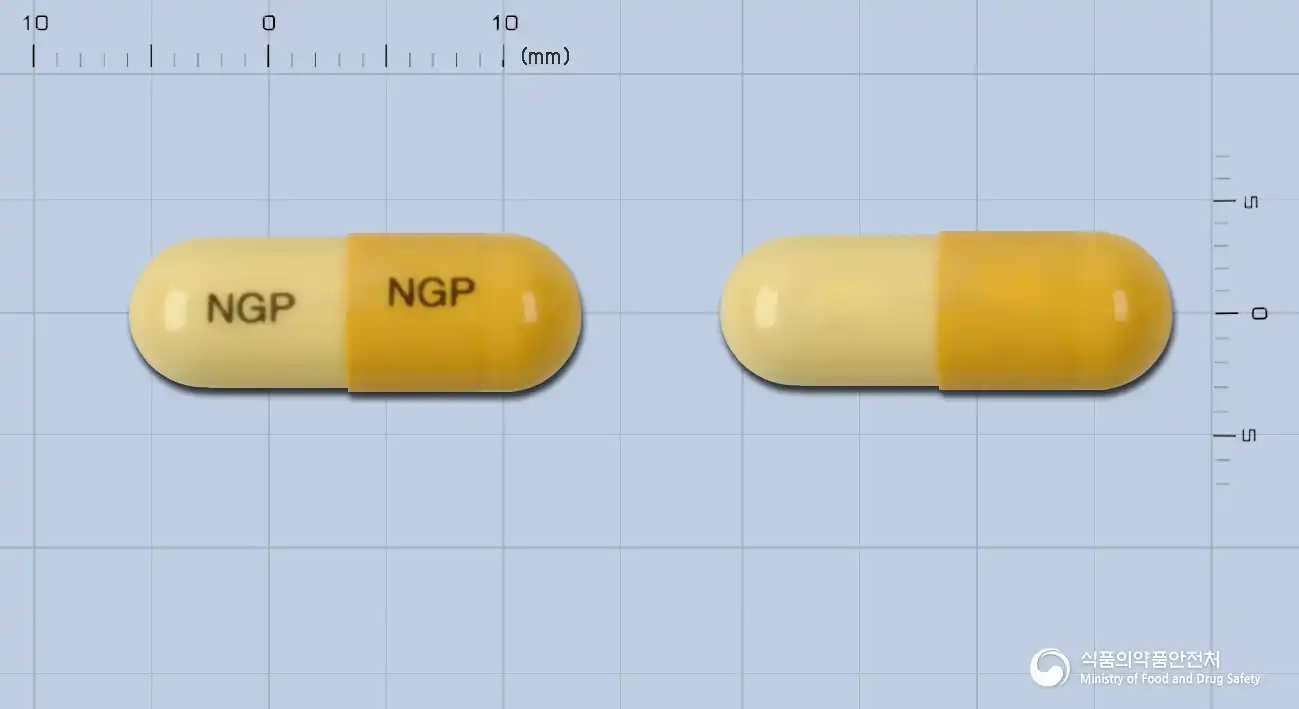
Nizatidine 150mg
Hard capsule · Prescription medication
Celix Co., Ltd.

Nizatidine 150mg
Hard capsule · Prescription medication
Ajou Pharmaceutical Co., Ltd.
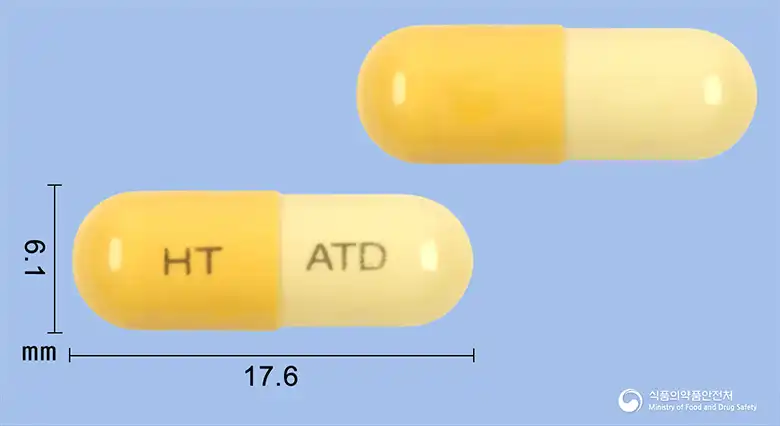
Nizatidine 150mg
Hard capsule · Prescription medication
Hankook Hyutex Pharmaceutical Co., Ltd.

Nizatidine 150mg
Hard capsule · Prescription medication
IYON Pharmaceutical Co., Ltd.
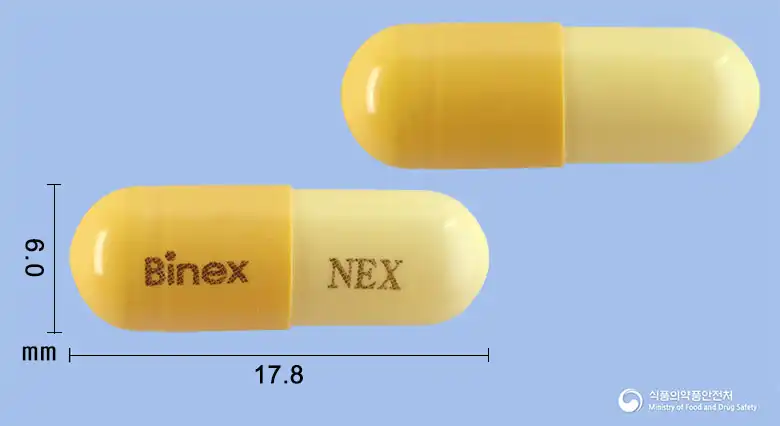
Nizatidine 150mg
Hard capsule · Prescription medication
Bionex Co., Ltd.
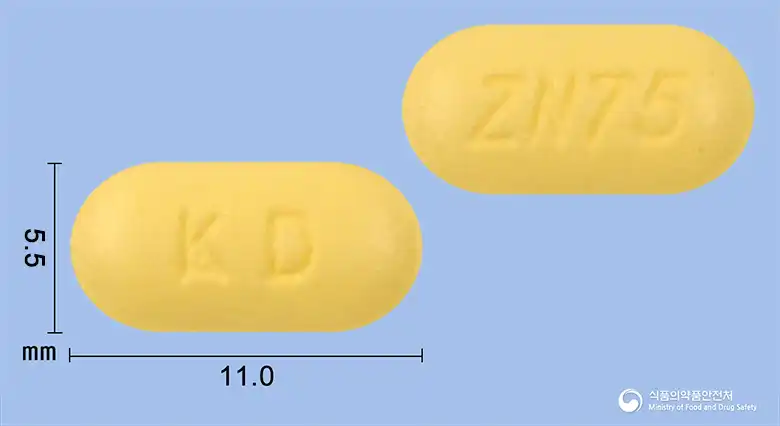
Nizatidine 75mg
Tablet · OTC medication
Kyungdong Pharmaceutical Co., Ltd.
Nizatidine 75mg
Tablet · OTC medication
HLB Pharmaceuticals Co., Ltd.
Even with the same ingredient, the dose and directions can differ by strength and dosage form. Talk to a doctor or pharmacist before switching from a medication you are already taking.
No questions yet.
For anything that needs medical judgment, consult a doctor or pharmacist.
This drug information is based on data provided by the Korea Ministry of Food and Drug Safety.
Consult a doctor or pharmacist for accurate dosage, administration, and usage instructions.