
 한국어
한국어 English
 日本語
日本語 中文(简体)
 Viewing nowCombination
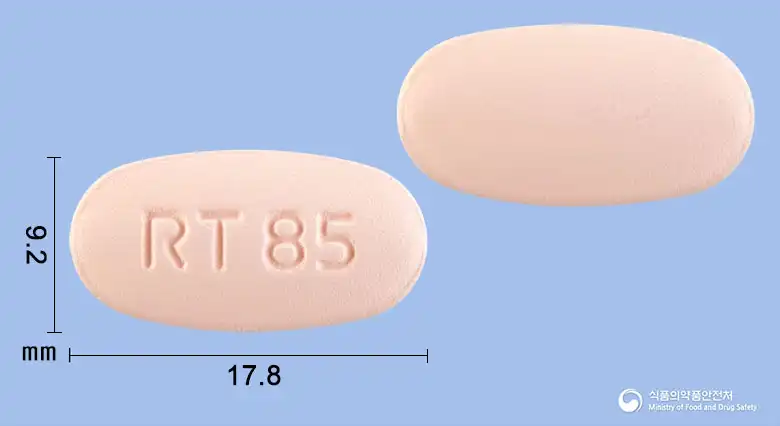
Lostel Tablet 80/5 mg
Telmisartan 80mg · Rosuvastatin Calcium 5.2mg
Tablet · Prescription medication · Combination
Samchundang Pharmaceutical Co., Ltd.
MFDS item code 201506817 · Approved 2015.09.25 · Insurance code 651204390
Treatment for the reduction of the risk of (hypertension, dyslipidemia) and cardiovascular disease
This medication is used for patients who require the concurrent administration of both telmisartan and rosuvastatin. First, telmisartan is used to control blood pressure in patients with essential hypertension and help reduce the risk of myocardial infarction, stroke, and mortality due to cardiovascular disease in patients aged 55 years or older who are at high risk for major cardiovascular disease. It is also used as an alternative treatment for patients who cannot take ACE inhibitors. Meanwhile, rosuvastatin calcium is used in conjunction with dietary therapy for patients with hypercholesterolemia and various forms of dyslipidemia to lower serum cholesterol and LDL-cholesterol levels and delay the progression of atherosclerosis. Additionally, it aids in homozygous familial hypercholesterolemia and abnormal beta-lipoproteinemia, and is particularly effective in reducing the risk of stroke, myocardial infarction, and arterial revascularization in patients who are at high risk for cardiovascular disease. Therefore, this medication is used to comprehensively improve cardiovascular health in patients with hypertension and dyslipidemia.
Telmisartan: In adults with essential hypertension, an oral dose of 40 mg once a day is recommended, and may start at 20 mg once a day if necessary, with a maximum increase to 80 mg. For the purpose of reducing the risk of cardiovascular disease, an oral dose of 80 mg once a day is recommended. Caution should be exercised in patients with liver impairment and should not exceed 40 mg once a day. Rosuvastatin Calcium: The initial dose is 5 mg once a day, depending on the patient’s response and LDL-cholesterol levels.
This medication can cause serious harm to the fetus and newborn during pregnancy, so if pregnancy is confirmed, consumption must be stopped immediately. Patients with allergies to this medication or its components, pregnant or breastfeeding women, or fertile women who are not using adequate contraception should not take this medication. Patients with severe liver dysfunction or problems with bile secretion should not take this medication. Patients at high risk of myopathy or rhabdomyolysis, those with severe renal impairment, and those using certain immunosuppressants or antidiabetic agents should also refrain from taking this medication. Elderly patients, those with hyperkalemia, and patients with mild to moderate liver dysfunction should take this medication cautiously, and liver function tests and muscle-related symptoms should be checked regularly. Special caution is needed when administering this medication to patients with cardiovascular disease, gastrointestinal disease, or renal artery hypertension. If symptoms such as muscle pain, weakness, or cramps occur, consult a physician immediately and undergo necessary tests. This medication may interact with other antihypertensives, diuretics, potassium-sparing agents, some antibiotics, antifungals, immunosuppressants, etc., so inform your doctor or pharmacist about any other medications you are taking. During treatment, it is important to regularly monitor liver function tests, serum creatinine, potassium levels, and muscle enzyme levels. In case of overdose, hypotension, dizziness, acute renal failure may occur, so visit a medical institution immediately for appropriate treatment. During this treatment, caution should be taken when driving or operating machinery, as drowsiness or dizziness may occur. Keep this medication out of the reach of children and do not transfer it to other containers for safety.
Hives, severe swelling (angioedema), chest tightness, difficulty breathing, cold sweat, pallor, severe rash with fever, blisters, peeling of the skin, pain in mucous membranes of the mouth/eyes, difficulty breathing or shortness of breath, asthmatic attacks, respiratory distress with coughing and fever, jaundice (skin or eyes turning yellow), extreme lethargy, sudden and severe headache, thunderclap headache, seizures, altered consciousness, visual disturbances, paralysis
Not everyone experiences these, and they can vary from person to person.
Store this medication in a tightly closed container to prevent air or moisture from entering, at a temperature between 1°C and 30°C (room temperature) for safety. By storing it this way, the effectiveness of the medication can be maintained for a longer period.
Bright pink oval film-coated tablet
30 tablets (10 tablets/Alu-Alu) x 3
Even with the same ingredient, strength, dosage form and how it is taken can differ.
Viewing nowCombinationTelmisartan 80mg · Rosuvastatin Calcium 5.2mg
Tablet · Prescription medication · Combination
Samchundang Pharmaceutical Co., Ltd.
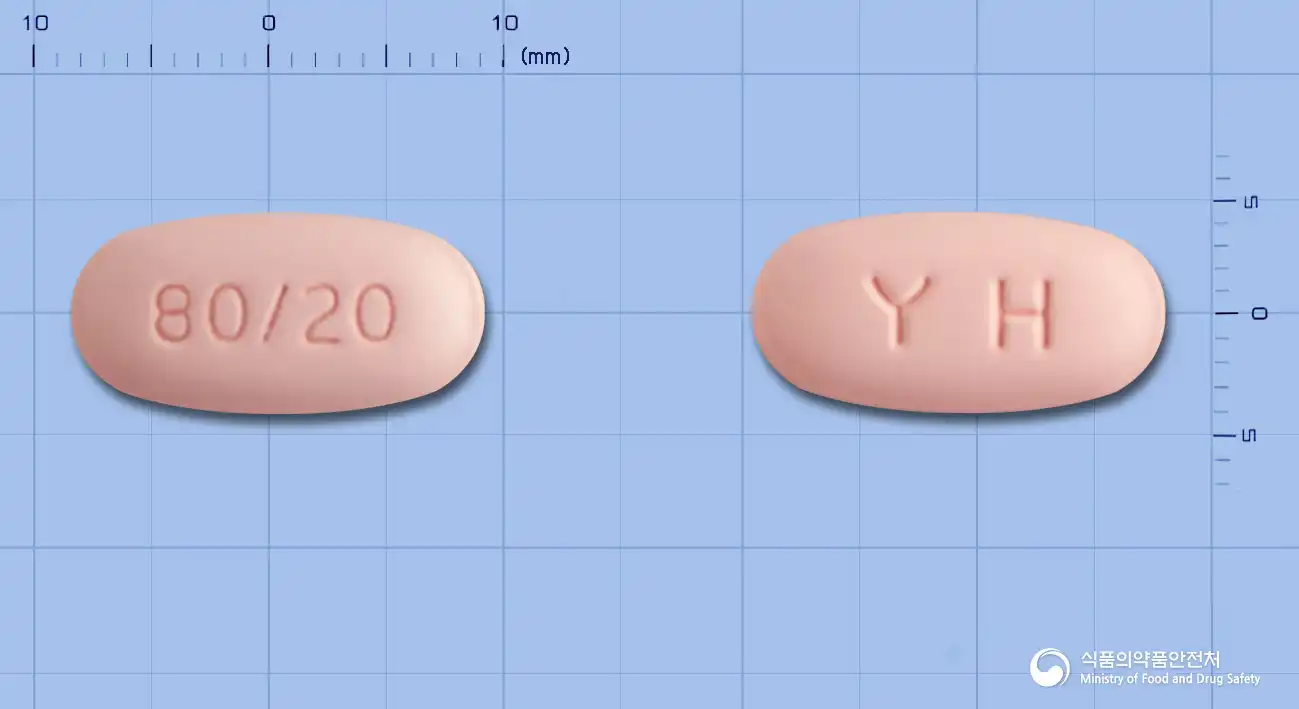 Combination
Telmisartan 80mg · Rosuvastatin Calcium 20.8mg
Tablet · Prescription medication · Combination
Yuhan Corporation.
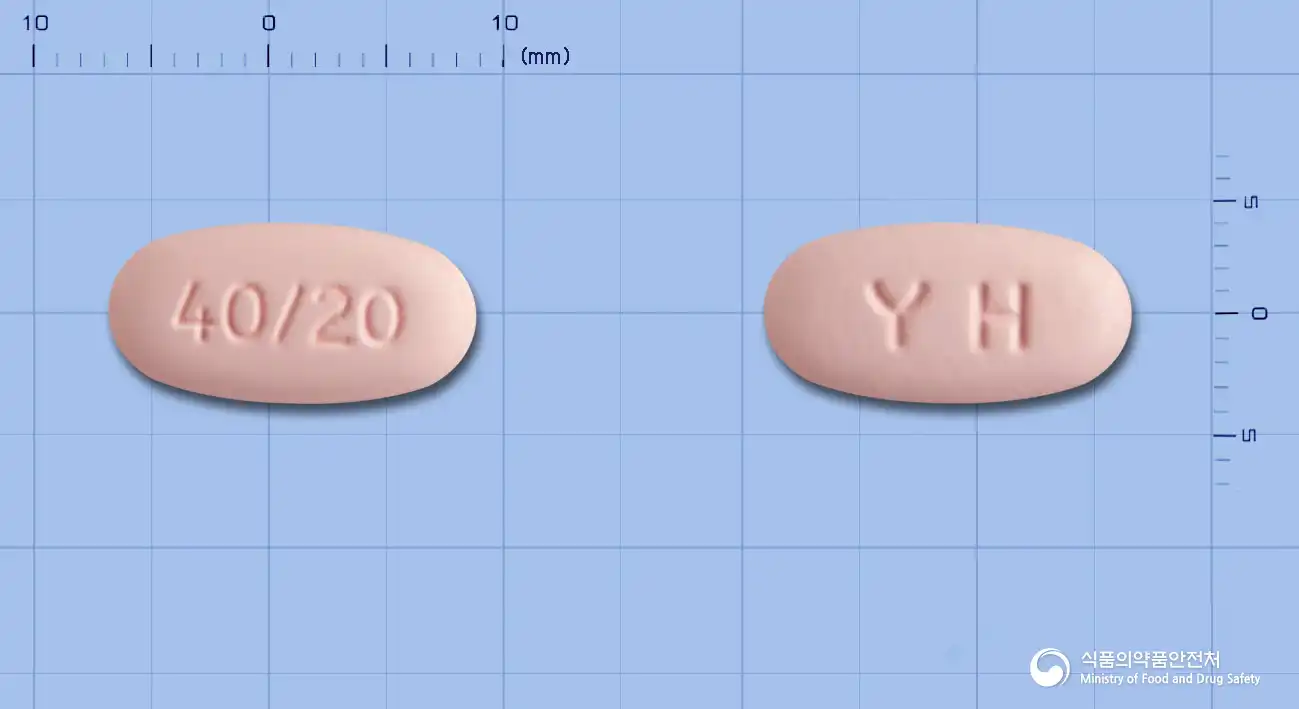 Combination
Telmisartan 40mg · Rosuvastatin Calcium 20.8mg
Tablet · Prescription medication · Combination
Yuhan Corporation
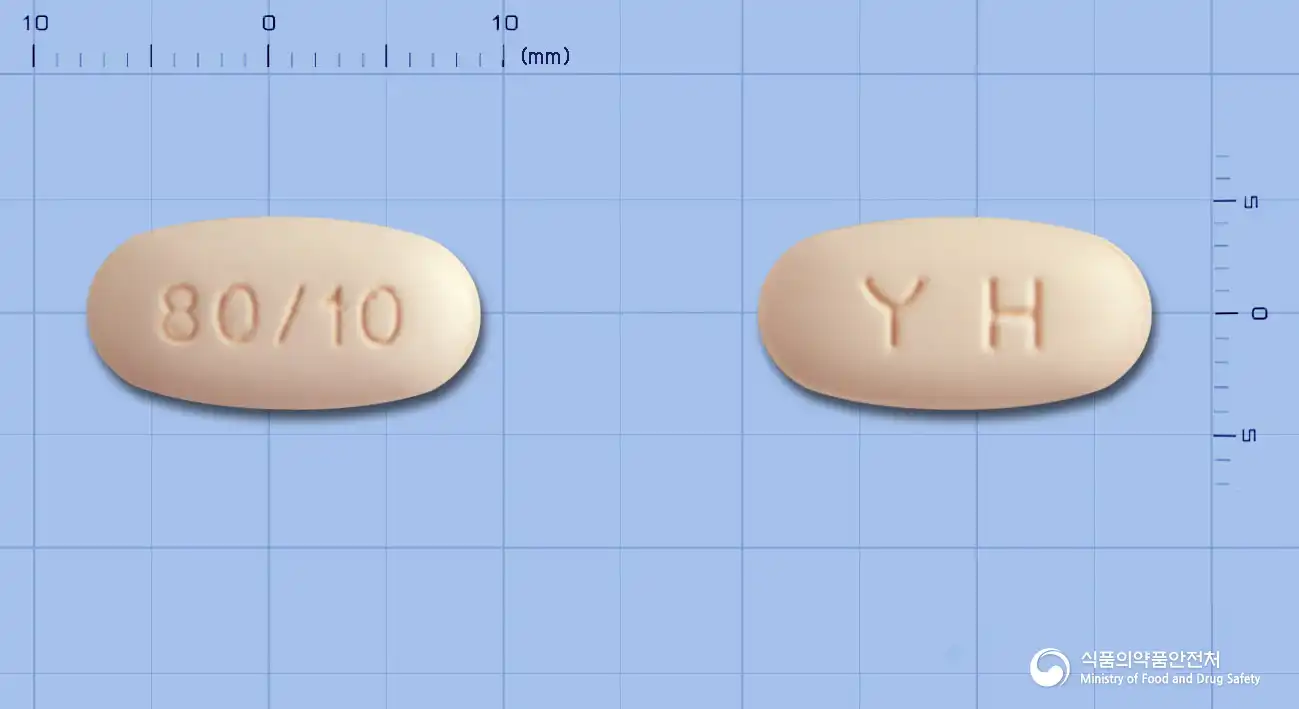 Combination
Telmisartan 80mg · Rosuvastatin Calcium 10.4mg
Tablet · Prescription medication · Combination
Yuhannanghang Co., Ltd.
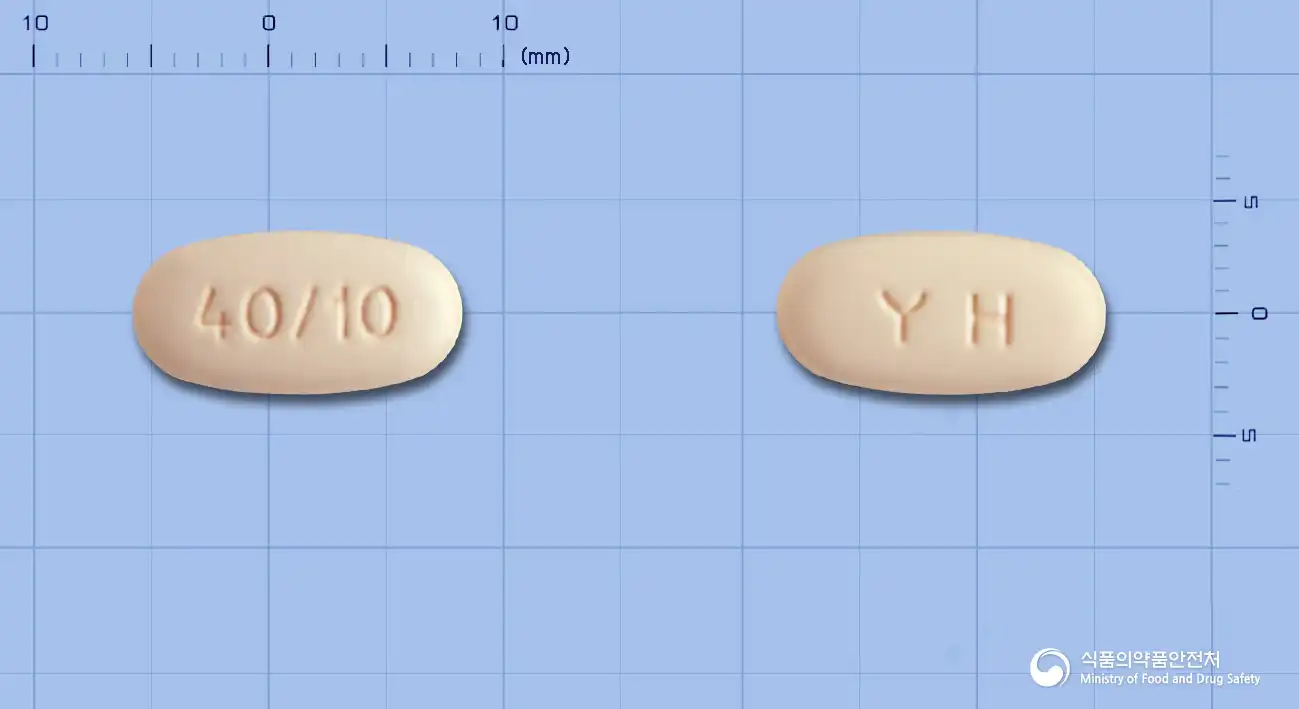 Combination
Telmisartan 40mg · Rosuvastatin Calcium 10.4mg
Tablet · Prescription medication · Combination
Yuhan Corporation Co., Ltd.
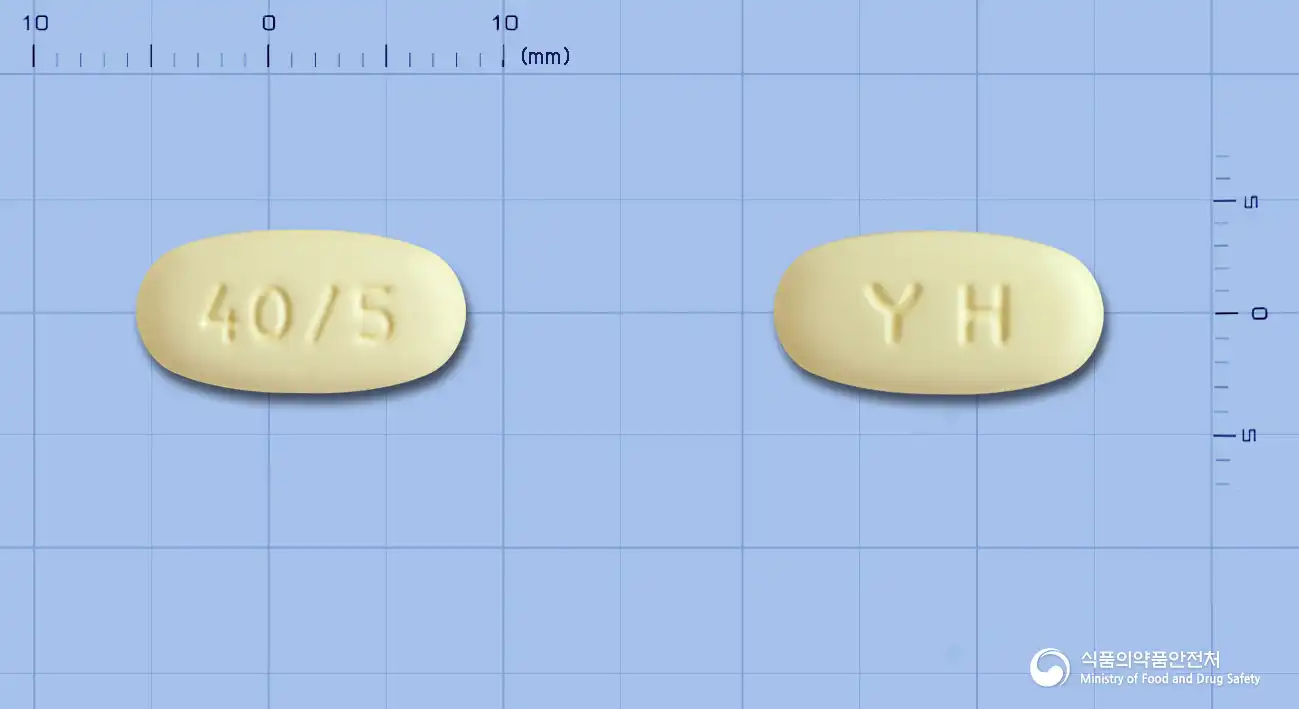 Combination
Telmisartan 40mg · Rosuvastatin Calcium 5.2mg
Tablet · Prescription medication · Combination
Yuhan Corporation
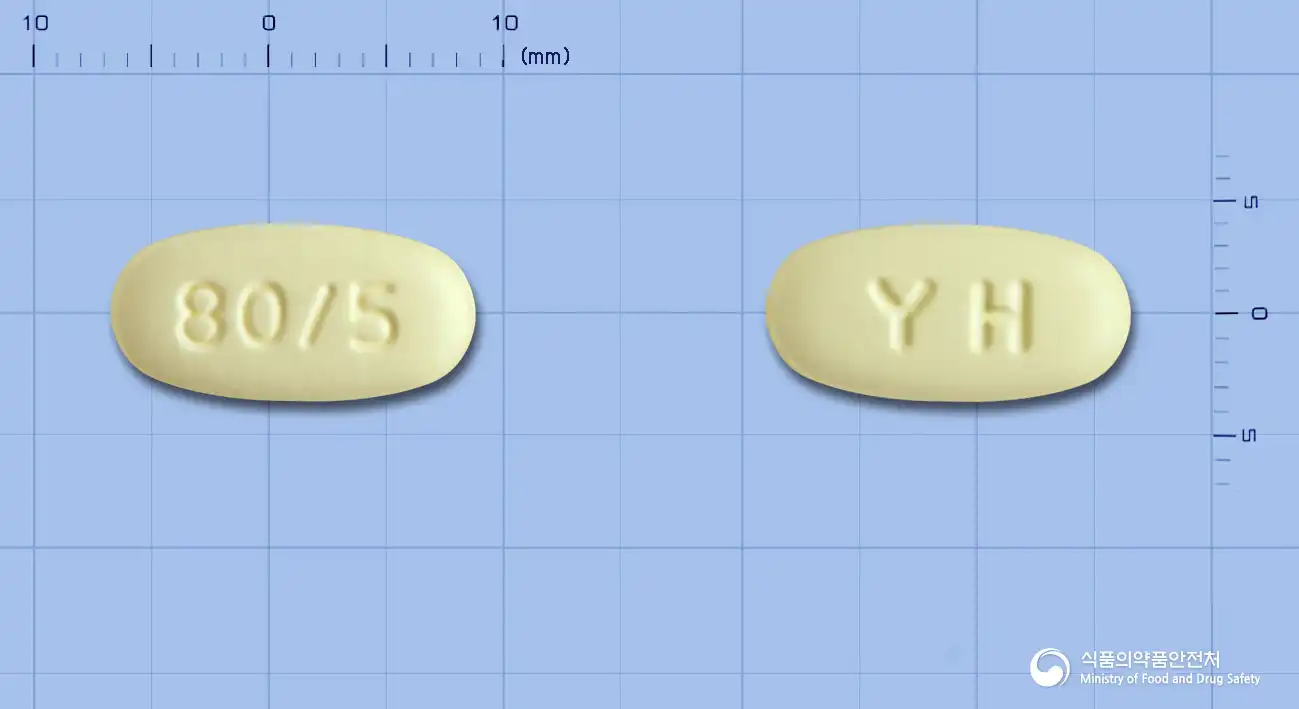 Combination
Telmisartan 80mg · Rosuvastatin Calcium 5.2mg
Tablet · Prescription medication · Combination
Yuhan Corporation
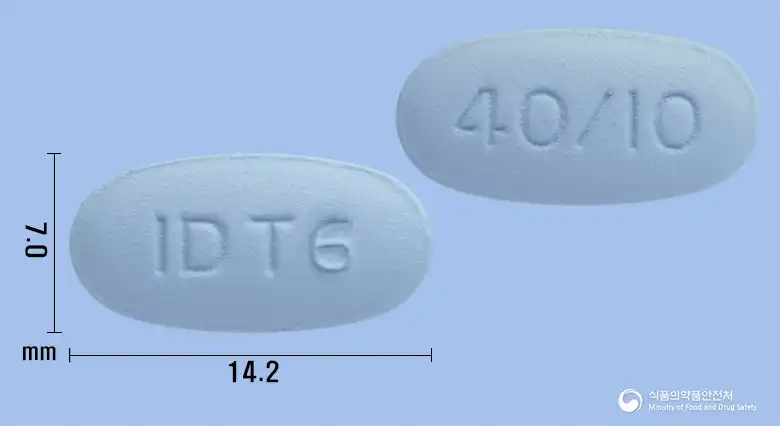 Combination
Telmisartan 40mg · Rosuvastatin Calcium 10.4mg
Tablet · Prescription medication · Combination
Ildong Pharmaceutical Co., Ltd.
Even with the same ingredient, the dose and directions can differ by strength and dosage form. Talk to a doctor or pharmacist before switching from a medication you are already taking.
No questions yet.
For anything that needs medical judgment, consult a doctor or pharmacist.
This drug information is based on data provided by the Korea Ministry of Food and Drug Safety.
Consult a doctor or pharmacist for accurate dosage, administration, and usage instructions.