
 한국어
한국어 English
 日本語
日本語 中文(简体)
 Viewing now
Gastidin 150mg (Ranitidine Hydrochloride)
Ranitidine Hydrochloride 168mg
Tablet · Prescription medication
IQUR Co., Ltd.
MFDS item code 201506098 · Approved 2015.08.27
This product's status changed to Expired on 2025.08.27. It may no longer be sold, so consult a doctor or pharmacist before taking it.
Improvement of gastric ulcers and gastric mucosal lesions and relief of excessive gastric acid.
This medicine is used to treat gastrointestinal diseases such as gastric and duodenal ulcers, Zollinger-Ellison syndrome, and gastroesophageal reflux disease. Additionally, it is administered to prevent Mendelson's syndrome during preoperative anesthesia, and it helps treat ulcers that may occur post-surgery and ulcers due to non-steroidal anti-inflammatory drug (NSAID) use. It is also used to improve gastric mucosal damage, such as acute gastritis, acute exacerbations of chronic gastritis, and upper gastrointestinal bleeding. It is particularly effective in relieving symptoms of heartburn or acid reflux, which are caused by excessive gastric acid. Overall, it is used effectively for improving gastrointestinal and esophageal-related diseases.
For adults as ranitidine, it is administered orally at 150 mg 2 times a day in the morning and at bedtime. 1) Gastric and duodenal ulcers: 150 mg once or 300 mg once daily at bedtime, especially for duodenal ulcer patients, it can be given 300 mg twice a day. 2) Gastroesophageal reflux disease: for 8 weeks, 150 mg twice a day or 300 mg once a day at bedtime.
For children aged 8 to 18 years, 150 mg (2 mg per kg of body weight, up to 2 times a day) can be administered.
This drug should not be used in patients who have had allergic reactions to this drug or its components. It should not be administered to patients with a history of acute porphyria as it can trigger seizures. Patients with lactose intolerance or certain genetic issues should avoid this drug due to the lactose it contains. Patients with poor kidney function may have difficulty excreting this drug, leading to increased blood concentration; thus, dosage adjustments or longer intervals between doses may be necessary. Patients with impaired liver function should also use this drug with caution. Patients with a history of drug allergies should be closely monitored while taking this medicine. Elderly patients are at higher risk for renal function decline and should use with caution. Patients taking non-steroidal anti-inflammatory drugs should have their gastrointestinal status regularly checked. Gastric cancer may mask symptoms; therefore, older patients with recent indigestion need to confirm malignancy before use. Patients with Helicobacter pylori infection should undergo eradication treatment for gastric and duodenal ulcers. Very rarely, serious allergic reactions such as anaphylactic shock can occur; if any adverse symptoms arise, users should stop taking the drug immediately and inform medical personnel. Keep an eye out for allergic reactions such as hives, rashes, and difficulty breathing, and discontinue use if these occur. Blood abnormalities such as leukopenia and thrombocytopenia can occur rarely, necessitating monitoring in the presence of fatigue, bleeding, or fever. Liver dysfunction can occur rarely; discontinue use immediately if jaundice or fatigue appears. Monitoring for arrhythmias or vasculitis is necessary, as these can also occur rarely. Gastrointestinal symptoms may include constipation, nausea, and abdominal pain. Neurological symptoms such as dizziness, drowsiness, confusion, or seizures may occur rarely; caution is advised. Myalgia or arthralgia is also reported rarely, and discontinuation may be required in severe cases. Skin rashes or hair loss have been reported rarely. During treatment, the progression of the disease should be closely monitored and used in minimal necessary amounts; if ineffective, consider alternative treatments. Elderly patients or those with chronic conditions may have an increased risk of pneumonia; caution is required. Avoid driving or operating hazardous machinery if experiencing dizziness or drowsiness. This drug may interact with other medications, necessitating regular blood tests, especially when taking anticoagulants. Additionally, some drugs may affect its absorption or excretion, so consultation with a physician or pharmacist is essential. Its safety during pregnancy or breastfeeding has not been established; it should only be used when absolutely necessary. Safety in children has not been well established, requiring caution in use. No specific severe side effects have been reported from overdosing, but appropriate measures such as vomiting or gastric lavage may be needed. When storing, keep in a location inaccessible to children, and avoid transferring to other containers.
Hives, severe swelling (including angioedema), chest tightening, difficulty breathing, cold sweat, pallor, anaphylactic shock, severe allergic reactions, severe skin adverse reactions (Stevens-Johnson syndrome, toxic epidermal necrolysis), jaundice, very rare hepatitis, very severe headache, seizures, consciousness disturbances, visual disturbances, paralysis, severe edema or urination abnormalities associated with increased blood pressure, acute pancreatitis, metabolic cramps of the liver.
Hives, angioedema, rash, fever, bronchospasm, hypotension, chest pain, granulocytopenia, leukopenia, thrombocytopenia, myelosuppression, aplastic anemia, agranulocytosis, pancytopenia, eosinophilia, liver function disorders (AST, ALT, γ-GTP, ALP elevations), bradycardia, heart block, tachycardia, vasculitis, constipation, nausea, vomiting, abdominal distension, abdominal pain, loss of appetite, diarrhea, dizziness,
Not everyone experiences these, and they can vary from person to person.
This drug is sensitive to light; therefore, it should be stored in a light-protective container. Additionally, it is best to keep the drug at room temperature, ideally between 1°C and 30°C, avoiding extreme heat or cold.
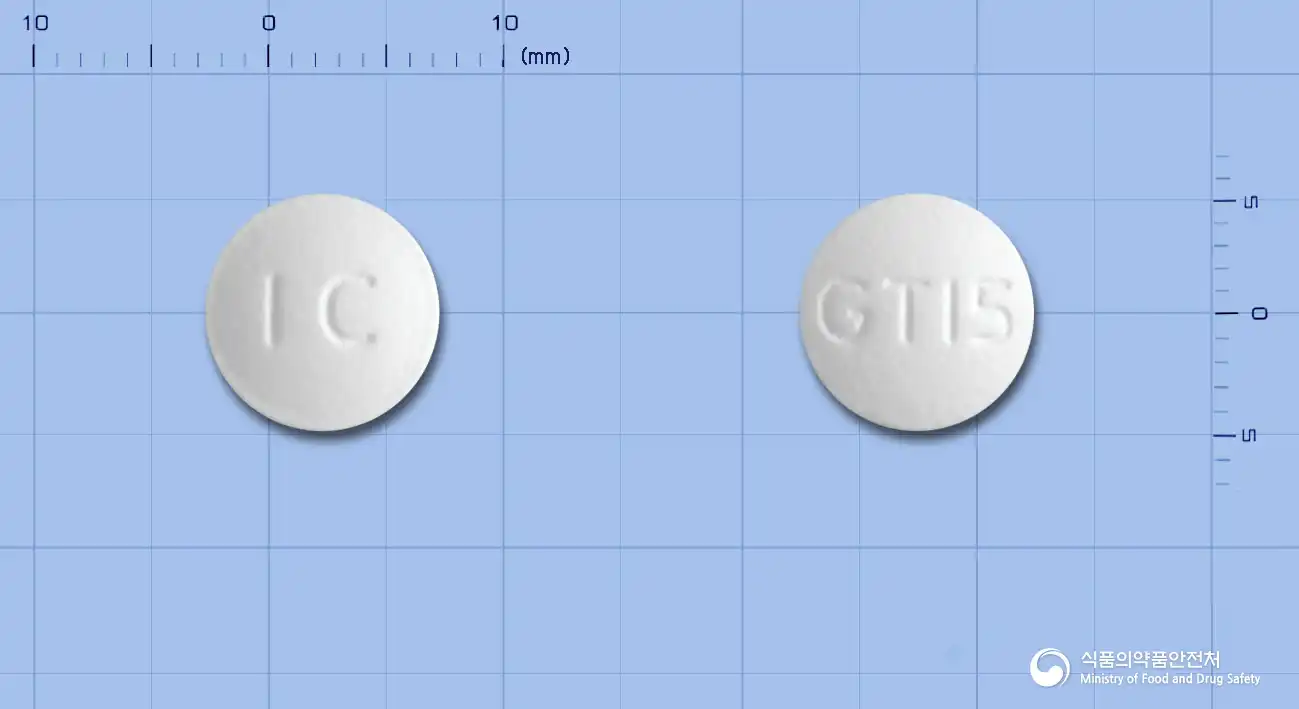
Pale yellow to yellow round film-coated tablet
30 tablets/bottle, 100 tablets/bottle
Even with the same ingredient, strength, dosage form and how it is taken can differ.
Viewing nowRanitidine Hydrochloride 168mg
Tablet · Prescription medication
IQUR Co., Ltd.
Ranitidine Hydrochloride 168mg
Prescription medication
Ildong Pharmaceutical Co., Ltd.
Ranitidine Hydrochloride 168mg
Tablet · Prescription medication
Hana Pharmaceutical Co., Ltd.
Ranitidine Hydrochloride 56mg
Prescription medication
Ildong Pharmaceutical Co., Ltd.
Ranitidine Hydrochloride 336mg
Prescription medication
Ildong Pharmaceutical Co., Ltd.
Ranitidine Hydrochloride 168mg
Tablet · Prescription medication
Hanin Pharmaceutical Co., Ltd.
Ranitidine Hydrochloride 112mg
Solution · Prescription medication
Hanin Pharmaceutical Co., Ltd.
Ranitidine Hydrochloride 56mg
Solution · Prescription medication
Hanin Pharmaceutical Co., Ltd.
Even with the same ingredient, the dose and directions can differ by strength and dosage form. Talk to a doctor or pharmacist before switching from a medication you are already taking.
No questions yet.
For anything that needs medical judgment, consult a doctor or pharmacist.
This drug information is based on data provided by the Korea Ministry of Food and Drug Safety.
Consult a doctor or pharmacist for accurate dosage, administration, and usage instructions.