
 한국어
 English
 日本語
 中文(简体)
Dosage form image
Viewing nowGureusae-san 5 mg (Tadalafil)
Tadalafil 5mg
Prescription medication
Anguk Pharmaceutical Co., Ltd.
MFDS item code 201505613 · Approved 2015.08.13
Treatment of symptoms of erectile dysfunction, benign prostatic hyperplasia, or both conditions
This drug is used to treat erectile dysfunction and is effective when sexual stimulation occurs. Additionally, it helps relieve symptoms caused by benign prostatic hyperplasia. This medication is also effective in improving symptoms for men who have both erectile dysfunction and benign prostatic hyperplasia. However, it is not used for women. Therefore, this drug is used for the treatment of erectile dysfunction and benign prostatic hyperplasia in men.
1. Erectile dysfunction Use in adult men For patients expected to use tadalafil frequently (at least twice a week), the recommended dose is up to 5mg once daily, preferably at approximately the same time each day. The appropriateness of continued daily dosing should be reassessed periodically. 2. Once-daily treatment for benign prostatic hyperplasia The recommended dose of this medicine for once-daily use is 5mg, taken at approximately the same time each day. 3. Once-daily treatment for erectile dysfunction and benign prostatic hyperplasia The recommended dose of this medicine for once-daily use is 5mg, taken at approximately the same time each day, regardless of the timing of sexual activity. 4. Special populations ● Use in elderly men No dosage adjustment is required in elderly patients. ● Use in men with renal impairment - Erectile dysfunction No dosage adjustment is required in patients with mild to moderate renal impairment. Once-daily tadalafil is not recommended for patients with severe renal impairment. [See sections 3.2) and 11.2) Pharmacokinetic properties under Precautions for Use]. - Benign prostatic hyperplasia No dosage adjustment is required in patients with mild renal impairment. Once-daily tadalafil is not recommended for patients with severe renal impairment. [See sections 3.3) and 11.2) Pharmacokinetic properties under Precautions for Use]. ● Use in men with hepatic impairment Once-daily dosing has not been evaluated in patients with hepatic impairment. Therefore, if it is prescribed, the physician should carefully assess the individual benefit/risk. (See section 11. <Special populations>) ● Use in men with diabetes No dosage adjustment is required in patients with diabetes.
This medicine should not be used in people under 18 years of age.
This medication is used for the treatment of erectile dysfunction and benign prostatic hyperplasia. Before taking it, a doctor's diagnosis and evaluation are required, especially if there is a history of cardiovascular disease. Sexual activity can put stress on the heart, so it should only be taken after confirming that the heart condition is stable. If an erection lasts longer than 4 hours, immediate medical help should be sought, as untreated priapism can lead to penile tissue damage or loss of erectile function. This drug must not be taken in conjunction with nitrates or nitric oxide donors, as it can dangerously lower blood pressure. Patients with severe cardiovascular conditions such as myocardial infarction, stroke, or unstable angina, or who have recently had such conditions, should not take this drug. Use is also prohibited for patients with genetic retinal diseases or those who are hypersensitive to the drug. Combining with other erectile dysfunction treatments is not recommended as safety and efficacy have not been established. Patients with severe kidney or liver dysfunction or those on certain blood pressure medications should be cautious and consult a doctor before use. During use, side effects like headaches, dyspepsia, back pain, muscle pain, congestion, flushing, limb pain, nasopharyngitis, upper respiratory tract infections, cough, diarrhea, gastroesophageal reflux disease, abdominal pain, dizziness, urinary tract infections, gastroenteritis, sensory disturbances, insomnia, abnormal sensations, drowsiness, vertigo, renal impairment, breathing difficulties, nosebleeds, pharyngitis, itching, rashes, sweating, blurred vision, color vision disturbances, conjunctivitis, eye pain, increased tear secretion, eyelid swelling, or hearing loss may occur, most of which are mild, but if symptoms are severe, inform a healthcare professional. This medication is not for use in women or children, and safety for pregnant women has not been established. Taking it with alcohol may worsen blood pressure drop and dizziness, so caution is advised. There is typically no special effect on driving or operating machinery, but dizziness may occur in some individuals, so caution is advised. In case of overdose, immediate medical attention should be sought as the drug is not easily removed by dialysis. Store in a place out of reach of children and keep in its original packaging to maintain efficacy.
Headache, dyspepsia, low back pain, muscle pain, congestion, flushing, limb pain, nasopharyngitis, upper respiratory tract infection, cough, diarrhea, urinary tract infection, gastroesophageal reflux disease, abdominal pain, dizziness, hypertension, low back pain, muscle pain, dizziness, diarrhea, urticaria, Stevens-Johnson syndrome, exfoliative dermatitis, migraine, seizure, transient global amnesia, visual field defect, retinal vein occlusion, retinal artery occlusion, decreased vision, non-arteritic anterior ischemic optic neuropathy, sudden hearing loss, hearing loss, tinnitus, priapism, angioedema, myocardial infarction, sudden cardiac death, stroke, chest pain, palpitations, ventricular arrhythmia, tachycardia, angina, hypotension, orthostatic hypotension, syncope, increased blood urea nitrogen, eye congestion, increased SGPT, chest pressure, vomiting, nausea, increased alkaline phosphatase, fatigue, neck stiffness, urethral pain, kidney pain, dry mouth, heartburn, drowsiness, increased white blood cell count, thrombocytopenia, anxiety, sleep disorders, decreased hemoglobin, eye pain, chest pain, arthralgia, hyperventilation, eye hemorrhage, eyelid swelling, conjunctival hemorrhage, dry eye syndrome, abdominal cramping, increased bilirubin, ejaculation disorder, pain in the external genitalia, erythema, itching, penile dysfunction, next sign, myocardial infarction, ear ringing, epistaxis, nasal dryness, increased serum creatinine, hiccups, weakness, abdominal discomfort, abdominal pain, allergic reaction, facial swelling, fever, increased SGOT, increased hemoglobin, chills, skeletal pain
Not everyone experiences these, and they can vary from person to person.
This medication is susceptible to air and moisture, so it must be stored in a sealed container. The optimal storage temperature is between 1 to 30 degrees Celsius at room temperature. This helps maintain the efficacy of the drug and prevents degradation.
White or light yellow powder
225 mg/pack x 10
Even with the same ingredient, strength, dosage form and how it is taken can differ.
Tadalafil 5mg
Prescription medication
Anguk Pharmaceutical Co., Ltd.
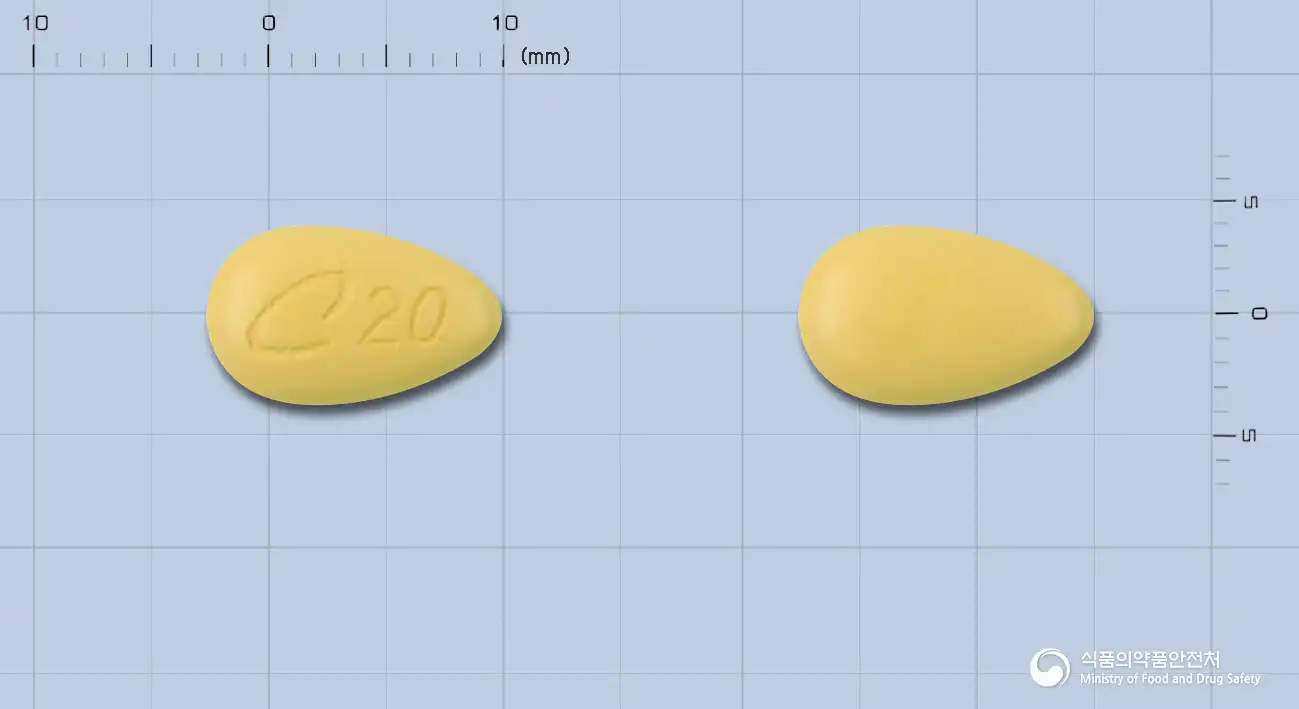
Tadalafil 20mg
Tablet · Prescription medication
Korea Lilly Co., Ltd.
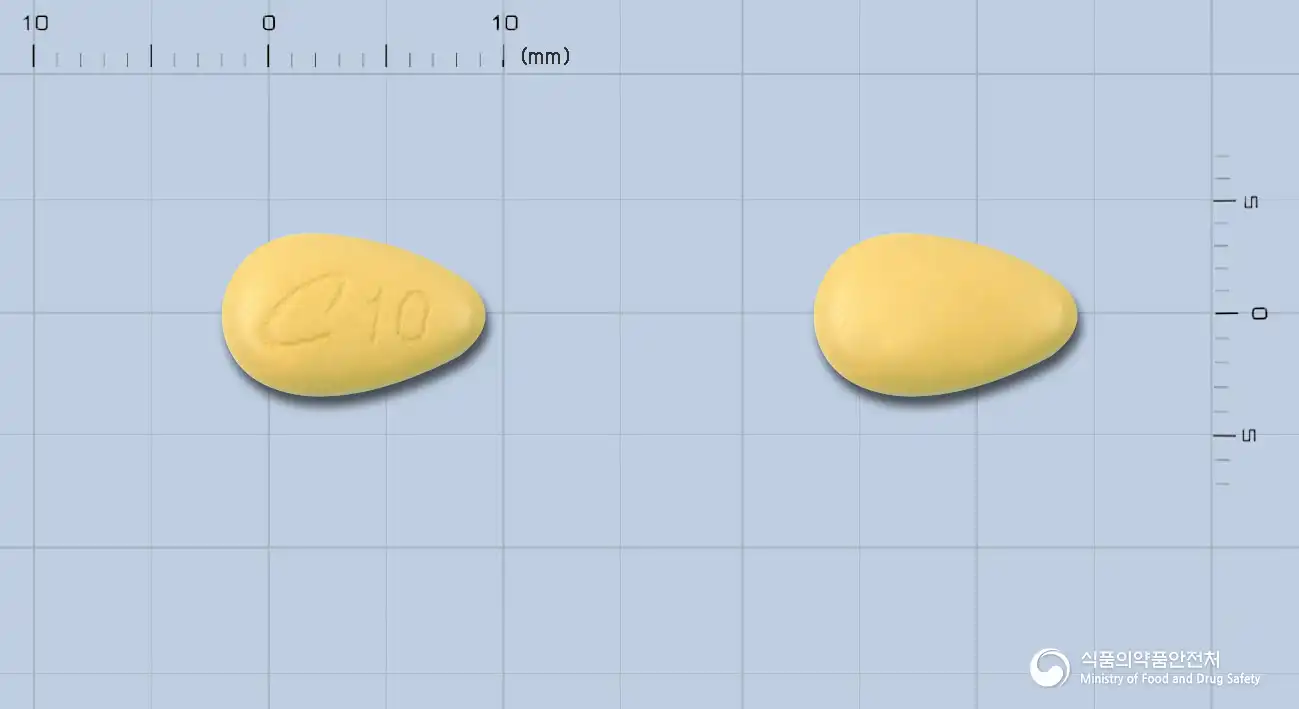
Tadalafil 10mg
Tablet · Prescription medication
Korea Lilly LLC
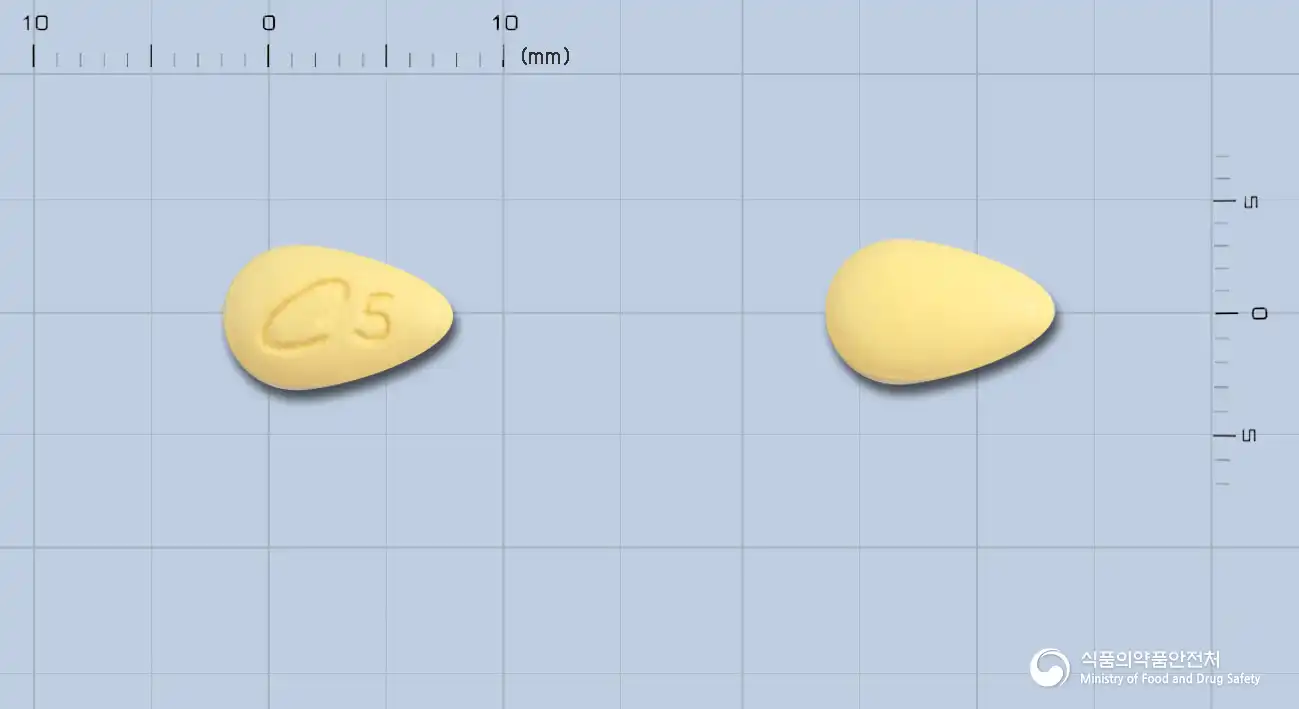
Tadalafil 5mg
Tablet · Prescription medication
Korea Lilly Co., Ltd.

Tadalafil 20mg
Prescription medication
Seoul Pharmaceutical Co., Ltd.

Tadalafil 10mg
Orally disintegrating Tablet · Prescription medication
Seoul Pharmaceutical Co., Ltd.
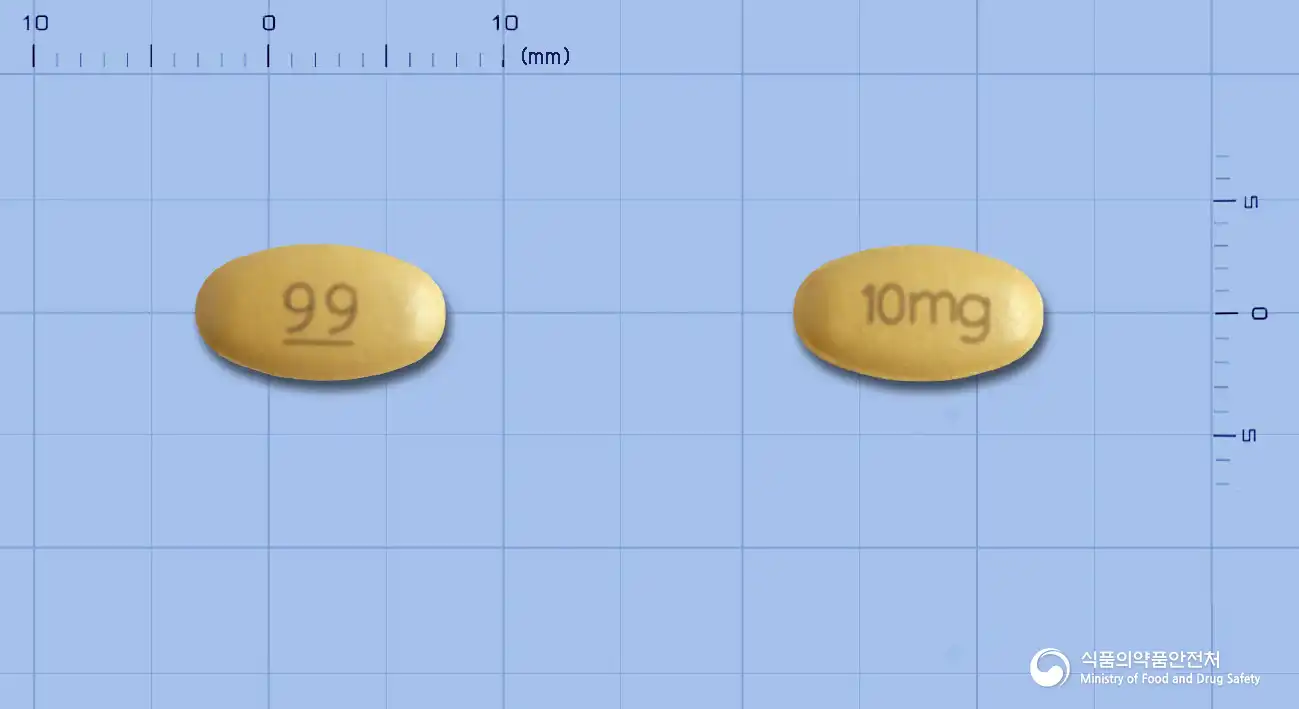
Tadalafil 10mg
Tablet · Prescription medication
Hanmi Pharmaceutical Co., Ltd.
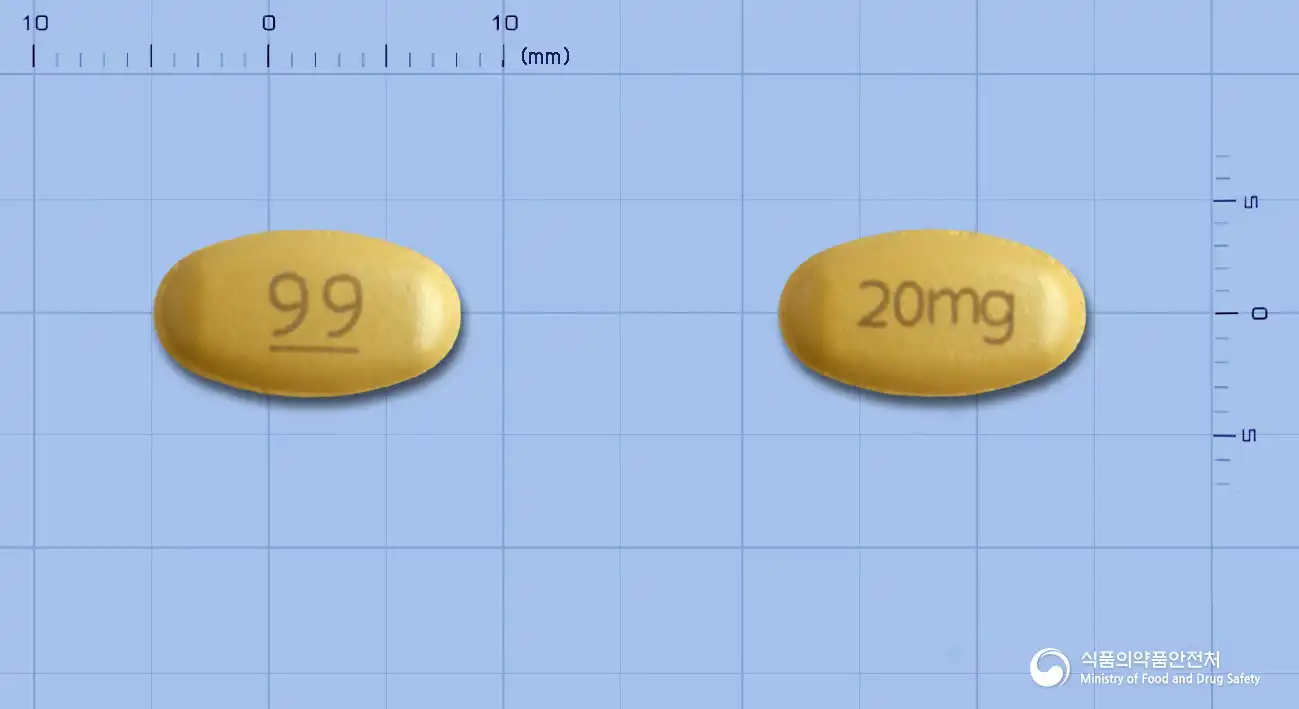
Tadalafil 20mg
Tablet · Prescription medication
Hanmi Pharmaceutical Co., Ltd.
Even with the same ingredient, the dose and directions can differ by strength and dosage form. Talk to a doctor or pharmacist before switching from a medication you are already taking.
No questions yet.
For anything that needs medical judgment, consult a doctor or pharmacist.
This drug information is based on data provided by the Korea Ministry of Food and Drug Safety.
Consult a doctor or pharmacist for accurate dosage, administration, and usage instructions.