
 한국어
 English
 日本語
 中文(简体)
Dosage form image
Viewing nowBaraclude Orally Disintegrating Film 1 mg (Entecavir Hydrate)
Entecavir Monohydrate 1.06mg
Prescription medication
Daehwa Pharmaceutical Co., Ltd.
MFDS item code 201504927 · Approved 2015.07.17
Treatment of chronic hepatitis B in adults (16 years and older)
This medication is used for the treatment of chronic hepatitis B patients aged 16 and older with active viral replication and sustained elevation of serum aminotransferase (ALT or AST), or confirmed active disease histologically.
Take this medicine orally on an empty stomach (2 hours after a meal or at least 2 hours before a meal). Immediately after removing this medicine from its individual package, place it on the tongue and allow it to dissolve; take it without water. Take entecavir 0.5mg orally once daily. Patients with lamivudine resistance, i.e., patients aged 16 years and older who have experienced persistent hepatitis B virus replication despite lamivudine treatment or have lamivudine-resistant mutations: Take entecavir 1mg once daily on an empty stomach. Patients with renal impairment: Patients with creatinine clearance below 50mL/min Creatinine clearance ≥ 50 mL/min: 0.5 mg once daily; Entecavir dose in patients with lamivudine resistance 1 mg once daily Creatinine clearance 30 - <50 mL/min: 0.25 mg once daily a or 0.5 mg every 48 hours; Entecavir dose in patients with lamivudine resistance 0.5 mg once daily or 1 mg every 48 hours Creatinine clearance 10 - <30 mL/min: 0.15 mg once daily a or 0.5 mg every 72 hours; Entecavir dose in patients with lamivudine resistance 0.3 mg once daily a or 1 mg every 72 hours Creatinine clearance <10 mL/min, hemodialysis b or CAPD: 0.05 mg once daily a or 0.5 mg every 7 days; Entecavir dose in patients with lamivudine resistance 0.1 mg once daily a or 1 mg every 7 days a: For doses below 0.5mg, use of the syrup formulation is recommended. b: If administered on a hemodialysis day, administer this medicine after the hemodialysis session.
For patients aged 16 and older who have experienced persistent replication of hepatitis B virus despite lamivudine treatment or have lamivudine-resistant mutations, there is specific dosage information.
This medication can cause serious liver issues such as lactic acidosis and fatty liver in patients with impaired liver function, so caution is necessary. Sudden discontinuation of treatment may lead to rapid deterioration of hepatitis B, thus liver function must be monitored continuously after discontinuation. The use of this medication is not recommended in patients with dual infections of HIV and hepatitis B who are not receiving HIV treatment. Patients with allergies to this medication or its ingredients should not use it. Patients with reduced kidney function need dose adjustments, and dialysis patients should take it after dialysis. Liver transplant recipients should carefully monitor kidney function when using this medication in conjunction with drugs that may affect kidney function. During treatment, side effects such as headaches, fatigue, dizziness, and nausea may occur. Regular liver function tests should be conducted during treatment, and any signs of liver toxicity should be discussed with a physician immediately. Taking it with food can reduce its absorption, so it is recommended to take it on an empty stomach. During pregnancy, it should be used cautiously while considering the risks and benefits to the fetus; during lactation, breastfeeding should be discontinued or medication use should be halted. Pediatric and elderly patients require dose adjustments and caution based on kidney function. In case of overdose, standard treatment and close monitoring of the patient's condition are necessary. This medication is mainly excreted by the kidneys, so its side effects may increase when used with other medications that affect kidney function. When storing, keep it out of reach of children and store in a sealed container at the specified temperature.
Not everyone experiences these, and they can vary from person to person.
This medication must be stored in a tightly sealed container to prevent air and moisture ingress. It is important to maintain a storage temperature between 1 to 30 degrees Celsius to preserve its efficacy and safety over time.
Rectangular orally disintegrating film in pale pink to pink color
1 film per foil x 30
Even with the same ingredient, strength, dosage form and how it is taken can differ.
Entecavir Monohydrate 1.06mg
Prescription medication
Daehwa Pharmaceutical Co., Ltd.
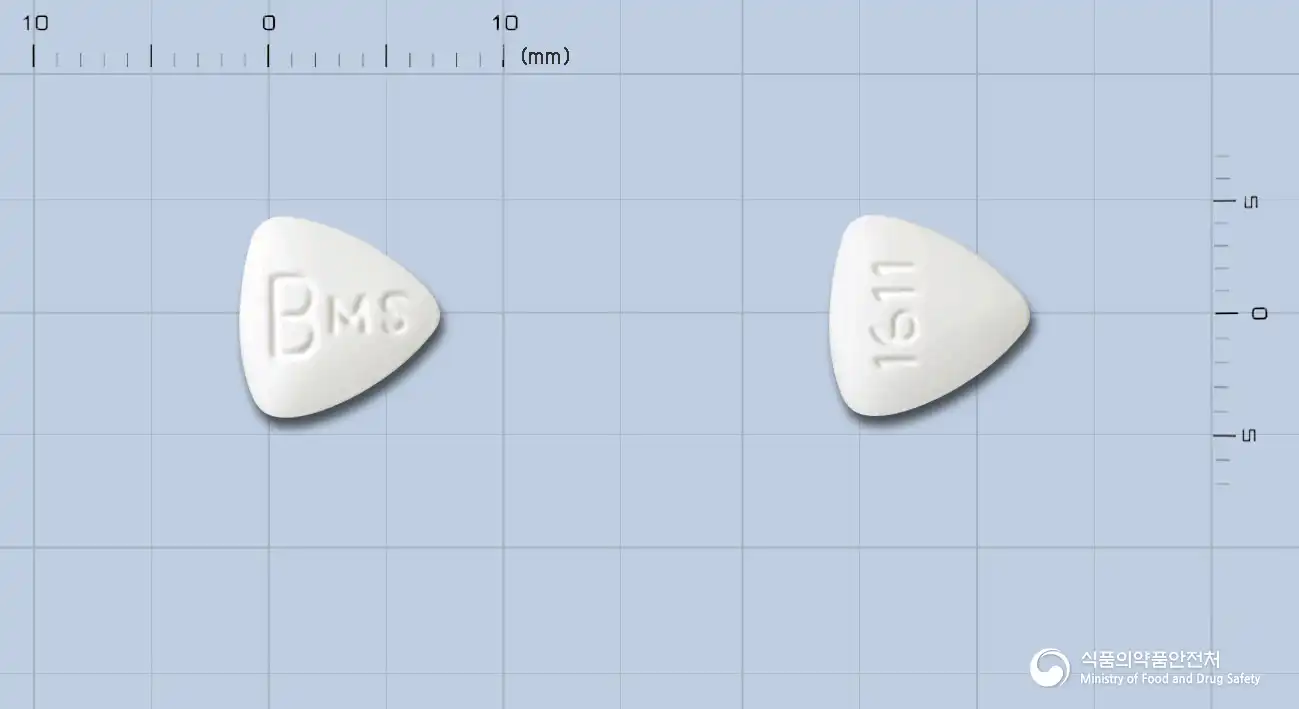
Entecavir 0.53mg
Tablet · Prescription medication
(Co., Ltd.) Korea BMS Pharmaceuticals
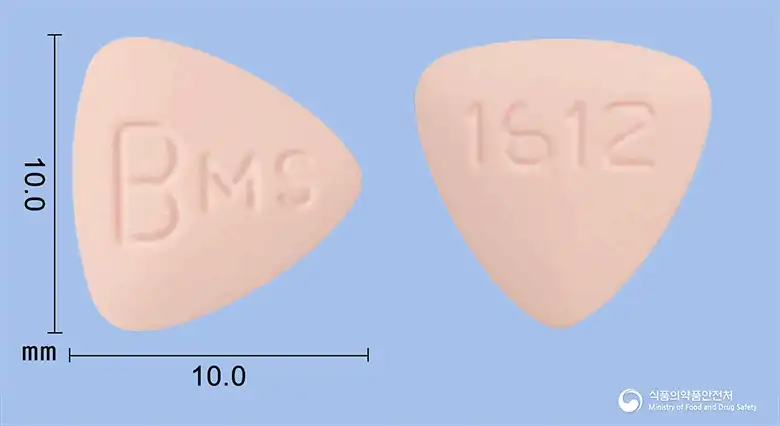
Entecavir 1.06mg
Tablet · Prescription medication
Korea BMS Pharma Co., Ltd.
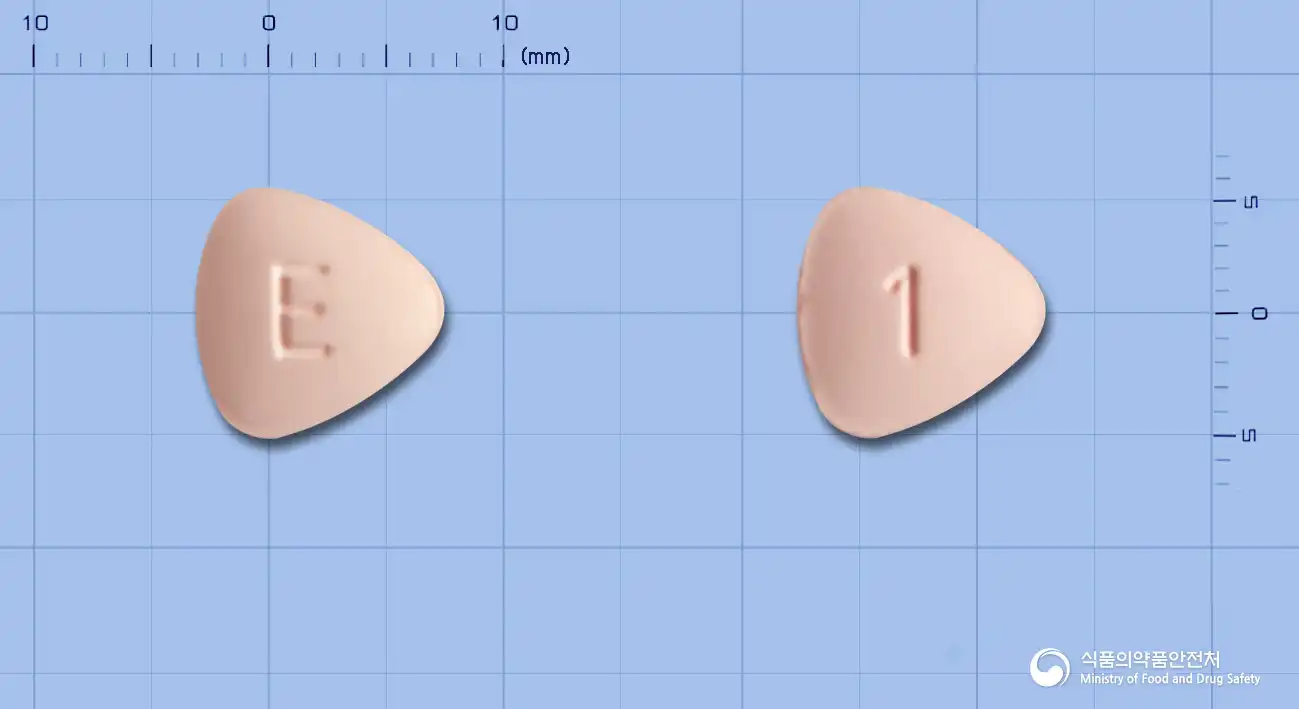
Entecavir 1.06mg
Tablet · Prescription medication
Hanmi Pharmaceutical Co., Ltd.
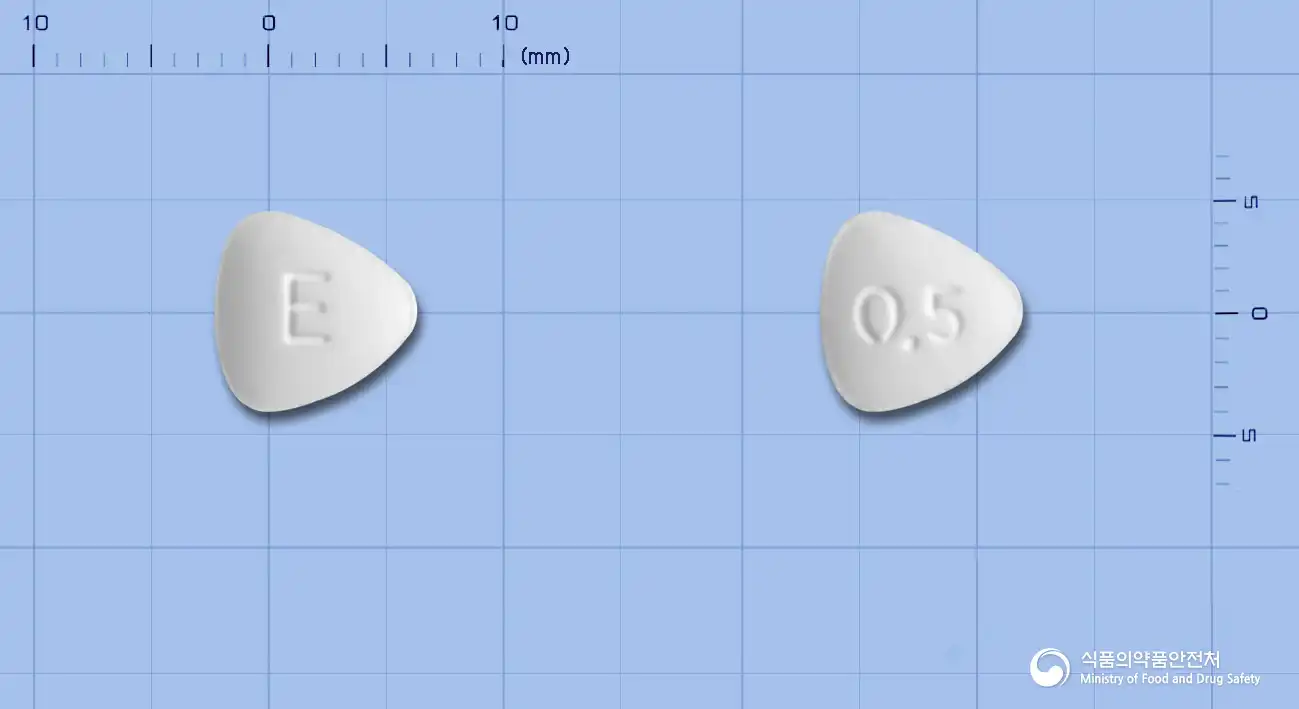
Entecavir 0.53mg
Tablet · Prescription medication
Hanmi Pharmaceutical Co., Ltd.
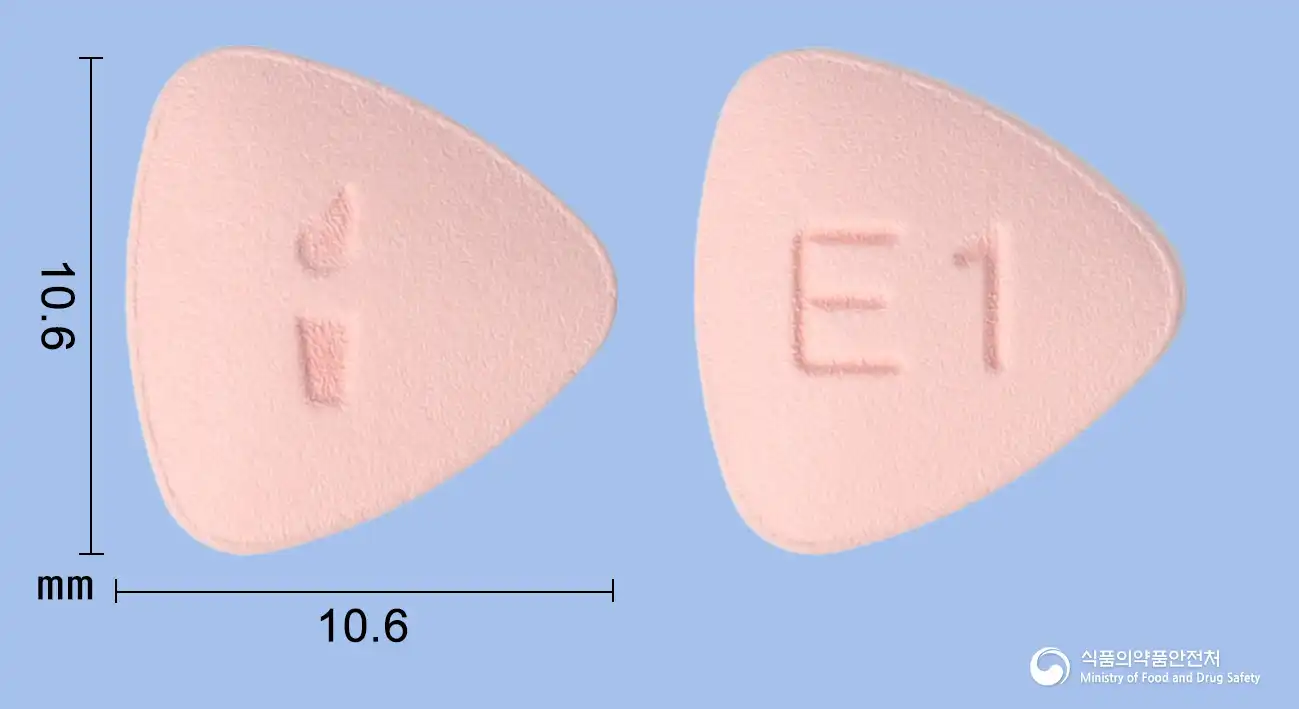
Entecavir 1.06mg
Tablet · Prescription medication
Sam-il Pharmaceutical Co., Ltd.
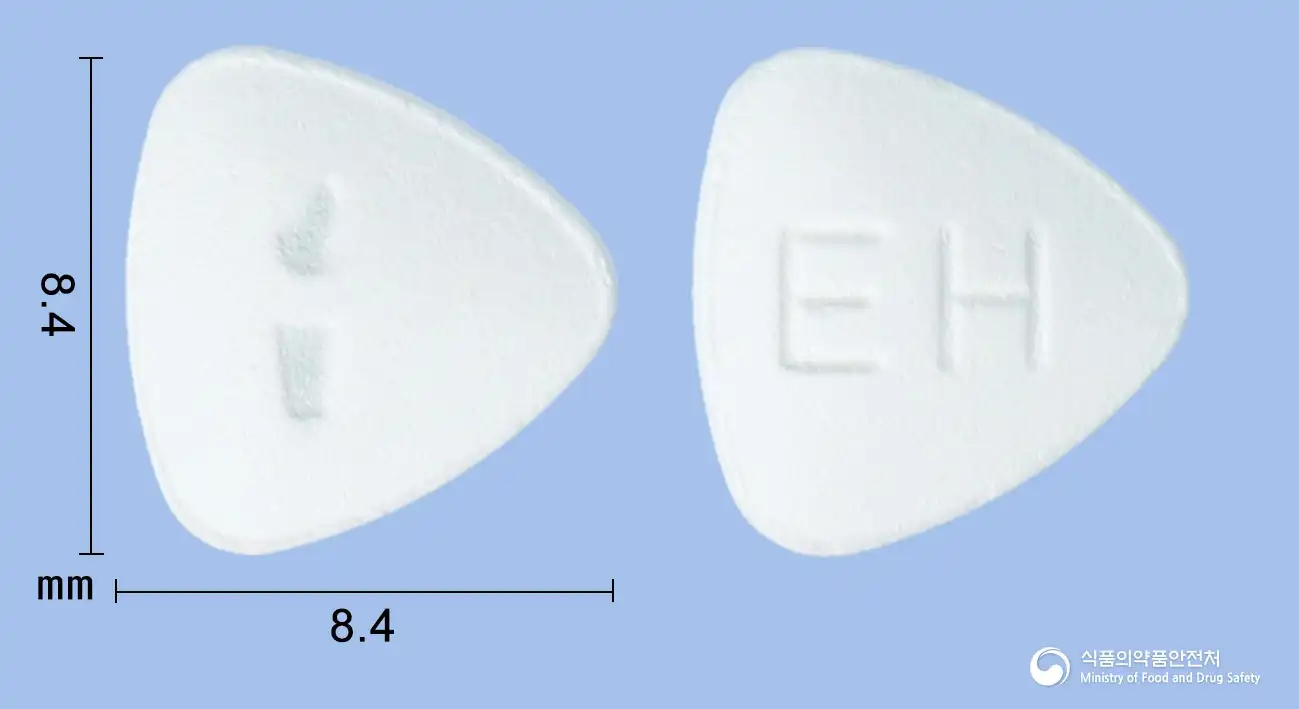
Entecavir 0.53mg
Tablet · Prescription medication
Samil Pharmaceutical Co., Ltd.
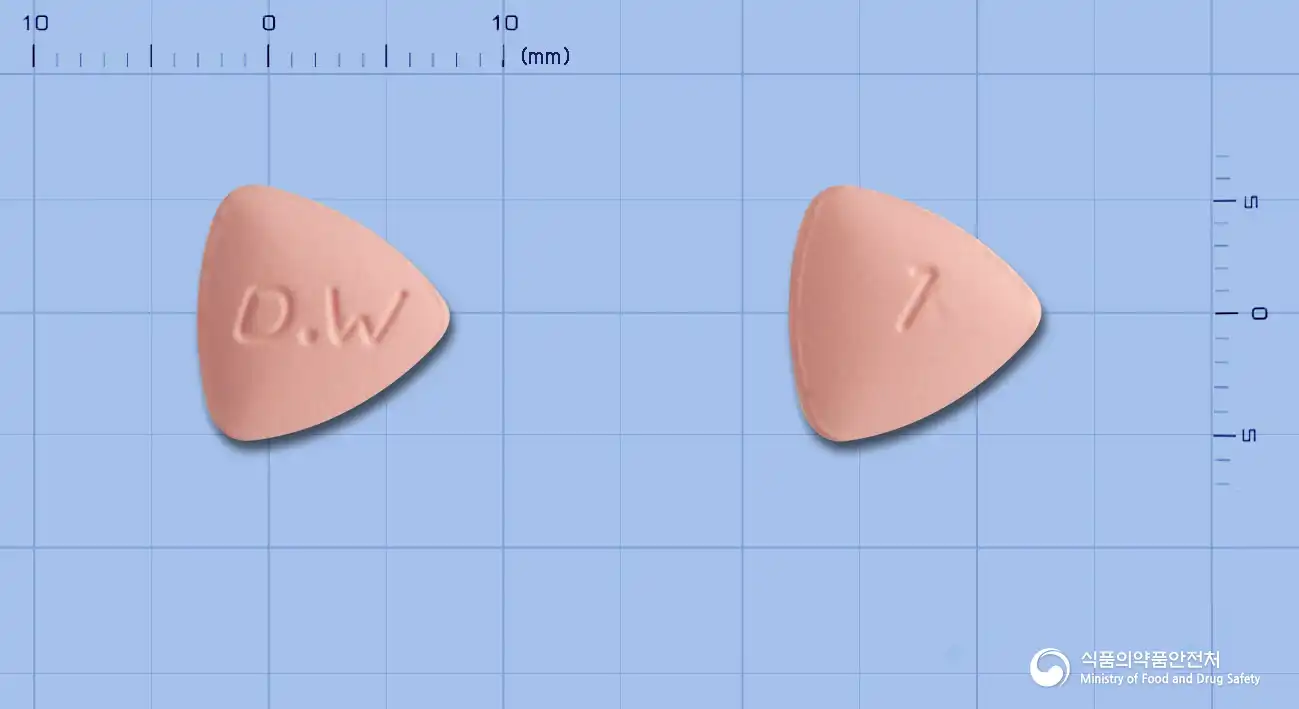
Entecavir 1.06mg
Tablet · Prescription medication
Daewoong Pharmaceutical Co., Ltd.
Even with the same ingredient, the dose and directions can differ by strength and dosage form. Talk to a doctor or pharmacist before switching from a medication you are already taking.
No questions yet.
For anything that needs medical judgment, consult a doctor or pharmacist.
This drug information is based on data provided by the Korea Ministry of Food and Drug Safety.
Consult a doctor or pharmacist for accurate dosage, administration, and usage instructions.