
 한국어
 English
 日本語
 中文(简体)
Dosage form image
Viewing nowBaraclude Orally Disintegrating Film 0.5 mg (Entecavir Hydrate)
Entecavir Monohydrate 0.53mg
Prescription medication
Daehwa Pharmaceutical Co., Ltd.
MFDS item code 201504926 · Approved 2015.07.17 · Insurance code 645604650
Treatment of chronic hepatitis B virus infection in patients 16 years and older
This medication is used in adult patients over 16 years infected with the chronic hepatitis B virus when there is active viral replication, and serum aminotransferases (ALT or AST) are persistently elevated or when active disease is confirmed by biopsy. It helps to improve liver function and treat the progression of chronic hepatitis.
Take this medicine orally on an empty stomach (2 hours after a meal or at least 2 hours before a meal). Immediately after removing this medicine from its individual package, place it on the tongue and allow it to dissolve; take it without water. Take entecavir 0.5mg orally once daily. Patients with lamivudine resistance, i.e., patients aged 16 years and older who have experienced persistent hepatitis B virus replication despite lamivudine treatment or have lamivudine-resistant mutations: Take entecavir 1mg once daily on an empty stomach. Patients with renal impairment: Creatinine clearance (mL/min) ≥ 50: Entecavir dose 0.5 mg once daily, Entecavir dose in patients with lamivudine resistance 1 mg once daily Patients with renal impairment: Creatinine clearance (mL/min) 30 - <50: Entecavir dose 0.25 mg once daily a or 0.5 mg every 48 hours, Entecavir dose in patients with lamivudine resistance 0.5 mg once daily or 1 mg every 48 hours Patients with renal impairment: Creatinine clearance (mL/min) 10 - <30: Entecavir dose 0.15 mg once daily a or 0.5 mg every 72 hours, Entecavir dose in patients with lamivudine resistance 0.3 mg once daily a or 1 mg every 72 hours Patients with renal impairment: Creatinine clearance (mL/min) <10, hemodialysis b or CAPD: Entecavir dose 0.05 mg once daily a or 0.5 mg every 7 days, Entecavir dose in patients with lamivudine resistance 0.1 mg once daily a or 1 mg every 7 days a: For doses below 0.5mg, use of the syrup formulation is recommended. b: If administered on a hemodialysis day, administer this medicine after the hemodialysis session.
Patients 16 years and older should take 1 mg orally once daily on an empty stomach, the same as adults.
This drug may cause serious liver diseases such as lactic acidosis and fatty liver disease in patients with liver dysfunction; therefore, it should be used cautiously in those with risk factors for liver disease. Sudden cessation of this medication could lead to a rapid deterioration of hepatitis B, so liver function should be closely monitored for several months after discontinuation of treatment. For patients co-infected with HIV and hepatitis B who are not receiving HIV treatment, the use of this medication is not recommended; testing for HIV infection should occur before treatment. Patients with allergies to this drug or its components should not be administered this medication. Patients with reduced kidney function, especially those on dialysis, require dosage adjustments, and liver transplant patients should carefully monitor kidney function and drug interactions. During treatment, side effects such as headache, fatigue, dizziness, nausea, etc., may occur, and if symptoms are severe, they should consult a physician. If liver function test values are abnormally elevated or lactic acidosis symptoms appear, treatment should be immediately discontinued and evaluated by a physician. The drug should be taken on an empty stomach, as absorption is reduced when taken with food. Since the drug is primarily excreted through the kidneys, close monitoring for side effects is necessary when used with other medications that may affect kidney function. Use during pregnancy should be approached cautiously considering the risks to the fetus and the drug's benefits, and during breastfeeding, it is recommended to either discontinue breastfeeding or terminate treatment. Safety in children under 16 years has not been established, so special caution is necessary when administering to children. In cases of overdose, toxic reactions should be observed, and appropriate treatment should be received if necessary; some can be removed by hemodialysis. This medication should be stored out of the reach of children, protected from direct sunlight, and within the specified temperature range. Patients must adhere to precise usages and dosages as prescribed by their physician.
Not everyone experiences these, and they can vary from person to person.
This drug should be stored in a tightly sealed container to prevent air or moisture from entering. It is best to maintain storage temperature between 1 to 30 degrees Celsius at room temperature.
Rectangular orally disintegrating film in light pink to pink color
1 film/packet x 30
Even with the same ingredient, strength, dosage form and how it is taken can differ.
Entecavir Monohydrate 0.53mg
Prescription medication
Daehwa Pharmaceutical Co., Ltd.
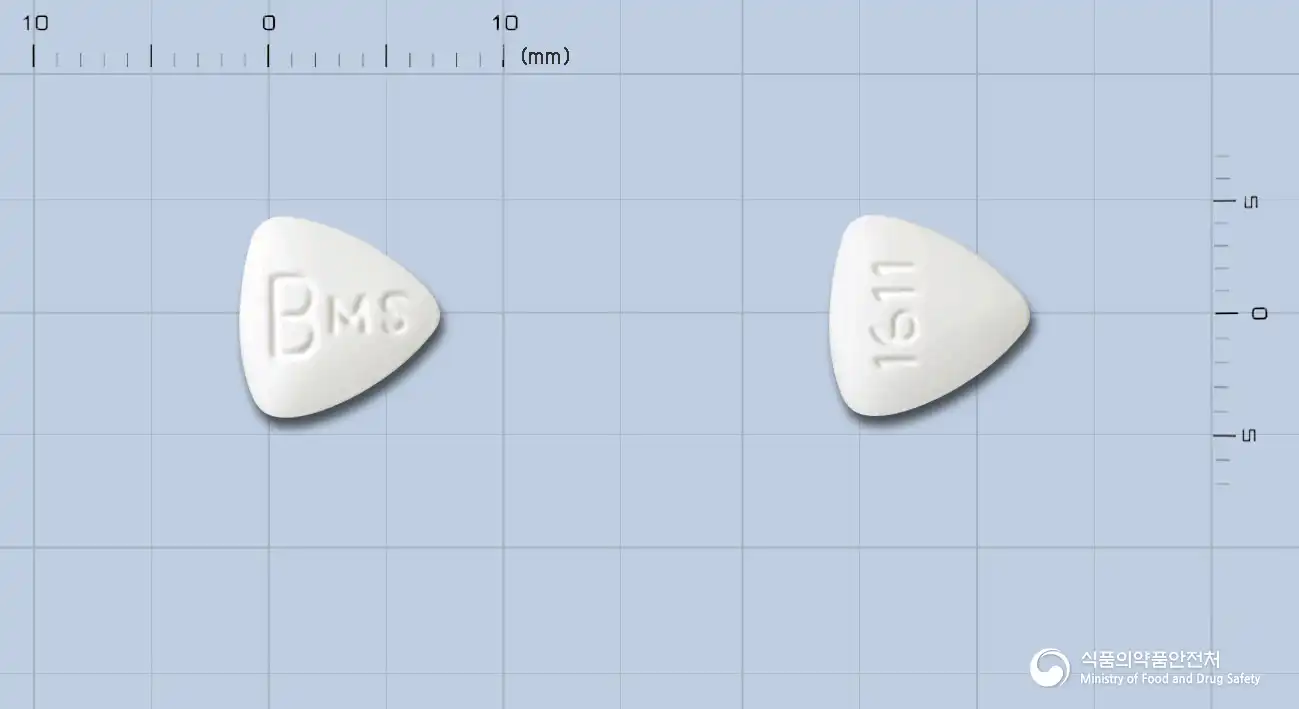
Entecavir 0.53mg
Tablet · Prescription medication
(Co., Ltd.) Korea BMS Pharmaceuticals
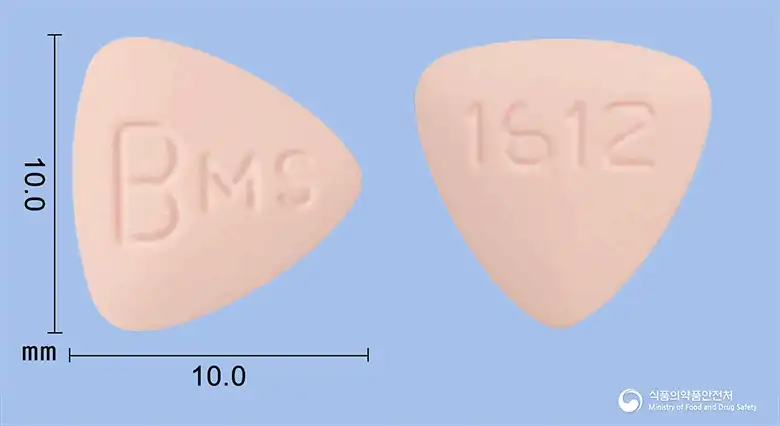
Entecavir 1.06mg
Tablet · Prescription medication
Korea BMS Pharma Co., Ltd.
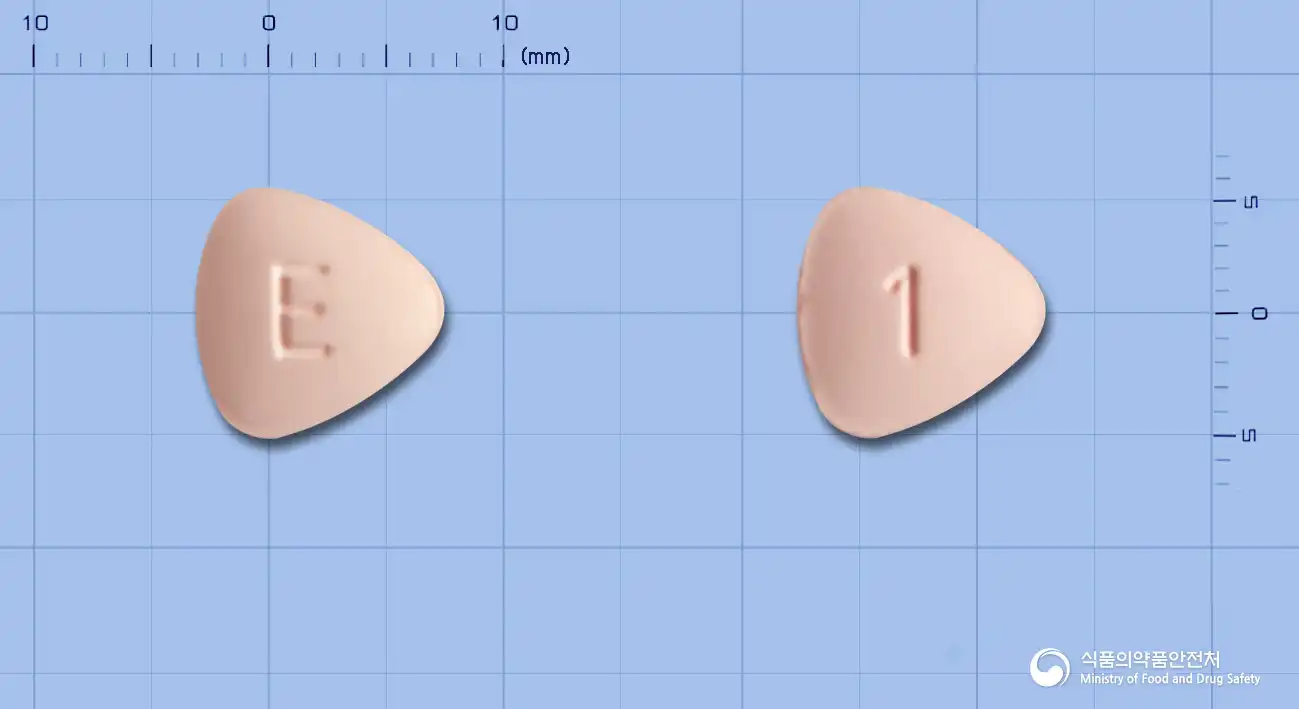
Entecavir 1.06mg
Tablet · Prescription medication
Hanmi Pharmaceutical Co., Ltd.
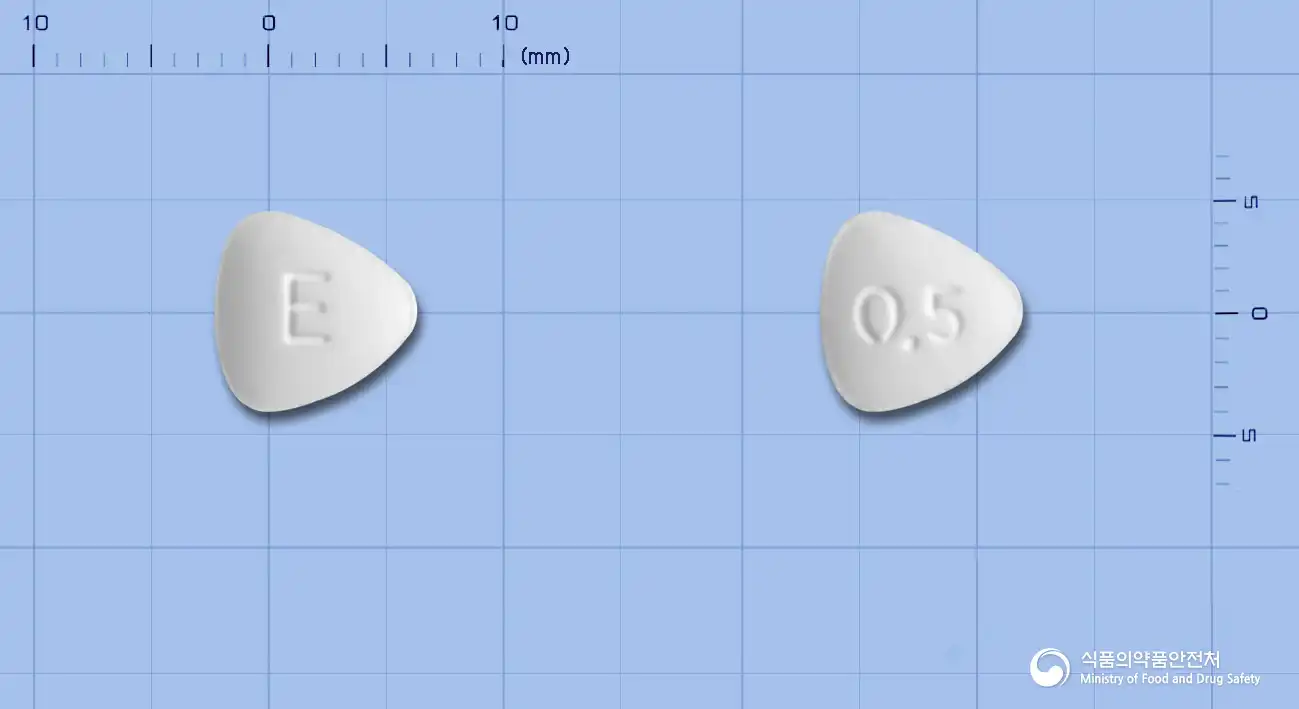
Entecavir 0.53mg
Tablet · Prescription medication
Hanmi Pharmaceutical Co., Ltd.
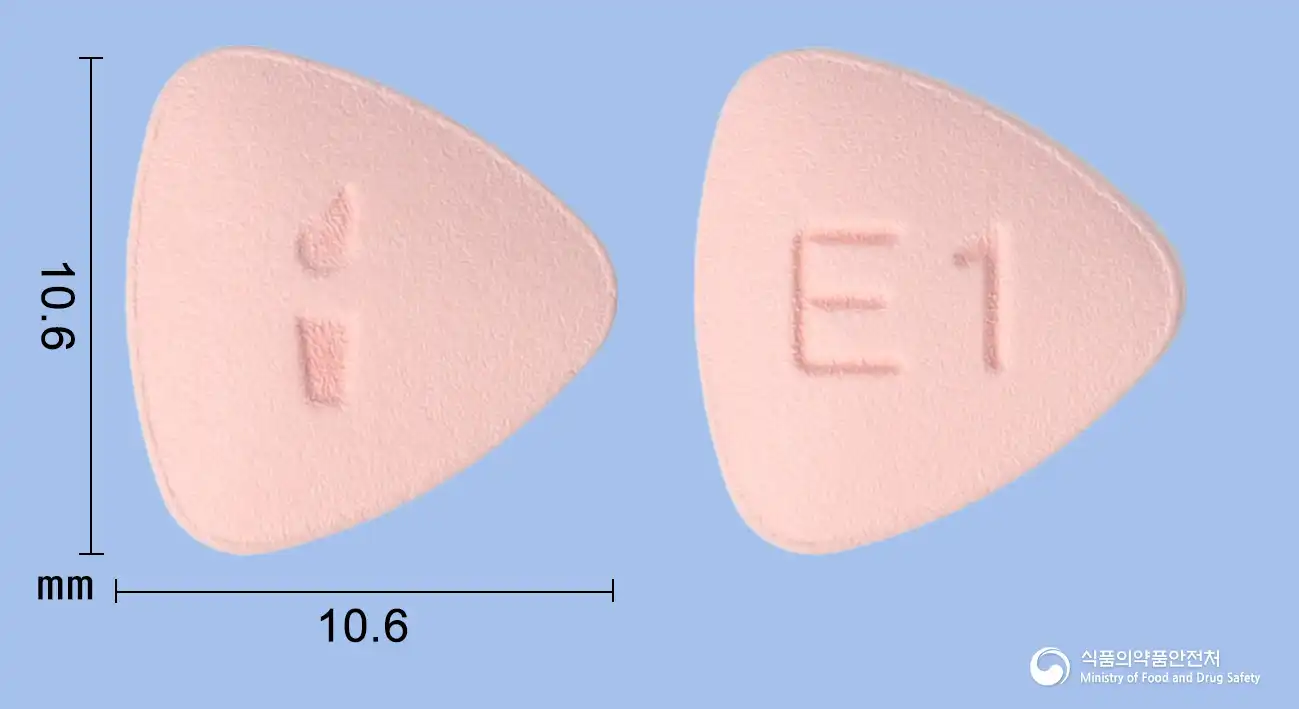
Entecavir 1.06mg
Tablet · Prescription medication
Sam-il Pharmaceutical Co., Ltd.
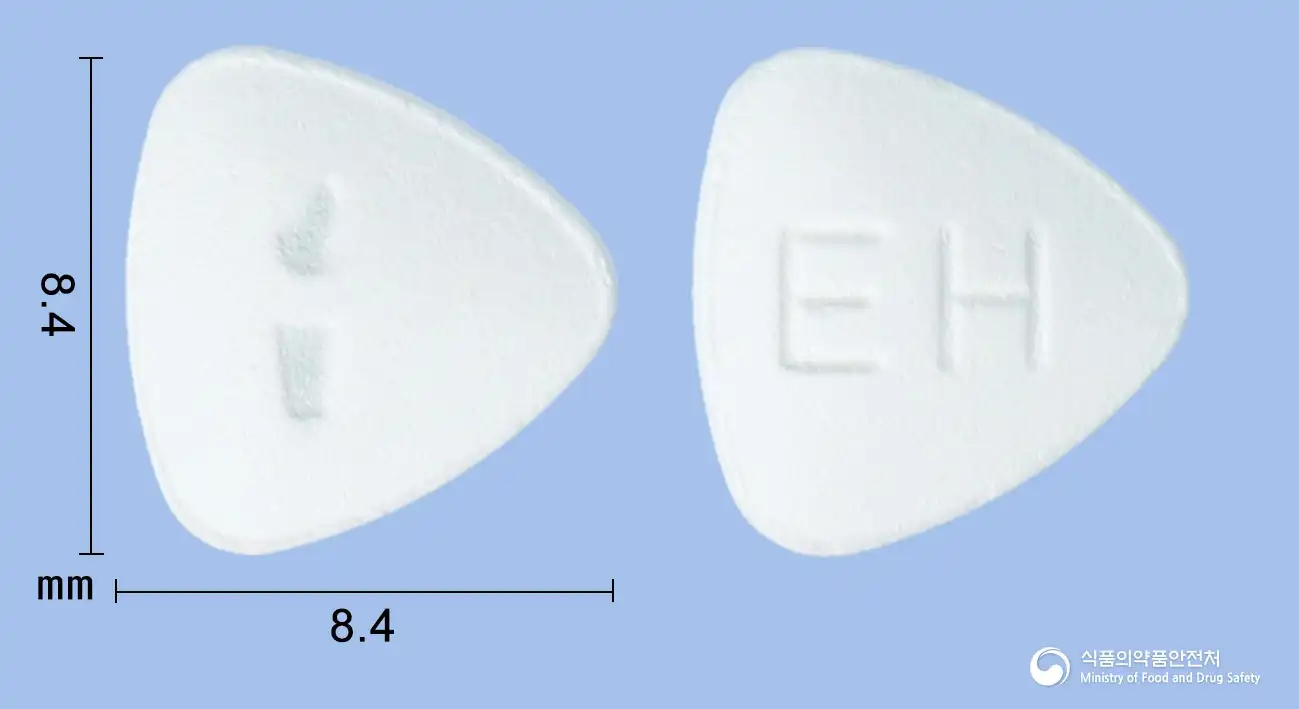
Entecavir 0.53mg
Tablet · Prescription medication
Samil Pharmaceutical Co., Ltd.
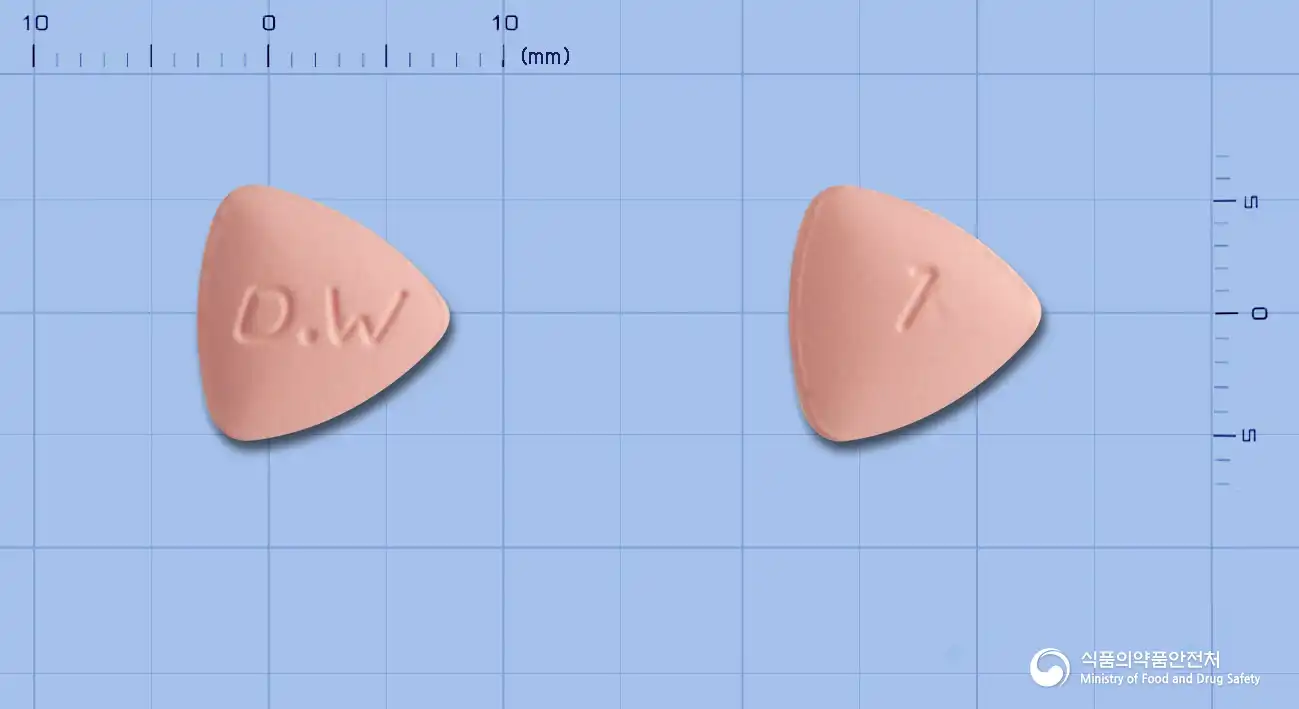
Entecavir 1.06mg
Tablet · Prescription medication
Daewoong Pharmaceutical Co., Ltd.
Even with the same ingredient, the dose and directions can differ by strength and dosage form. Talk to a doctor or pharmacist before switching from a medication you are already taking.
No questions yet.
For anything that needs medical judgment, consult a doctor or pharmacist.
This drug information is based on data provided by the Korea Ministry of Food and Drug Safety.
Consult a doctor or pharmacist for accurate dosage, administration, and usage instructions.