
 한국어
 English
 日本語
 中文(简体)
Dosage form image
Viewing nowCintegavir Oral Dissolving Film 0.5 mg (Entecavir Hydrate)
Entecavir Monohydrate 0.53mg
Prescription medication
CMG Pharmaceutical Co., Ltd.
MFDS item code 201504920 · Approved 2015.07.17 · Insurance code 648602930
This product's status changed to Expired on 2025.07.17. It may no longer be sold, so consult a doctor or pharmacist before taking it.
Treatment of chronic hepatitis B virus infection in patients 16 years and older
This medication is used for the treatment of chronic hepatitis B patients aged 16 years and older with active viral replication, persistent elevation of serum amino transferase (ALT or AST), or histologically confirmed active disease. This treatment suppresses viral activity, improves liver function abnormalities, and helps maintain health by preventing the progression of the disease.
• Take this medicine orally on an empty stomach (2 hours after a meal or at least 2 hours before a meal). • Immediately after removing this medicine from its individual package, place it on the tongue and allow it to dissolve; take it without water. • Take entecavir 0.5mg orally once daily. Patients with lamivudine resistance, i.e., patients aged 16 years and older who have experienced persistent hepatitis B virus replication despite lamivudine treatment or have lamivudine-resistant mutations: Take entecavir 1mg once daily on an empty stomach. • Patients with renal impairment: In patients with renal impairment, the oral clearance of this medicine decreases as creatinine clearance declines. Adjust the dose as follows in patients with creatinine clearance below 50mL/min, including patients receiving hemodialysis or continuous ambulatory peritoneal dialysis (CAPD). Creatinine clearance (mL/min) | Entecavir dose | Entecavir dose in patients with lamivudine resistance ≥ 50 | 0.5 mg once daily | 1 mg once daily 30 - <50 | 0.25 mg once daily a or 0.5 mg every 48 hours | 0.5 mg once daily or 1 mg every 48 hours 10 - <30 | 0.15 mg once daily a or 0.5 mg every 72 hours | 0.3 mg once daily a or 1 mg every 72 hours <10, hemodialysis b or CAPD | 0.05 mg once daily a or 0.5 mg every 7 days | 0.1 mg once daily a or 1 mg every 7 days a: For doses below 0.5mg, use of the syrup formulation is recommended. b: If administered on a hemodialysis day, administer this medicine after the hemodialysis session. (Pharmacokinetic properties in patients with renal impairment: See “8. Administration to Patients with Renal Impairment” under Precautions for Use.)
Limited to patients aged 16 and older who are lamivudine-resistant.
This drug is used for the treatment of chronic hepatitis B, and caution is required as serious liver diseases such as lactic acidosis and fatty liver may occur, particularly in patients with poor liver function. Abruptly discontinuing this drug may lead to a severe worsening of hepatitis B, so liver function should be carefully monitored for several months after stopping treatment. In patients co-infected with HIV and hepatitis B who are not receiving HIV treatment, this drug may lead to resistance to HIV treatments, so HIV infection status must be checked before use. Patients with allergies to this drug or its components should not use it, and those with impaired renal function need dose adjustments, so they should consult with healthcare providers. Patients who have undergone liver transplantation should closely monitor renal function before and during treatment with this drug, and caution is also needed when used in combination with immunosuppressants. During the course of treatment, side effects such as headaches, fatigue, dizziness, and nausea may occur, and treatment should be discontinued immediately if liver function tests show abnormalities or hepatotoxic symptoms arise. Taking this medication with food may decrease its absorption, so it is recommended to take it on an empty stomach. Pregnant women must consult with a physician considering the potential risks to the fetus before use, while lactating women are advised to discontinue breastfeeding as this drug may excrete into breast milk. Children and elderly patients should also be cautious with the use of this drug, especially in children under 16, as safety and efficacy have not been established, thus consultation with a specialist is recommended. No specific harm has been reported in the case of overdose, but if necessary, hemodialysis may remove some of the medication, so monitoring and support by healthcare providers are needed. Finally, this drug should be stored out of the reach of children, away from direct sunlight, at the prescribed temperature, and the oral dissolving film should be taken immediately after being removed from the package.
Not everyone experiences these, and they can vary from person to person.
This medication should be stored in a tightly sealed container to prevent exposure to air or moisture. The optimal storage temperature is between 1 to 30 degrees Celsius (room temperature) to maintain the efficacy of the drug for a longer period.
White square oral dissolving film
1 piece × 30 pieces
Even with the same ingredient, strength, dosage form and how it is taken can differ.
Entecavir Monohydrate 0.53mg
Prescription medication
CMG Pharmaceutical Co., Ltd.
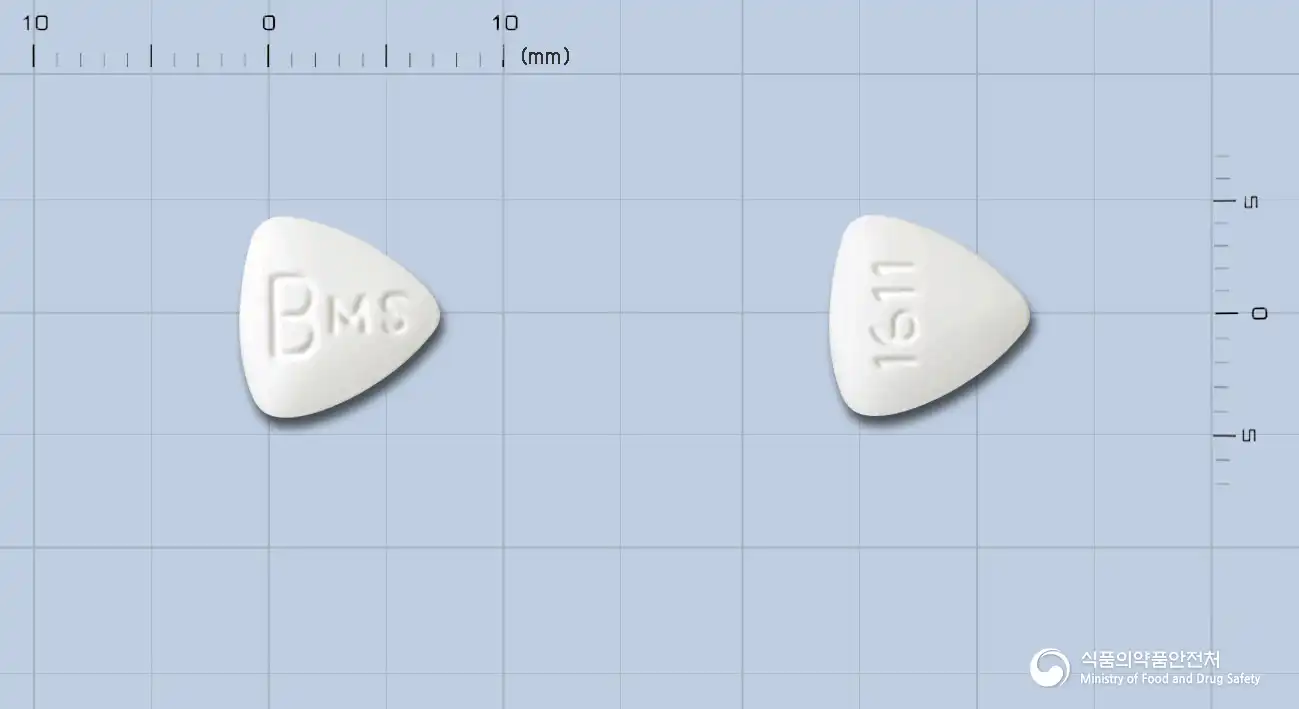
Entecavir 0.53mg
Tablet · Prescription medication
(Co., Ltd.) Korea BMS Pharmaceuticals
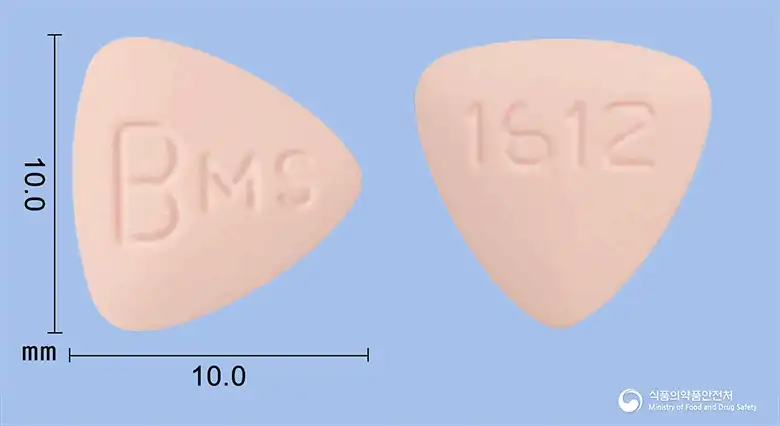
Entecavir 1.06mg
Tablet · Prescription medication
Korea BMS Pharma Co., Ltd.
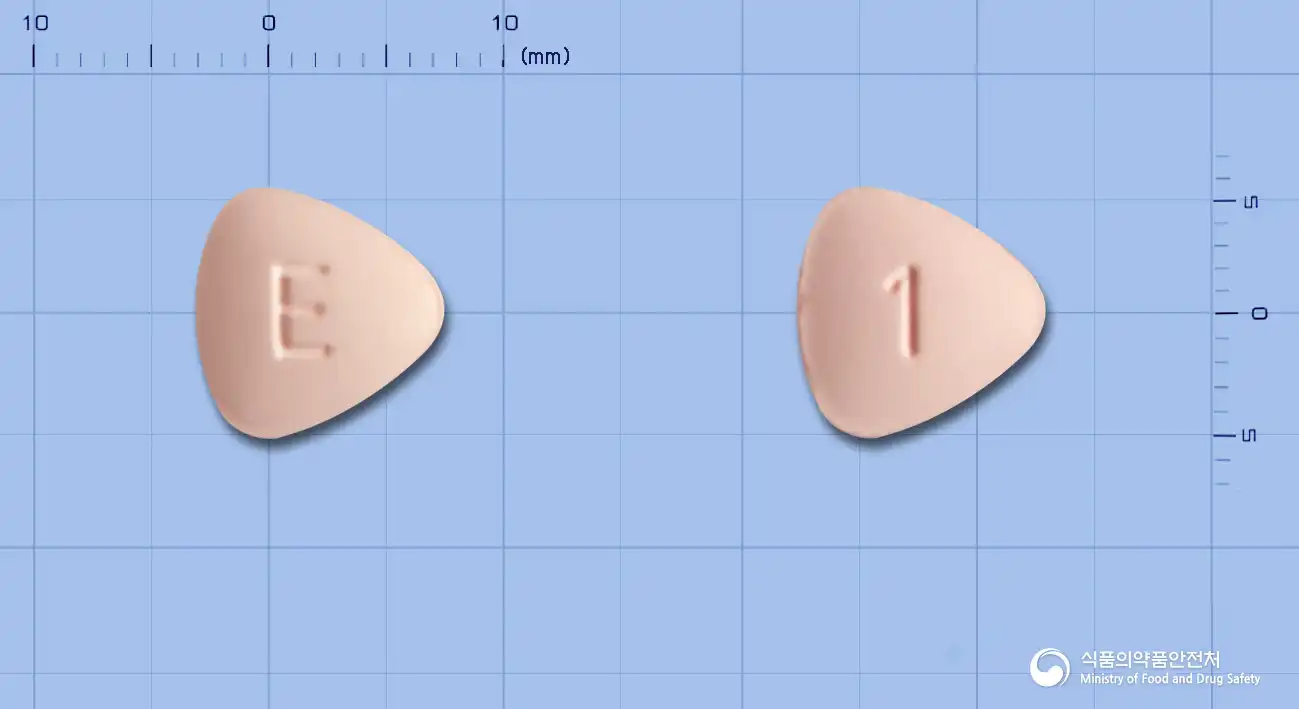
Entecavir 1.06mg
Tablet · Prescription medication
Hanmi Pharmaceutical Co., Ltd.
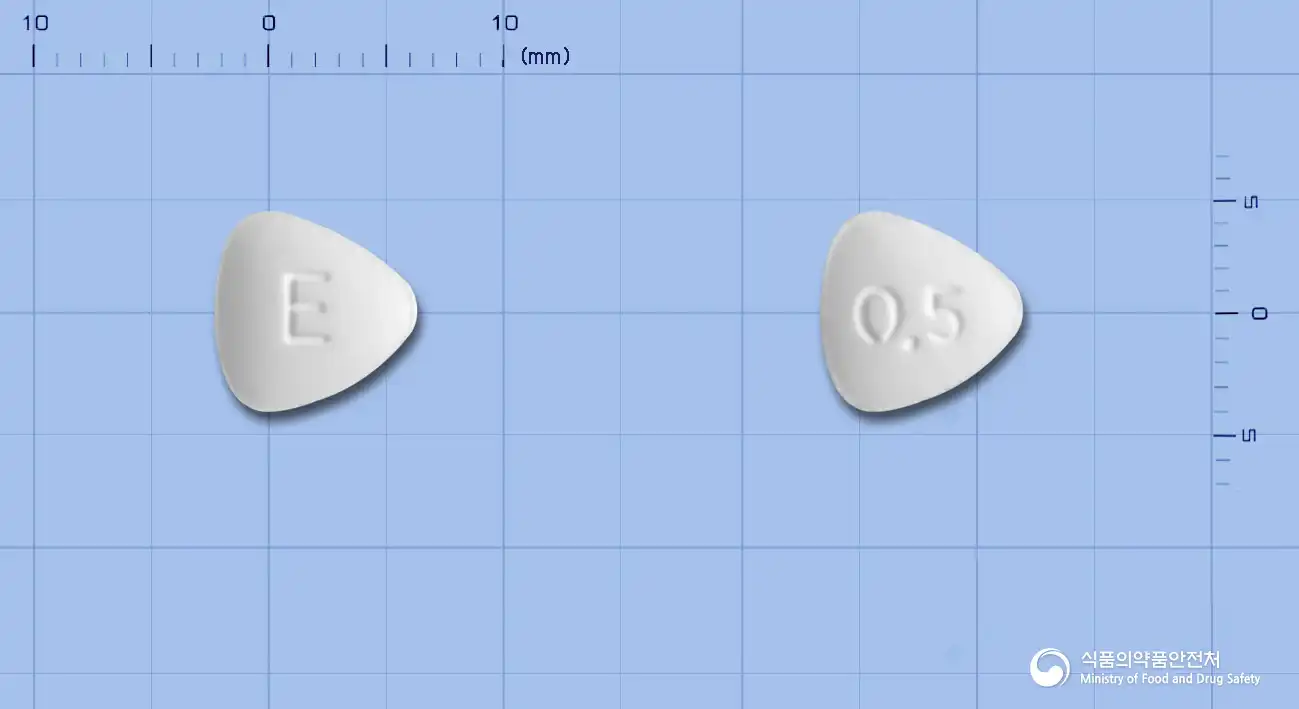
Entecavir 0.53mg
Tablet · Prescription medication
Hanmi Pharmaceutical Co., Ltd.
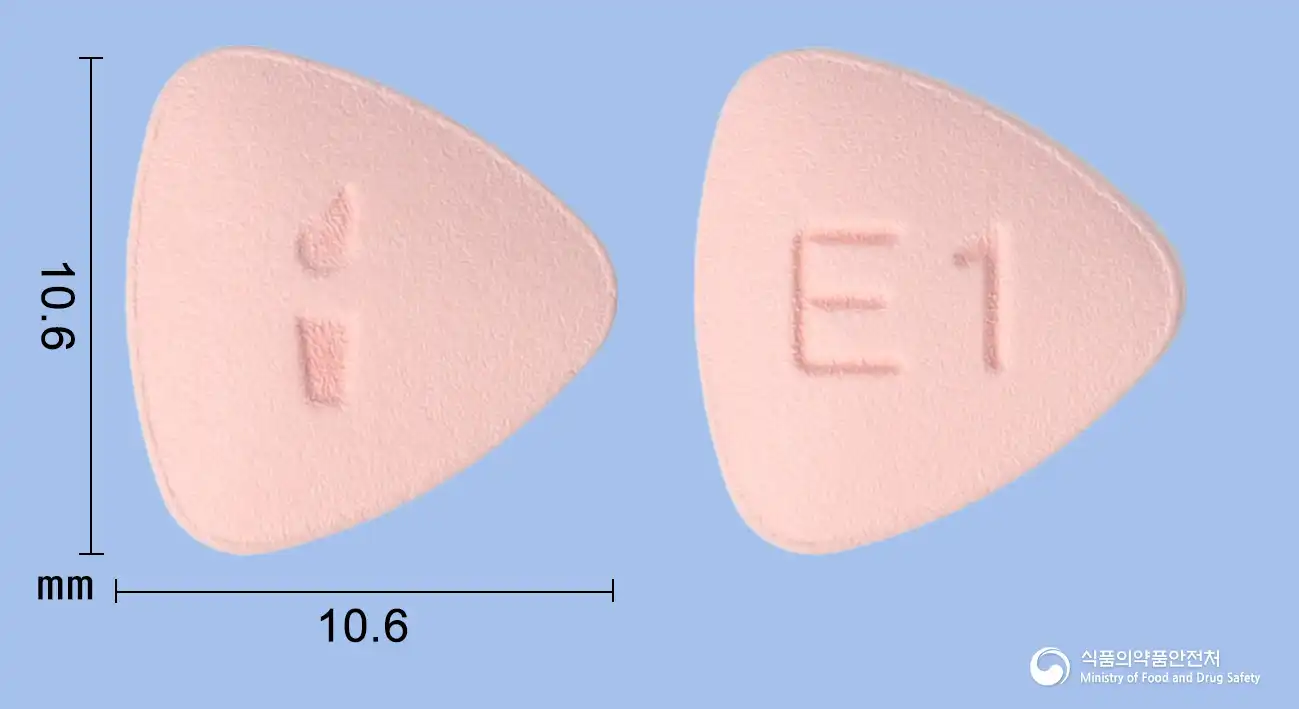
Entecavir 1.06mg
Tablet · Prescription medication
Sam-il Pharmaceutical Co., Ltd.
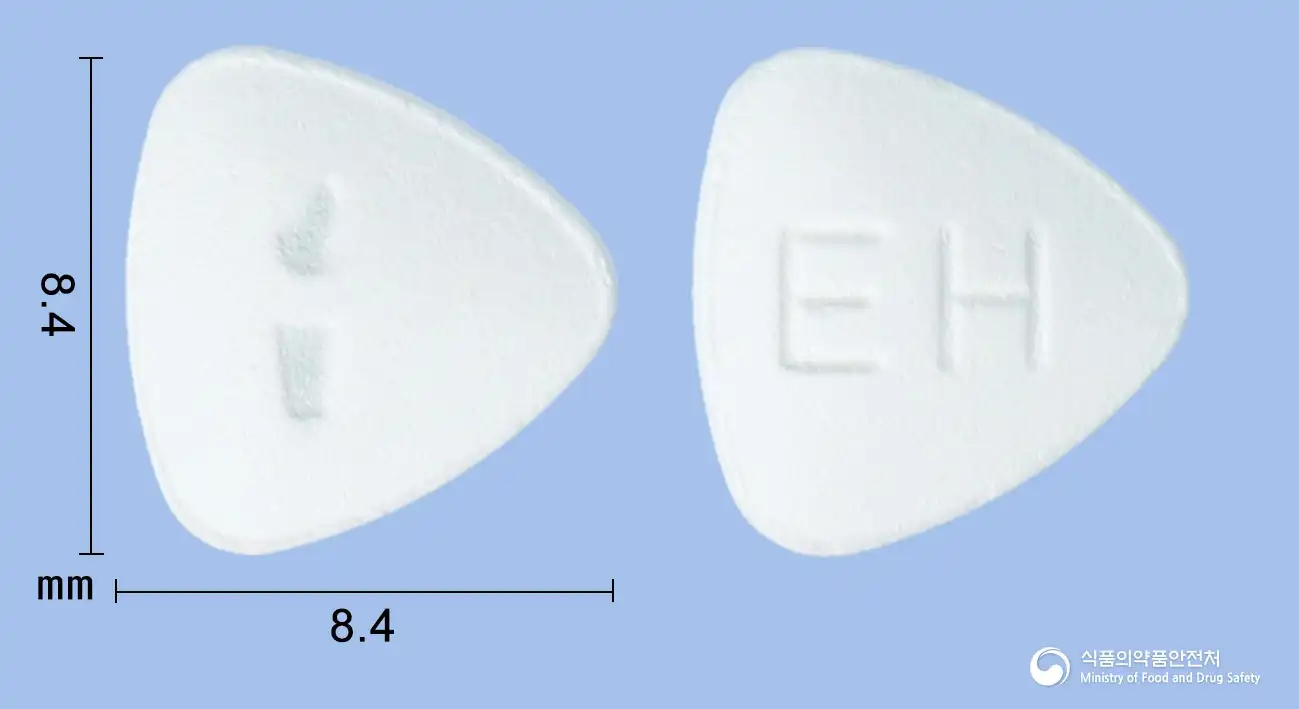
Entecavir 0.53mg
Tablet · Prescription medication
Samil Pharmaceutical Co., Ltd.
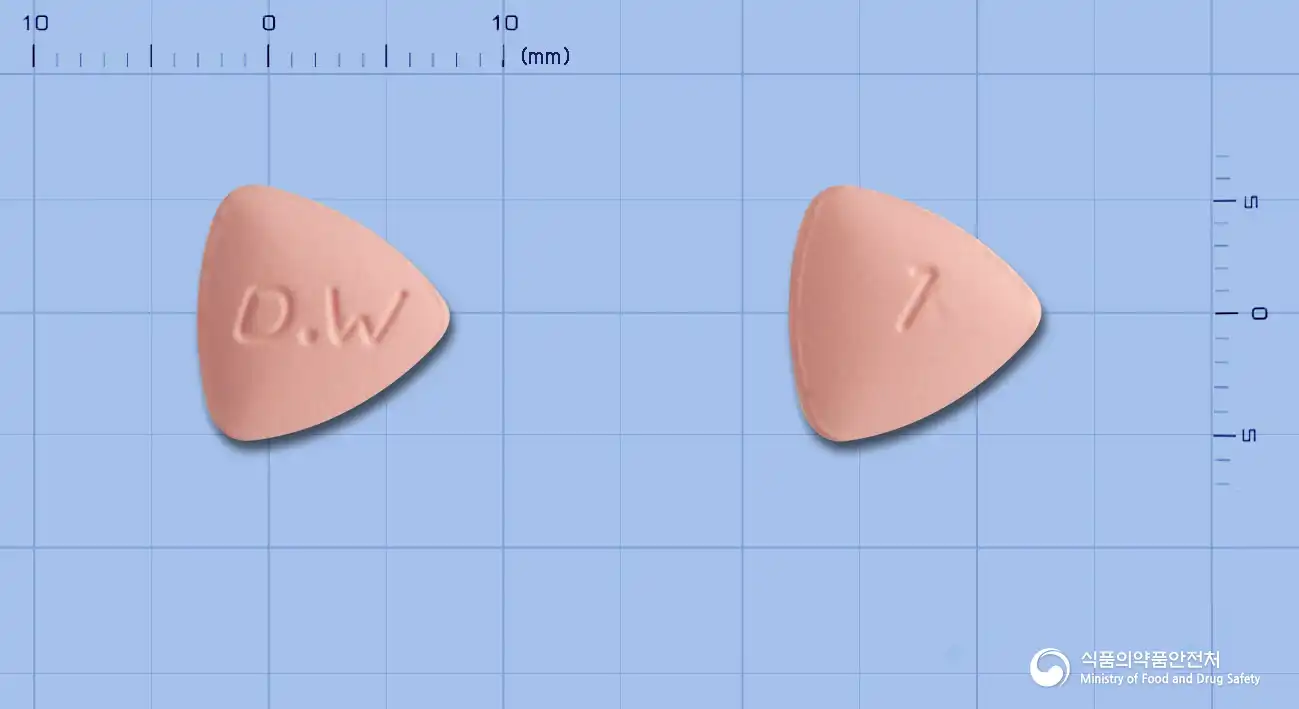
Entecavir 1.06mg
Tablet · Prescription medication
Daewoong Pharmaceutical Co., Ltd.
Even with the same ingredient, the dose and directions can differ by strength and dosage form. Talk to a doctor or pharmacist before switching from a medication you are already taking.
No questions yet.
For anything that needs medical judgment, consult a doctor or pharmacist.
This drug information is based on data provided by the Korea Ministry of Food and Drug Safety.
Consult a doctor or pharmacist for accurate dosage, administration, and usage instructions.