
 한국어
 English
 日本語
 中文(简体)
Summary
- Main use
- Smoking suppression to help reduce the amount smoked and quit smoking
- Who uses it
- Adults
- Adult dosage
- The dose and duration of treatment are determined based on the patient's nicotine dependence. 2 mg gum is recommended for smokers who smoke 20 cigarettes or fewer per day, and 4 mg gum is recommended for heavy smokers who smoke more than 20 cigarettes per day or when treatment with the 2 mg dose has failed. Whenever the urge to smoke occurs, chew slowly using the "chew and rest" method. After chewing the gum for 30 minutes using this method, discard the used gum. Do not use more than 15 pieces per day in total. 1) Place 1 piece of nicotine gum in the mouth and chew slowly at intervals of a few seconds. 2) When a strong taste or slight tingling sensation is felt, stop chewing and hold the gum briefly against the inside of the cheek until the strong taste or tingling sensation subsides. 3) Chew the gum slowly again and repeat as above. 4) Continue chewing in this manner for 30 minutes. 5) Once accustomed to the taste of the gum, increase the chewing rate as needed. [Smoking cessation: If you want to quit smoking] Adults (18 years and older): Those attempting to quit smoking should make every effort to abstain completely while using nicotine gum. To maintain complete abstinence, use nicotine gum whenever the urge to smoke occurs. Usually, chew 8~12 pieces per day of either 2 mg or 4 mg gum, and do not use more than 15 pieces per day in total. As the urge to smoke gradually decreases, reduce the number of pieces used each day. Treatment for 3 months is generally sufficient. For users of 4 mg nicotine gum, using 2 mg gum when withdrawal symptoms occur during treatment may be helpful. Because the urge to smoke may suddenly return, always carry extra gum. If nicotine replacement therapy is used for a total of 9 months or longer to quit smoking, seek help and counseling from a healthcare professional. [Reducing smoking: If you want to reduce the amount or frequency of smoking] Adults (18 years and older): Use nicotine gum to control the urge to smoke and extend the intervals between cigarettes. Make every effort to reduce smoking as much as possible while using nicotine gum. If daily cigarette consumption has not decreased even after 6 weeks of using nicotine gum, consult a healthcare professional. Attempt to quit smoking as soon as you feel ready, but do not wait until 6 months after starting treatment. If you have difficulty attempting to quit by 9 months after starting treatment, consult a healthcare professional. If attempting to quit smoking, refer to the section for "Adults" under [Smoking cessation: If you want to quit smoking] above.
Ingredients
- Manufacturer
- Shinil Pharmaceutical Co., Ltd.
Efficacy & effects
Smoking suppression to help reduce the amount smoked and quit smoking
View approved original textHide original text
This medication serves as an adjunct to help with smoking cessation, supporting users to reduce smoking amounts and ultimately quit smoking. It can effectively aid those planning to quit.
Dosage and Administration
Adult dosage
The dose and duration of treatment are determined based on the patient's nicotine dependence. 2 mg gum is recommended for smokers who smoke 20 cigarettes or fewer per day, and 4 mg gum is recommended for heavy smokers who smoke more than 20 cigarettes per day or when treatment with the 2 mg dose has failed. Whenever the urge to smoke occurs, chew slowly using the "chew and rest" method. After chewing the gum for 30 minutes using this method, discard the used gum. Do not use more than 15 pieces per day in total. 1) Place 1 piece of nicotine gum in the mouth and chew slowly at intervals of a few seconds. 2) When a strong taste or slight tingling sensation is felt, stop chewing and hold the gum briefly against the inside of the cheek until the strong taste or tingling sensation subsides. 3) Chew the gum slowly again and repeat as above. 4) Continue chewing in this manner for 30 minutes. 5) Once accustomed to the taste of the gum, increase the chewing rate as needed. [Smoking cessation: If you want to quit smoking] Adults (18 years and older): Those attempting to quit smoking should make every effort to abstain completely while using nicotine gum. To maintain complete abstinence, use nicotine gum whenever the urge to smoke occurs. Usually, chew 8~12 pieces per day of either 2 mg or 4 mg gum, and do not use more than 15 pieces per day in total. As the urge to smoke gradually decreases, reduce the number of pieces used each day. Treatment for 3 months is generally sufficient. For users of 4 mg nicotine gum, using 2 mg gum when withdrawal symptoms occur during treatment may be helpful. Because the urge to smoke may suddenly return, always carry extra gum. If nicotine replacement therapy is used for a total of 9 months or longer to quit smoking, seek help and counseling from a healthcare professional. [Reducing smoking: If you want to reduce the amount or frequency of smoking] Adults (18 years and older): Use nicotine gum to control the urge to smoke and extend the intervals between cigarettes. Make every effort to reduce smoking as much as possible while using nicotine gum. If daily cigarette consumption has not decreased even after 6 weeks of using nicotine gum, consult a healthcare professional. Attempt to quit smoking as soon as you feel ready, but do not wait until 6 months after starting treatment. If you have difficulty attempting to quit by 9 months after starting treatment, consult a healthcare professional. If attempting to quit smoking, refer to the section for "Adults" under [Smoking cessation: If you want to quit smoking] above.
Precautions
This medication can stick to dentures or prosthetic devices, and may rarely cause damage, so caution is advised. Aspartame, an artificial sweetener contained in this medication, is converted to phenylalanine in the body, so individuals with the genetic disorder phenylketonuria should not use this medication. Care should be taken to not exceed the established maximum daily dosage, particularly for adults, who should not exceed 2.4 grams per day. Nicotine, contained in this medication, can harm the fetus during pregnancy; thus, pregnant women should avoid using it, as should breastfeeding women. Moreover, individuals who are allergic to any component of this medication, have cardiovascular diseases, cerebrovascular diseases, are under 18 years old, or are non-smokers should not use this medication. Before using this medication, individuals with gastritis, stomach ulcers, heart disease, or poor kidney or liver function, or those with diabetes or thyroid dysfunction should consult a doctor or pharmacist. If unusual symptoms appear such as dizziness, headaches, palpitations, nausea, or skin rashes while using this medication, use should be stopped immediately and a professional should be consulted. This medication should be chewed slowly, and chewing multiple pieces at once can result in serious side effects due to overdose. Nicotine is highly toxic to children, so it should be stored out of reach of children, and it is advisable to avoid direct sunlight and store it in a cool, dry place. Additionally, this medication should not be transferred to another container, and because some medications' effects may change when quitting smoking, consulting a professional is necessary when taking concomitant medications.
Side effects
Headache, dizziness (vertigo), sleep disorders, anxiety, emotional instability, restlessness, abnormal dreams, confusion (mental fogginess), agitation (restlessness), concentration difficulties, fatigue, migraine, cramps (contractions and relaxations), leg cramps, changes in blood pressure, hypertension, palpitations, reversible atrial fibrillation, atrial arrhythmia, nausea, vomiting, upper abdominal pain, abdominal pain (pain in the abdomen), indigestion, abdominal distension (bloating), gastric ulcer and other gastrointestinal disorders, dysphagia (difficulty swallowing), thirst, bowel irregularities, constipation, diarrhea, increased appetite, symptoms of cold and influenza, cough, pharyngitis, rhinitis (nasal inflammation), sinusitis, upper respiratory symptoms, bronchitis, shortness of breath, allergies, rash (skin rash), herpes zoster, itching, hives, acne, erythema, dysgeusia (impaired taste), visual disturbances, irritation (pain) of the oral cavity (mouth) and pharynx (throat), pain in the temporomandibular joint and muscles, gingivitis (gum inflammation), dysmenorrhea, myalgia, arthralgia, toothache, back pain, chest pain, pain, ear pain, facial flushing, localized edema (swelling), weight gain, thyroid dysfunction, lymph node pain, cystitis, increased sweating, hiccups, vascular edema (swelling)
Not everyone experiences these, and they can vary from person to person.
Interactions
Drug interactions
This medication may interact with paracetamol, caffeine, imipramine, oxazepam, pentazocine, propranolol, theophylline, warfarin, estrogen, lignocaine, phenacetin, insulin, adrenergic antagonists (such as prazosin, labetalol), flecainide, adrenergic agonists (such as isoproterenol, phenylephrine), propoxyphene, furosemide diuretics, H2 antagonists, beta-blockers, tacrine, clozapine, and ropinirole.
Storage
This medication should be stored in a sealed container to prevent air ingress, ideally in a cool place below 25 degrees Celsius. Storing it this way can help maintain the medication's efficacy over a longer period.
Appearance and packaging
Appearance
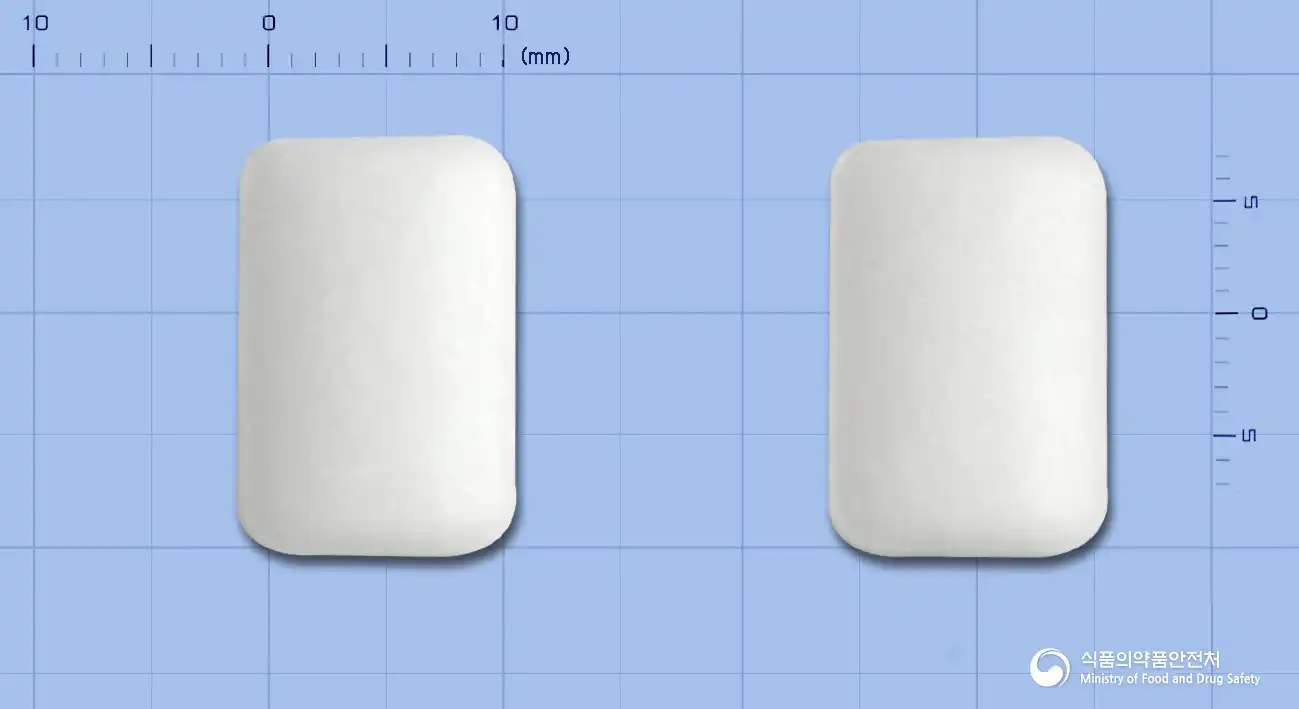
White rectangular gum
Package unit
30 pieces (10 pieces/PTP x 3)
Questions about this medicine
No questions yet.
For anything that needs medical judgment, consult a doctor or pharmacist.