
 한국어
 English
 日本語
 中文(简体)
Dosage form image
Viewing nowBispentyn Controlled Release Capsule 30mg (Methylphenidate Hydrochloride)
Methylphenidate Hydrochloride
Prescription medication
Korea Mundi Pharma Co., Ltd.
MFDS item code 201503881 · Approved 2015.06.15
This product's status changed to Approval withdrawn on 2023.05.19. It may no longer be sold, so consult a doctor or pharmacist before taking it.
Treatment of attention-deficit/hyperactivity disorder in children and adolescents aged 6 years and older
This medication is used to treat Attention Deficit Hyperactivity Disorder (ADHD) in children and adolescents over the age of 6. ADHD is a condition characterized by symptoms such as lack of concentration, hyperactivity, and impulsivity that appear before the age of 7 and persist to the extent that they interfere with daily life in various environments such as school and home. This medication is used as an essential component of a comprehensive treatment program along with psychological, educational, and social therapeutic methods. Not all ADHD patients require pharmacological treatment, and the physician makes a prescription decision considering the degree and chronicity of the patient's symptoms. Moreover, this medication is not suitable for symptoms accompanying other psychiatric disorders, making accurate diagnosis and comprehensive evaluation important. Therefore, this medication is used effectively to improve ADHD symptoms.
Start this medicine at the lowest possible dose and adjust the dose individually according to the patient's response and tolerability. This medicine or its contents should be taken intact with water. Do not chew or crush the contents of this medicine. Administer this medicine once daily in the morning. The initial dose is 10 - 20mg once daily. Increase the daily dose by 10mg each week according to the patient's response to treatment and tolerability. The maximum daily dose of this medicine is 60mg. The efficacy of this medicine for treatment lasting longer than 4 weeks has not been systematically evaluated in placebo-controlled clinical trials. When prescribing this medicine for long-term use in patients with ADHD, periodically reevaluate its long-term efficacy by temporarily interrupting drug treatment and assessing the patient's social functioning. If symptoms worsen or other adverse reactions occur, reduce the dose and, if necessary, discontinue this medicine. If symptoms do not improve within one month after adjustment to an appropriate dose, discontinue this medicine.
This medication should not be used in children, adolescents, or adults with significant heart disease. In particular, it should not be administered to those with pre-existing cardiac abnormalities or arrhythmias, coronary artery disease, etc. Caution is necessary for patients with hypertension, and blood pressure and pulse should be monitored regularly. If heart disease is suspected, a cardiac examination should be performed before deciding on administration. Patients with psychosis or bipolar disorder may experience worsening symptoms when using this medication, so caution is required. If new psychotic symptoms or manic symptoms occur, immediate consultation with healthcare professionals is necessary. There is a risk of aggression or suicidal tendencies, and evaluation is needed if such symptoms arise during treatment. Long-term use may result in growth suppression, so growth should be periodically monitored, and administration should be discontinued if necessary. Patients with a history of seizures may have an increased risk of convulsions, and administration should be stopped in case of a seizure. Visual disturbances or problems with eye adjustment may rarely occur. This medication should not be used in children under the age of 5, as its safety and efficacy have not been established. Patients with a history of substance dependence or alcohol addiction should be cautious about dosing adjustments and abuse. There may be persistent painful erections, so immediate medical attention is needed if such symptoms occur. Symptoms of peripheral vascular disease (such as Raynaud's phenomenon) may appear, and changes in the hands and feet should be well monitored during treatment. Patients with severe anxiety, tension, excitement, glaucoma, Tourette's syndrome, or those taking MAO inhibitors should not use this medication. Blood pressure, pulse, heart condition, and psychiatric history should be thoroughly evaluated before administration and monitored regularly during treatment. There may be interactions with other medications, so it is essential to inform healthcare professionals about any medications being taken. Pregnant or nursing women should be cautious when using this medication and consult professionals if necessary. This medication can be taken whole or sprinkled into applesauce and taken immediately, but should not be mixed and stored in advance. Caution is advised as dizziness may occur when driving or operating machinery. This medication should be stored out of reach of children and kept in its original container.
Not everyone experiences these, and they can vary from person to person.
This medication should be stored in a tightly sealed container to avoid exposure to air or moisture. It is recommended to maintain a storage temperature between 1 and 25 degrees Celsius at room temperature. This will help maintain the medication's efficacy and safety.
A hard capsule with a white spherical particle inside, purple on the upper part and white on the lower part.
30 capsules
Even with the same ingredient, strength, dosage form and how it is taken can differ.
Methylphenidate Hydrochloride
Prescription medication
Korea Mundi Pharma Co., Ltd.
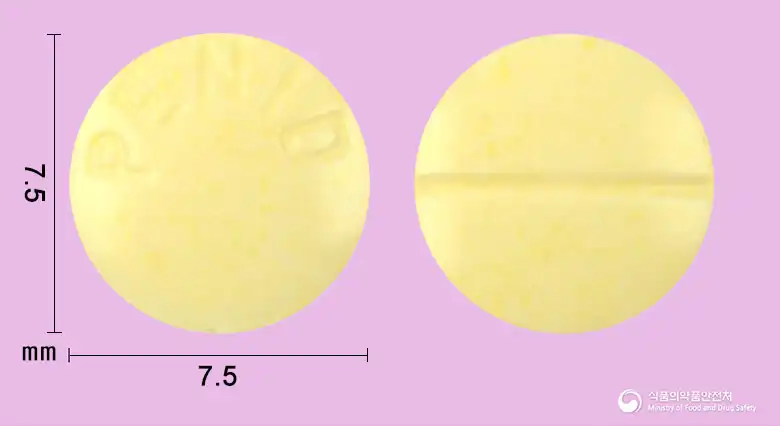
Methylphenidate Hydrochloride 5mg
Tablet · Prescription medication
Hanin Pharmaceutical Co., Ltd.
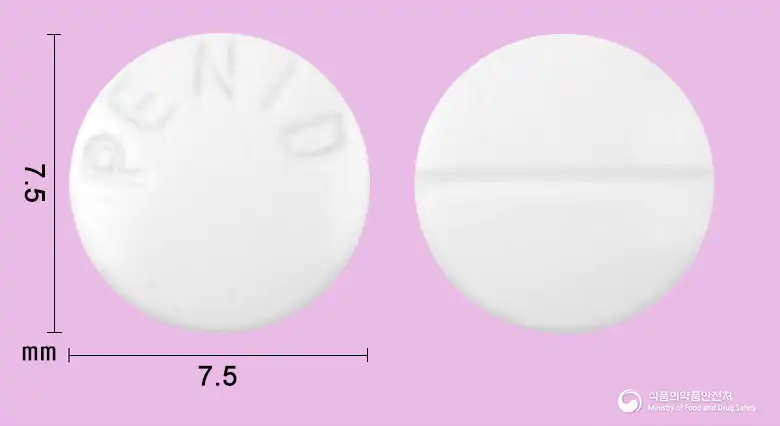
Methylphenidate Hydrochloride 10mg
Tablet · Prescription medication
Hwanin Pharmaceutical Co., Ltd.
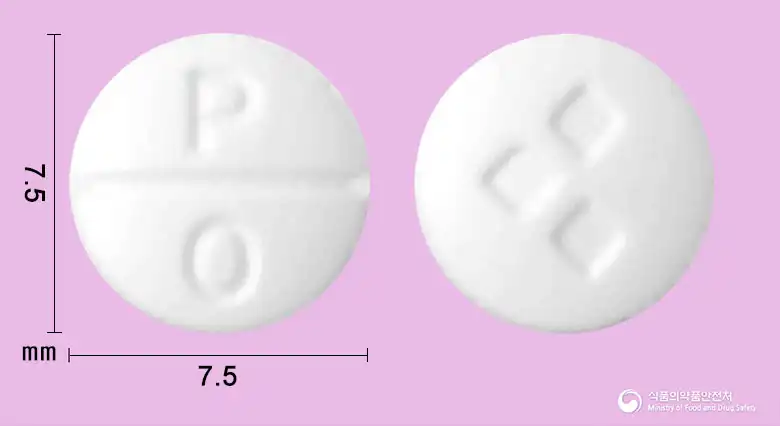
Methylphenidate Hydrochloride 10mg
Tablet · Prescription medication
Myungjin Pharmaceutical Co., Ltd.
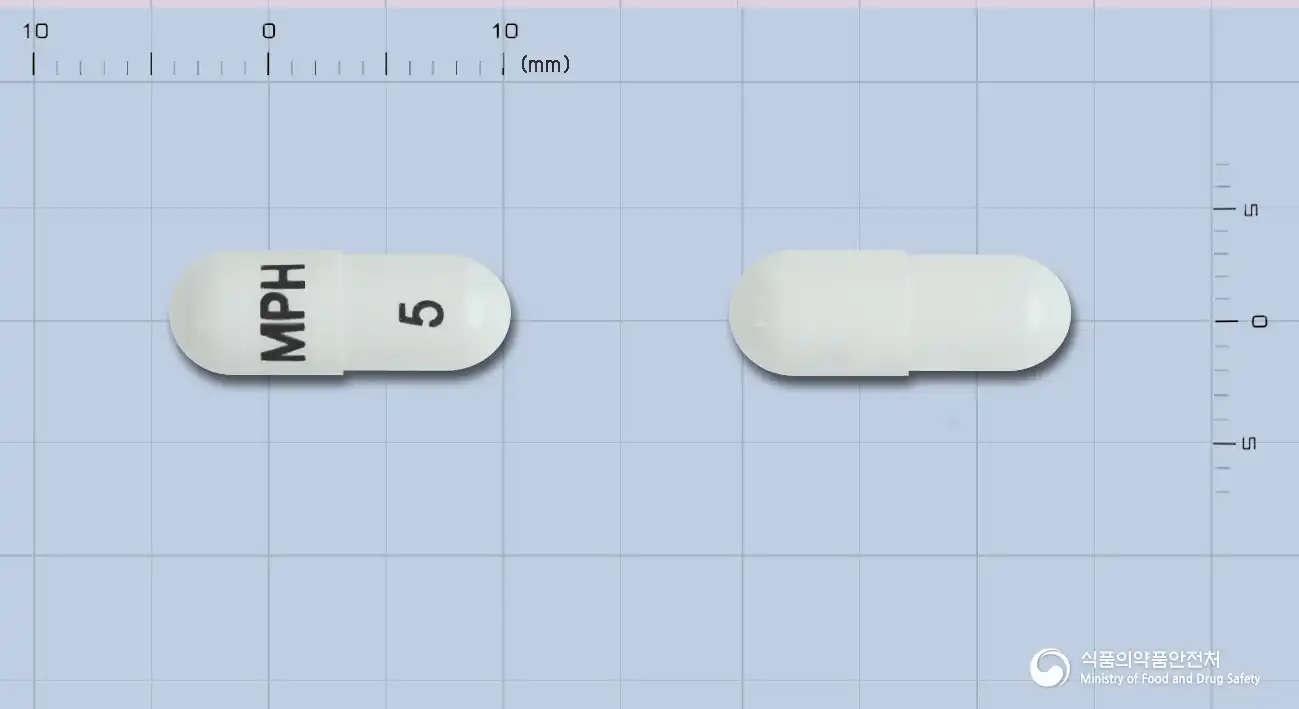
Methylphenidate Hydrochloride 2.5mg
Prescription medication
Myungjin Pharmaceutical Co., Ltd.
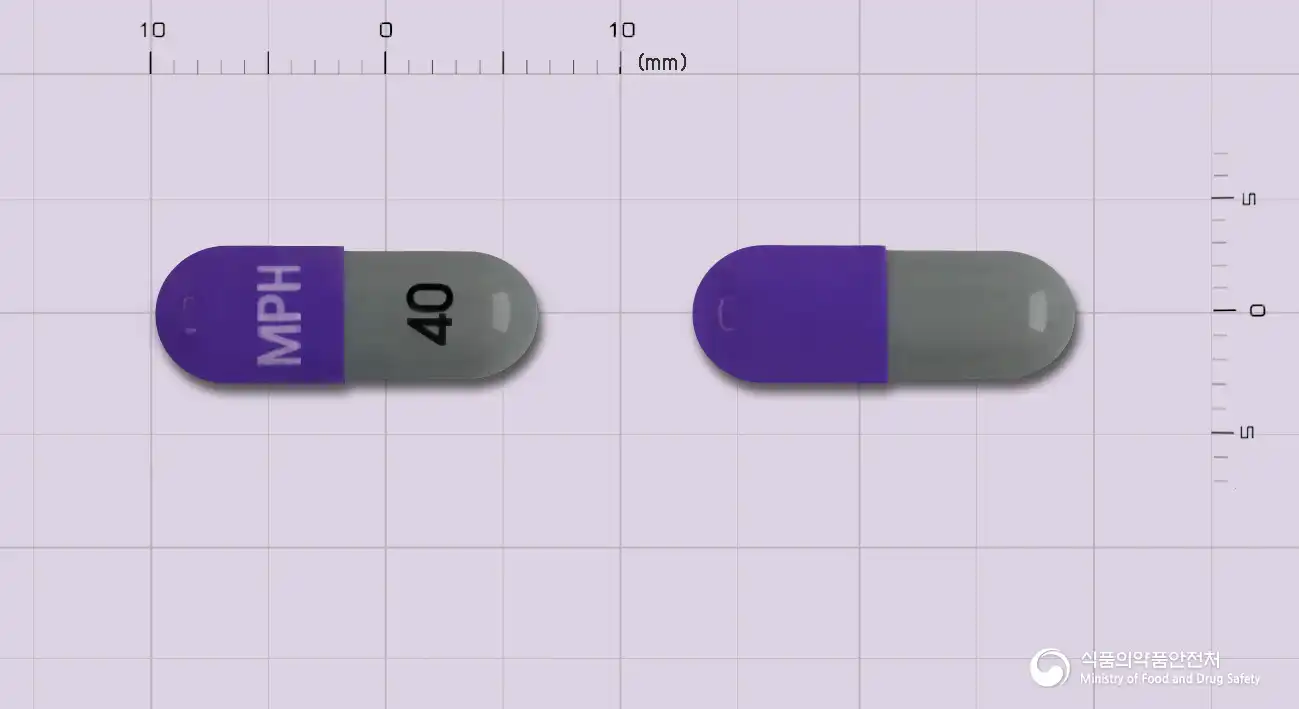
Methylphenidate Hydrochloride 20mg
Hard capsule · Prescription medication
Myungjin Pharmaceutical Co., Ltd.
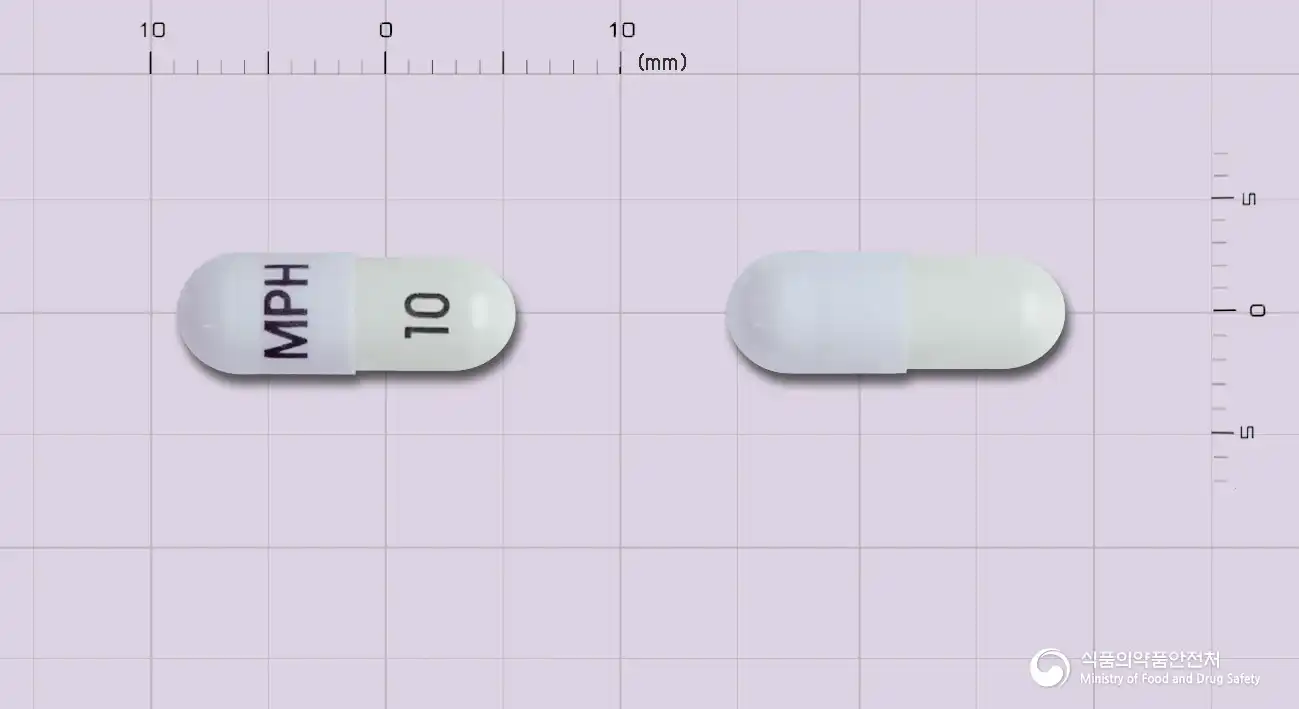
Methylphenidate Hydrochloride 5mg
Hard capsule · Prescription medication
Myeongin Pharmaceutical Co., Ltd.
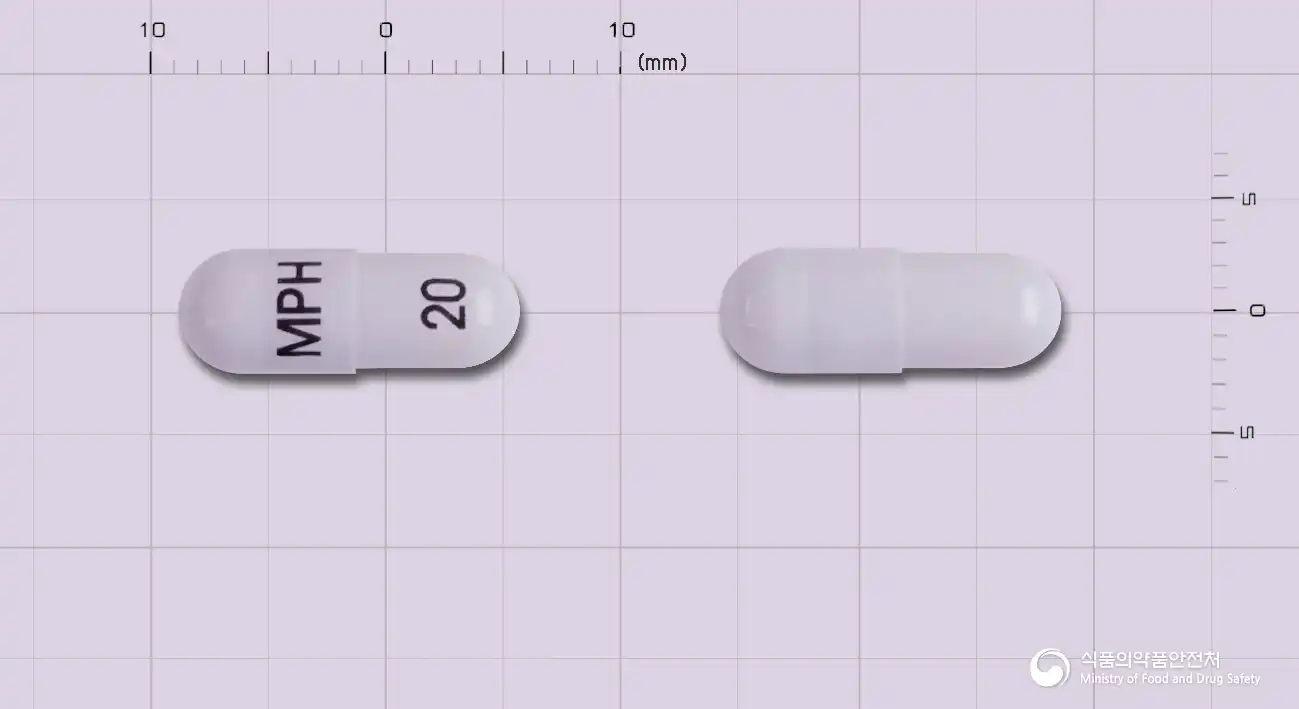
Methylphenidate Hydrochloride 10mg
Hard capsule · Prescription medication
Myungin Pharmaceutical Co., Ltd.
Even with the same ingredient, the dose and directions can differ by strength and dosage form. Talk to a doctor or pharmacist before switching from a medication you are already taking.
No questions yet.
For anything that needs medical judgment, consult a doctor or pharmacist.
This drug information is based on data provided by the Korea Ministry of Food and Drug Safety.
Consult a doctor or pharmacist for accurate dosage, administration, and usage instructions.