
 한국어
 English
 日本語
 中文(简体)
Dosage form image
Viewing nowBaraclude Oral Disintegrating Film 1 mg (Entecavir Hydrate)
Entecavir Monohydrate 1.06mg
Prescription medication
Daewoong Pharmaceutical Co., Ltd.
MFDS item code 201503593 · Approved 2015.06.04
This product's status changed to Approval withdrawn on 2023.10.18. It may no longer be sold, so consult a doctor or pharmacist before taking it.
Treatment of chronic hepatitis B virus infection in patients aged 16 years and older
This medication is used for the treatment of chronic hepatitis B in adults aged 16 years and older who have confirmed active viral replication, persistently elevated serum aminotransferase levels, or histologically confirmed active disease.
• Take this medicine orally on an empty stomach (2 hours after a meal or at least 2 hours before a meal). • Immediately after removing this medicine from its individual package, place it on the tongue and allow it to dissolve; take without water. • Administer 0.5mg of entecavir orally once daily. Patients with lamivudine resistance, i.e., patients aged 16 years or older who have experienced persistent replication of hepatitis B virus despite lamivudine treatment or who have lamivudine-resistant mutations: 1mg of entecavir once daily on an empty stomach • Patients with renal impairment: In patients with renal impairment, the oral clearance of this medicine decreases as creatinine clearance decreases. Adjust the dose as follows in patients with creatinine clearance below 50mL/min, including patients receiving hemodialysis or peritoneal dialysis (CAPD). Creatinine clearance (mL/min) Entecavir dose Entecavir dose in patients with lamivudine resistance ≥ 50 0.5 mg once daily 1 mg once daily 30 - <50 0.25 mg a once daily or 0.5 mg every 48 hours 0.5 mg once daily or 1 mg every 48 hours 10 - <30 0.15 mg a once daily or 0.5 mg every 72 hours 0.3 mg a once daily or 1 mg every 72 hours <10, hemodialysis b or CAPD 0.05 mg a once daily or 0.5 mg every 7 days 0.1 mg a once daily or 1 mg every 7 days a : For doses less than 0.5mg, use of the syrup formulation is recommended. b : If administered on a hemodialysis day, administer this medicine after the hemodialysis session. (Pharmacokinetic properties in patients with renal impairment: See “8. Administration to Patients with Renal Impairment” under Precautions for Use.)
Dosage for patients aged 16 years and above with lamivudine-resistant infection is specified, but there is no separate dosage specified for children (under 16 years).
This medication can cause severe hepatomegaly, lactic acidosis, and steatosis, especially in women, obese patients, and those who have used nucleoside analogs for an extended period. Caution is required for patients with liver dysfunction because they have a higher risk of lactic acidosis; if liver dysfunction occurs, the medication should be temporarily discontinued. Discontinuation of this medication may lead to a rapid deterioration of hepatitis B; thus, liver function should be closely monitored for several months after discontinuation. This medication is not recommended for patients with concurrent HIV and hepatitis B who are not receiving HIV treatment; testing for HIV infection is necessary prior to use. Patients with allergies to this medication or its components should not use it. Patients with renal insufficiency, especially those undergoing hemodialysis or peritoneal dialysis, need dose adjustment, and kidney function should be closely monitored in those who have undergone liver transplantation. While taking this medication, side effects such as headaches, fatigue, dizziness, and nausea may occur, and if abnormal liver function test results are found, immediate consultation with a physician is required. Taking this medication with food may reduce its absorption; it is best taken on an empty stomach. This medication is primarily excreted through the kidneys, so caution is needed in patients with impaired renal function as drug concentrations may increase. During pregnancy, this medication should only be used when absolutely necessary, considering the risk to the fetus. In breastfeeding mothers, it is recommended to either cease breastfeeding or stop the medication. The safety and efficacy of this medication in pediatric patients under 16 years of age have not been sufficiently established; however, some clinical trials have been conducted in chronic hepatitis B patients aged 2 years and older. Elderly patients may experience reduced kidney function, which may increase drug concentrations, requiring dose adjustments and monitoring of kidney function. In case of overdose, there is no specific antidote; supportive care should be provided based on symptoms, and some removal can be achieved via hemodialysis. In carcinogenicity studies, tumor formation in the lungs and liver was reported in certain animal subjects, but the effects on humans remain unclear. This medication does not affect the CYP450 enzyme system, thus the risk of metabolic interactions with other drugs is low, but caution should be exercised for potential side effects when used with drugs that affect or are affected by renal excretion.
Fatty liver, hepatic steatosis, hepatic enlargement, liver metabolic dysfunction, headache, fatigue, dizziness, nausea, diarrhea, indigestion, vomiting, vertigo, drowsiness, insomnia, anaphylactic reactions, increased aminotransferases, hair loss, rash, upper abdominal pain, chest burning, chest pain, cold, cough, itching, constipation, abdominal pain, lower back pain, abdominal discomfort, runny nose, hematuria, thrombocytopenia, hyperglycemia, diabetes, hepatic neoplasm, intra-abdominal bleeding, ascites, portal hypertension-related gastric diseases, gastrointestinal bleeding, cholangitis, hepatic encephalopathy, septal deviation, sepsis, eyelid skin disorders, gastric angiomatosis, chronic sinusitis, abdominal pain, rash, bad taste, neutropenia
Not everyone experiences these, and they can vary from person to person.
This medication is susceptible to air and moisture, so it must be stored in a tightly sealed container. It is important to maintain a storage temperature between 1 and 30 degrees Celsius to preserve the drug's effectiveness and ensure safety.
Pale yellow rectangular oral disintegrating film
10 sheets (1 sheet/pack) × 10, 15 sheets (1 sheet/pack) × 15
Even with the same ingredient, strength, dosage form and how it is taken can differ.
Entecavir Monohydrate 1.06mg
Prescription medication
Daewoong Pharmaceutical Co., Ltd.
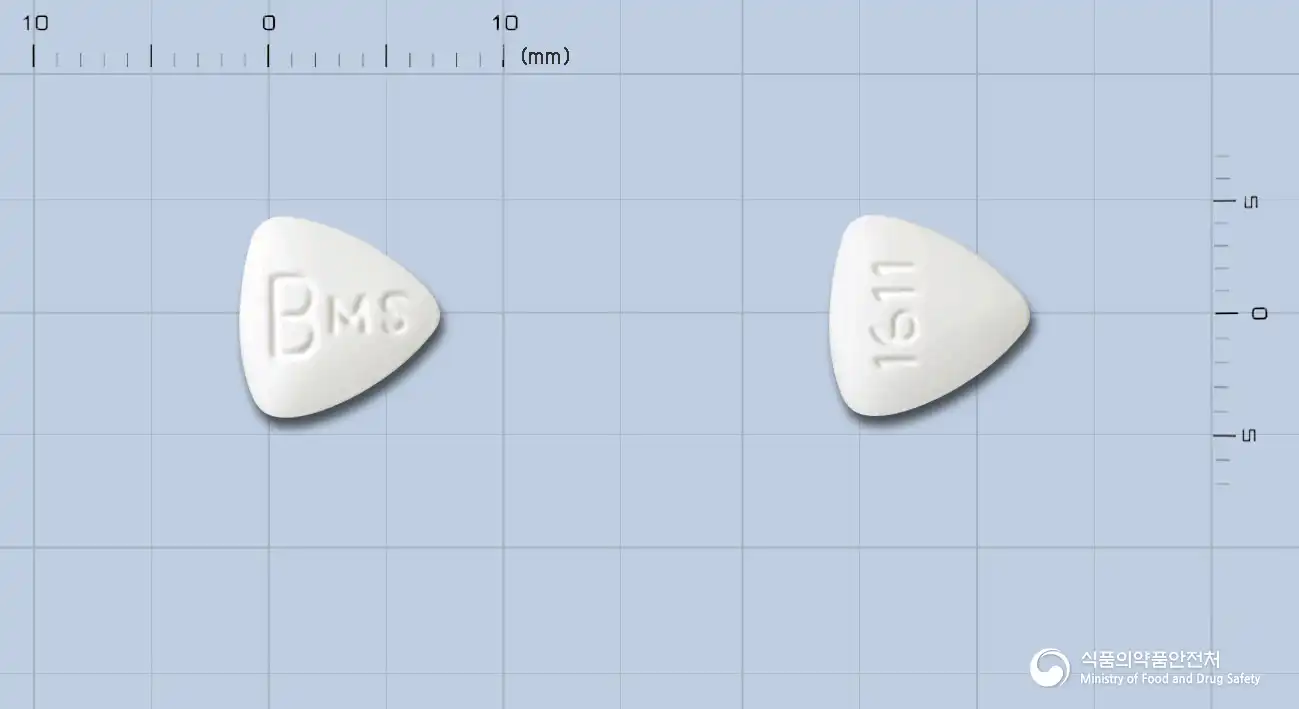
Entecavir 0.53mg
Tablet · Prescription medication
(Co., Ltd.) Korea BMS Pharmaceuticals
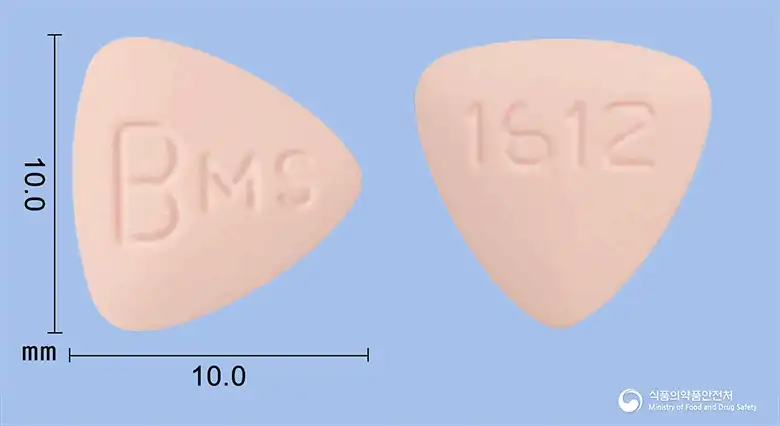
Entecavir 1.06mg
Tablet · Prescription medication
Korea BMS Pharma Co., Ltd.
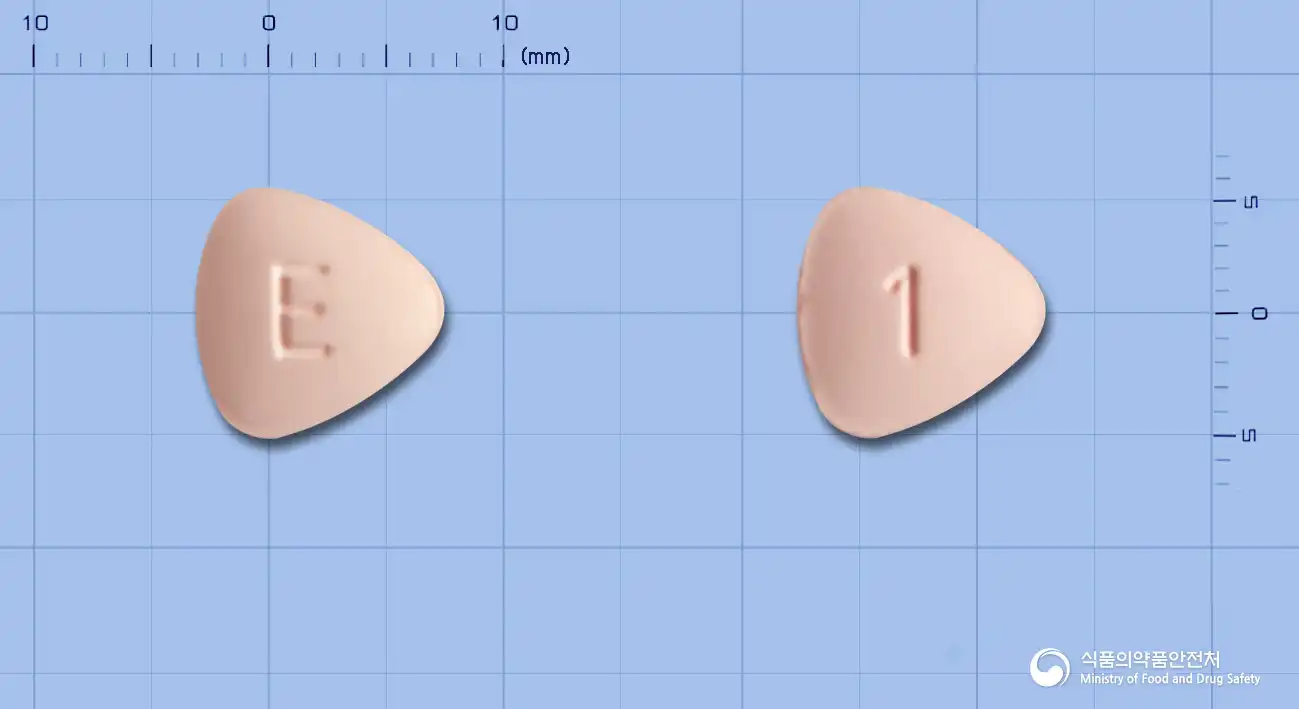
Entecavir 1.06mg
Tablet · Prescription medication
Hanmi Pharmaceutical Co., Ltd.
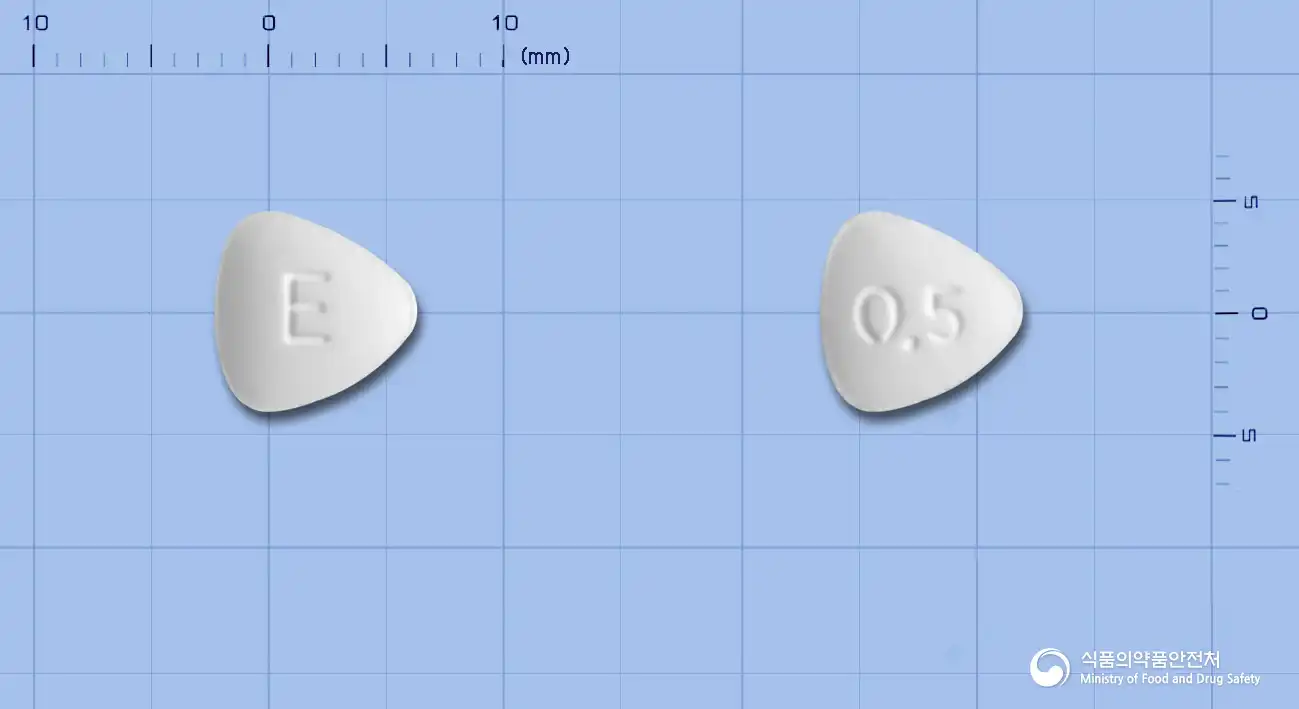
Entecavir 0.53mg
Tablet · Prescription medication
Hanmi Pharmaceutical Co., Ltd.
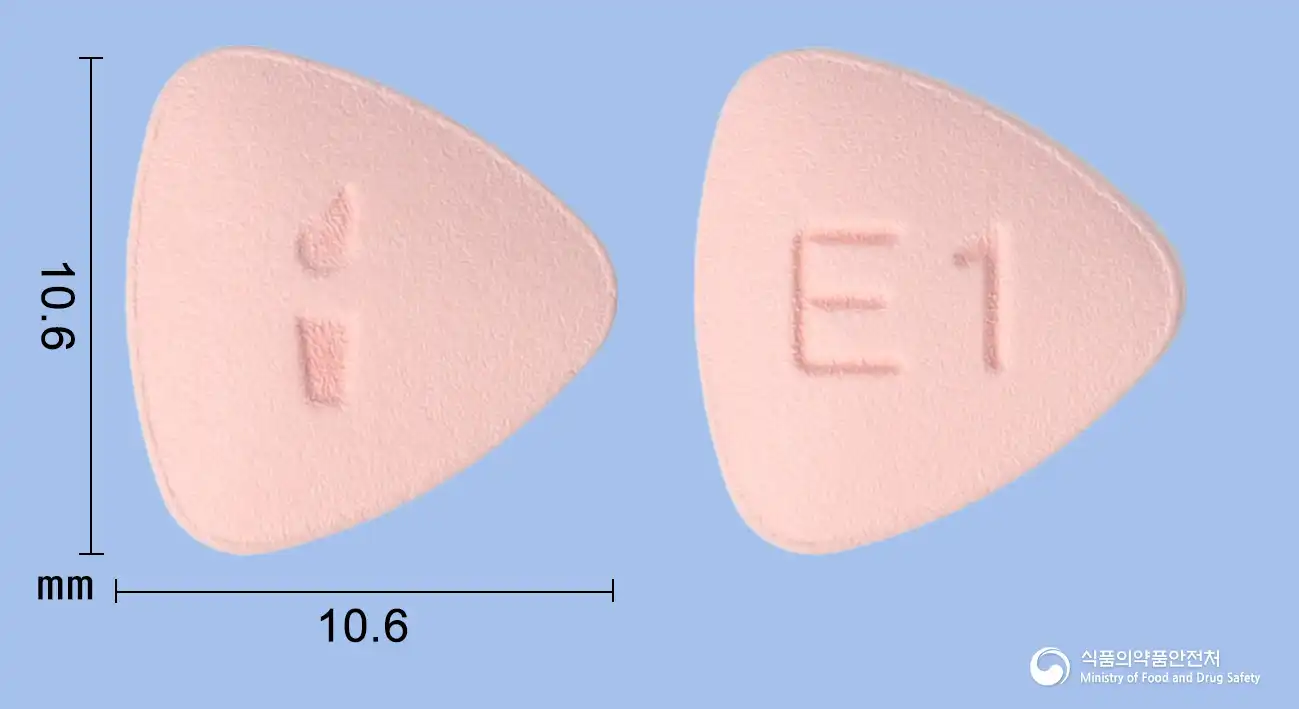
Entecavir 1.06mg
Tablet · Prescription medication
Sam-il Pharmaceutical Co., Ltd.
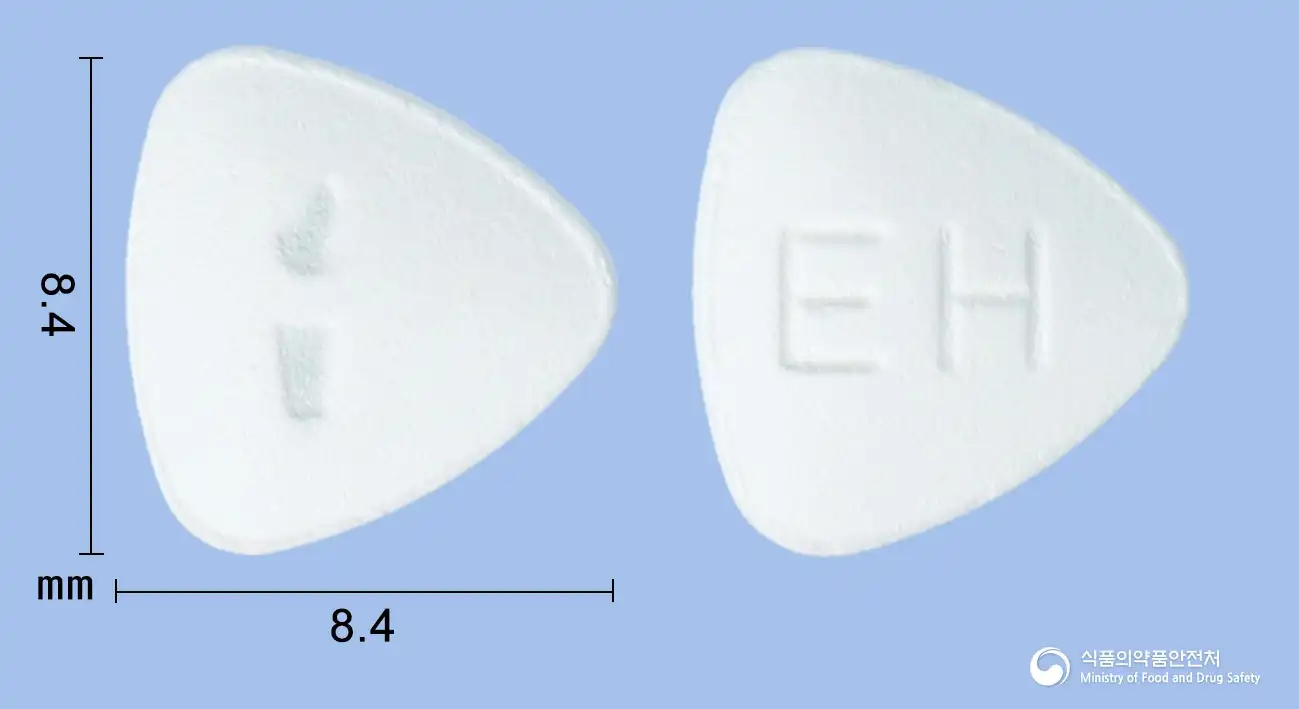
Entecavir 0.53mg
Tablet · Prescription medication
Samil Pharmaceutical Co., Ltd.
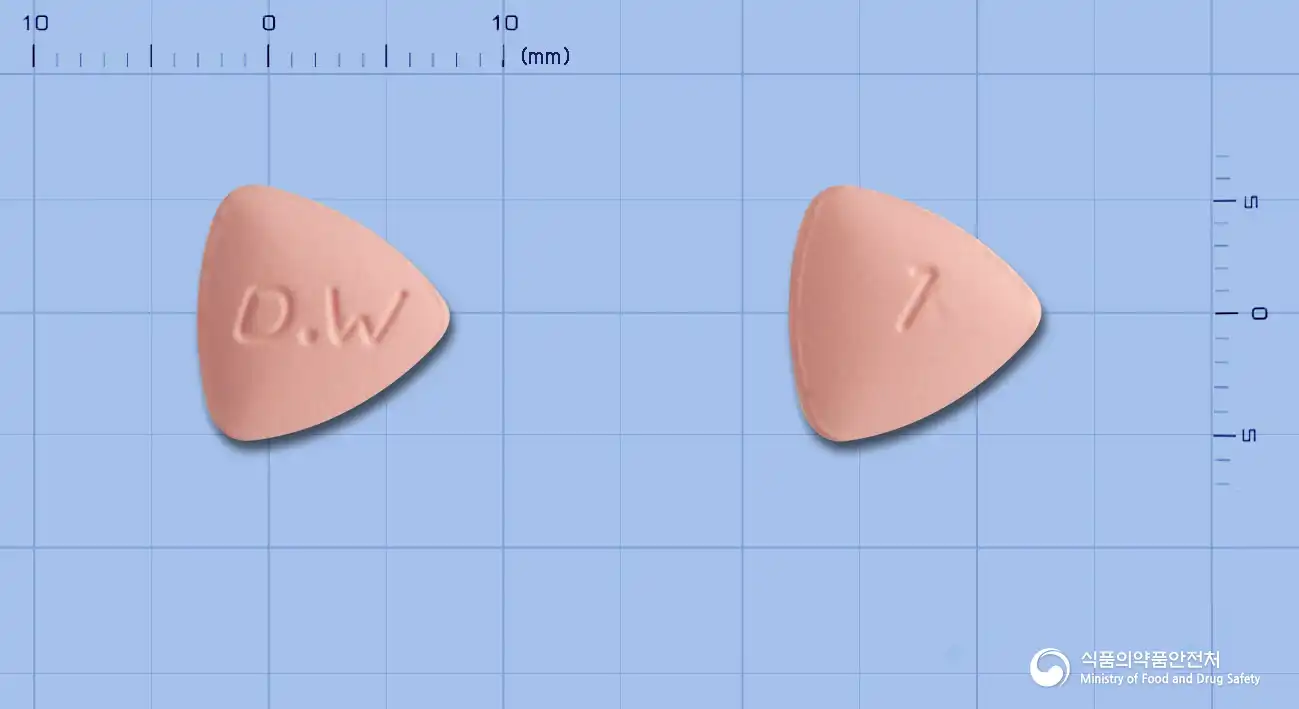
Entecavir 1.06mg
Tablet · Prescription medication
Daewoong Pharmaceutical Co., Ltd.
Even with the same ingredient, the dose and directions can differ by strength and dosage form. Talk to a doctor or pharmacist before switching from a medication you are already taking.
No questions yet.
For anything that needs medical judgment, consult a doctor or pharmacist.
This drug information is based on data provided by the Korea Ministry of Food and Drug Safety.
Consult a doctor or pharmacist for accurate dosage, administration, and usage instructions.