
 한국어
 English
 日本語
 中文(简体)
Dosage form image
Viewing nowFilcrude Oral Dissolving Film 1mg (Entacavir)
Entecavir Monohydrate 1.06mg
Prescription medication
CTC Bio, Co., Ltd.
MFDS item code 201503591 · Approved 2015.06.04
This product's status changed to Expired on 2025.06.04. It may no longer be sold, so consult a doctor or pharmacist before taking it.
Treatment of chronic hepatitis B virus infection in patients aged 16 years and older
This medication is used for the treatment of chronic hepatitis B virus infection in adults over 16 years old with confirmed active viral replication and sustained elevation of serum aminotransferases (ALT or AST) or histologically active disease.
Take this medicine orally on an empty stomach (2 hours after a meal or at least 2 hours before a meal). Immediately after removing this medicine from its individual package, place it on the tongue and allow it to dissolve; take without water. Administer 0.5mg of entecavir orally once daily. Patients with lamivudine resistance, i.e., patients aged 16 years or older who have experienced persistent replication of hepatitis B virus despite lamivudine treatment or who have lamivudine-resistant mutations: 1mg of entecavir once daily on an empty stomach Patients with renal impairment: Creatinine clearance (mL/min) ≥ 50: entecavir dose 0.5 mg once daily; entecavir dose in patients with lamivudine resistance 1 mg once daily Patients with renal impairment: Creatinine clearance (mL/min) 30 - <50: entecavir dose 0.25 mg a once daily or 0.5 mg every 48 hours; entecavir dose in patients with lamivudine resistance 0.5 mg once daily or 1 mg every 48 hours Patients with renal impairment: Creatinine clearance (mL/min) 10 - <30: entecavir dose 0.15 mg a once daily or 0.5 mg every 72 hours; entecavir dose in patients with lamivudine resistance 0.3 mg a once daily or 1 mg every 72 hours Patients with renal impairment: Creatinine clearance (mL/min) <10, hemodialysis b or CAPD: entecavir dose 0.05 mg a once daily or 0.5 mg every 7 days; entecavir dose in patients with lamivudine resistance 0.1 mg a once daily or 1 mg every 7 days a : For doses less than 0.5mg, use of the syrup formulation is recommended. b : If administered on a hemodialysis day, administer this medicine after the hemodialysis session.
Dosage for patients 16 years and older with lamivudine-resistant cases is specified, and there are no separate dosing guidelines for children under 16.
This medication is used for the treatment of chronic hepatitis B and should be used with caution in patients with poor liver function or those at risk of liver disease. It is important to regularly monitor liver function during treatment, as liver function may deteriorate and serious side effects such as lactic acidosis may occur. Abruptly discontinuing treatment can lead to rapid worsening of hepatitis, so it should be gradually discontinued or appropriate measures should be taken according to the physician's directions. It is recommended not to use this medication in patients co-infected with HIV and hepatitis B who are not receiving treatment for HIV. Patients who are allergic to this medication or its components should not take it, and dose adjustment is required for patients with impaired renal function or those undergoing dialysis. Patients who have undergone liver transplantation should closely monitor kidney function while taking this medication. Common side effects may include headache, fatigue, dizziness, and nausea, while rare side effects may involve abnormal liver function or changes in blood test values. Taking this medication with food may reduce drug absorption, so it is preferable to take it on an empty stomach. If taken together with other medications that may affect kidney function, side effects may increase, so it is essential to consult with health care professionals. During pregnancy, there may be risks to the fetus; therefore, those who are planning to become pregnant or are pregnant should consult a physician. For breastfeeding, as there is a possibility of this medication being excreted in breast milk, it may be necessary to consider discontinuing breastfeeding or the medication itself. Use is approved only in children aged 2 years and older, and the safety and efficacy in children under 16 years old have not been established. In elderly patients, decreased renal function may increase drug concentration, warranting dose adjustment and monitoring of renal function. In case of overdose, since there are no specific antidotes, appropriate supportive care should be provided based on symptoms, and some drugs may be removed through dialysis. This medication should be stored in a tightly closed container to avoid exposure to air or moisture and should be kept at temperatures between 1°C and 30°C. Proper storage helps maintain the drug's effectiveness and prevents degradation.
Not everyone experiences these, and they can vary from person to person.
This medication should be stored in a tightly closed container to prevent exposure to air or moisture and should ideally be kept at temperatures between 1°C and 30°C. Proper storage helps maintain the effectiveness of the drug and prevents degradation.
Light yellow rectangular oral dissolving film
1 sheet (1 sheet / aluminum foil packaging X1), 15 sheets (1 sheet / aluminum foil packaging X15)
Even with the same ingredient, strength, dosage form and how it is taken can differ.
Entecavir Monohydrate 1.06mg
Prescription medication
CTC Bio, Co., Ltd.
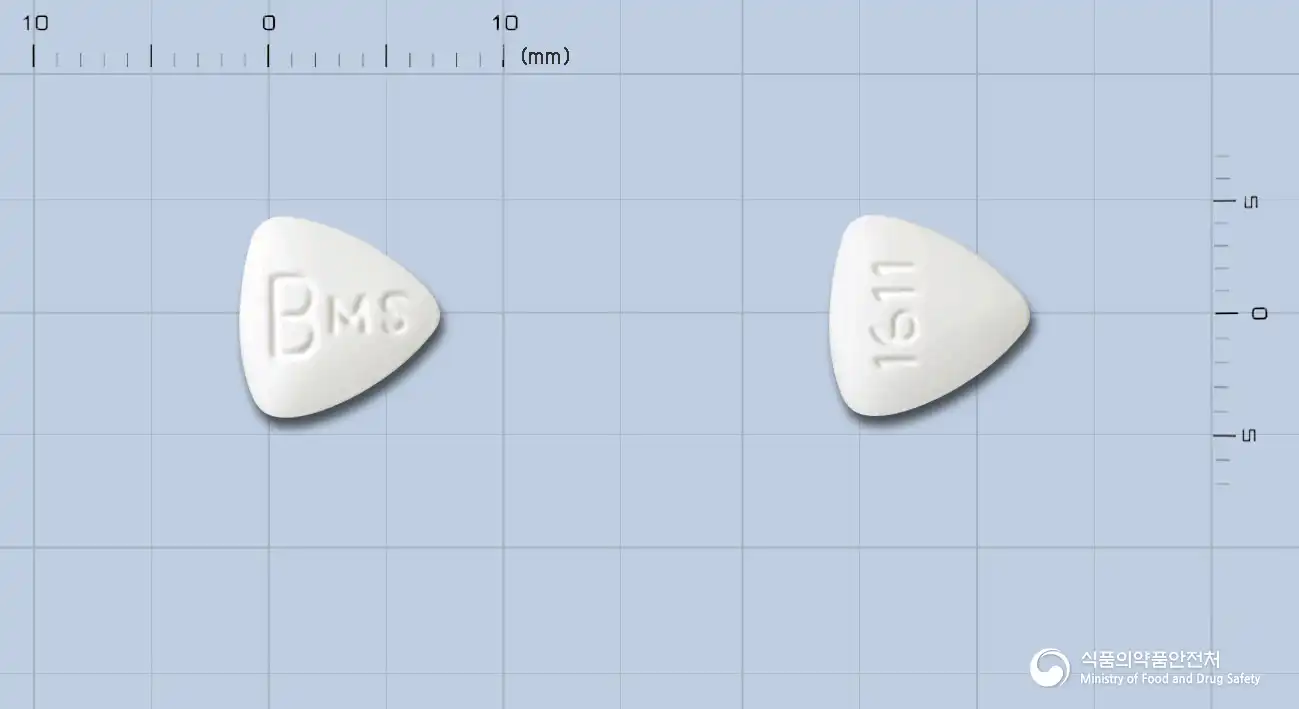
Entecavir 0.53mg
Tablet · Prescription medication
(Co., Ltd.) Korea BMS Pharmaceuticals
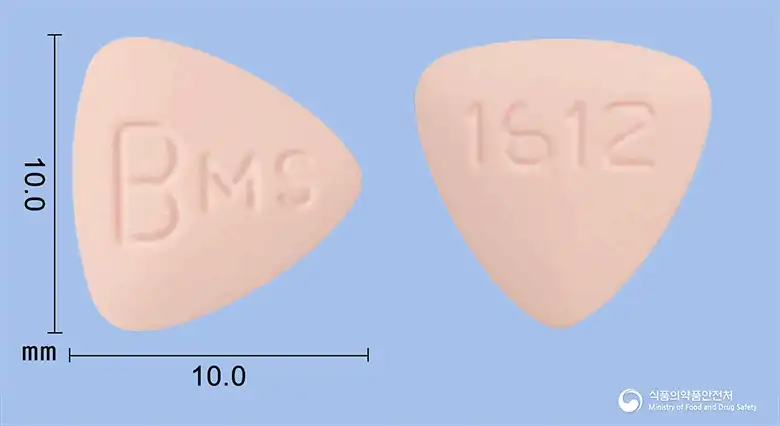
Entecavir 1.06mg
Tablet · Prescription medication
Korea BMS Pharma Co., Ltd.
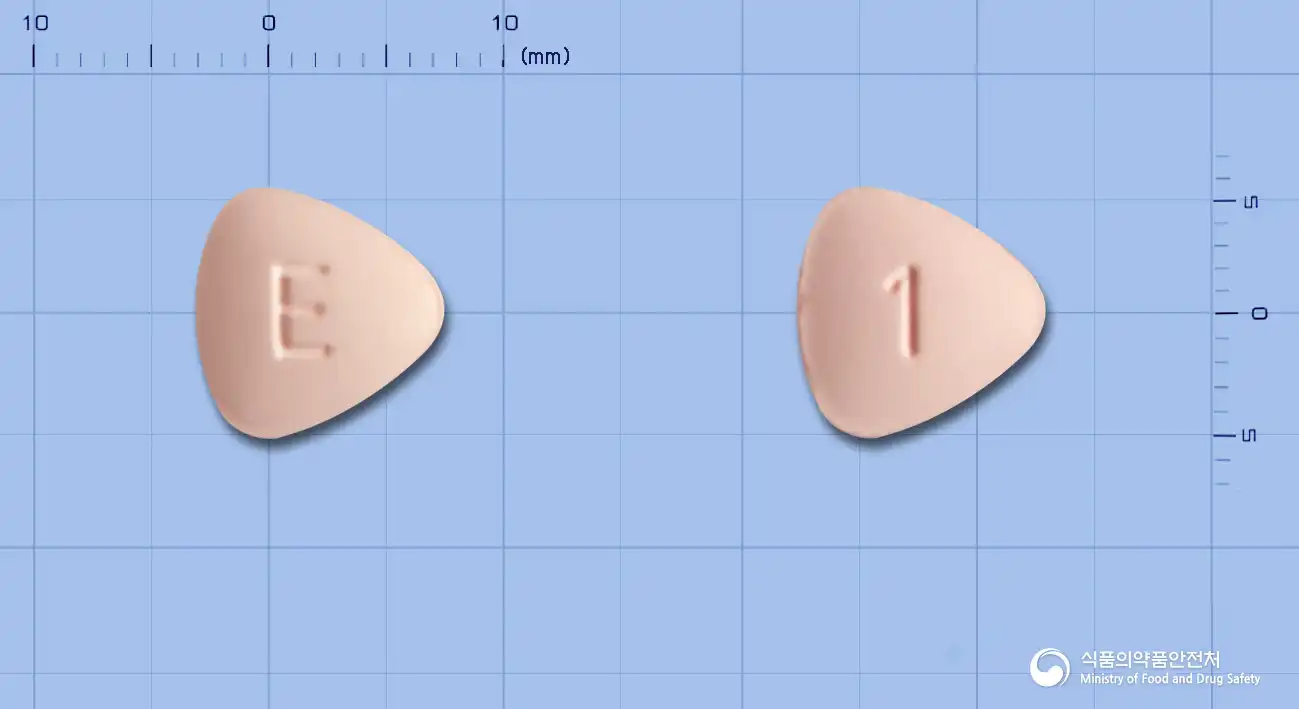
Entecavir 1.06mg
Tablet · Prescription medication
Hanmi Pharmaceutical Co., Ltd.
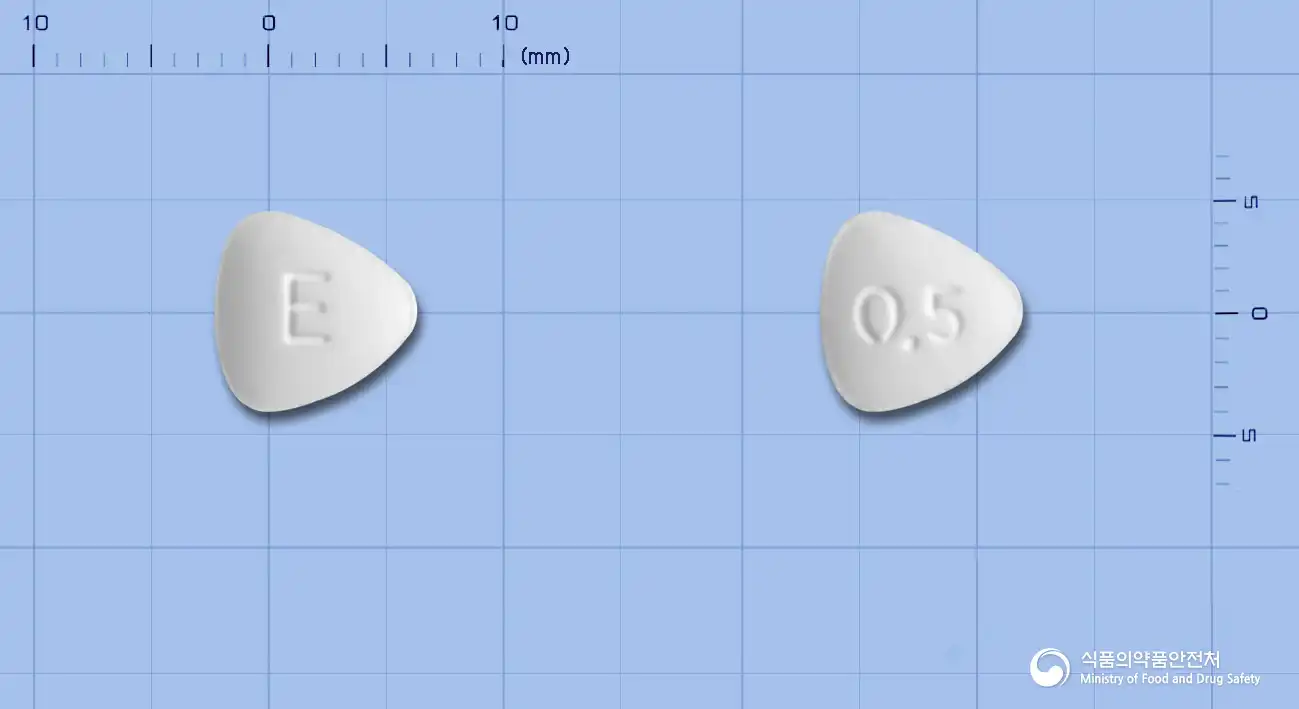
Entecavir 0.53mg
Tablet · Prescription medication
Hanmi Pharmaceutical Co., Ltd.
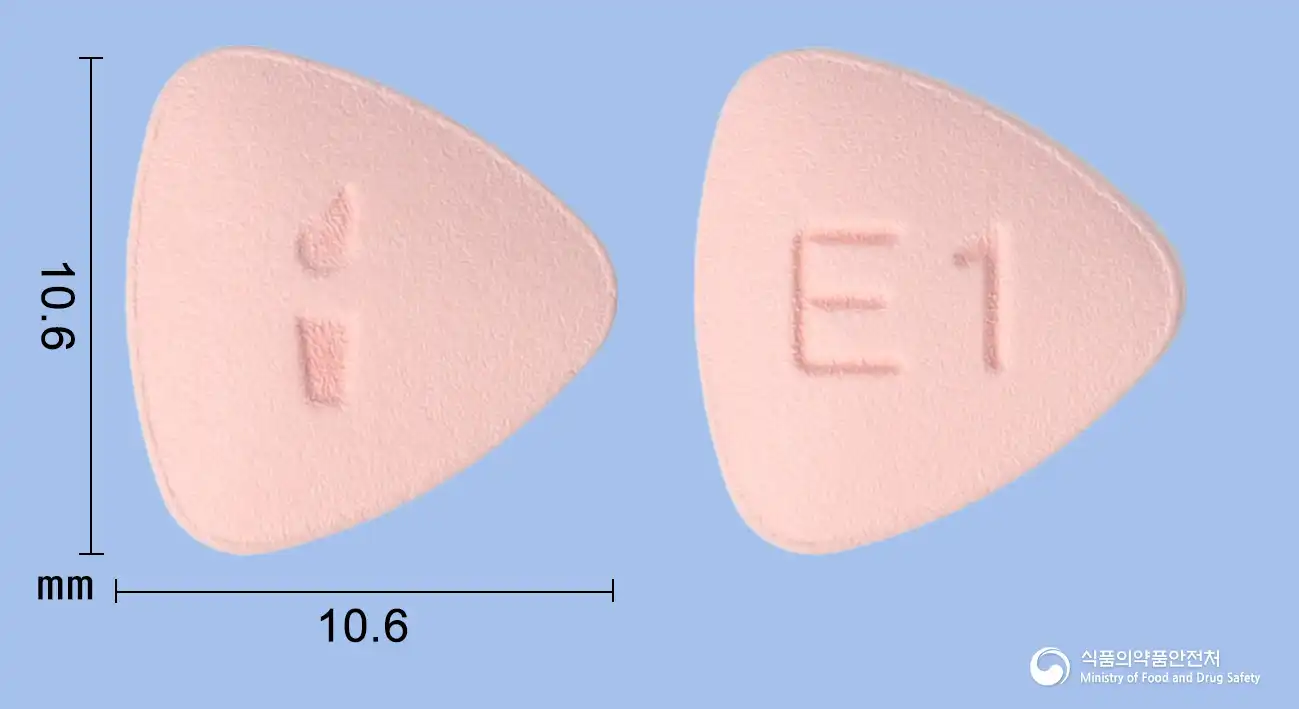
Entecavir 1.06mg
Tablet · Prescription medication
Sam-il Pharmaceutical Co., Ltd.
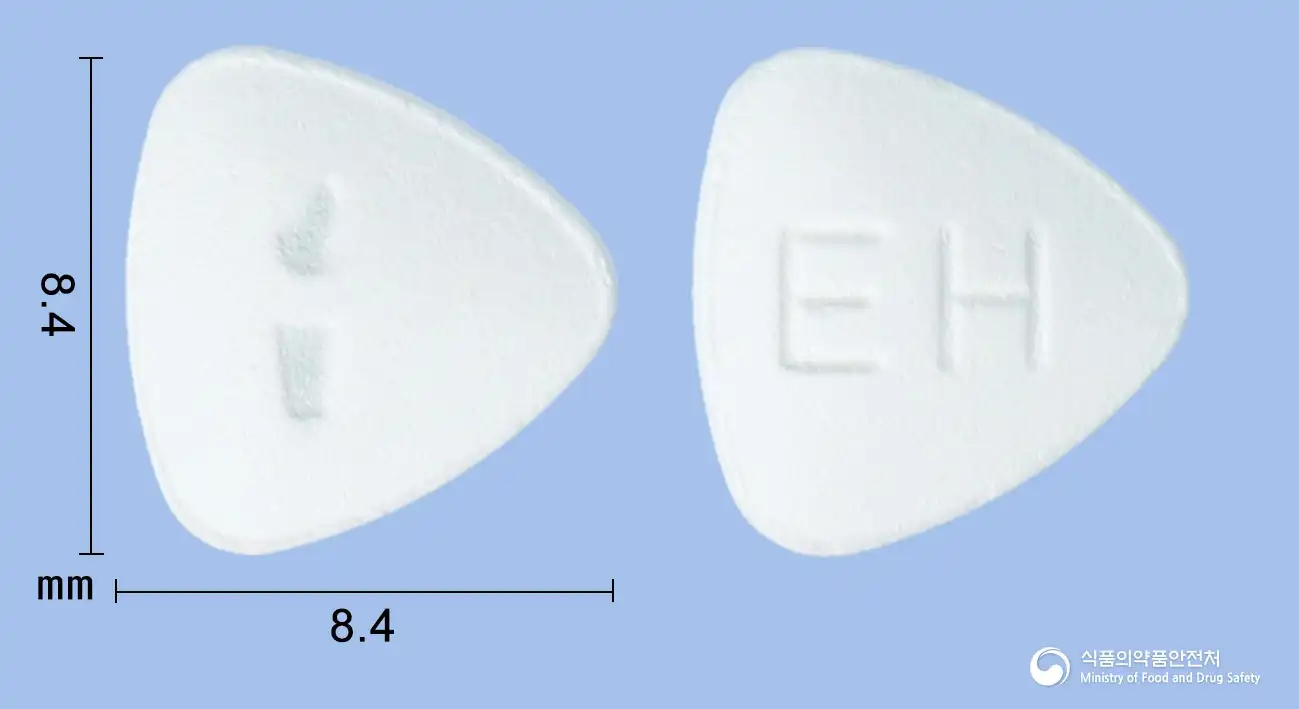
Entecavir 0.53mg
Tablet · Prescription medication
Samil Pharmaceutical Co., Ltd.
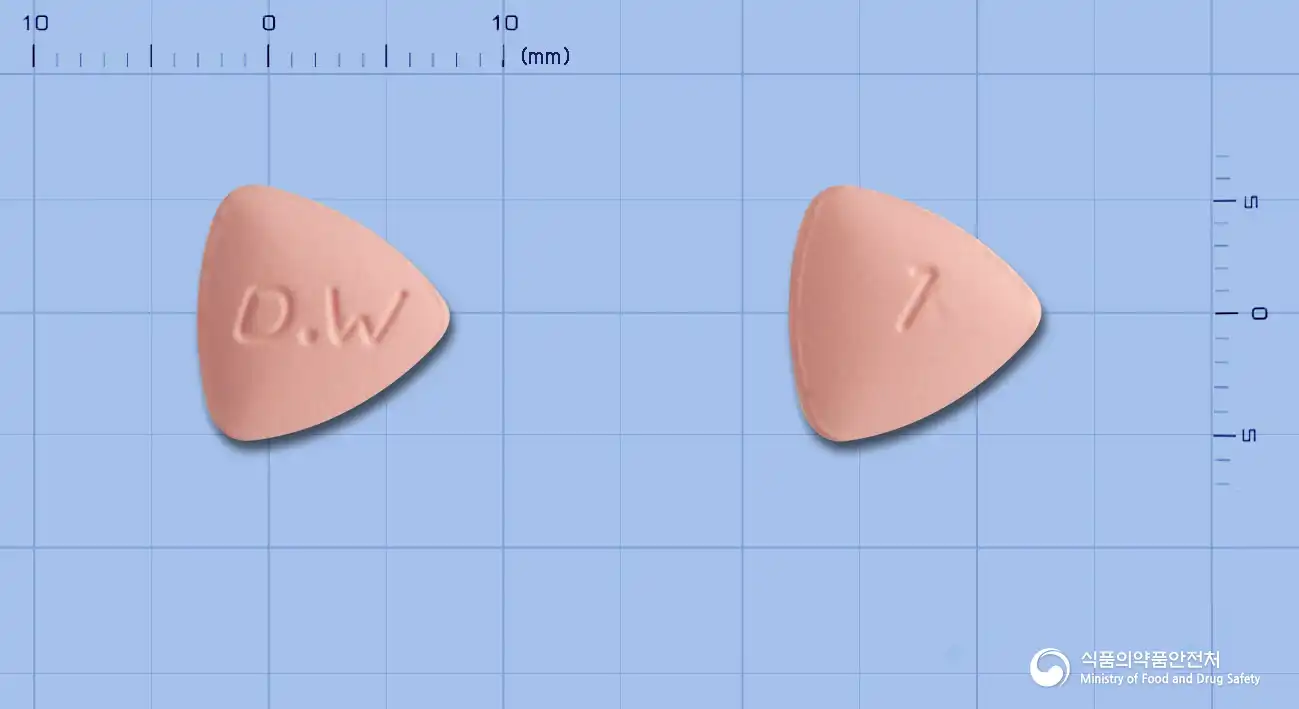
Entecavir 1.06mg
Tablet · Prescription medication
Daewoong Pharmaceutical Co., Ltd.
Even with the same ingredient, the dose and directions can differ by strength and dosage form. Talk to a doctor or pharmacist before switching from a medication you are already taking.
No questions yet.
For anything that needs medical judgment, consult a doctor or pharmacist.
This drug information is based on data provided by the Korea Ministry of Food and Drug Safety.
Consult a doctor or pharmacist for accurate dosage, administration, and usage instructions.