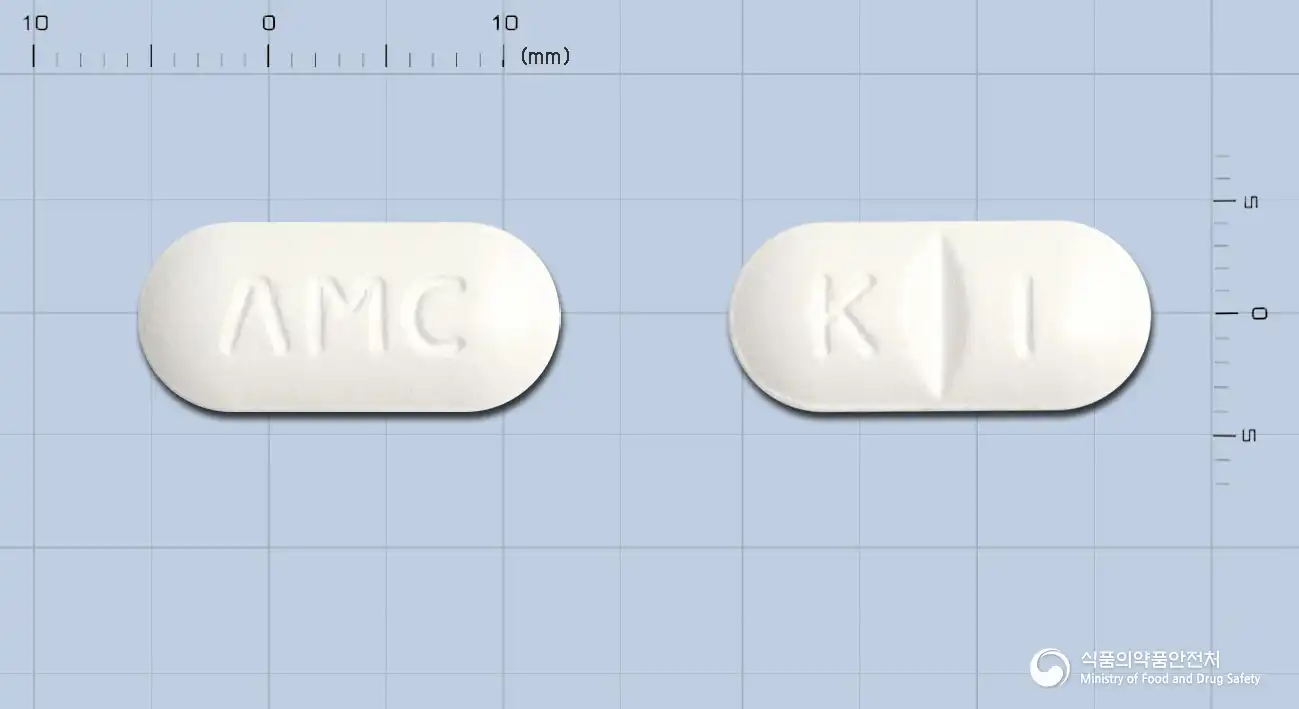
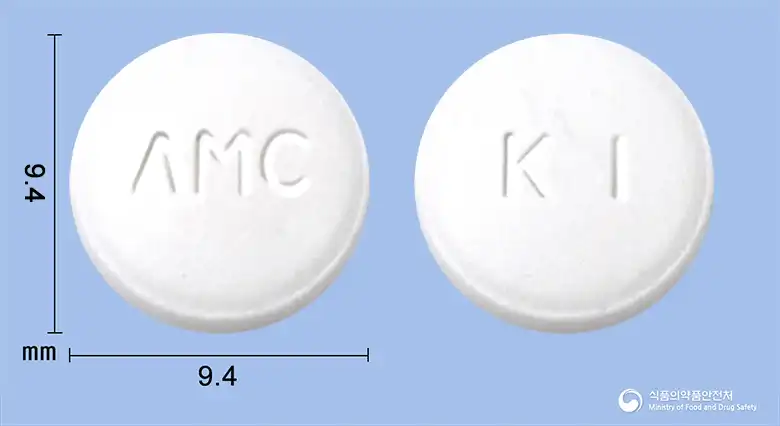
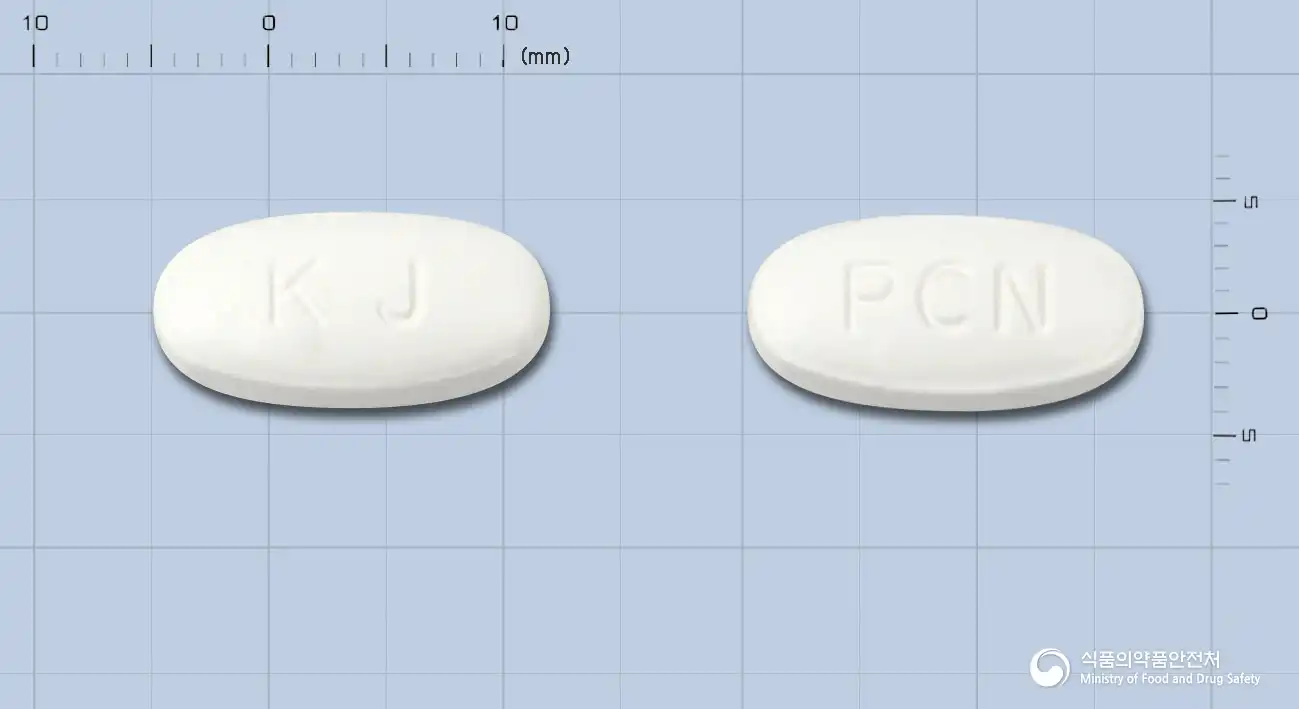
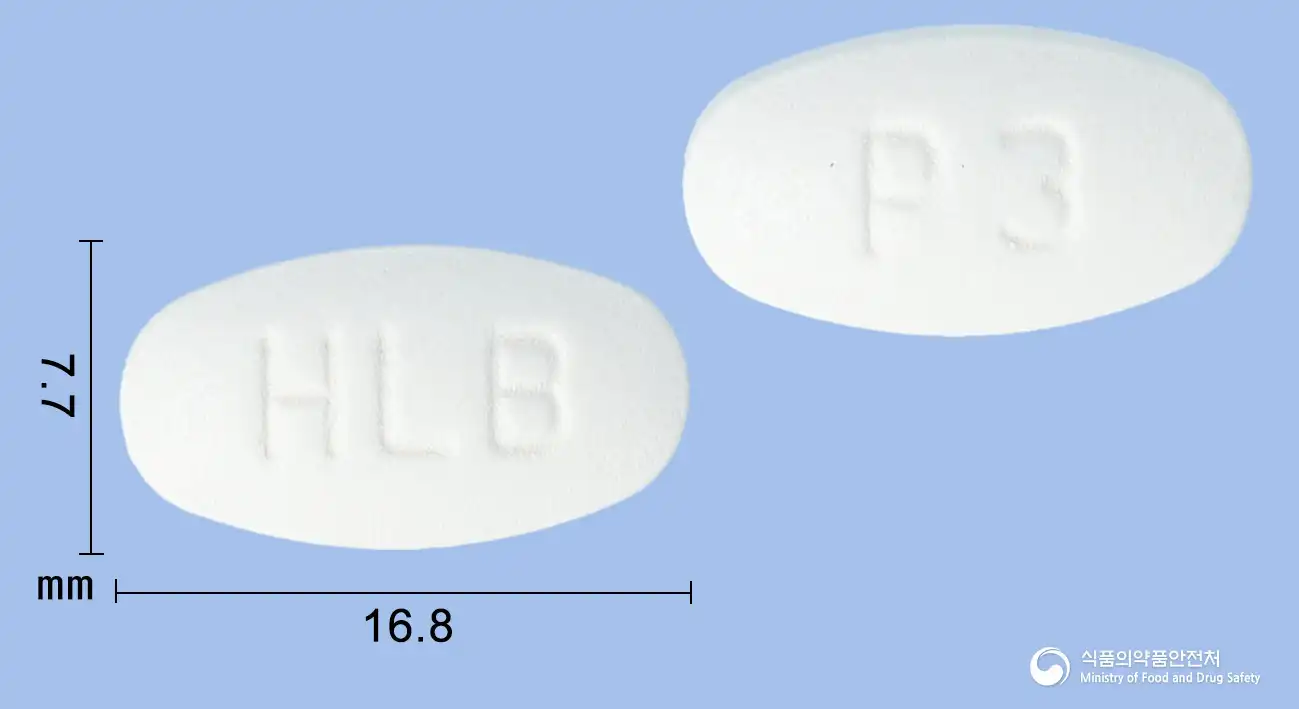
Treatment of recurrent or persistent acute otitis media and recurrent acute sinusitis in children
Who takes it
Adults · Children
Adult dose
○ Adults: There is no experience with the use of this medicine in adults.
○ Patients with hepatic impairment: Use caution when administering this medicine to patients with hepatic impairment, and monitor liver function regularly.
○ To minimize the possibility of gastrointestinal disturbances, administer this medicine at the start of a meal. Administration at the start of a meal increases absorption of potassium clavulanate.
Child dose
○ Pediatric patients 3 months and older: The recommended dose of this medicine, based on the amoxicillin content (600 mg/5 mL), is 90mg/kg/day in divided doses every 12 hours. Administer for 10 days for acute otitis media and 7 days for acute sinusitis.
8 kg: Administer 3.0mL every 12 hours
12 kg: Administer 4.5mL every 12 hours
16 kg: Administer 6.0mL every 12 hours
20 kg: Administer 7.5mL every 12 hours
24 kg: Administer 9.0mL every 12 hours
28 kg: Administer 10.5mL every 12 hours
32 kg: Administer 12.0mL every 12 hours
36 kg: Administer 13.5mL every 12 hours
○ Pediatric patients weighing 40kg or more: There is no experience with the use of this medicine in pediatric patients weighing 40kg or more.
Treatment of recurrent or persistent acute otitis media and recurrent acute sinusitis in children
Recurrent acute otitis media
persistent acute otitis media
recurrent acute sinusitis.
View approved original textHide original text
This medication is effective against bacteria such as Streptococcus pneumoniae, Haemophilus influenzae, and Moraxella catarrhalis. It is particularly used to treat recurrent or persistent acute otitis media and acute sinusitis in children. It is recommended when there has been a recent antibiotic treatment for the condition in the past three months, in children under two years old, or in those attending daycare. This medication helps alleviate symptoms of otitis media and sinusitis in children.
How to take
Adult dose
○ Adults: There is no experience with the use of this medicine in adults.
○ Patients with hepatic impairment: Use caution when administering this medicine to patients with hepatic impairment, and monitor liver function regularly.
○ To minimize the possibility of gastrointestinal disturbances, administer this medicine at the start of a meal. Administration at the start of a meal increases absorption of potassium clavulanate.
Child dose
○ Pediatric patients 3 months and older: The recommended dose of this medicine, based on the amoxicillin content (600 mg/5 mL), is 90mg/kg/day in divided doses every 12 hours. Administer for 10 days for acute otitis media and 7 days for acute sinusitis.
8 kg: Administer 3.0mL every 12 hours
12 kg: Administer 4.5mL every 12 hours
16 kg: Administer 6.0mL every 12 hours
20 kg: Administer 7.5mL every 12 hours
24 kg: Administer 9.0mL every 12 hours
28 kg: Administer 10.5mL every 12 hours
32 kg: Administer 12.0mL every 12 hours
36 kg: Administer 13.5mL every 12 hours
○ Pediatric patients weighing 40kg or more: There is no experience with the use of this medicine in pediatric patients weighing 40kg or more.
Precautions
This medication contains the artificial sweetener aspartame, which converts into phenylalanine in the body, so it should not be used in patients with the genetic disorder phenylketonuria.
Additionally, individuals with a history of allergies to any of the ingredients in this medication or to beta-lactam antibiotics, patients with infectious mononucleosis or lymphocytic leukemia, those with a history of liver function impairment, and individuals with genetic issues such as lactose intolerance or glucose-galactose malabsorption should not take this medication.
Patients with compromised liver or kidney function, those with a tendency to allergic reactions, elderly individuals, and those with gastrointestinal disorders should use this medication with caution and may need to adjust dosing intervals or consult a doctor based on their symptoms.
This medication can primarily affect the gastrointestinal system, potentially causing symptoms such as diarrhea, vomiting, and abdominal pain. Rarely, abnormalities in liver function, skin rashes, or allergic reactions may occur, so if any unusual symptoms are observed, it is essential to stop the medication immediately and consult a physician.
Furthermore, this medication may interact with other drugs, so it is crucial to inform your doctor or pharmacist about any other medications you are taking, especially when used in conjunction with anticoagulants or specific antibiotics.
Women who are pregnant or breastfeeding should be cautious when using this medication, particularly avoiding its use during the first three months of pregnancy whenever possible.
This medication is not considered safe for infants under three months due to lack of confirmed safety.
Shake well before use. After preparation, store in a refrigerator and complete usage within seven days.
In cases of overdose, gastrointestinal symptoms, kidney function abnormalities, or allergic reactions may occur; therefore, if exceeded, immediate contact with a healthcare facility for appropriate treatment is required.
Finally, this medication should only be used to treat bacterial infections and is not effective for viral infections, so it is vital to take it precisely as directed by a physician.
Side effects
Contact dermatitis
diaper rash
diarrhea
vomiting
moniliasis
rash
pseudomembranous colitis
dyspepsia
stomatitis
gastritis
Show 86 moreCollapse
glossitis
black hairy tongue
nausea
loss of appetite
abdominal pain
abdominal bloating
constipation
colonic pain
hyperacidity
loose stools
dry mouth
acute pancreatitis
candidiasis
antibiotic-induced colitis
elevated AST
elevated ALT
elevated ALP
elevated LDH
elevated serum bilirubin
hepatitis
cholestatic jaundice
itching
erythema multiforme
Stevens-Johnson syndrome
toxic epidermal necrolysis
vesicular exfoliative dermatitis
acute generalized pustular psoriasis
eosinophilia
drug reaction (DRESS)
angioedema
anaphylaxis
serum sickness syndrome
hypersensitivity vasculitis
bronchospasm
dyspnea
laryngeal edema
anaphylactic shock
reversible leukopenia
reversible thrombocytopenia
hemolytic anemia
anemia
thrombocytopenic purpura
eosinophilia
leukemia
agranulocytosis
lymphopenia
thrombocytosis
bone marrow suppression
prolonged bleeding time
prolonged prothrombin time
vulvar pruritus
burning sensation
increased secretions
restlessness
anxiety
behavior changes
confusion
drowsiness
insomnia
hyperactivity
dizziness
headache
seizures
aseptic meningitis
acute kidney failure
interstitial nephritis
hematuria
crystalluria
symptoms of vitamin K deficiency
symptoms of vitamin B deficiency
tooth discoloration
linear IgA disease
dysgeusia
malaise
dermatitis
oral edema
gastric pain
fluid and electrolyte imbalance
hyperactivity
drowsiness
interstitial nephritis
azotemic acute renal failure
hypersensitivity shock
skin reactions
bleeding
pancytopenia
Not everyone experiences these, and they can vary from person to person.
Storage
This medication may be sensitive to air or moisture and should be stored in a tightly sealed container. To maintain the medication's effectiveness, it is crucial to store it in a cool, dry place, specifically between 1 and 25 degrees Celsius.
Appearance and packaging
Appearance
A syrup preparation in powder form, white to light yellow in color, with a peculiar odor, to be reconstituted before use.
Package unit
50mL/bottle
Same-ingredient medicines
Even with the same ingredient, strength, dosage form and how it is taken can differ.
Even with the same ingredient, the dose and directions can differ by strength and dosage form. Talk to a doctor or pharmacist before switching from a medication you are already taking.
Questions about this medicine
No questions yet.
For anything that needs medical judgment, consult a doctor or pharmacist.
This drug information is based on data provided by the Korea Ministry of Food and Drug Safety. Consult a doctor or pharmacist for accurate dosage, administration, and usage instructions.

 한국어
 English
 日本語
 中文(简体)