
 한국어
한국어 English
 日本語
日本語 中文(简体)
Dosage form image
Viewing nowPneumonia Dry Syrup (Acetaminophen)
Acetaminophen 40g
Syrup · OTC medication
Vivozon Pharmaceuticals Co., Ltd.
MFDS item code 201503319 · Notified 2015.05.29
This product's status changed to Expired on 2025.05.29. It may no longer be sold, so consult a doctor or pharmacist before taking it.
Relief of cold (fever, pain) and pain (headache, neuralgia)
This medication helps to relieve fever and pain due to colds, as well as headaches, neuralgia, muscle pain, menstrual pain, and pain from sprains. It is also effectively used for toothache, joint pain, and rheumatic pain. By alleviating various types of pain, it contributes to making patients' daily lives more comfortable.
Children under 12 years of age may take the recommended single dose every 4-6 hours as needed. This medication should be taken suspended when used. The recommended duration should be for the shortest time at the minimum effective dose, not exceeding 5 times a day (
This medication can cause liver damage, so those who regularly consume more than three glasses of alcohol per day should consult a doctor or pharmacist before taking it. This medication contains the artificial sweetener aspartame, which is broken down into phenylalanine in the body; therefore, individuals with the genetic disorder phenylketonuria should not take it. It contains acetaminophen, and exceeding the maximum daily dosage can lead to liver damage, so do not take this medicine with other products containing acetaminophen. Very rarely, serious skin reactions such as severe rashes or blisters may occur; if any skin rash or allergic symptoms develop while taking this medication, you should discontinue use immediately and consult a doctor. Those with allergies to this medication or with peptic ulcers, severe blood disorders, liver or kidney dysfunction, or heart failure should not take it. Patients with aspirin-induced asthma, those taking certain medications, and those who have consumed alcohol should also avoid this medication. Individuals with genetic disorders that prevent lactose digestion should not use this medication. Anyone with liver or kidney disease, peptic ulcers, blood abnormalities, tendency to bleed, cardiac dysfunction, hypersensitivity, asthma, elderly patients, children, pregnant women, nursing mothers, and those taking warfarin or certain medications must consult a doctor or pharmacist before using this medication. If symptoms such as difficulty breathing, severe allergic reactions, severe nausea, skin rash, bleeding, or liver or kidney problems occur during use, discontinue immediately and seek medical attention. This medication requires regular blood tests and liver function tests during long-term use, and excessive use can cause serious damage to the liver and kidneys, so caution is advised. Children and the elderly should use the minimum effective dose and be especially cautious of adverse reactions. Usage with other anti-inflammatory painkillers should be avoided, and continuous use for pain should not exceed 5 days, and for fever, not exceed 3 days. In the case of overdose, seek treatment at a hospital immediately, even if there are no symptoms, as medication for liver protection may be necessary. This medication should be kept out of reach of children and stored sealed in its original container at room temperature.
Hives, severe swelling (edema), tightness in chest, difficulty breathing, cold sweat, pallor, acute generalized exanthematous pustulosis, Stevens-Johnson syndrome, toxic epidermal necrolysis, mucocutaneous syndrome, anaphylaxis, asthma attack, thrombocytopenia, agranulocytosis, hemolytic anemia, methemoglobinemia, impaired platelet function, cyanosis, facial swelling, hypotension, shock, gastrointestinal bleeding, peptic ulcer, perforation, chronic hepatic necrosis, acute
Not everyone experiences these, and they can vary from person to person.
This medication should be stored in a tightly closed container to protect it from air and moisture, and it is important to maintain a storage temperature between 1 to 30 degrees Celsius at room temperature. Proper storage helps to maintain the drug's effectiveness and safety over time.
White granular dry syrup
300g/bottle
Even with the same ingredient, strength, dosage form and how it is taken can differ.
Acetaminophen 40g
Syrup · OTC medication
Vivozon Pharmaceuticals Co., Ltd.
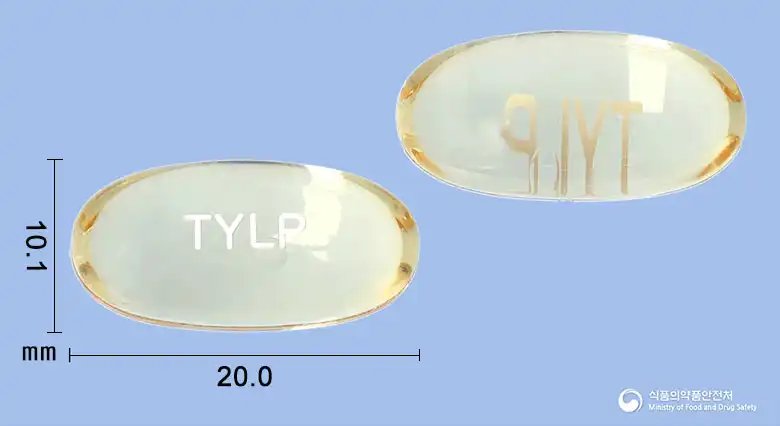
Acetaminophen 325mg
Soft capsule · OTC medication
RP Bio Co., Ltd.
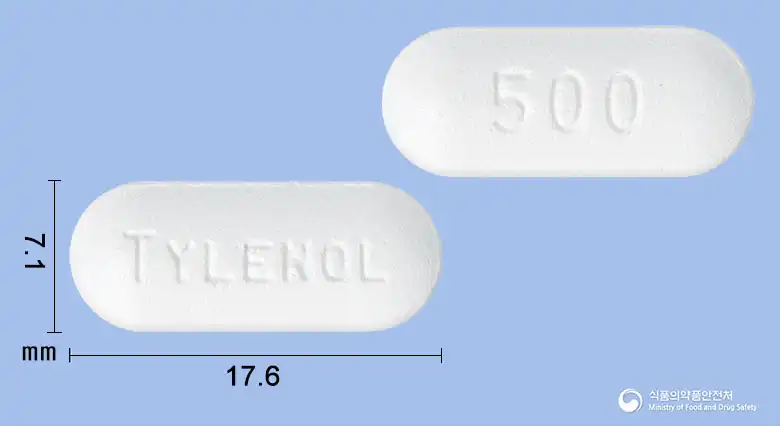
Acetaminophen 500mg
Tablet · OTC medication
Johnson & Johnson Korea, Ltd.

Acetaminophen 160mg
Tablet · OTC medication
Kolon Pharmaceutical Co., Ltd.

Acetaminophen 160mg
Tablet · OTC medication
Sama Pharmaceutical Co., Ltd.

Acetaminophen 80mg
Chewable Tablet · OTC medication
Samma Pharmaceutical Co., Ltd.
Acetaminophen 160mg
Tablet · OTC medication
Anguk Pharmaceuticals Co., Ltd.

Acetaminophen 500mg
Tablet · OTC medication
Alpha Pharmaceutical Co., Ltd.
Even with the same ingredient, the dose and directions can differ by strength and dosage form. Talk to a doctor or pharmacist before switching from a medication you are already taking.
No questions yet.
For anything that needs medical judgment, consult a doctor or pharmacist.
This drug information is based on data provided by the Korea Ministry of Food and Drug Safety.
Consult a doctor or pharmacist for accurate dosage, administration, and usage instructions.