
 한국어
한국어 English
 日本語
日本語 中文(简体)
Dosage form image
Viewing nowCombinationSitafage 50/500 mg (Sitagliptin Phosphate, Metformin Hydrochloride)
Sitagliptin Phosphate 62.04mg · Metformin Hydrochloride 500mg
Tablet · Prescription medication · Combination
Yuyu Pharmaceutical Co., Ltd.
MFDS item code 201503171 · Approved 2015.05.27
This product's status changed to Expired on 2025.05.27. It may no longer be sold, so consult a doctor or pharmacist before taking it.
Improvement of blood sugar control in type 2 diabetes
This medication helps control blood sugar levels in patients with type 2 diabetes by using sitagliptin and metformin together. When used in conjunction with dietary and exercise therapies, it can effectively manage blood sugar levels. This leads to improved blood sugar control, aiding in diabetes management.
In antidiabetic therapy, the dosage of this medication should not exceed the daily maximum recommended doses of sitagliptin 100 mg and metformin 2000 mg, and it should be determined considering each patient's current treatment regimen, efficacy, and tolerability. This medication is generally taken twice a day with food, and the dosage should be gradually increased to minimize gastrointestinal adverse reactions caused by metformin. 1. Patients who are currently not being treated with metformin
This medication is used for diabetes treatment and contains both sitagliptin and metformin. First, serious allergic reactions may occur during the use of this medication, so if symptoms such as skin rash, swelling, or difficulty breathing occur, stop taking the medication immediately and consult a doctor. Second, this medication can cause serious side effects such as pancreatitis, which is inflammation of the pancreas, so if sudden abdominal pain, nausea, vomiting, or fever occurs, inform healthcare professionals immediately. Third, metformin can cause lactic acidosis, a rare but life-threatening metabolic disorder, so if you experience sudden weakness, shortness of breath, muscle pain, abdominal pain, or unusual changes in consciousness, stop taking this medication immediately and visit a hospital. Fourth, patients with severely decreased kidney function, severe infections, dehydration, heart failure, or acute myocardial infarction should not take this medication, and it should be temporarily discontinued before and after undergoing tests with iodine contrast agents. Fifth, it is advisable for pregnant women or those who might become pregnant, as well as nursing mothers, not to take this medication. Sixth, this medication can cause hypoglycemia, so caution is needed, especially if meals are skipped or irregular, rigorous exercise is performed, or it is used in combination with other antidiabetic medications. Seventh, it is important to regularly monitor kidney function and blood tests during the use of this medication, and since vitamin B12 deficiency may occur, supplementation may be necessary if needed. Eighth, the consumption of alcohol may increase the risk of side effects from this medication, so it is recommended not to consume excessive amounts of alcohol while taking it. Lastly, blistering skin diseases or severe joint pain may occur during the use of this medication. If these symptoms appear, consult a doctor immediately.
Hives, severe swelling (angioedema), chest tightness, breathing difficulties, anaphylaxis, Stevens-Johnson syndrome, severe skin adverse reactions, acute pancreatitis, acute renal failure, respiratory distress, severe and disabling arthralgia, bullous pemphigoid, rhabdomyolysis, liver abnormalities (elevated liver enzyme levels, jaundice), severe edema, acute renal failure, severe allergic reactions, severe hypoglycemia
Not everyone experiences these, and they can vary from person to person.
This medication should be stored in a tightly sealed container to prevent air exposure, and it is advisable to keep it at a temperature between 1 and 30 degrees Celsius. Proper storage will help maintain the medication's efficacy over time.
Bright pink oval film-coated tablet
30 tablets/box [10 tablets/PTPX3]
Even with the same ingredient, strength, dosage form and how it is taken can differ.
Sitagliptin Phosphate 62.04mg · Metformin Hydrochloride 500mg
Tablet · Prescription medication · Combination
Yuyu Pharmaceutical Co., Ltd.
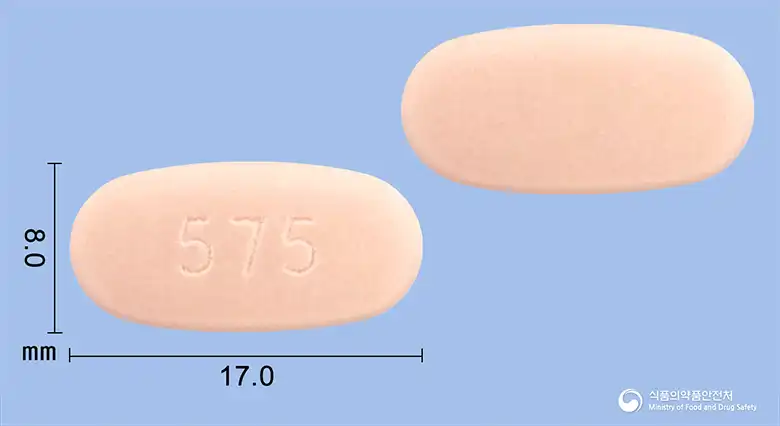 Combination
Sitagliptin Phosphate Hydrate 64.25mg · Metformin Hydrochloride 500mg
Tablet · Prescription medication · Combination
Jongkun Dang Co., Ltd.
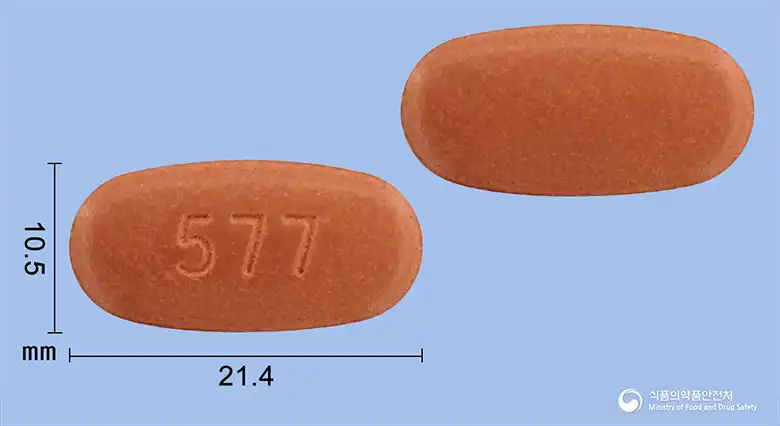 Combination
Sitagliptin Phosphate Hydrate 64.25mg · Metformin Hydrochloride 1000mg
Tablet · Prescription medication · Combination
Jongkundang Co., Ltd.
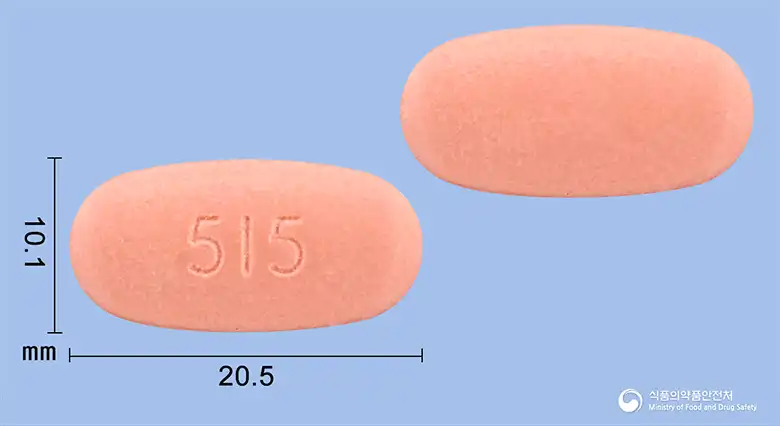 Combination
Sitagliptin Phosphate Hydrate 64.25mg · Metformin Hydrochloride 850mg
Tablet · Prescription medication · Combination
Jongkundang Co., Ltd.
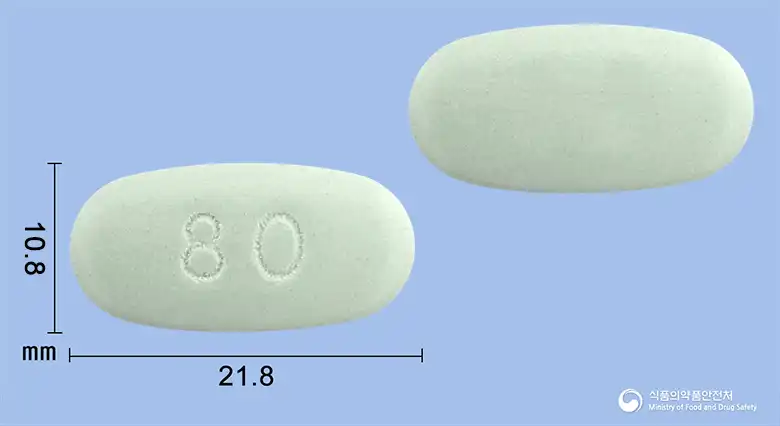
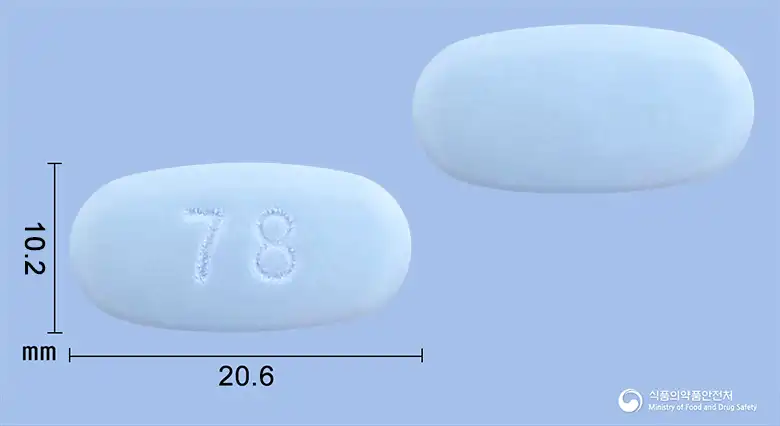 Combination
Metformin Hydrochloride 500mg · Sitagliptin Phosphate Hydrate 64.25mg
Tablet · Prescription medication · Combination
Jong Kun Dang Co., Ltd.
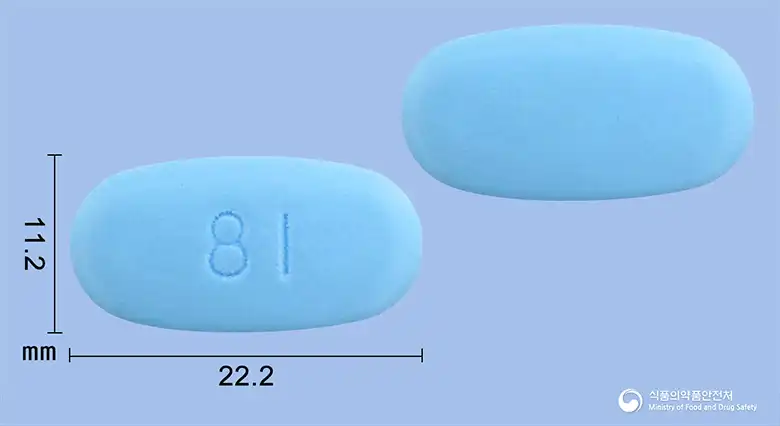
 Combination
Metformin Hydrochloride 1000mg · Sitagliptin Phosphate Hydrate 64.25mg
Tablet · Prescription medication · Combination
JongKeunDang Co., Ltd.
 Combination
Metformin Hydrochloride 1000mg · Sitagliptin Phosphate Hydrate 128.5mg
Tablet · Prescription medication · Combination
Jongkundang Co., Ltd.
Sitagliptin Phosphate 62.04mg · Metformin Hydrochloride 850mg
Tablet · Prescription medication · Combination
Yuyu Pharmaceutical Co., Ltd.
Even with the same ingredient, the dose and directions can differ by strength and dosage form. Talk to a doctor or pharmacist before switching from a medication you are already taking.
No questions yet.
For anything that needs medical judgment, consult a doctor or pharmacist.
This drug information is based on data provided by the Korea Ministry of Food and Drug Safety.
Consult a doctor or pharmacist for accurate dosage, administration, and usage instructions.