
 한국어
 English
 日本語
 中文(简体)
 Viewing now
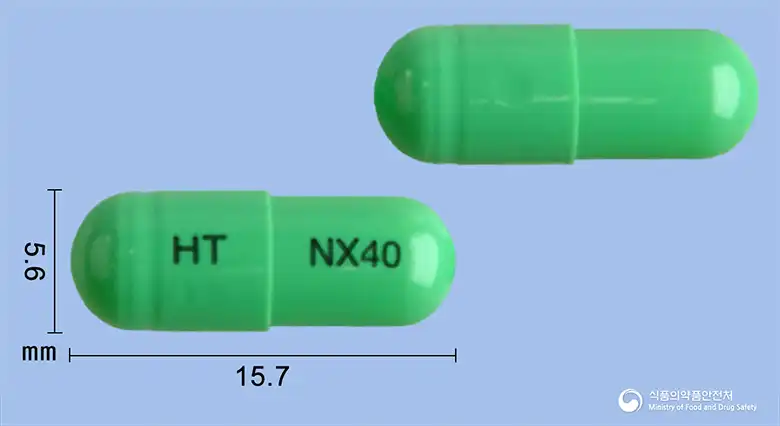
Nexizol Capsule 40mg (Esomeprazole Magnesium Trihydrate)
Esomeprazole Magnesium Granules 175.06mg
Hard capsule · Prescription medication
Korea Huytex Pharmaceutical Co., Ltd.
MFDS item code 201503032 · Approved 2015.05.20 · Insurance code 649102750
Reflux and Zollinger-Ellison syndrome; treatment of Helicobacter pylori- and anti-inflammatory drug-related disorders; prevention of ulcer rebleeding
This medication is used for the treatment of gastroesophageal reflux disease and erosive esophagitis, as well as for long-term maintenance therapy to prevent recurrence in patients with esophagitis. It also helps alleviate symptoms of gastroesophageal reflux disease in the absence of esophagitis. It is used in combination with antibiotics for the treatment and prevention of recurrence of duodenal ulcer and peptic ulcer caused by Helicobacter pylori infection. It is effective for the treatment of gastric ulcers and ulcer prevention related to symptoms of the upper gastrointestinal tract caused by taking non-steroidal anti-inflammatory drugs (NSAIDs). It is also used for the treatment of Zollinger-Ellison syndrome and for maintenance therapy to prevent rebleeding from gastric and duodenal ulcers. Overall, it is widely used in the treatment of various gastrointestinal diseases and related symptoms.
1. Adults 1) Gastroesophageal reflux disease (GERD). - Treatment of erosive reflux esophagitis: Administer 40 mg once daily for 4 weeks. If esophagitis has not healed or symptoms persist, continue treatment for an additional 4 weeks. - Long-term maintenance therapy to prevent recurrence in patients with esophagitis: 20 mg once daily - Symptomatic treatment of gastroesophageal reflux disease without esophagitis: · 20 mg once daily. If symptoms are not controlled after 4 weeks, further evaluation is required. · Once symptoms have resolved, subsequent recurring symptoms may be controlled by administering 20 mg once daily. · In adults, 20 mg may be administered once daily as needed. As-needed administration to control recurring symptoms is not recommended for patients at high risk of developing gastric and duodenal ulcers due to NSAID use. 2) Combination therapy with antibiotics for the eradication of Helicobacter pylori Administer this medicine 20 mg in combination with amoxicillin 1 g and clarithromycin 500 mg twice daily for 7 days. 3) Short-term treatment of upper gastrointestinal symptoms (pain, discomfort, heartburn) associated with the use of nonsteroidal anti-inflammatory drugs (nonselective or selective COX-2 inhibitors) - 20 mg once daily. If symptoms are not controlled after 4 weeks, further evaluation is required. Clinical trials exceeding 4 weeks have not been conducted. 4) Patients requiring continued NSAID treatment - Treatment of gastric ulcers associated with NSAID use: 20 mg once daily. The treatment period is 4∼8 weeks. - Prevention of gastric and duodenal ulcers associated with NSAID use: 20 mg once daily. 5) Treatment of Zollinger-Ellison syndrome The recommended initial dose is 40 mg twice daily. Subsequent doses should be adjusted for each patient, and treatment should continue while clinical symptoms are present. Clinical data indicate that most patients can be controlled with doses of 80 ∼ 160 mg per day. Doses exceeding 80 mg per day should be divided and taken twice daily. 6) Maintenance therapy following intravenous induction to prevent rebleeding from gastric or duodenal ulcers Administer 40 mg once daily for 4 weeks following intravenous induction to prevent rebleeding from gastric or duodenal ulcers. 4. Renal impairment No dose adjustment is necessary. Since there is limited experience with administration to patients with severe renal impairment, use with caution. 5. Hepatic impairment No dose adjustment is necessary in patients with mild to moderate hepatic impairment. Patients with severe hepatic impairment should not exceed a dose of 20 mg of this medicine. 6. Elderly patients No dose adjustment is necessary.
Adolescents aged 12 years and older: 1) Gastroesophageal reflux disease (GERD) - Treatment of erosive reflux esophagitis: Administer 40 mg once daily for 4 weeks. If esophagitis has not healed or symptoms persist, continue treatment for an additional 4 weeks. - Symptomatic treatment of gastroesophageal reflux disease without esophagitis: · 20 mg once daily. If symptoms are not controlled after 4 weeks, further evaluation is required. · Once symptoms have resolved, subsequent recurring symptoms may be controlled by administering 20 mg once daily. Children under 12 years of age: There is no experience with the use of this medicine in children under 12 years of age.
This medication should not be administered to certain patients. Patients allergic to this medication, its ingredients, or benzimidazole class drugs, or those with a history of hypersensitivity should not use it. Additionally, patients with hypersensitivity to the relevant antibiotics should not be treated with this medication when used in combination with amoxicillin or clarithromycin for the eradication of Helicobacter pylori. Patients taking certain heart-related medications or antivirals, as well as nursing mothers, should avoid using this medication. Various adverse reactions may occur when taking this medication. Decreased blood cell counts, fever, allergic reactions, hyponatremia or hypomagnesemia, neurological symptoms (headache, dizziness, drowsiness, etc.), gastrointestinal disturbances (abdominal pain, diarrhea, vomiting, etc.), abnormal liver function, skin rashes, and severe skin reactions have been reported. Regular check-ups are necessary when taking this medication long-term, and caution should be exercised if there are symptoms of malignancy. Since this medication suppresses gastric acid secretion, there may be a slightly increased risk of bacterial proliferation in the gastrointestinal tract, particularly increasing the risk of diarrhea caused by Clostridium difficile. Patients with osteoporosis or at risk of fractures should be cautious as high-dose long-term use may increase the risk of fractures. This medication may interact with other drugs, so it is important to follow the doctor's instructions especially when used in combination with anticoagulants, anticonvulsants, antidepressants, antivirals, and antibiotics. During pregnancy, its safety has not been sufficiently confirmed, so it should be used with caution and is advised to avoid use while breastfeeding. In case of overdose, there is no specific antidote, so treatment should be symptomatic, and keep out of reach of children. Also, it is best to store this medication in its original packaging and not to transfer it to other containers.
Leukopenia, thrombocytopenia, agranulocytosis, pancytopenia, fever, angioedema, anaphylactic reaction, shock, peripheral edema, hyponatremia, hypomagnesemia, insomnia, anxiety, mental confusion, depression, aggression, hallucinations, headache, dizziness, paresthesia, drowsiness, taste disorder, blurred vision, bronchospasm, pancreatitis, abdominal pain, constipation, diarrhea, abdominal distension, nausea, vomiting, dry mouth, stomatitis, gastrointestinal candidiasis, microscopic colitis, elevated liver enzymes, jaundice, hepatitis, liver failure, encephalopathy, dermatitis, itching, rash, urticaria, hair loss, photosensitivity, erythema multiforme, mucous membrane syndrome, Stevens-Johnson syndrome, toxic epidermal necrolysis, Riel syndrome, acute generalized pustular psoriasis, drug reactions with eosinophilia and systemic symptoms, fracture, arthralgia, myalgia, muscle weakness, interstitial nephritis, gynecomastia, asthenia, increased sweating, Clostridium difficile-associated diarrhea, abdominal distension, allergic reaction, back pain, chest pain, sternal pain, facial swelling, facial flushing, fatigue, influenza-like illness, generalized edema, leg edema, malaise, pain, stiffness, anemia, hypopigmented anemia, cervical lymphadenopathy, nosebleed, leukocytosis, leukopenia, thrombocytopenia, hyperbilirubinemia, abnormal liver function, increased ALT, increased AST, diabetes, hyperuricemia, increased ALP, polydipsia, vitamin B12 deficiency, weight gain, weight loss, arthritis exacerbation, arthropathy, convulsions, fibromyalgia syndrome, hernia, rheumatic polymyalgia, loss of appetite, apathy, increased appetite, confusion, exacerbation of depression, muscle hypertonicity, sensory impairment, erectile dysfunction, insomnia, migraine, exacerbation of migraine, sleep disorder, tremors, visual field defects, dysmenorrhea, menstrual disorders, vaginitis, exacerbation of asthma, cough, shortness of breath, laryngeal edema, pharyngitis, rhinitis, sinusitis, acne, anal itching, erythematous rash, papular rash, otitis media, abnormal olfaction, taste loss, taste distortion, abnormal urination, albuminuria, cystitis, dysuria, fungal infection, hematuria, frequency of urination, candidiasis, genital candidiasis, polyuria, conjunctivitis, visual disturbances, duodenitis, esophagitis, esophageal stricture, esophageal ulcer, esophageal varices, gastric ulcer, gastritis, benign polyps or nodules, Barrett's esophagus, mucosal discoloration, skeletal muscle necrosis, myalgia, asthenia, elevated creatine kinase, increased serum and urine myoglobin, systemic lupus erythematosus, cutaneous lupus erythematosus, gastric polyps, hypocalcemia, hypokalemia
Not everyone experiences these, and they can vary from person to person.
This medication should be stored in a tightly closed container to prevent air or moisture from entering. The recommended storage temperature is room temperature between 1 to 30 degrees Celsius.
A hard capsule with upper and lower green parts containing fine spherical granules that are white or gray.
28 capsules/bottle, 100 capsules/bottle
Even with the same ingredient, strength, dosage form and how it is taken can differ.
Viewing nowEsomeprazole Magnesium Granules 175.06mg
Hard capsule · Prescription medication
Korea Huytex Pharmaceutical Co., Ltd.
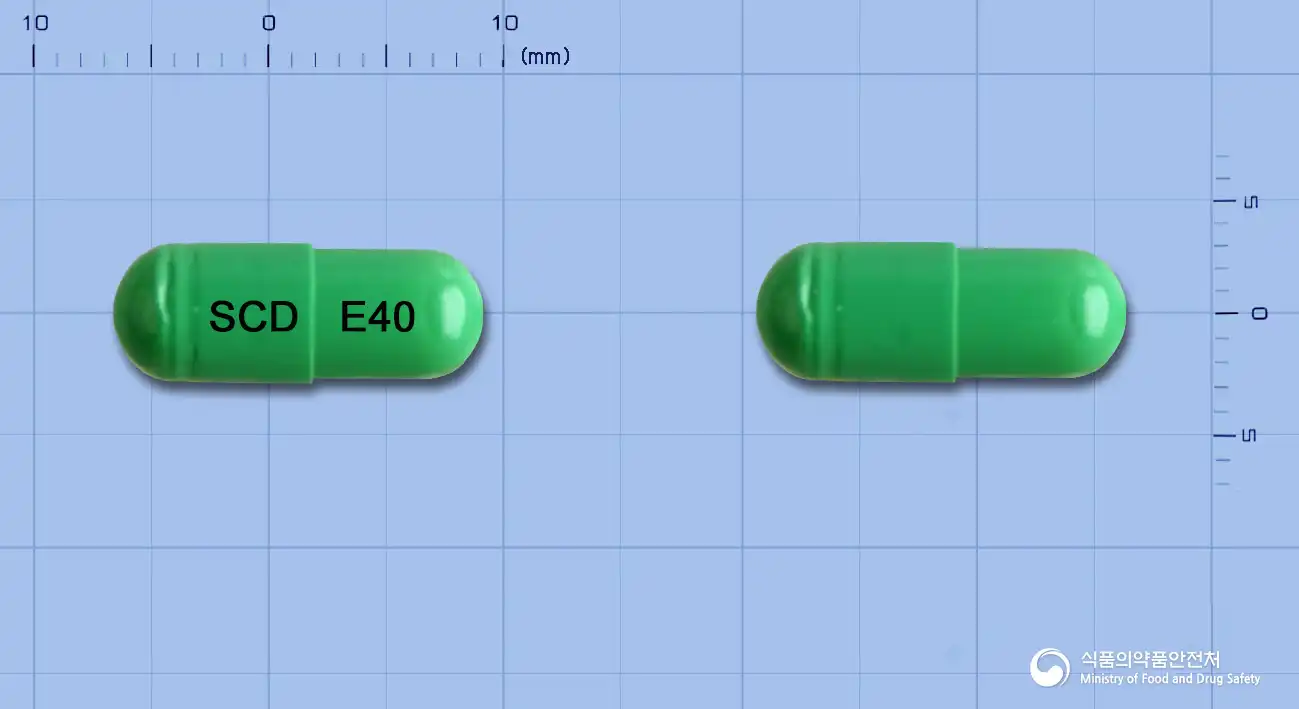
Esomeprazole Magnesium Granules 175.06mg
Hard capsule · Prescription medication
Samchundang Pharmaceutical Co., Ltd.
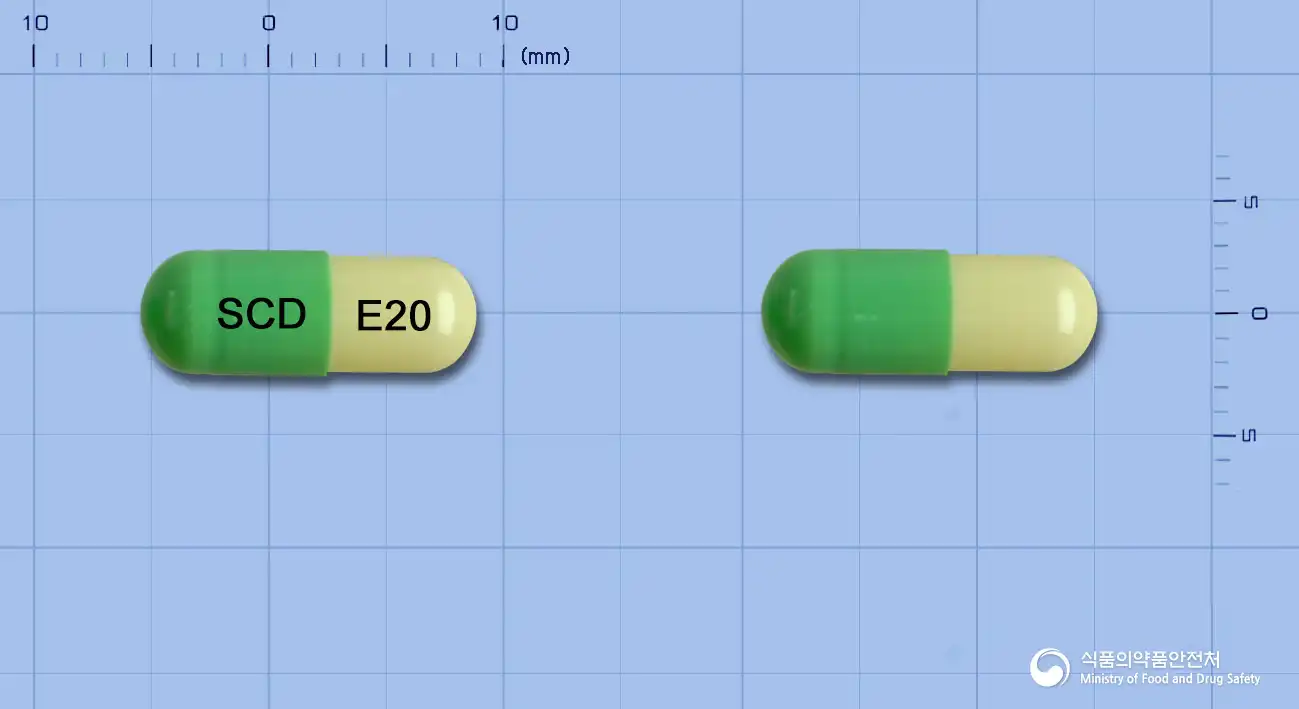
Esomeprazole Magnesium Granules 87.55mg
Hard capsule · Prescription medication
Samchundang Pharmaceutical Co., Ltd.
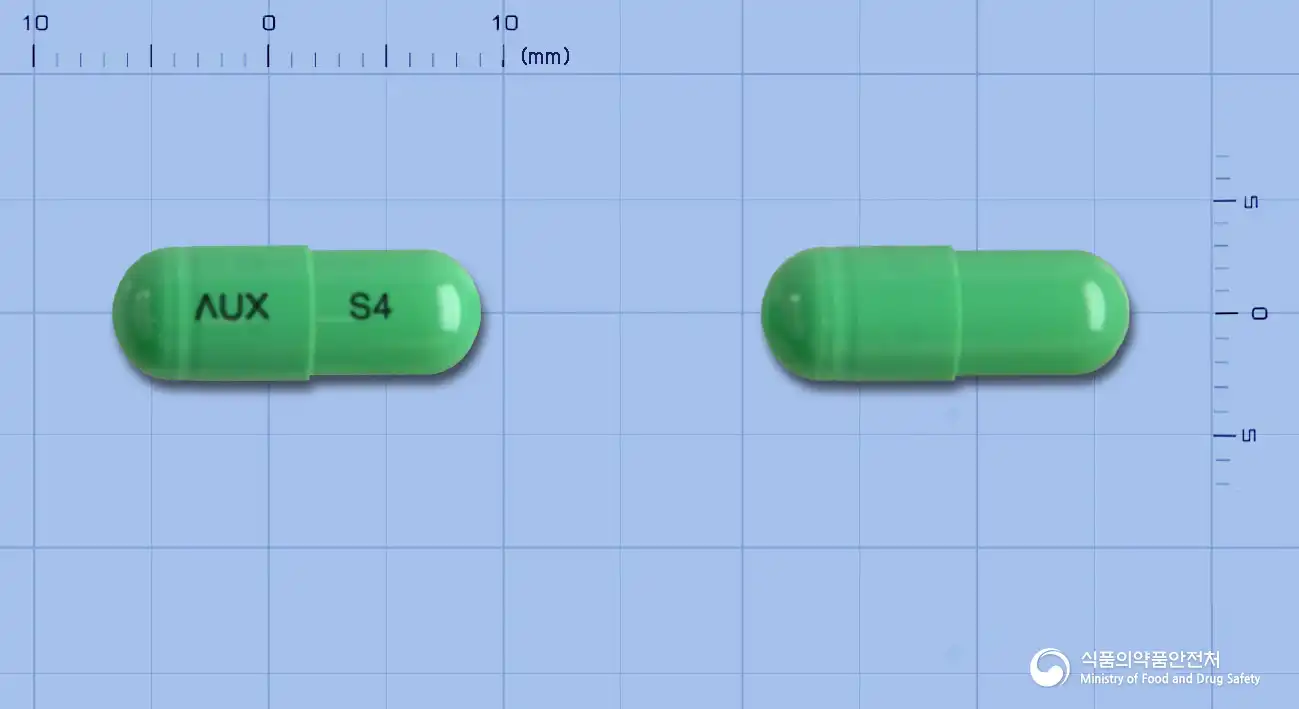
Esomeprazole Magnesium Granules 175.06mg
Hard capsule · Prescription medication
Os Korea Pharmaceutical Co., Ltd.
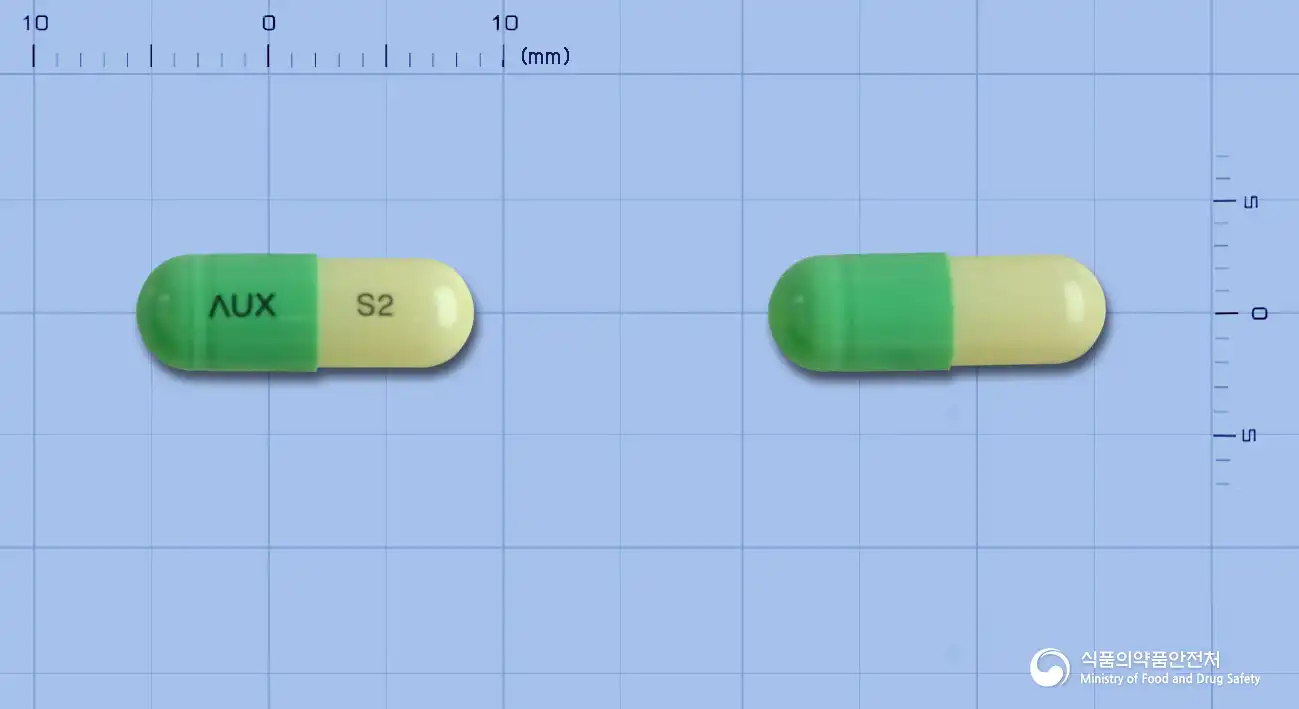
Esomeprazole Magnesium Granules 87.55mg
Hard capsule · Prescription medication
Os Korea Pharmaceutical Co., Ltd.
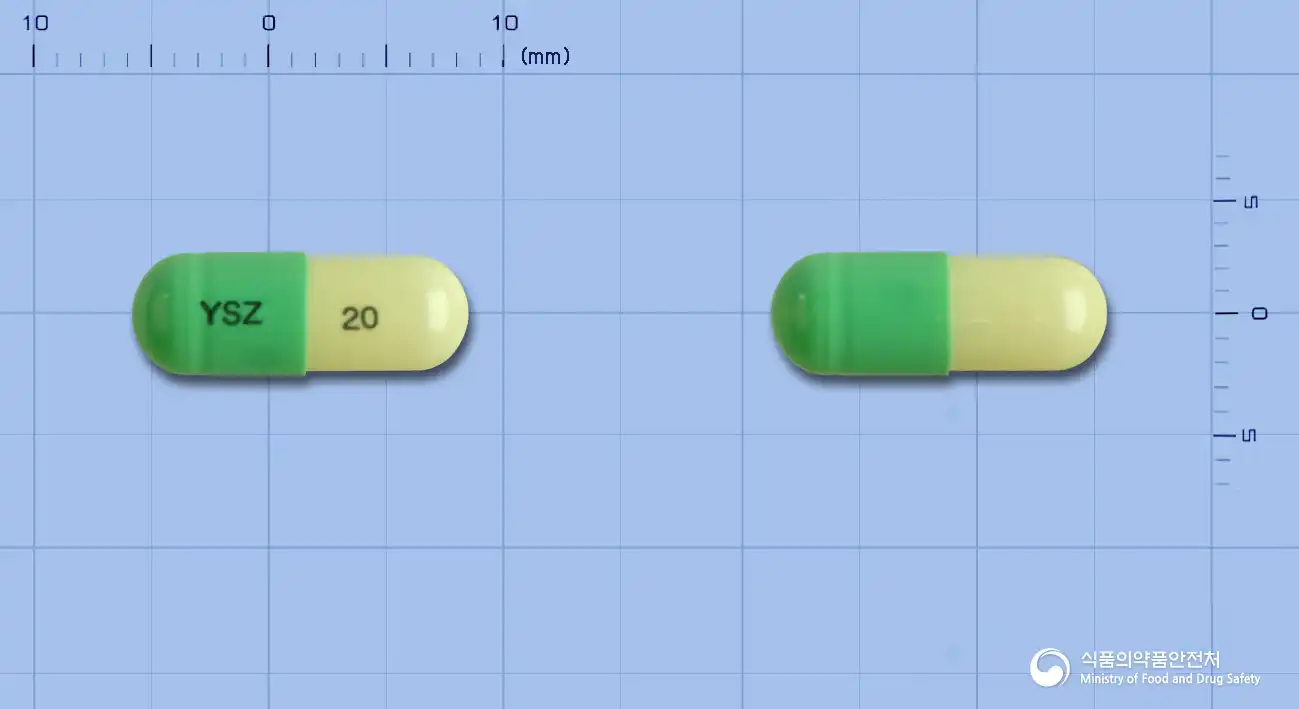
Esomeprazole Magnesium Granules 87.55mg
Hard capsule · Prescription medication
Yooyoung Pharmaceutical Co., Ltd.
Esomeprazole Magnesium Granules 175.06mg
Hard capsule · Prescription medication
Youyoung Pharmaceutical Co., Ltd.
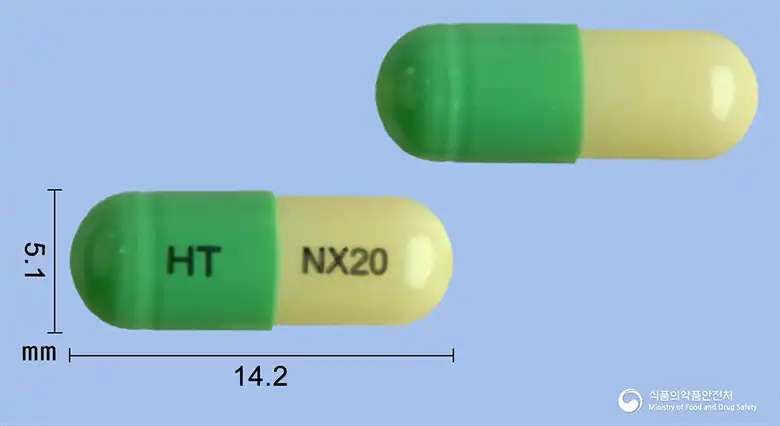
Esomeprazole Magnesium Granules 87.55mg
Hard capsule · Prescription medication
Hanmi Pharmaceutical Co., Ltd.
Even with the same ingredient, the dose and directions can differ by strength and dosage form. Talk to a doctor or pharmacist before switching from a medication you are already taking.
No questions yet.
For anything that needs medical judgment, consult a doctor or pharmacist.
This drug information is based on data provided by the Korea Ministry of Food and Drug Safety.
Consult a doctor or pharmacist for accurate dosage, administration, and usage instructions.