
 한국어
한국어 English
 日本語
日本語 中文(简体)
Dosage form image
Viewing nowSitagliptin Tablet 50 mg (Sitagliptin Phosphate Hydrate)
Sitagliptin Phosphate Hydrate 64.25mg
Tablet · Prescription medication
Viva Co., Ltd.
MFDS item code 201502558 · Approved 2015.04.28
This product's status changed to Expired on 2025.04.28. It may no longer be sold, so consult a doctor or pharmacist before taking it.
Improvement of blood sugar control in type 2 diabetes
This medication is used to help control blood sugar levels in patients with type 2 diabetes. Initially, it may be administered alone along with dietary and exercise therapy, and if blood sugar control is inadequate, it is used in combination with metformin. Additionally, it can be used together with other diabetes medications such as sulfonylureas, thiazolidinediones, and insulin to enhance blood sugar control effects. Treatment proceeds by additionally using this medication in cases where blood sugar control is difficult with various combination therapies. This medication is used to improve blood sugar control in various ways according to the individual patient's condition.
This medication is administered once daily at a dosage of 100 mg for either monotherapy or combination therapy, with a maximum daily dose of 100 mg. It can be taken regardless of meals. For patients with renal impairment, dosage adjustments are required: - Mild renal impairment (eGFR 60–90 mL/min/1.73 m2): No dosage adjustment needed - Moderate renal impairment (eGFR 45–60 mL/min/1.73 m2): No dosage adjustment needed - Moderate renal impairment (
This medication may cause severe allergic reactions after administration; therefore, if symptoms such as skin rash, difficulty breathing, or swelling of the face or neck occur, use should be immediately stopped and medical personnel should be notified. This medication may cause severe inflammation of the pancreas (pancreatitis); therefore, if symptoms like abdominal pain, vomiting, or nausea occur, medication should be stopped immediately and the doctor should be consulted. It should not be used in patients with type 1 diabetes or diabetic ketoacidosis, and should also not be administered if there is a history of allergic reactions to this medication or its components. For patients with impaired kidney function, the dosage of this medication should be adjusted; therefore, regular kidney function tests should be conducted, and the prescription should be followed as directed by a healthcare professional. When used with other diabetes medications that have hypoglycemic risks, attention should be given to hypoglycemic symptoms, and dosage adjustments of other medications may be necessary. This medication may cause side effects such as headaches, upper respiratory infections, nasopharyngitis, diarrhea, nausea, etc., so if symptoms are severe or persistent, consultation with a healthcare professional is recommended. Severe joint pain or blistering skin conditions may occur; if these symptoms appear, notify the doctor immediately and stop using the medication. Women who are pregnant or breastfeeding should avoid using this medication, and its safety and efficacy in children under 18 have not been confirmed. In the elderly, impaired kidney function is common, so kidney function tests should be performed before and during use of this medication to adjust the dosage appropriately. In cases of overdose, procedures such as removing the drug from the gastrointestinal tract and clinical monitoring such as ECG tests should be performed; if necessary, hemodialysis may be used to remove the drug. This medication is unlikely to have significant interactions with other drugs, but caution is needed when taking specific medications, so inform your doctor or pharmacist.
Not everyone experiences these, and they can vary from person to person.
Store this medication in a tightly sealed container to protect it from air and moisture, and keep the storage temperature between 1°C and 30°C at room temperature. This will help maintain the medication's efficacy and prevent degradation.
Round, biconvex, film-coated tablets with a light beige color
Company packaging unit
Even with the same ingredient, strength, dosage form and how it is taken can differ.
Sitagliptin Phosphate Hydrate 64.25mg
Tablet · Prescription medication
Viva Co., Ltd.
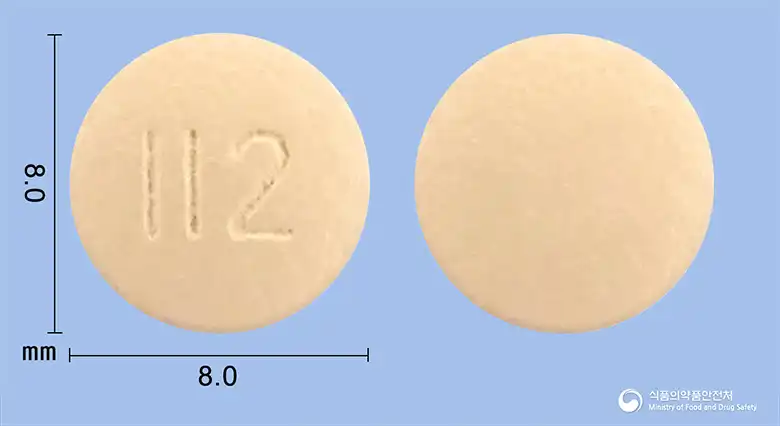
Sitagliptin Phosphate Hydrate 64.25mg
Tablet · Prescription medication
Jongkeundang Co., Ltd.
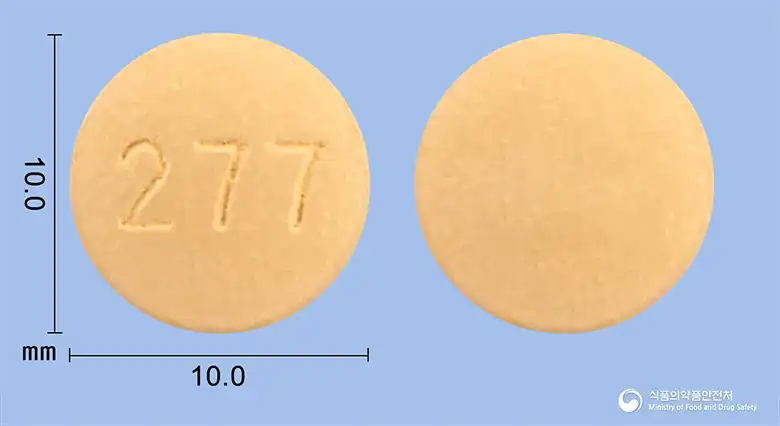
Sitagliptin Phosphate Hydrate 128.5mg
Tablet · Prescription medication
Jongkundang Co., Ltd.
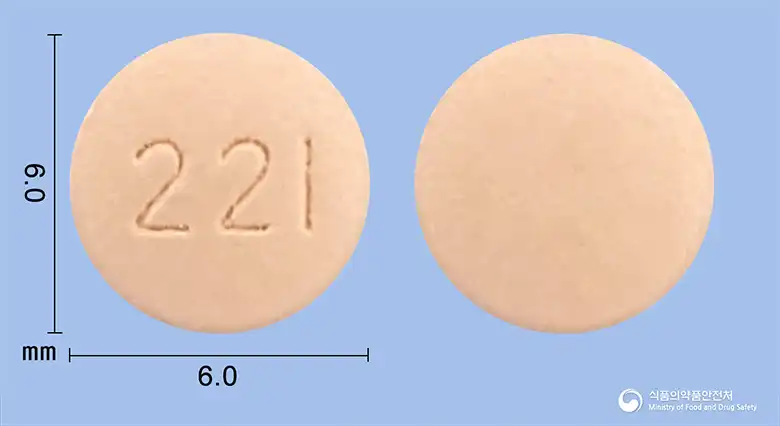
Sitagliptin Phosphate Hydrate 32.13mg
Tablet · Prescription medication
Jong Kundang Co., Ltd.
Sitagliptin Phosphate Hydrate 128.5mg
Tablet · Prescription medication
Shinpoong Pharmaceutical Co., Ltd.
Sitagliptin Phosphate Hydrate 128.5mg
Tablet · Prescription medication
Vivozon Pharmaceutical Co., Ltd.
Sitagliptin Phosphate Hydrate 64.25mg
Tablet · Prescription medication
Shinpoong Pharmaceutical Co., Ltd.
Sitagliptin Phosphate Hydrate 32.125mg
Tablet · Prescription medication
Sinpoong Pharmaceutical Co., Ltd.
Even with the same ingredient, the dose and directions can differ by strength and dosage form. Talk to a doctor or pharmacist before switching from a medication you are already taking.
No questions yet.
For anything that needs medical judgment, consult a doctor or pharmacist.
This drug information is based on data provided by the Korea Ministry of Food and Drug Safety.
Consult a doctor or pharmacist for accurate dosage, administration, and usage instructions.