
 한국어
 English
 日本語
 中文(简体)
 Viewing now
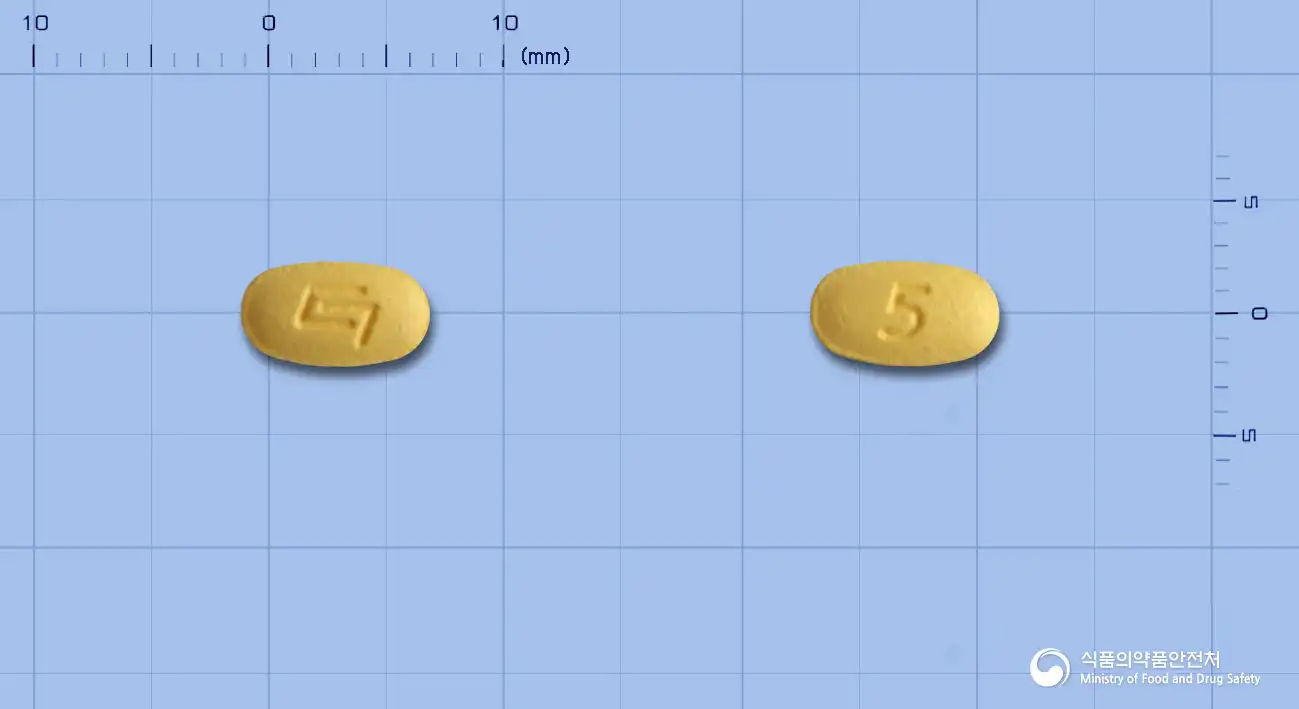
Senit Tablet 5mg (Tadalafil)
Tadalafil 5mg
Tablet · Prescription medication
Dongkwang Pharmaceutical Co., Ltd.
MFDS item code 201502311 · Approved 2015.04.16
Treatment of symptoms of erectile dysfunction, benign prostatic hyperplasia, or both conditions
This medicine is used for the treatment of erectile dysfunction, and sexual stimulation is required for it to be effective. Additionally, it helps improve the signs and symptoms associated with benign prostatic hyperplasia in men. It is effective in treating both erectile dysfunction and benign prostatic hyperplasia when both conditions coexist. However, this medication is not used for women. This medicine is used to improve male sexual function and prostate health.
Do not crush this medicine. Take one tablet whole. For oral administration. 1. Erectile dysfunction Use in adult men For patients who are expected to use tadalafil frequently (at least twice a week), the recommended dose is up to 5mg once daily, preferably taken at about the same time each day. The suitability of continuous daily dosing should be reassessed periodically. 2. Once-daily regimen for benign prostatic hyperplasia The recommended dose of this medicine for once-daily use is 5mg, taken at approximately the same time each day. 3. Once-daily regimen for erectile dysfunction and benign prostatic hyperplasia The recommended dose of this medicine for once-daily use is 5mg, taken at approximately the same time each day, regardless of the timing of sexual activity. 4. Special populations ● Use in elderly men No dosage adjustment is required in elderly patients. ● Use in men with renal impairment - Erectile dysfunction No dosage adjustment is required in patients with mild to moderate renal impairment. Once-daily tadalafil is not recommended in patients with severe renal impairment. [See sections 3.2) and 11.2) Pharmacokinetic properties under Precautions for Use]. - Benign prostatic hyperplasia No dosage adjustment is required in patients with mild renal impairment. Once-daily tadalafil is not recommended in patients with severe renal impairment. [See sections 3.3) and 11.2) Pharmacokinetic properties under Precautions for Use]. ● Use in men with hepatic impairment Once-daily dosing has not been evaluated in patients with hepatic impairment. Therefore, if prescribing, the physician should carefully assess the individual benefit/risk. (See section 11. <Special populations>) ● Use in men with diabetes No dosage adjustment is required in patients with diabetes.
This medicine should not be used in persons under 18 years of age.
This medication is used for the treatment of erectile dysfunction and benign prostatic hyperplasia, and a comprehensive health evaluation including heart condition must be assessed before taking it. Caution should be exercised as there may be strain on the heart during or immediately after sexual activity, especially for those with cardiovascular diseases. If an erection lasts more than 4 hours, seek medical assistance immediately, as neglecting this can lead to penile tissue damage and permanent loss of function. This medication should not be taken with nitrate compounds as it can cause a rapid drop in blood pressure; therefore, it is not administered to patients taking nitrate medications. Patients recently experiencing significant cardiovascular diseases such as myocardial infarction, stroke, or unstable angina should not take this medication. Moreover, it is contraindicated for patients with certain hereditary retinal disorders or hypersensitivity. Patients with conditions affecting erection duration such as penile deformities or blood disorders should use this drug cautiously. Patients with severe kidney or liver dysfunction should also be cautious, as combining this with alpha-blockers or some antihypertensives may enhance blood pressure-lowering effects, which should be discussed with a doctor. This medication may have side effects such as headache, dyspepsia, back pain, muscle pain, flushing, limb pain, nasopharyngitis, upper respiratory tract infections, cough, diarrhea, gastroesophageal reflux disease, abdominal pain, dizziness, sensory loss, insomnia, paresthesia, drowsiness, lightheadedness, renal impairment, shortness of breath, itching, rash, sweating, blurred vision, color vision abnormalities, conjunctivitis, eye pain, increased tear production, eyelid swelling, sudden hearing loss or decrease, tinnitus, and increased erections. If there is a sudden loss of vision or hearing, stop using it immediately and inform medical staff. It is not to be used in pregnant women or children, and although driving or operating machinery does not have specific effects, individual differences may exist, warranting caution. In cases of overdose, standard emergency treatment should be administered, as dialysis is not effective for drug removal. This medication should be stored out of the reach of children and kept in its original packaging for safety.
Not everyone experiences these, and they can vary from person to person.
This medication should be stored in a tightly sealed container to avoid exposure to air or moisture. It is important to maintain storage temperatures between 1 and 30 degrees Celsius at room temperature. This will help to maintain the medication's efficacy.
Yellow oval film-coated tablets
28 tablets [(14 tablets/PTP) × 2]
Even with the same ingredient, strength, dosage form and how it is taken can differ.
Viewing nowTadalafil 5mg
Tablet · Prescription medication
Dongkwang Pharmaceutical Co., Ltd.
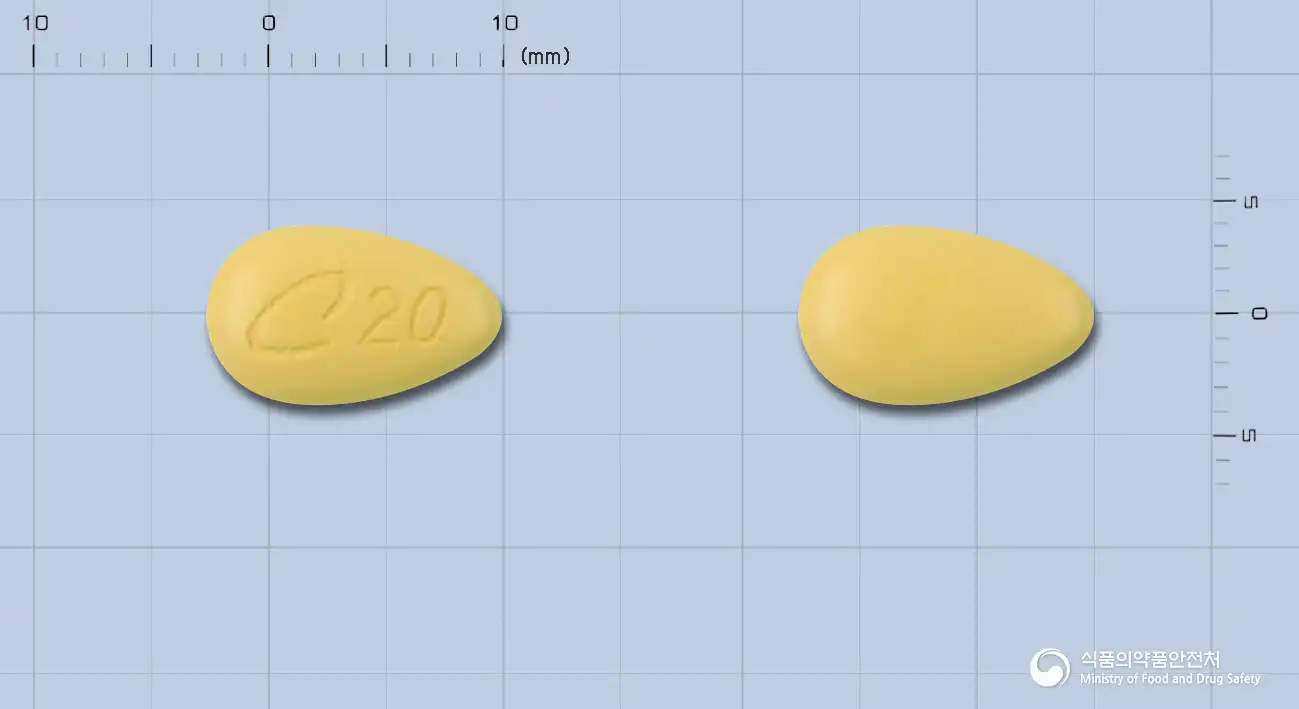
Tadalafil 20mg
Tablet · Prescription medication
Korea Lilly Co., Ltd.
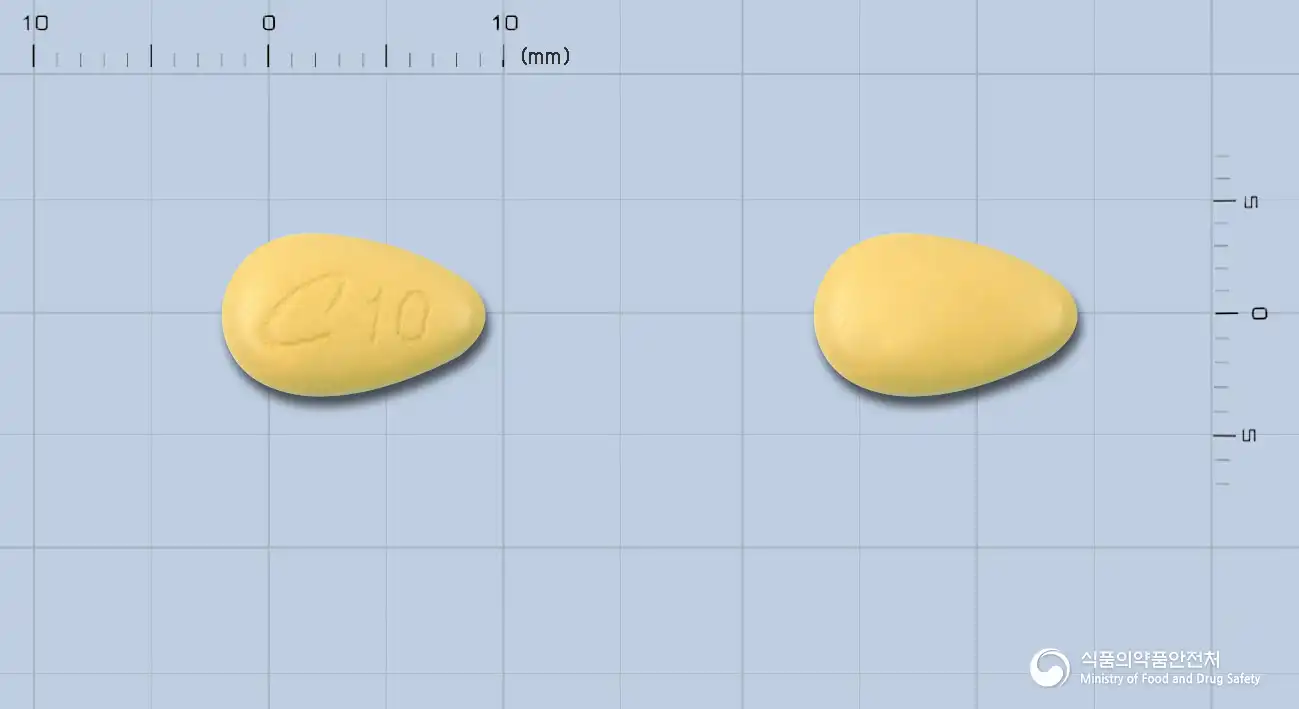
Tadalafil 10mg
Tablet · Prescription medication
Korea Lilly LLC
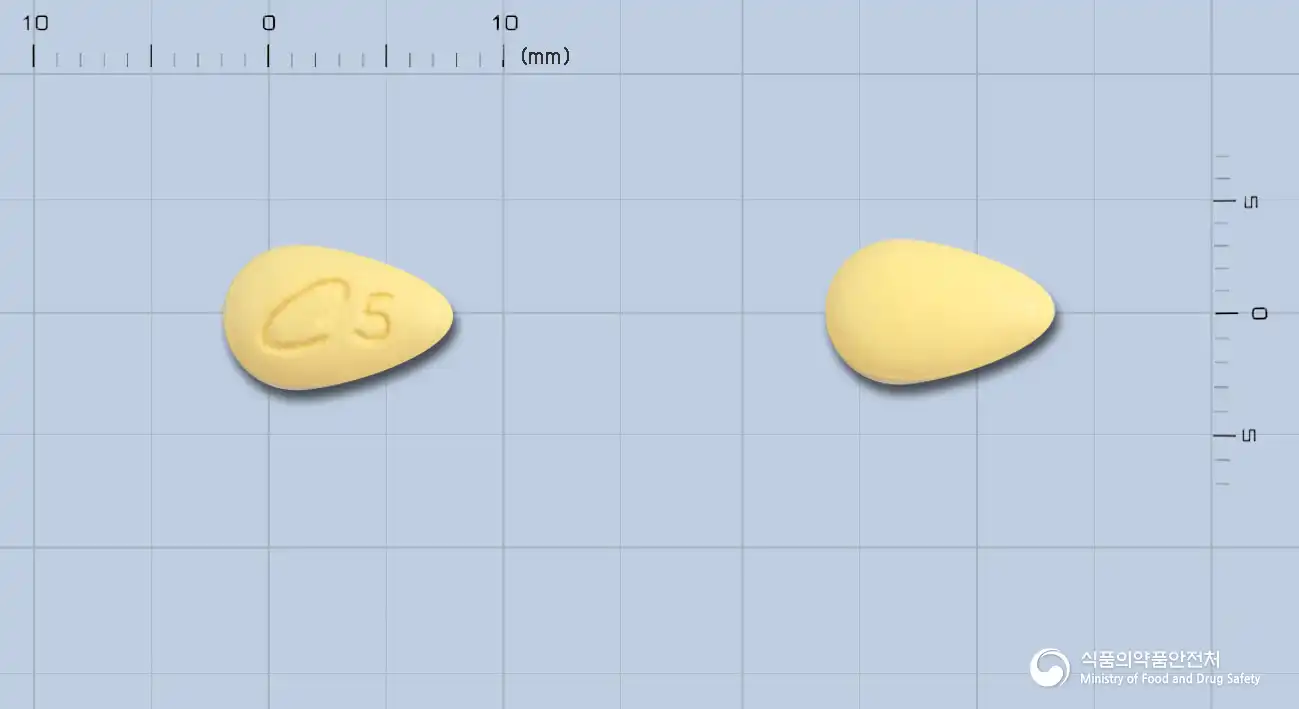
Tadalafil 5mg
Tablet · Prescription medication
Korea Lilly Co., Ltd.

Tadalafil 20mg
Prescription medication
Seoul Pharmaceutical Co., Ltd.

Tadalafil 10mg
Orally disintegrating Tablet · Prescription medication
Seoul Pharmaceutical Co., Ltd.
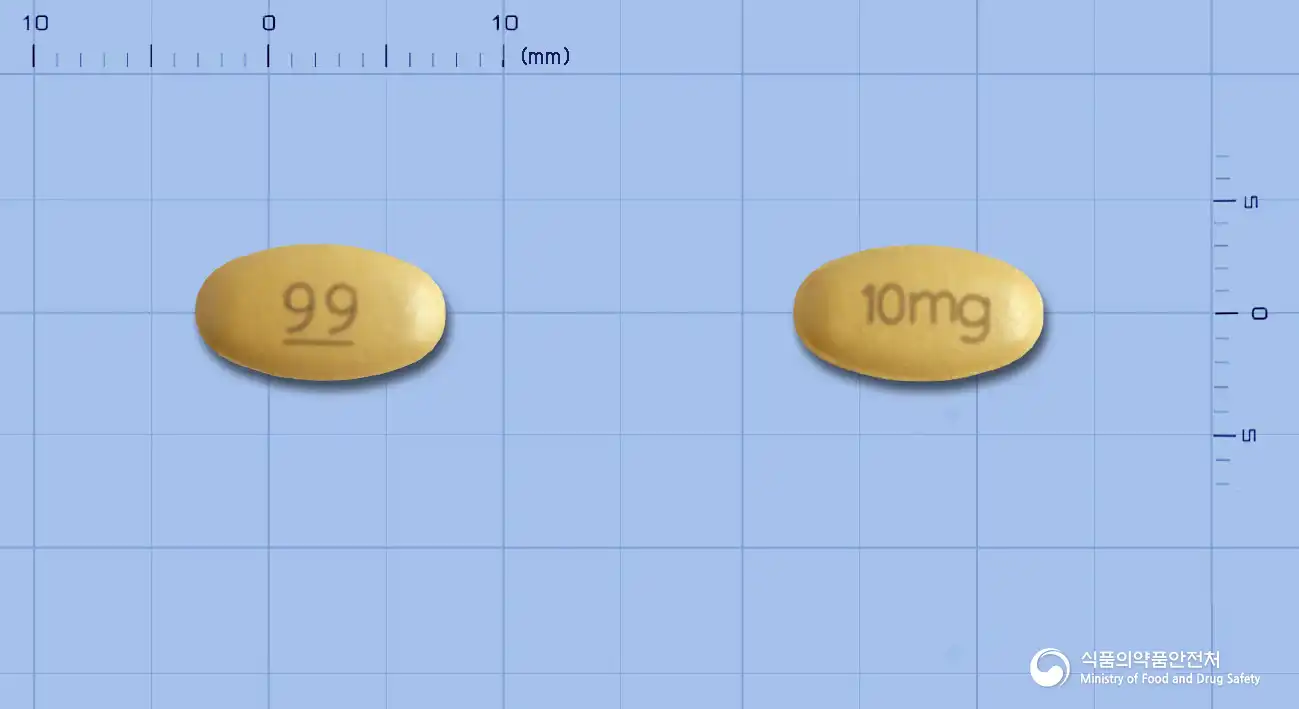
Tadalafil 10mg
Tablet · Prescription medication
Hanmi Pharmaceutical Co., Ltd.
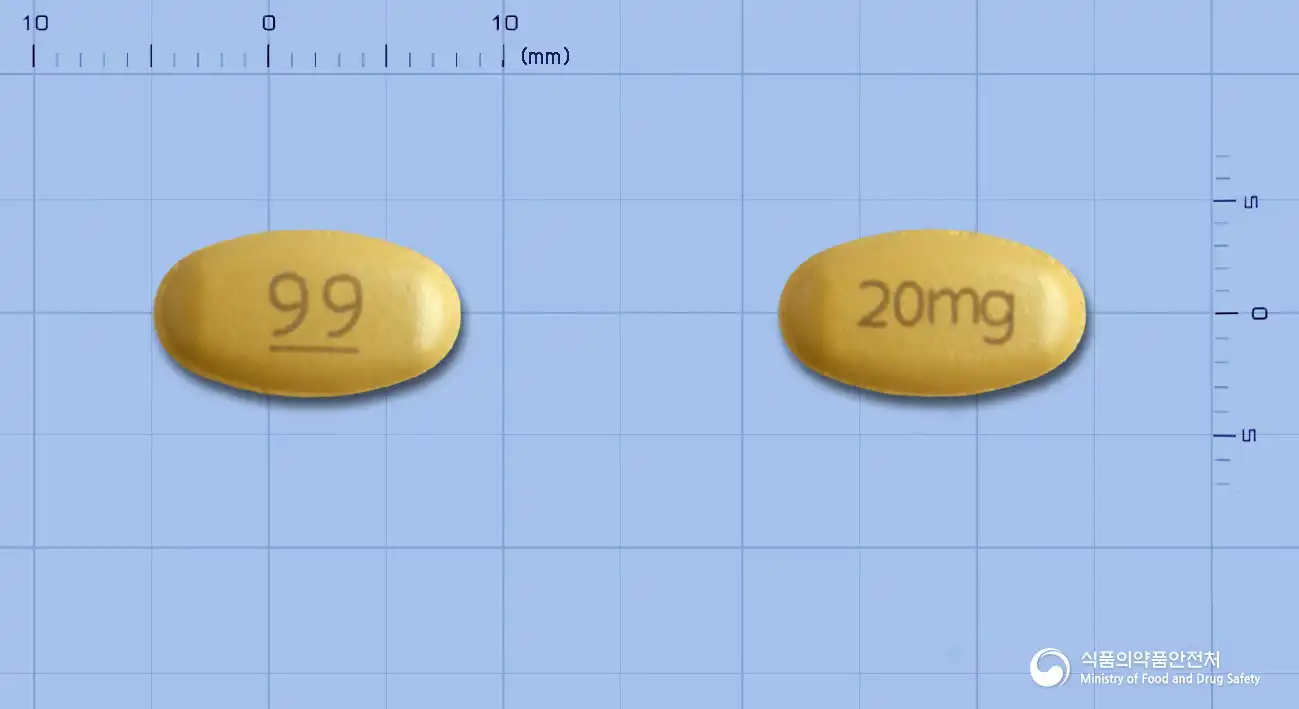
Tadalafil 20mg
Tablet · Prescription medication
Hanmi Pharmaceutical Co., Ltd.
Even with the same ingredient, the dose and directions can differ by strength and dosage form. Talk to a doctor or pharmacist before switching from a medication you are already taking.
No questions yet.
For anything that needs medical judgment, consult a doctor or pharmacist.
This drug information is based on data provided by the Korea Ministry of Food and Drug Safety.
Consult a doctor or pharmacist for accurate dosage, administration, and usage instructions.