
 한국어
 English
 日本語
 中文(简体)
 Viewing nowCombination
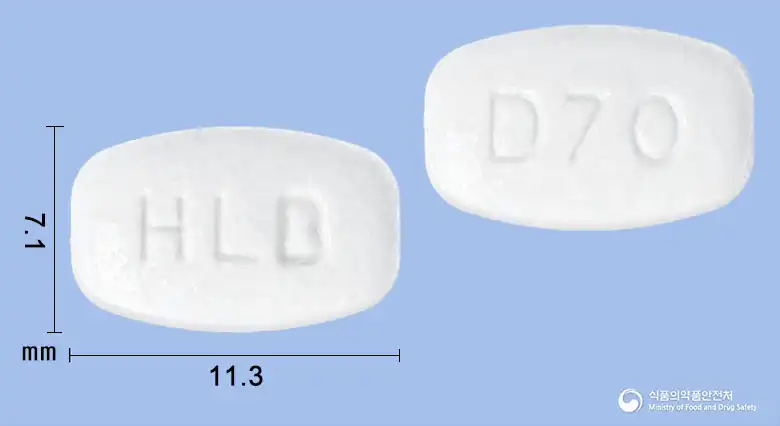
Alendron Plus D Tablets
Sodium Alendronate Hydrate 91.37mg · Cholecalciferol Concentrate Powder 53.33mg
Tablet · Prescription medication · Combination
HLB Pharmaceutical Co., Ltd.
MFDS item code 201502292 · Approved 2015.04.15 · Insurance code 647304310
Treatment of osteoporosis in postmenopausal women and men
This medication is used to treat osteoporosis that may occur in postmenopausal women and men. Osteoporosis is a condition that weakens bones and increases the risk of fractures, helping to maintain bone health and prevent bone loss. This helps to reduce the risk of fractures and improves the quality of life of patients.
Take 1 tablet (70 mg/2800 IU or 70 mg/5600 IU) once weekly in the morning with plenty of water, at least 30 minutes before consuming food, beverages, or other medications (see General Precautions). The appropriate dose for most patients with osteoporosis is 70 mg/5600 IU once weekly. The optimal duration of treatment has not been determined. The safety and efficacy of this medicine for the treatment of osteoporosis are based on clinical data from 4 years. The need for continued treatment should be reviewed periodically in all patients receiving bisphosphonates. In patients at low risk of fracture, consider discontinuing treatment after 3~5 years of use. Patients who discontinue treatment should have their fracture risk reviewed periodically. Mineral water, other beverages including barley tea, food, and medications may reduce the absorption of alendronate (see Interactions). Taking food within 30 minutes after taking this medicine, or at the same time, may reduce the absorption of alendronate in the body and decrease its effect. Take this medicine upon rising in the morning and swallow it with plenty of water (170∼230 mL) to facilitate rapid passage of the medicine to the stomach and reduce the possibility of esophageal irritation. Do not lie down for at least 30 minutes after taking this medicine and until after the first food intake. Do not take this medicine at bedtime or before getting up in the morning. Failure to follow these instructions may increase the risk of esophageal adverse reactions (see Warnings and General Precautions). Patients should take supplements if their dietary intake of calcium and vitamin D is inadequate (see Precautions for Use, 4. General Precautions, 2) Information to be provided to patients (4)). Patients at increased risk of vitamin D deficiency (e.g., patients over 70 years of age, nursing home residents, patients with chronic diseases) may need additional vitamin D supplementation. Patients with gastrointestinal malabsorption syndrome may require higher doses of vitamin D supplements, and measurement of 25-hydroxyvitamin D levels should be considered. The recommended daily intake of vitamin D is 400 IU to 800 IU. This medicine, taken once weekly, provides a one-week supply of daily vitamin D at 400 IU or 800 IU. If a patient taking one tablet of this medicine forgets to take it on the scheduled day, take one tablet the following morning, resume taking it on the regularly scheduled day, and then continue taking it regularly once weekly. However, do not take 2 tablets on the same day. Use in elderly patients (65 years and older): No dosage adjustment is required. Use in patients with renal impairment: No dosage adjustment is required in patients with mild to moderate renal impairment (creatinine clearance of 35∼60 mL/min). However, use of this medicine is not recommended in patients with severe renal impairment (creatinine clearance below 35 mL/min) because clinical experience is insufficient.
Pediatric and adolescent patients (under 18 years): The safety and efficacy in pediatric and adolescent patients have not been established.
This medication may irritate the upper gastrointestinal mucosa, potentially leading to esophagitis, esophageal ulcers, and esophageal erosion. If these symptoms occur, discontinue use immediately and consult a doctor. When taking this medication, it should be taken with a sufficient amount of water (170-230 mL), and lying down should be avoided for at least 30 minutes after taking it. After taking this medication, it should be noted that symptoms such as dysphagia or pain behind the sternum and heartburn may worsen. It should not be prescribed to patients with delayed esophageal clearance such as esophageal stricture or achalasia, patients who cannot sit or stand upright for more than 30 minutes, patients with hypersensitivity to any ingredient in this product, patients with hypocalcemia, and patients with certain genetic metabolic disorders. This medication may cause gastrointestinal disorders, musculoskeletal pain, headache, dizziness, taste disturbances, and very rarely serious skin reactions or osteonecrosis of the jaw. Patients should consult healthcare professionals immediately if these adverse reactions occur. When taking this medication for osteoporosis treatment, if calcium and vitamin D intake is insufficient, supplements should additionally be taken; particularly older adults or those with malabsorption may need vitamin D supplementation. This medication may interact with other drugs, so if taking calcium supplements, antacids, aspirin, non-steroidal anti-inflammatory drugs, etc., at least 30 minutes should be allowed between taking them and this medication. If pregnant or breastfeeding, the administration of this medication should be carefully considered, and it is not to be used in children. It is not recommended for patients with severely impaired renal function, and blood calcium levels should be regularly monitored before and during use. In case of overdose, symptoms such as hypocalcemia and gastrointestinal irritation may appear, and immediate hospital care is required, keeping the patient upright without inducing vomiting. This medication should be kept out of the reach of children, and transferring it to another container is not advisable as it may not maintain its quality.
esophagitis, esophageal ulcer, esophageal erosion, esophageal obstruction, esophageal perforation, bleeding, dysphagia, odynophagia, retrosternal pain, heartburn, abdominal pain, nausea, dyspepsia, constipation, diarrhea, flatulence, acid reflux, vomiting, abdominal bloating, gastritis, musculoskeletal pain, muscle cramps, headache, dizziness, taste disturbance, rash, erythema, anastomotic ulcer, hives, angioedema, myalgia, symptoms of hypocalcemia, peripheral edema, oropharyngeal ulcer, gastric ulcer, duodenal ulcer, jaw necrosis, joint swelling, low-energy fractures of the femoral head and other bones, itching, hair loss, Stevens-Johnson syndrome, toxic epidermal necrolysis, uveitis, scleritis, episkleritis, cholesteatoma of the external ear canal, nasopharyngitis
Not everyone experiences these, and they can vary from person to person.
This medication is sensitive to air and moisture, so it should be stored in a tightly closed container. It is best to keep it away from direct sunlight and store it at room temperature between 1 and 30 degrees Celsius.
White to pale yellow rectangular tablet
4 tablets (4 tablets/PTP*1)
Even with the same ingredient, strength, dosage form and how it is taken can differ.
Viewing nowCombinationSodium Alendronate Hydrate 91.37mg · Cholecalciferol Concentrate Powder 53.33mg
Tablet · Prescription medication · Combination
HLB Pharmaceutical Co., Ltd.
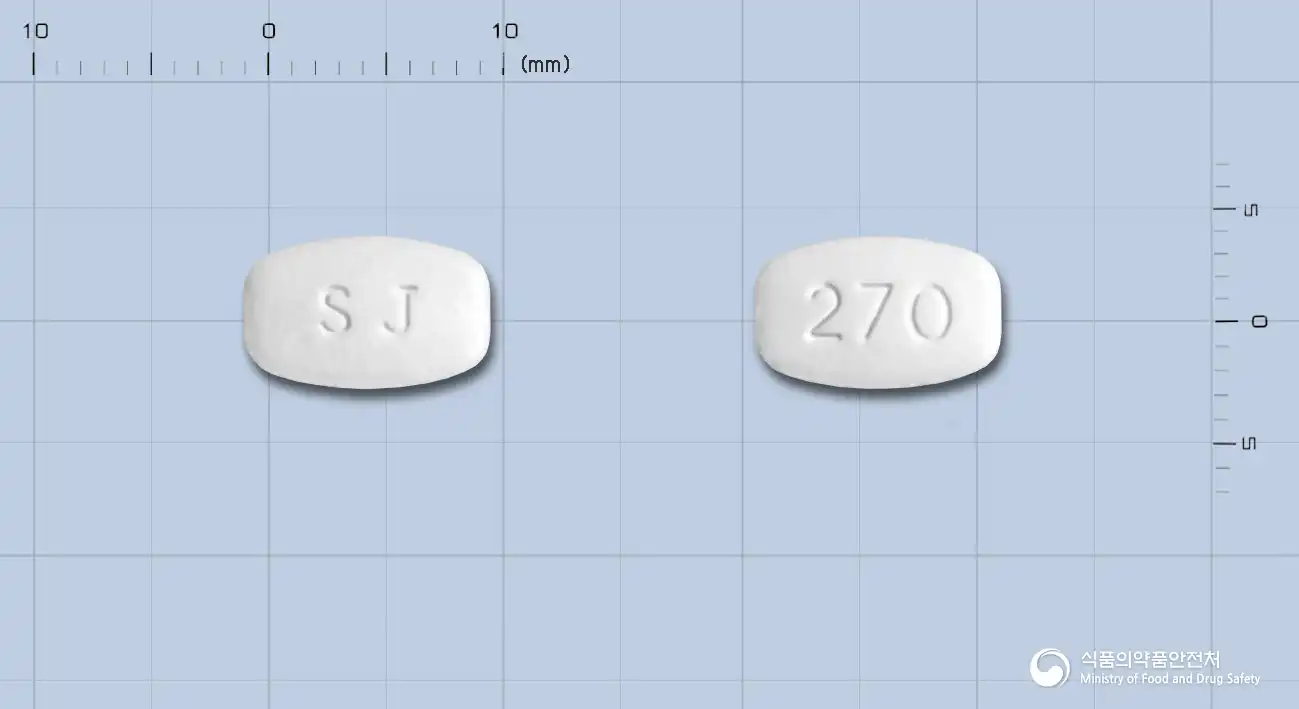 Combination
Sodium Alendronate Hydrate 91.37mg · Cholecalciferol Concentrate Powder 53.33mg
Tablet · Prescription medication · Combination
Samjin Pharmaceutical Co., Ltd.
Sodium Alendronate Hydrate · Cholecalciferol Concentrate Powder
Prescription medication · Combination
Korea Union Pharm Co., Ltd.
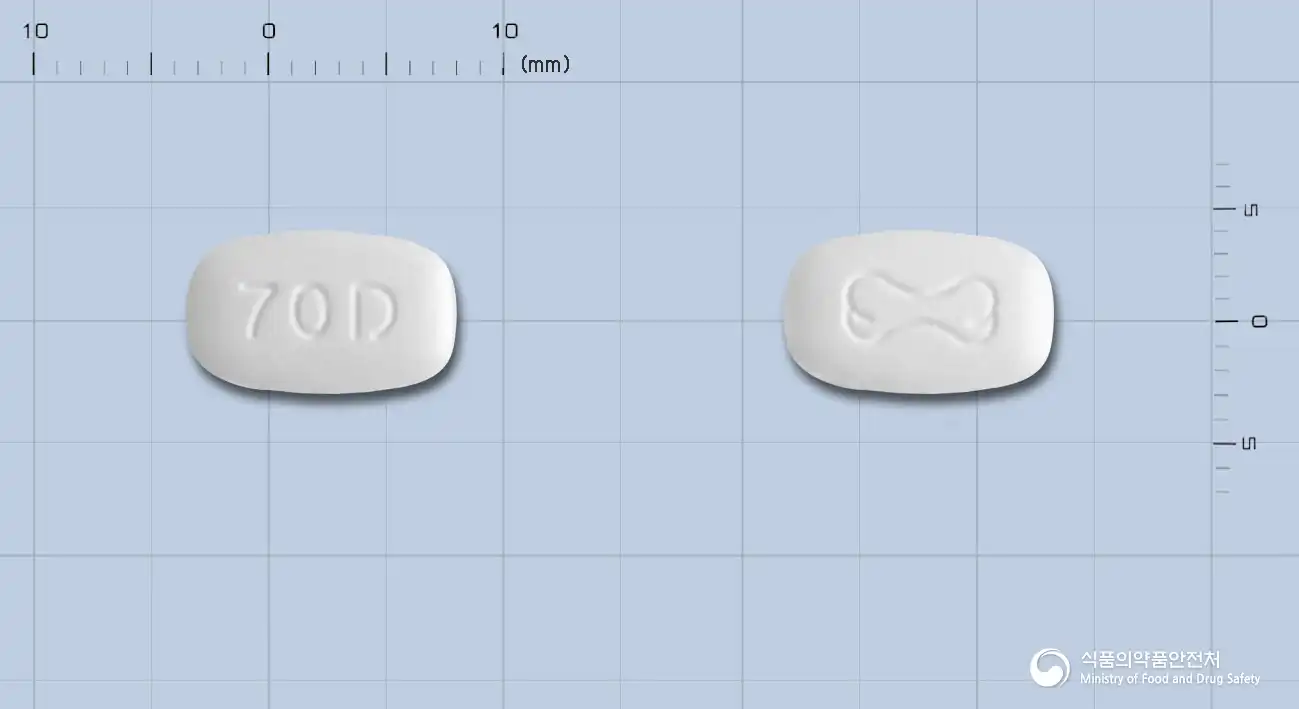 Combination
Sodium Alendronate Hydrate 91.37mg · Cholecalciferol Concentrate Powder 53.33mg
Tablet · Prescription medication · Combination
Dongkwang Pharmaceutical Co., Ltd.
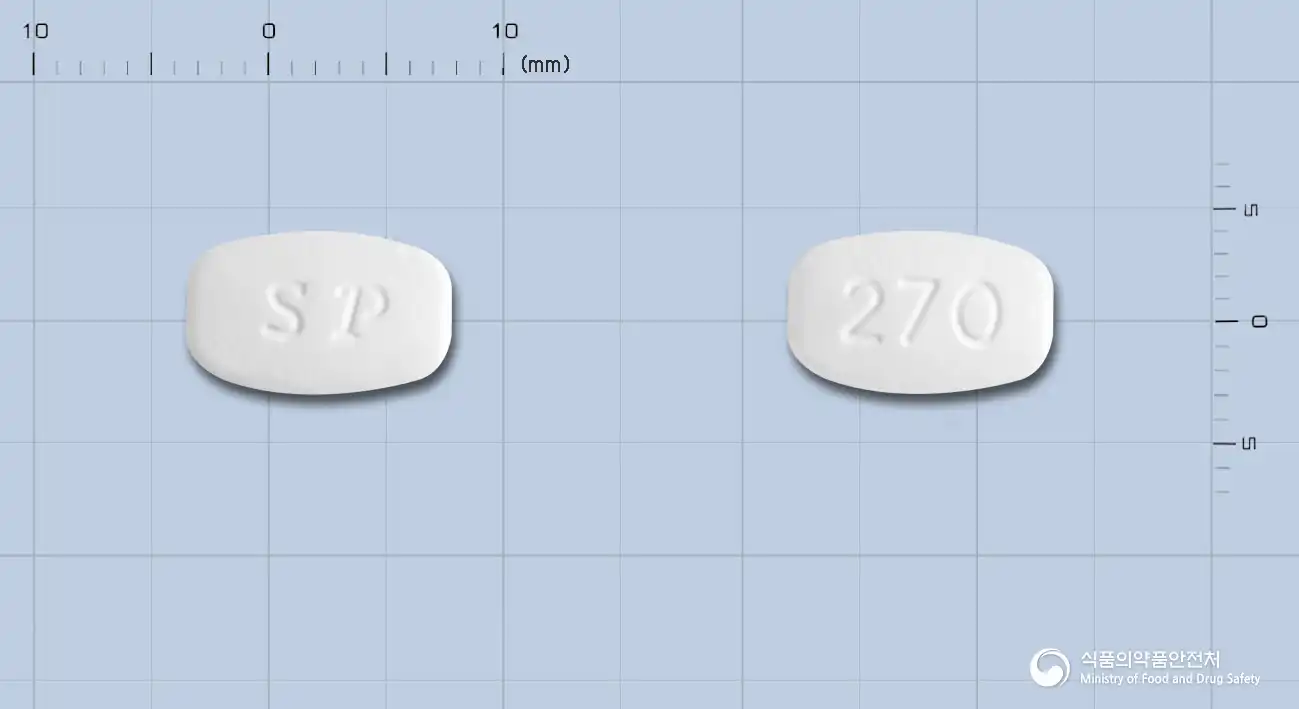 Combination
Sodium Alendronate Hydrate 91.37mg · Cholecalciferol Concentrate Powder 53.33mg
Tablet · Prescription medication · Combination
Shinpoong Pharmaceutical Co., Ltd.
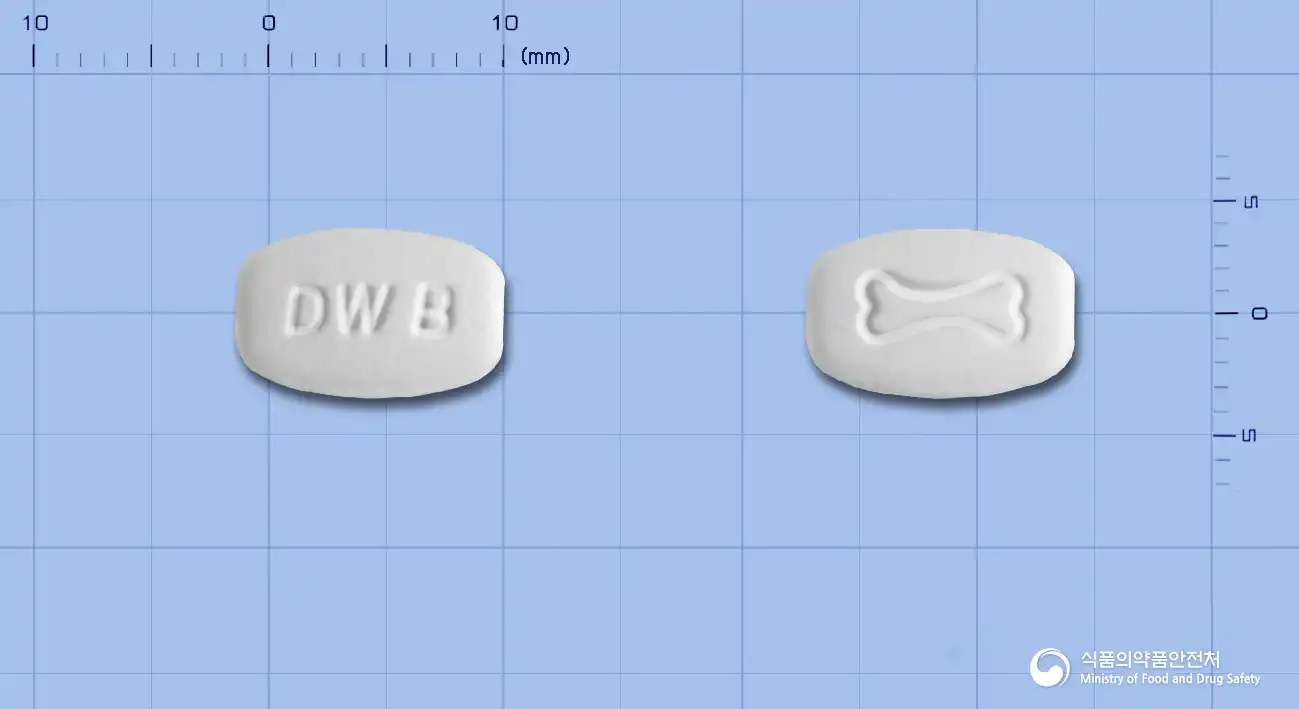 Combination
Sodium Alendronate Hydrate 91.37mg · Cholecalciferol Concentrate Powder 53.33mg
Tablet · Prescription medication · Combination
Daewoong Bio Co., Ltd.
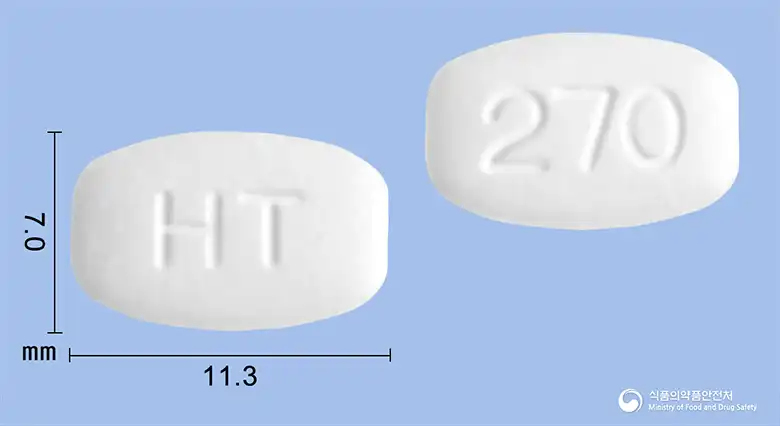 Combination
Sodium Alendronate Hydrate 91.37mg · Cholecalciferol Concentrate Powder 53.33mg
Tablet · Prescription medication · Combination
Hanmi Pharmaceutical Co., Ltd.
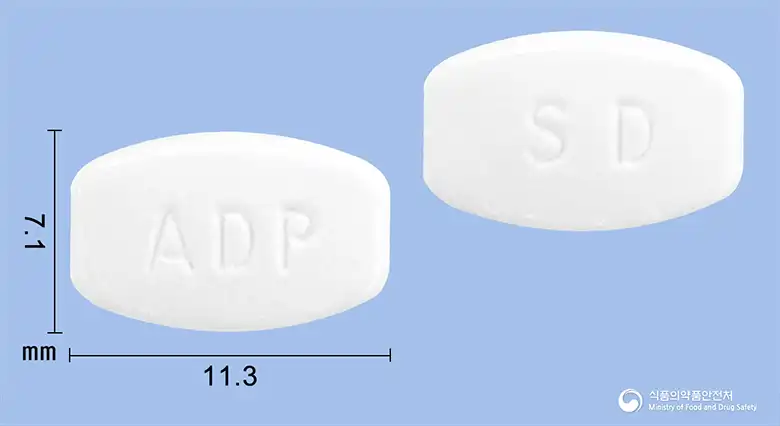 Combination
Sodium Alendronate Hydrate 91.37mg · Cholecalciferol Concentrate Powder 53.33mg
Tablet · Prescription medication · Combination
Farm Gen Science Co., Ltd.
Even with the same ingredient, the dose and directions can differ by strength and dosage form. Talk to a doctor or pharmacist before switching from a medication you are already taking.
No questions yet.
For anything that needs medical judgment, consult a doctor or pharmacist.
This drug information is based on data provided by the Korea Ministry of Food and Drug Safety.
Consult a doctor or pharmacist for accurate dosage, administration, and usage instructions.