
 한국어
한국어 English
 日本語
日本語 中文(简体)
 Viewing now
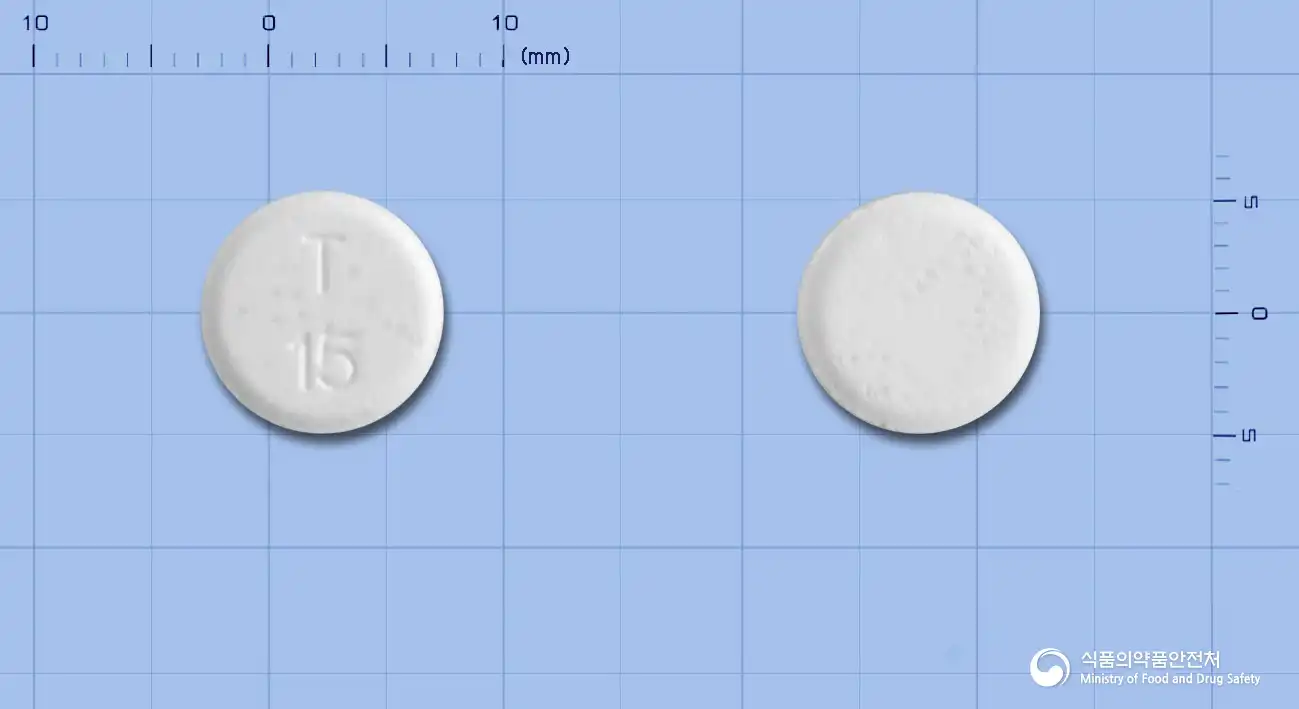
Monolithum Plas Tablets 15 mg (Lansoprazole)
Lansoprazole 15mg
Orally disintegrating Tablet · Prescription medication
Taejun Pharmaceutical Co., Ltd.
MFDS item code 201501764 · Approved 2015.03.31 · Insurance code 650102740
Treatment of active duodenal ulcer and gastric ulcer (active, prevention of recurrence), treatment of NSAID-induced gastric ulcer and reduction of occurrence risk, short-term treatment and maintenance therapy for gastroesophageal reflux disease (including erosive), improvement of pathological hypersecretion of gastric acid
This medication is effective for the short-term treatment of active duodenal ulcer and gastric ulcer. It is also used to eradicate Helicobacter pylori infection, preventing recurrence of duodenal ulcers. It helps with maintenance therapy to prevent recurrence of duodenal ulcers and erosive esophagitis after treatment. It is effective for the treatment of gastric ulcers caused by non-steroidal anti-inflammatory drugs (NSAIDs) and reducing the risk of occurrence. It is widely used for the short-term treatment of symptoms related to gastroesophageal reflux disease and erosive esophagitis. Additionally, it is used to control excessive gastric acid secretion conditions, such as Zollinger-Ellison syndrome, improving symptoms.
This medication should be administered before meals, placed on the tongue to dissolve with saliva or taken with water. It should not be chewed or crushed. 1. Short-term treatment of active duodenal ulcer: 15 mg of Lansoprazole orally once a day for 4 weeks. 2. Short-term treatment of active benign gastric ulcer: 30 mg of Lansoprazole orally once a day for 8 weeks. 3. Eradication of Helicobacter pylori to prevent recurrence of duodenal ulcer:
This medication should be given before meals, placed on the tongue to dissolve with saliva or taken with water. It should not be chewed or crushed. Children and adolescents aged 12 to 17: 1. Treatment of non-erosive gastroesophageal reflux disease.
This medication should not be used by patients with known allergies to certain components or a history of hypersensitivity. Caution is particularly necessary for those allergic to benzimidazole compounds, penicillin, and macrolide antibiotics. It is advisable for pregnant or breastfeeding women not to use this medication. Additionally, patients with liver dysfunction, the elderly, children, and those with a history of drug hypersensitivity should be administered with caution. While taking this medication, rare but severe allergic reactions, blood disorders, liver dysfunction, and severe skin reactions may occur. If any unusual symptoms arise, stop taking the medication immediately and consult a healthcare professional. Long-term use may result in vitamin B12 deficiency, necessitating regular check-ups. In cases where malignancies such as gastric cancer are suspected, accurate diagnosis should be pursued before administering the drug. This medication may interact with other drugs, so patients should inform their healthcare provider about any other medications they are taking, particularly antiviral agents, antibiotics, and anticoagulants. Using this drug for long periods or at high doses may increase the risk of bone fractures. Therefore, it is advisable to use the minimum effective dose for the appropriate duration only when needed. Dizziness, drowsiness, and visual disturbances may occur. Caution is required when driving or operating machinery. In case of overdose, symptoms may require appropriate treatment such as gastric lavage or activated charcoal, as blood dialysis will not remove the substance.
Hives, severe swelling (edema), chest tightness, difficulty breathing, cold sweat, paleness, anaphylactic reaction, shock, angioedema, bronchospasm, acute interstitial nephritis, pancytopenia, agranulocytosis, hemolytic anemia, neutropenia, thrombocytopenia, anemia, jaundice, toxic epidermal necrolysis (Lyell syndrome), Stevens-Johnson syndrome, DRESS syndrome, interstitial pneumonitis, pneumonia, interstitial nephritis, acute kidney injury.
Not everyone experiences these, and they can vary from person to person.
Store this medication in a tightly closed container to protect it from air and moisture. The storage temperature should preferably be at room temperature between 1 and 30 degrees Celsius.
White circular tablets with gray spots
28 tablets (7 tablets/PTP x 4 PTP/carton)
Even with the same ingredient, strength, dosage form and how it is taken can differ.
Viewing nowLansoprazole 15mg
Orally disintegrating Tablet · Prescription medication
Taejun Pharmaceutical Co., Ltd.
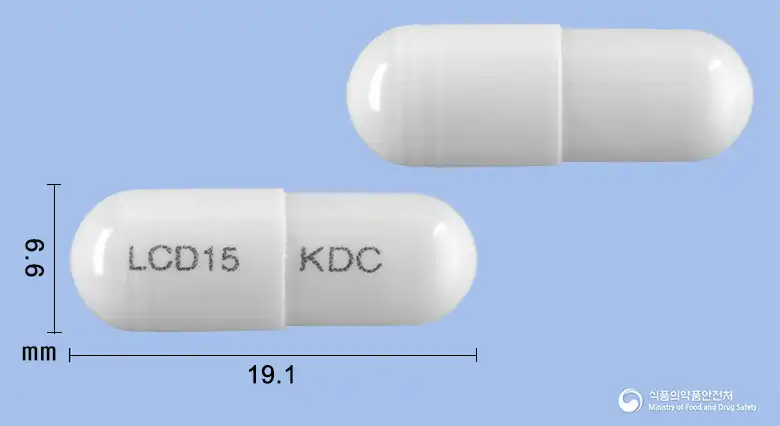
Lansoprazole 15mg
Hard capsule · Prescription medication
Korea Pharmaceutical Co., Ltd.
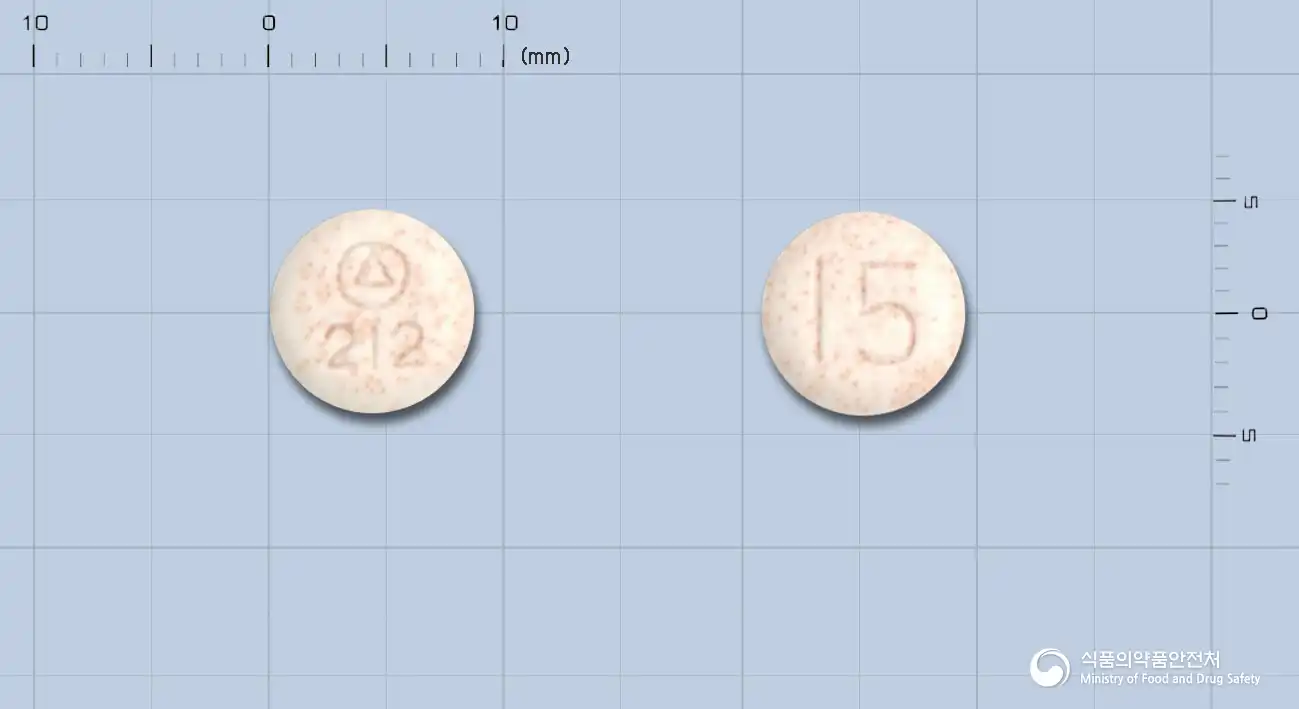
Lansoprazole 15mg
Orally disintegrating Tablet · Prescription medication
Takeda Pharmaceuticals Korea Co., Ltd.
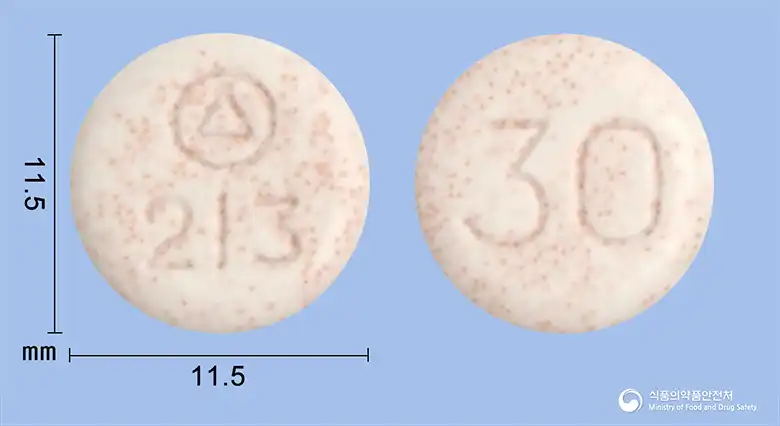
Lansoprazole 30mg
Orally disintegrating Tablet · Prescription medication
Takeda Pharmaceuticals Korea Co., Ltd.
Lansoprazole 15mg
Tablet · Prescription medication
Samil Pharmaceutical Co., Ltd.
Lansoprazole 30mg
Hard capsule · Prescription medication
Kwangdong Pharmaceutical Co., Ltd.
Lansoprazole 30mg
Hard capsule · Prescription medication
Aprogen Biologics Co., Ltd.
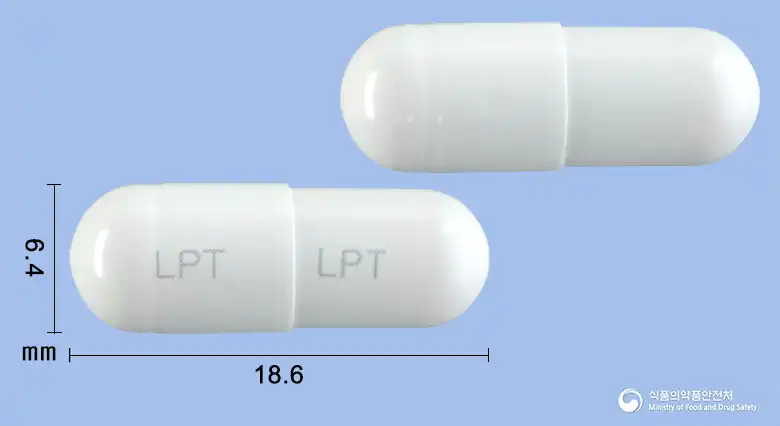
Lansoprazole 30mg
Hard capsule · Prescription medication
Samchundang Pharmaceutical Co., Ltd.
Even with the same ingredient, the dose and directions can differ by strength and dosage form. Talk to a doctor or pharmacist before switching from a medication you are already taking.
No questions yet.
For anything that needs medical judgment, consult a doctor or pharmacist.
This drug information is based on data provided by the Korea Ministry of Food and Drug Safety.
Consult a doctor or pharmacist for accurate dosage, administration, and usage instructions.