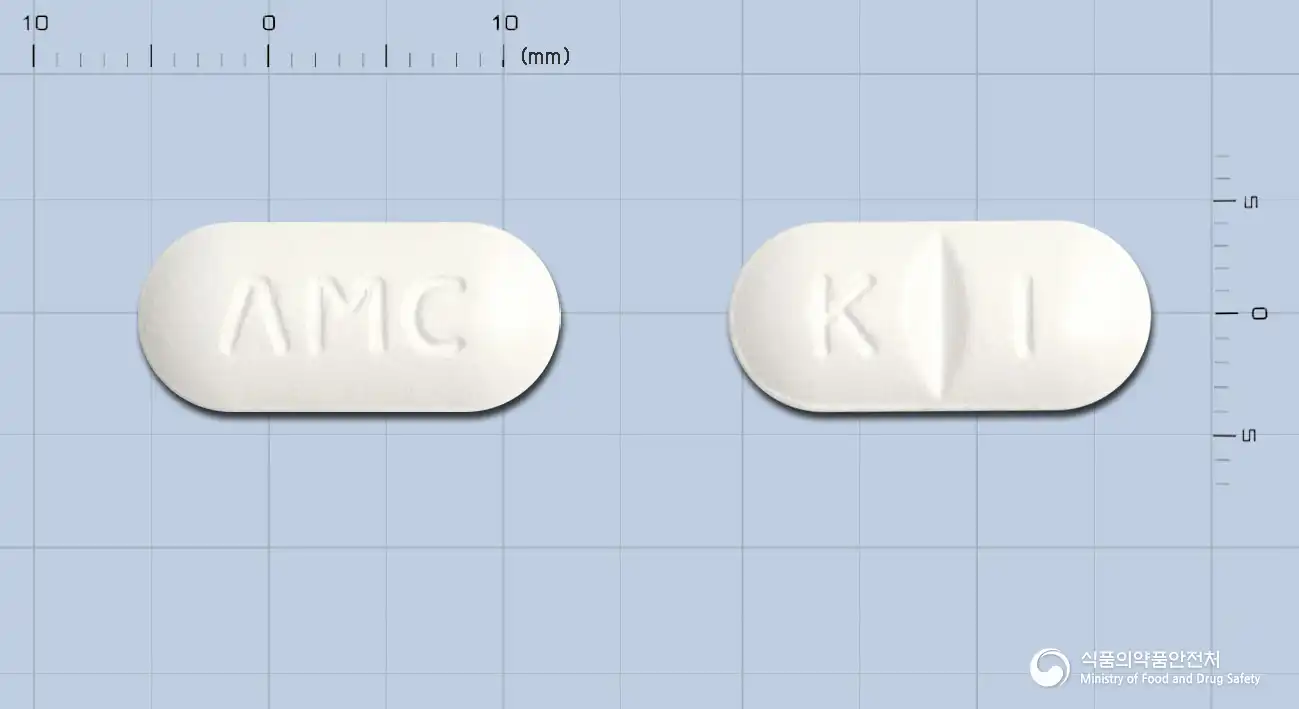
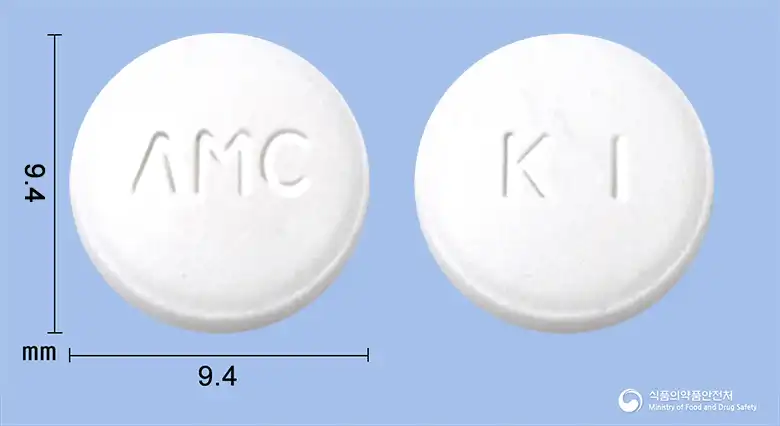
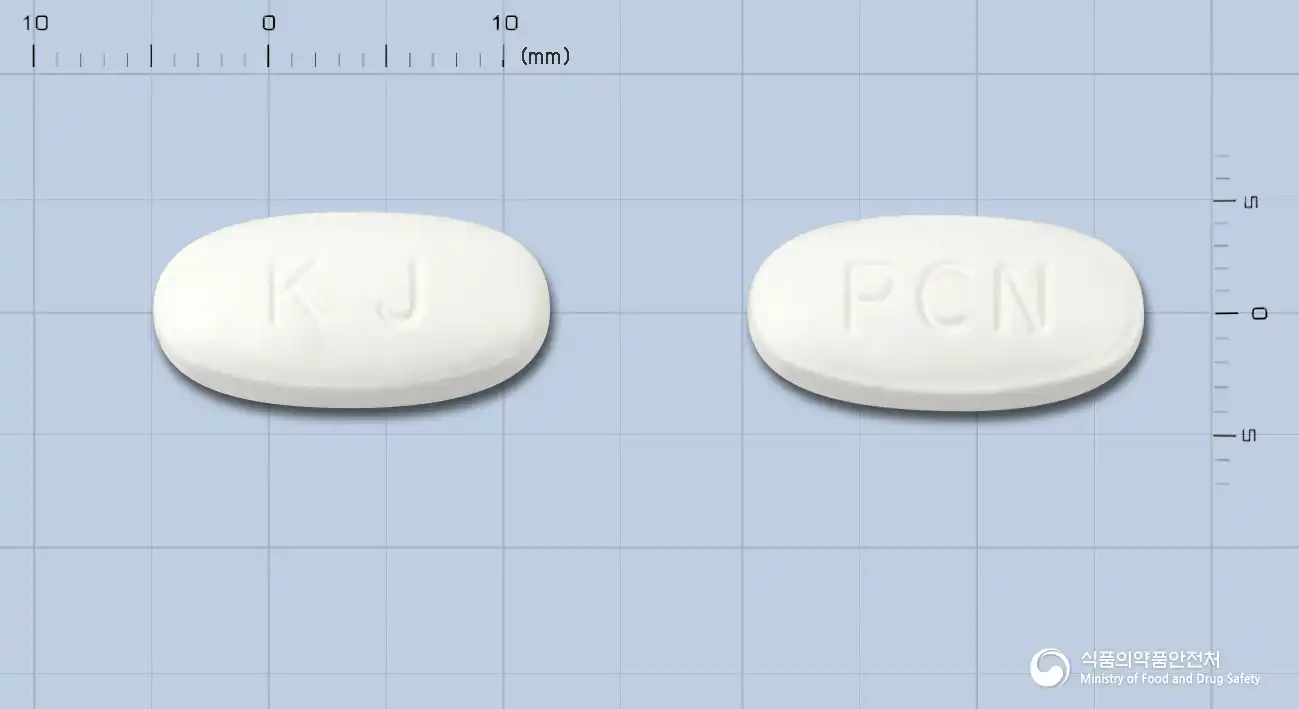
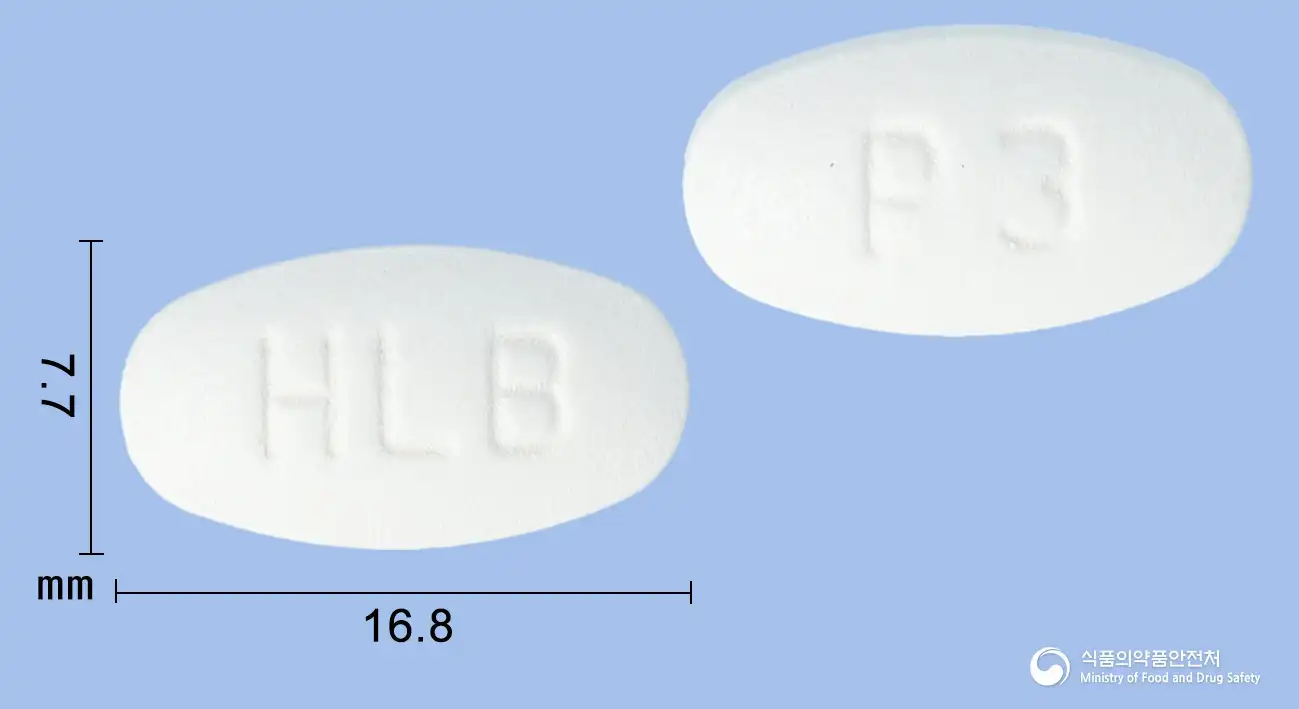
Treatment effect for recurrent (acute otitis media, acute sinusitis).
Who takes it
Children
Child dose
For pediatric patients aged over 3 months, the dosing is based on the amoxicillin content (600 mg/5 mL) which is 90mg/kg/day divided every 12 hours. For acute otitis media, the treatment duration is 10 days; for acute sinusitis, it's 7 days.
Treatment effect for recurrent (acute otitis media, acute sinusitis).
Acute otitis media
acute sinusitis
View approved original textHide original text
This medication is effective against bacteria such as Streptococcus pneumoniae, Haemophilus influenzae, and Moraxella catarrhalis. It is particularly used for the treatment of recurrent or persistent acute otitis media and acute sinusitis in pediatric patients. However, the treatment targets children under 2 years old or those who have attended daycare and have had antibiotic exposure within the past three months. This medication helps effectively treat infections and improve symptoms.
How to take
Child dose
For pediatric patients aged over 3 months, the dosing is based on the amoxicillin content (600 mg/5 mL) which is 90mg/kg/day divided every 12 hours. For acute otitis media, the treatment duration is 10 days; for acute sinusitis, it's 7 days.
Precautions
This medication is a beta-lactam antibiotic and should not be administered to patients with a history of allergy or hypersensitivity to penicillin or cephalosporin drugs. It is particularly advisable not to use this medication in patients with infectious mononucleosis or lymphocytic leukemia due to a higher risk of rash. Patients who have experienced jaundice or liver function disorders from this drug or penicillin in the past should also be cautious due to the risk of recurrence. This medication contains lactose, so patients with genetic issues such as lactose intolerance, lactose dehydrogenase deficiency, or glucose-galactose malabsorption should avoid it. Patients with impaired liver or kidney function may have prolonged retention of the drug in the body, leading to side effects, requiring dose adjustments or changes in dosing intervals. Patients with allergic tendencies or symptoms such as bronchial asthma, rash, or urticaria should use this medication with caution. Patients exhibiting gastrointestinal symptoms like vomiting or diarrhea, the elderly, and those in poor overall condition should also be administered this drug with caution. This medication is generally safe but can cause side effects like diarrhea, vomiting, skin rash, and contact dermatitis, so consult a doctor if any abnormal symptoms occur. Rare side effects such as liver dysfunction, blood disorders, kidney issues, hypersensitivity reactions, and central nervous system abnormalities have been reported, thus regular testing may be necessary. Serious gastrointestinal diseases such as pseudomembranous colitis may occur during antibiotic use, so if there is severe diarrhea or abdominal pain, the medication should be stopped immediately and healthcare providers notified. This medication is ineffective against viral infections and should only be used for bacterial infections; the prescribed duration and dosage must be strictly adhered to. Pregnant or breastfeeding women should use this medication cautiously after consulting a physician, particularly avoiding it in early pregnancy. The use in infants younger than 3 months is generally not recommended as safety has not been established. Shake before use, refrigerate after preparation, and finish within 7 days. Overdosage may result in symptoms such as vomiting, diarrhea, interstitial nephritis, renal failure, and seizures, requiring immediate medical attention. There may be interactions with other drugs, so inform the doctor or pharmacist if other medications are being taken. This medication should be stored out of reach of children, away from direct sunlight, and in a dry place at or below 25 degrees Celsius.
Side effects and when to seek care immediately
Serious side effects
Urticaria, severe swelling (edema), chest tightness, difficulty breathing, cold sweat, pallor, severe rash with high fever, blisters, skin peeling, pain in oral/ocular mucous membranes, shortness of breath or difficulty breathing, asthma attacks, respiratory abnormalities accompanied by cough + fever, yellowing of the skin or eyes (jaundice), extreme fatigue, sudden and very severe headaches, lightning-like headaches, seizures, confusion, blurred vision, paralysis, urine
Not everyone experiences these, and they can vary from person to person.
Storage
This medication should be stored in a tightly sealed container to prevent air and moisture from entering, preferably in a cool and dry place at or below 25 degrees Celsius. Proper storage will help maintain the medication's efficacy for a longer time.
Appearance and packaging
Appearance
A syrup that dissolves when used, in the form of a white or pale yellow powder.
Package unit
50mL/bottle
Same-ingredient medicines
Even with the same ingredient, strength, dosage form and how it is taken can differ.
Even with the same ingredient, the dose and directions can differ by strength and dosage form. Talk to a doctor or pharmacist before switching from a medication you are already taking.
Questions about this medicine
No questions yet.
For anything that needs medical judgment, consult a doctor or pharmacist.
This drug information is based on data provided by the Korea Ministry of Food and Drug Safety. Consult a doctor or pharmacist for accurate dosage, administration, and usage instructions.

 한국어
한국어 English
 日本語
日本語 中文(简体)