
 한국어
한국어 English
 日本語
日本語 中文(简体)
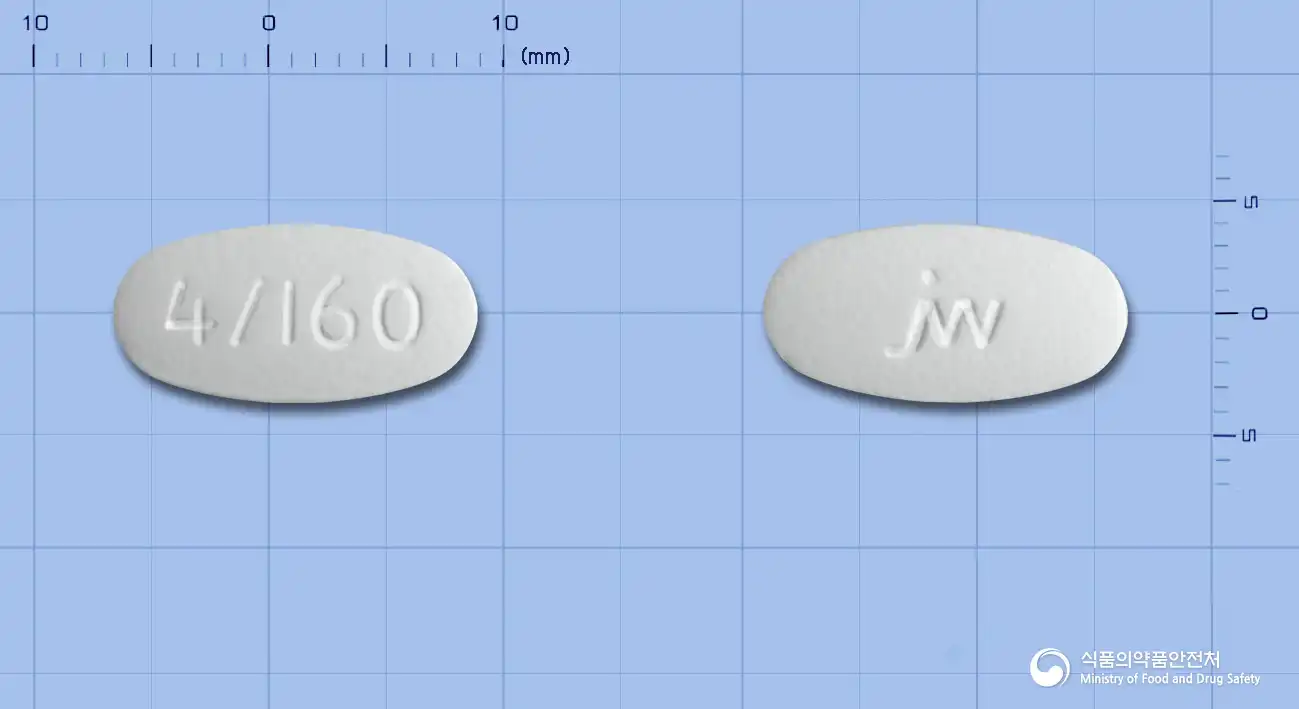 Viewing nowCombination
Rivaroxaban 4/160 mg
Pitavastatin Calcium Hydrate 4mg · Valsartan 160mg
Tablet · Prescription medication · Combination
JW Pharmaceutical Corp.
MFDS item code 201500964 · Approved 2015.02.25 · Insurance code 644913930
Treatment of hypercholesterolemia (dyslipidemia) and hypertension
This medication is prescribed only for patients who need to use both Pitavastatin Calcium and Valsartan. Pitavastatin Calcium helps to improve cholesterol levels in patients with hypercholesterolemia and mixed dyslipidemia. It specifically lowers total cholesterol, bad LDL cholesterol, apo-B protein, and triglycerides, while increasing good HDL cholesterol levels. Valsartan is used for the treatment of essential hypertension and is also effective in heart failure patients who show intolerance to ACE inhibitors. Additionally, it helps to reduce the risk of death in patients with decreased left ventricular function following myocardial infarction. By using these two medications together, blood pressure and cardiovascular health, as well as cholesterol management can be effectively improved.
Rivaroxaban 4/160 mg should be administered to adults only, taken orally once a day after breakfast. Pitavastatin Calcium should be started at an initial dose of 1-2 mg once a day; if the effect is insufficient, it may be increased to a maximum of 4 mg a day. For Valsartan, an oral dose of 80 mg once a day is recommended for the treatment of essential hypertension, and if blood pressure control is not sufficient, it may be increased to 160 mg a day.
Safety and efficacy have not been established in children and adolescents under 18 years of age; hence it should not be administered.
This medication can cause serious harm to a fetus and newborn if taken during pregnancy; therefore, if pregnancy is confirmed, use should be stopped immediately. It should not be used in women who are allergic to this medication or its components, or who are pregnant or breastfeeding, or in patients with severe liver dysfunction or severe kidney impairment, or patients with certain genetic diseases. Caution should be exercised when prescribing to the elderly, patients with hyperkalemia, patients with a history of liver disorders, and patients with heart disease, as blood pressure may drop rapidly. Side effects such as muscle pain, weakness, dyspepsia, headache, and dizziness may occur during the use of this medication; if symptoms are severe or persistent, consultation with a doctor is necessary. Regular liver and kidney function tests should be conducted; if abnormal signs are detected, use should be stopped immediately and healthcare personnel notified. Particularly, if muscle-related symptoms or abnormalities in blood tests appear, serious conditions such as rhabdomyolysis should be suspected and monitored closely. When taking this medication with other drugs, interactions may occur, so consultation with a doctor or pharmacist is essential; it is safer not to combine it with certain medications. The safety of this medication has not been established in children; therefore, it should not be used in children, and the elderly should start with a low dose and take it carefully. In the case of overdose, severe symptoms such as hypotension and decreased consciousness can occur, so immediate medical attention should be sought for appropriate treatment. For storage, keep it out of reach of children and do not transfer to another container.
Not everyone experiences these, and they can vary from person to person.
This medication is sensitive to light, so it should be stored in a container that does not let in light. It is also advisable to store it at room temperature between 1 and 30 degrees Celsius.
White oval film-coated tablet
30 tablets (6 tablets/PTP x 5)
Even with the same ingredient, strength, dosage form and how it is taken can differ.
Viewing nowCombinationPitavastatin Calcium Hydrate 4mg · Valsartan 160mg
Tablet · Prescription medication · Combination
JW Pharmaceutical Corp.
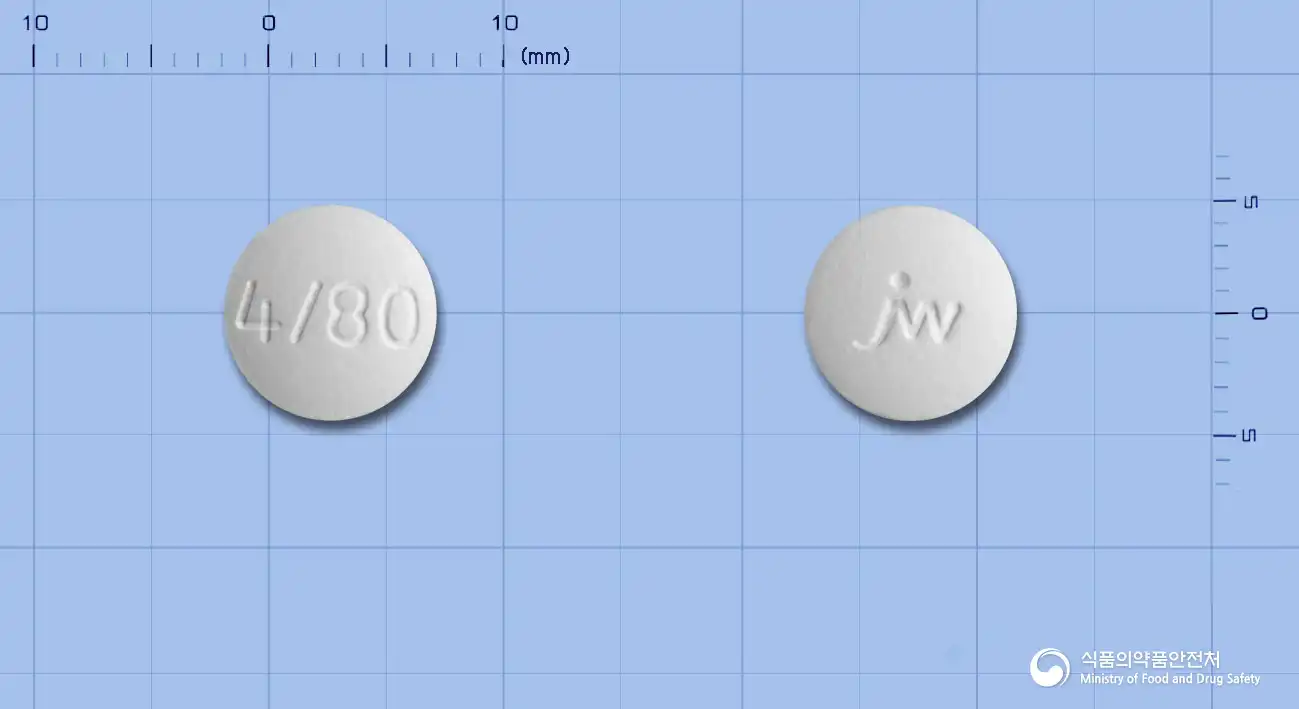 Combination
Pitavastatin Calcium Hydrate 4mg · Valsartan 80mg
Tablet · Prescription medication · Combination
JW Pharmaceutical Co., Ltd.
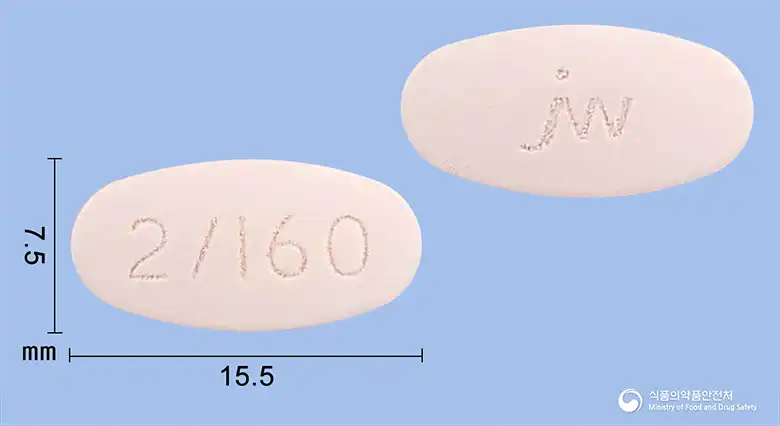 Combination
Pitavastatin Calcium Hydrate 2mg · Valsartan 160mg
Tablet · Prescription medication · Combination
JW Pharmaceutical Corp.
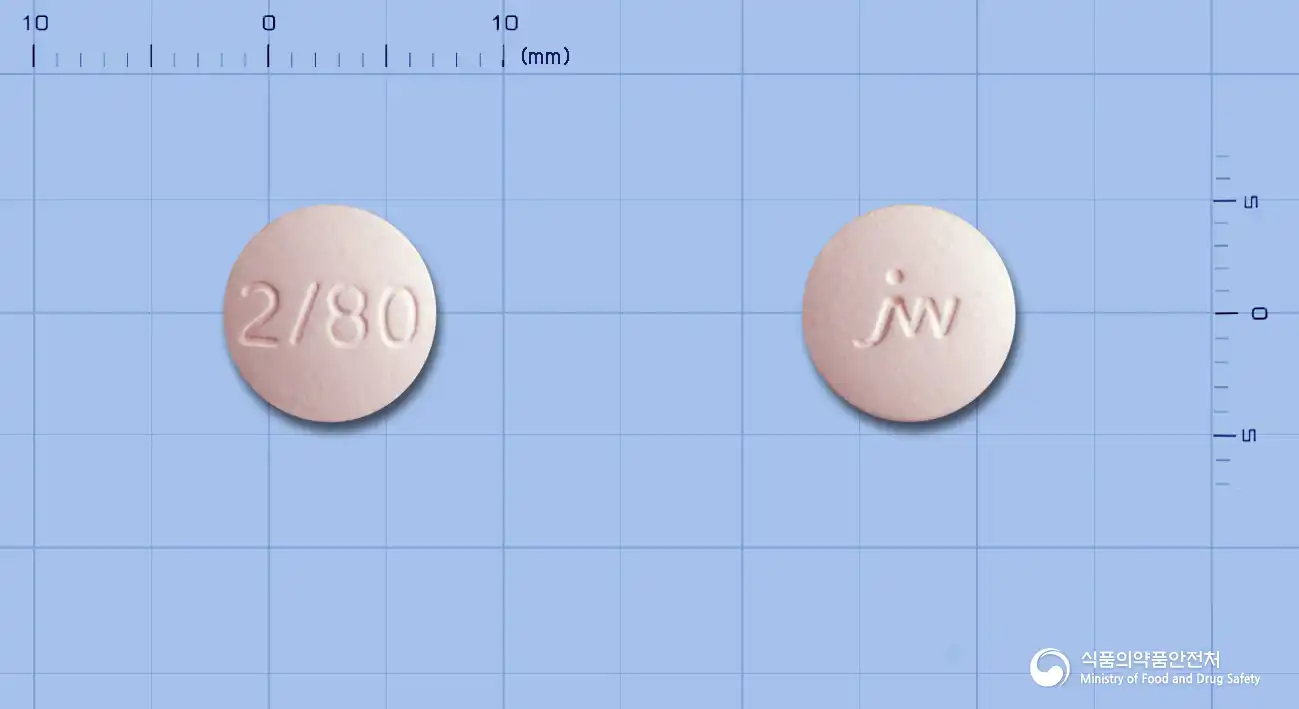 Combination
Pitavastatin Calcium Hydrate 2mg · Valsartan 80mg
Tablet · Prescription medication · Combination
JW Pharmaceutical Corp.
Even with the same ingredient, the dose and directions can differ by strength and dosage form. Talk to a doctor or pharmacist before switching from a medication you are already taking.
No questions yet.
For anything that needs medical judgment, consult a doctor or pharmacist.
This drug information is based on data provided by the Korea Ministry of Food and Drug Safety.
Consult a doctor or pharmacist for accurate dosage, administration, and usage instructions.