
 한국어
한국어 English
 日本語
日本語 中文(简体)
 Viewing now
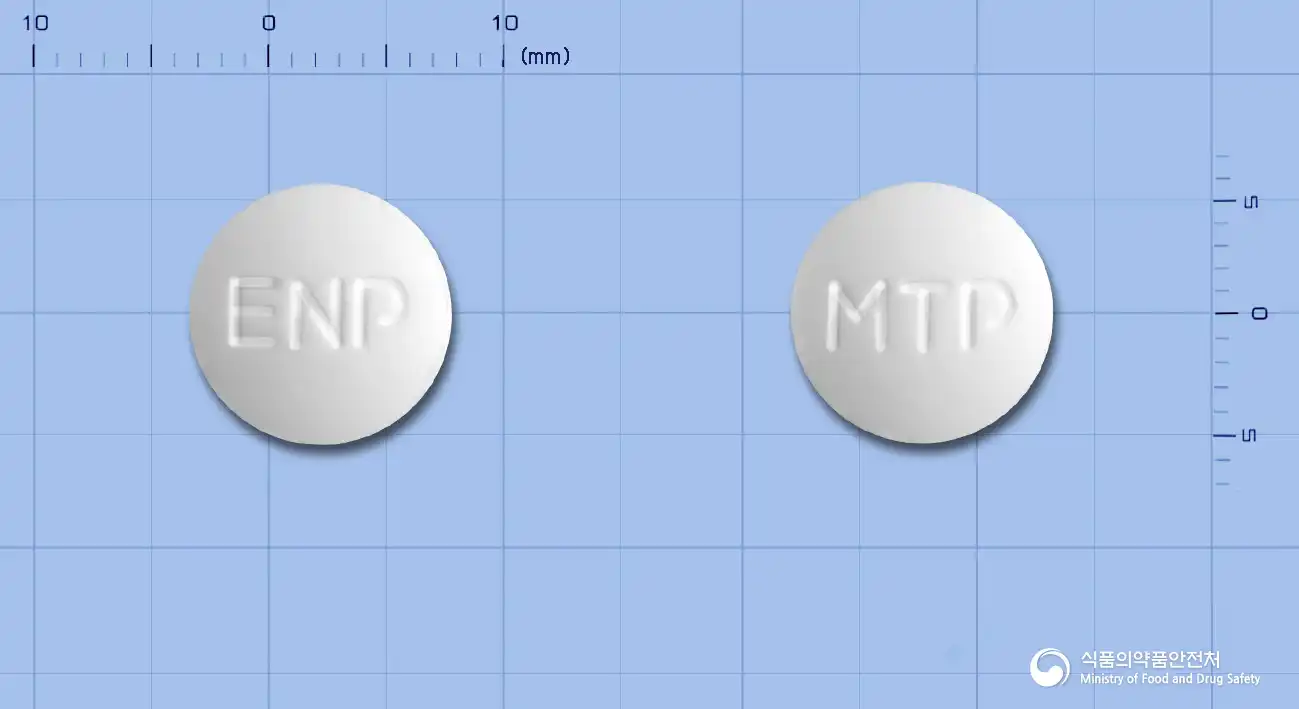
Metformin 500 mg Tablets (Metformin Hydrochloride)
Metformin Hydrochloride 500mg
Tablet · Prescription medication
Eden Pharma Co., Ltd.
MFDS item code 201405856 · Approved 2014.12.11 · Insurance code 628900370
Improvement of type 2 diabetes (blood sugar control)
This medication is used to treat patients with type 2 diabetes whose blood sugar control is insufficient with diet and exercise alone, particularly in overweight patients. In adults, it can be used alone or in combination with other oral hypoglycemics or insulin. It can also be used safely in pediatric patients over 10 years old and adolescents in growth, either as monotherapy or in combination with insulin. This medication effectively controls blood sugar and aids in diabetes management.
In adults, the dosage should be determined based on individual drug effectiveness and tolerance, without exceeding the recommended maximum daily dose. It should begin at a low dose and be taken 2 to 3 times a day, with 500 mg with meals. The dosage should be gradually increased by 500 mg weekly, and when taking up to 2000 mg, it is typically administered twice a day, in the morning and evening. If exceeding 2000 mg, it should be divided into three doses with meals, and a maximum of 2550 mg per day can be given. To determine treatment response and establish a minimum effective dose, fasting blood sugar should be measured at the start and at dosage adjustments. Hemoglobin A1c should be measured approximately every three months. The therapeutic goal of this medication is to reduce fasting blood sugar and hemoglobin A1c levels to normal or close to normal with either monotherapy or in combination with sulfonylureas or insulin, using the minimum effective dose. Generally, when patients who were previously able to control their blood sugar with diet alone temporarily cannot manage their blood sugar, short-term administration of this medication can produce sufficient effects. In pediatric patients and adolescents in growth, this medication may be used in those over 10 years. The standard starting dose is 500 mg once a day, administered during or after meals. After one week, blood sugar levels should be measured to adjust the dosage. Gastrointestinal side effects may improve with gradual dose increases. The maximum daily dose is 2000 mg, divided into 2 to 3 doses.
Children over 10 years and adolescents should take 500 mg once a day with or after meals. After one week, the dosage should be adjusted according to blood sugar levels, with a maximum daily dose of 2000 mg.
This medication potentially carries a risk of severe lactic acidosis or hypoglycemia, thus caution is needed. It should not be used in patients with moderate to severe kidney impairment, dehydration, serious infections, or cardiovascular issues. Acute heart failure or patients undergoing specific imaging tests using iodinated contrast should also avoid this medication and must discontinue use for a certain period before and after the test. It is not to be given to individuals with hypersensitivity to this drug, patients with type 1 diabetes, or metabolic acidosis. Temporary discontinuation of this medication is necessary in cases of severe infection, trauma, or surrounding surgery, and it should only be restarted after kidney function is normalized. Caution is also required for patients with malnutrition, liver dysfunction, lung dysfunction, or excessive alcohol consumption when using this medication. This medication can cause lactic acidosis, a rare but fatal side effect, so if symptoms such as malaise, muscle pain, difficulty breathing, or abdominal pain occur, medical assistance should be sought immediately. Gastrointestinal side effects such as diarrhea, nausea, and vomiting may occur, but these symptoms are typically temporary. Since this medication is excreted via the kidneys, kidney function should be regularly monitored to manage the risk of drug accumulation, especially in elderly patients or those with decreased kidney function. There may be interactions with other medications, thus it is important to consult with healthcare professionals regarding concurrent medications. During pregnancy, it should be used when necessary with consideration of the effects on the fetus, and it must not be used if there is a risk of placental insufficiency or pre-eclampsia. While breastfeeding, as this medication is secreted in breast milk, careful consideration must be given regarding breastfeeding and drug treatments. Special attention is needed for children and the elderly, and dosage adjustments and monitoring of kidney function are crucial. In the case of overdose, blood dialysis may be required, and medical assistance should be sought immediately. Alcohol consumption should be avoided while on this medication, and blood sugar levels should be regularly monitored. Patients and their families should be adequately informed regarding the side effects and precautions associated with this medication so that any unusual symptoms can prompt immediate visits to healthcare facilities.
Lactic acidosis (malaise, muscle pain, difficulty breathing, weakness, abdominal pain, low body temperature, hypotension, resistant bradyarrhythmias included), severe allergic reactions (e.g., rash), severe edema or urinary abnormalities (significant reduction in urine output, severe systemic swelling), liver issues (jaundice in skin or eyes, extreme lethargy throughout the body), hypoglycemia (severe delayed type), serious neurological symptoms (sudden and very severe headaches, thunderclap headache, seizures, loss of consciousness)
Gastrointestinal symptoms (diarrhea, nausea, vomiting, abdominal distension, loss of appetite, dyspepsia, constipation, abdominal pain), metallic taste, rash, anemia, leukopenia, thrombocytopenia, vitamin B12 deficiency, liver dysfunction, symptoms of hypoglycemia (rarely severe)
Not everyone experiences these, and they can vary from person to person.
This medication should be stored in a tightly sealed container to prevent air from entering, and it is best kept at room temperature between 1 and 30 degrees Celsius. Storing it this way maintains the effectiveness of the medication and prevents deterioration.
White round film-coated tablet
500 tablets per bottle
Even with the same ingredient, strength, dosage form and how it is taken can differ.
Viewing nowMetformin Hydrochloride 500mg
Tablet · Prescription medication
Eden Pharma Co., Ltd.
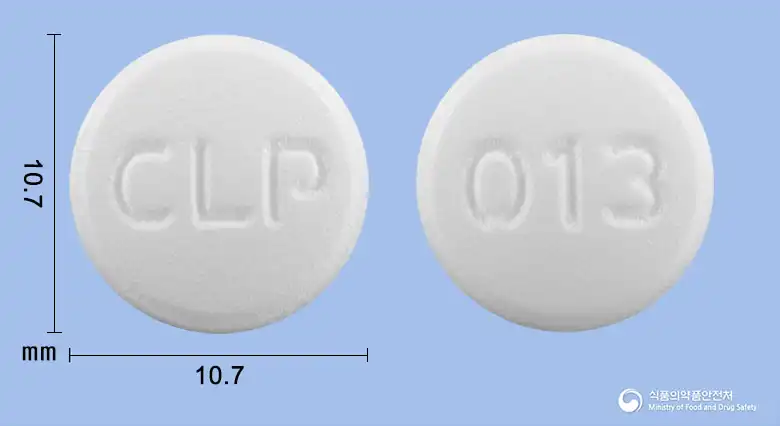
Metformin Hydrochloride 500mg
Tablet · Prescription medication
(Celltrion Pharmaceuticals)

Metformin Hydrochloride 500mg
Tablet · Prescription medication
(Daewoong Pharmaceutical)
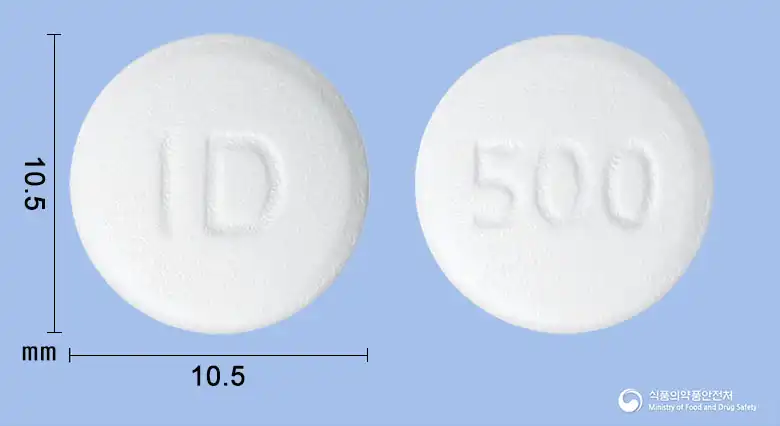
Metformin Hydrochloride 500mg
Tablet · Prescription medication
(Ildong Pharmaceutical Co., Ltd.)

Metformin Hydrochloride 500mg
Tablet · Prescription medication
(Ilseong IS Co., Ltd.)
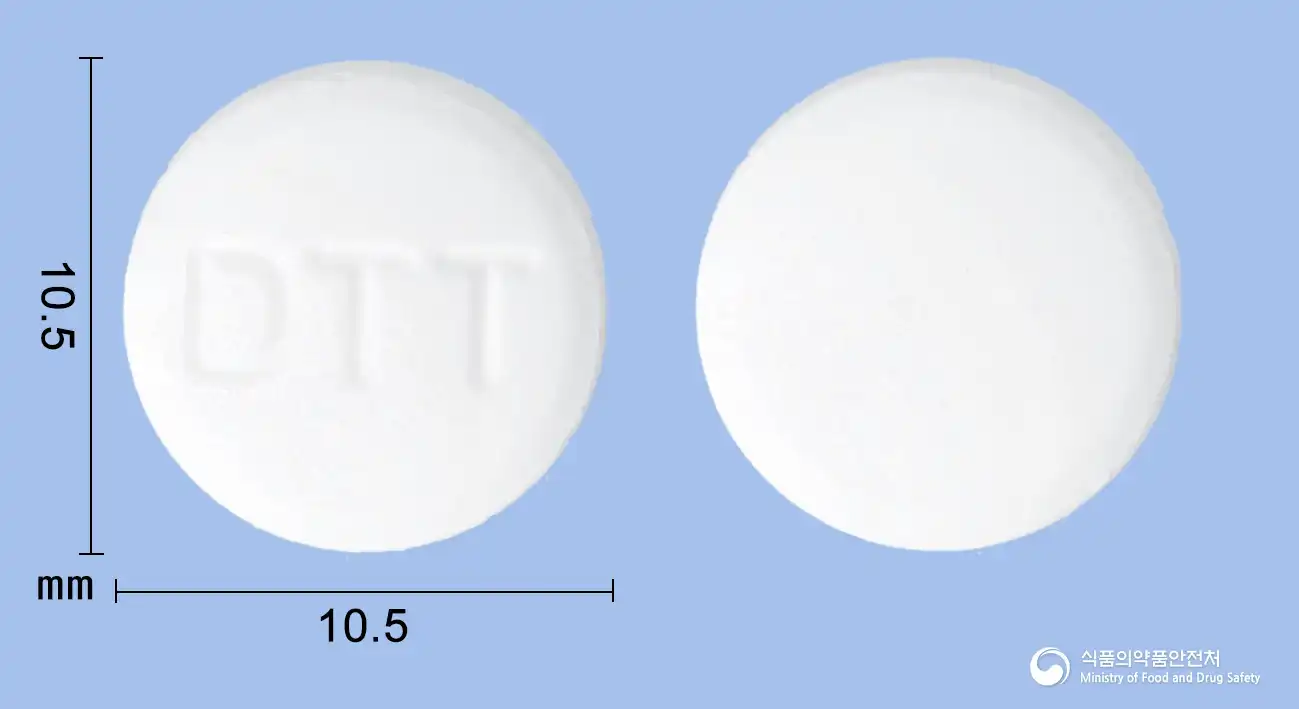
Metformin Hydrochloride 500mg
Tablet · Prescription medication
(Kyungdong Pharmaceutical Co., Ltd.)
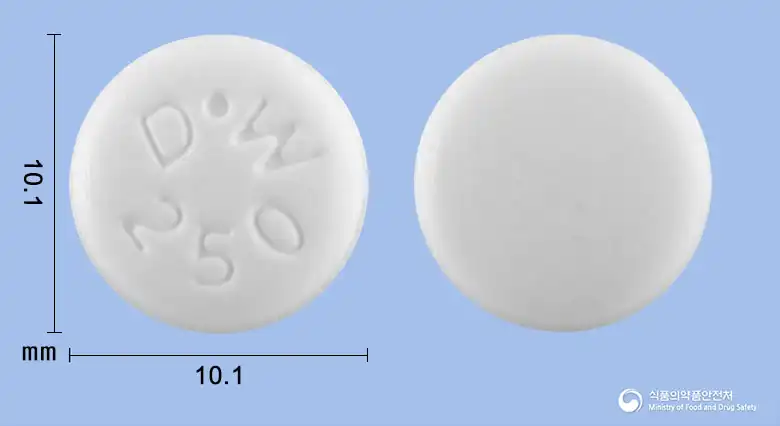
Metformin Hydrochloride 250mg
Tablet · Prescription medication
(Daewoong Pharmaceutical)

Metformin Hydrochloride 500mg
Tablet · Prescription medication
(Youngpoong Pharmaceutical Co., Ltd.)
Even with the same ingredient, the dose and directions can differ by strength and dosage form. Talk to a doctor or pharmacist before switching from a medication you are already taking.
No questions yet.
For anything that needs medical judgment, consult a doctor or pharmacist.
This drug information is based on data provided by the Korea Ministry of Food and Drug Safety.
Consult a doctor or pharmacist for accurate dosage, administration, and usage instructions.