
 한국어
 English
 日本語
 中文(简体)
Summary
- Main use
- Relief of cold symptoms (such as runny nose, nasal congestion, and cough)
- Who takes it
- Adults
- Adult dose
- Adults (15 years of age and older): Usually, take 2 capsules per dose 3 times daily, 30 minutes after meals.
Ingredients
- Acetaminophen158mg / 1 capsule
- Chlorpheniramine Maleate1.25mg / 1 capsule
- Pseudoephedrine Hydrochloride15mg / 1 capsule
- Dextromethorphan Hydrobromide Hydrate7.5mg / 1 capsule
- Potassium Guaiacolsulfonate30mg / 1 capsule
- Ascorbic Acid25mg / 1 capsule
- Anhydrous Caffeine10mg / 1 capsule
- Galgeuntang Dried Extract (10→1)83.4mg / 1 capsule
- Manufacturer
- HANPOONG PHARM. Co., Ltd.
- Manufacturer
- HANPOONG PHARM. Co., Ltd.
Efficacy & effects
Relief of cold symptoms (such as runny nose, nasal congestion, and cough)
- Runny nose
- nasal congestion
- sneezing
- sore throat
- cough
- phlegm
- chills
- fever
- headaches
- joint pain
- muscle pain
View approved original textHide original text
This medication is used to relieve various symptoms of the common cold such as runny nose, nasal congestion, sneezing, sore throat, cough, and phlegm, as well as uncomfortable symptoms like chills, fever, headaches, joint pain, and muscle pain.
How to take
Adult dose
Adults (15 years of age and older): Usually, take 2 capsules per dose 3 times daily, 30 minutes after meals.
Precautions
This medication can put a burden on the liver, so individuals who regularly drink more than three cups of alcohol daily should consult a doctor or pharmacist before use. The ingredients in this medication can rarely cause serious skin reactions; therefore, if skin rash or hypersensitivity reactions occur, one must stop taking the medication immediately and consult a professional. This medication contains acetaminophen, so care must be taken not to exceed the maximum daily dosage, and it should not be taken simultaneously with other products containing acetaminophen. Additionally, the pseudoephedrine ingredient in this medication can rarely cause severe skin adverse reactions, so if fever or skin changes occur, one should stop taking the medication and consult a professional. This medication is not safe for individuals with a specific allergic constitution or a history of hypersensitivity, infants under three months old, those taking specific medications, or individuals with severe hypertension or kidney disease. Individuals allergic to the dye included in this medication should take caution, and it is advisable not to take multiple medications simultaneously such as cough medicines, cold medicines, or sedatives. Children suspected of having chickenpox or influenza, individuals with allergies, liver or kidney disease, and pregnant or breastfeeding women should consult a professional before use. If symptoms like rash, itching, vomiting, swelling, dizziness, or insomnia occur during use, one must stop taking the medication immediately and consult medical personnel, and severe allergic reactions or respiratory distress, and signs of liver dysfunction should be carefully monitored. Children under two years old should not use this medication except in special cases, and the prescribed dosage and administration must be strictly followed. Do not use for an extended period, avoid alcohol during use, and due to the possibility of drowsiness, refrain from driving or operating machinery. Additionally, when taking this medication with certain diuretics or medications containing licorice, there may be a risk of side effects, so caution is required, and when taken with specific antibiotics, it should be done according to a professional's instructions. Finally, this medication should be stored out of reach of children and kept in a cool and dry place away from direct sunlight, and it is important not to transfer it to another container to maintain quality.
Side effects
Liver damage, acute generalized exanthematous pustulosis, Stevens-Johnson syndrome, toxic epidermal necrolysis, skin rash, hypersensitivity reaction, fever, erythema, multiple small pustules, rash, redness, itching, nausea, vomiting, loss of appetite, constipation, edema, dysuria, thirst, dizziness, anxiety, tremors, insomnia, hyperkalemic metabolic acidosis, shock, urticaria, chest tightness, pallor, coldness of hands and feet, cold sweat, difficulty breathing, mucosal syndrome, blisters resembling burns, asthma, liver dysfunction, generalized lethargy, jaundice, interstitial pneumonia, cough, shortness of breath, dyspnea, fever, primary hyperaldosteronism, decreased urine output, swelling of the face and hands, heaviness of eyelids, hand stiffness, increased blood pressure, headache, myopathy, weakness, limb cramps, paralysis, reversible posterior leukoencephalopathy syndrome, reversible cerebral vasoconstriction syndrome, sudden severe headache, thunderclap headache, confusion, seizures, visual disturbances
Not everyone experiences these, and they can vary from person to person.
Interactions
Drug interactions
Do not take this medication with other products containing acetaminophen, MAO inhibitors, cough suppressants, other cold medications, antipyretic analgesics, sedatives, and antihistamines. This medication should not be used within two weeks of discontinuing an MAO inhibitor. Caution is also needed for individuals taking barbiturates, tricyclic antidepressants, and alcohol.
Food interactions
This medication may interact with potassium-containing agents, glycyrrhizin or its salt-containing agents.
Storage
This medication should be stored in a sealed container to prevent air or moisture from entering. It is also important to keep it at room temperature between 1 and 30 degrees Celsius, avoiding extremes of heat or cold.
Appearance and packaging
Appearance
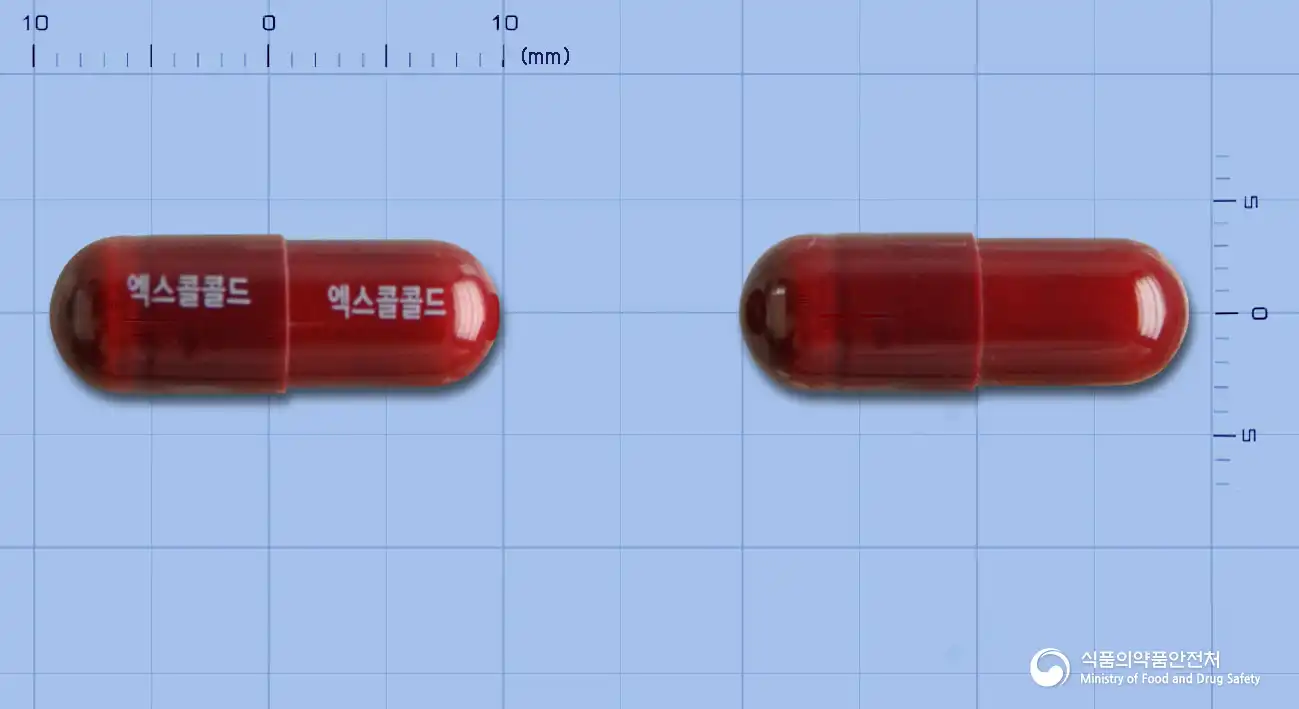
A light brown powder contained in a reddish-brown capsule, both upper and lower parts.
Package unit
10 capsules/box [10 capsules/PTP x 1]
Questions about this medicine
No questions yet.
For anything that needs medical judgment, consult a doctor or pharmacist.