
 한국어
한국어 English
 日本語
日本語 中文(简体)
 Viewing now
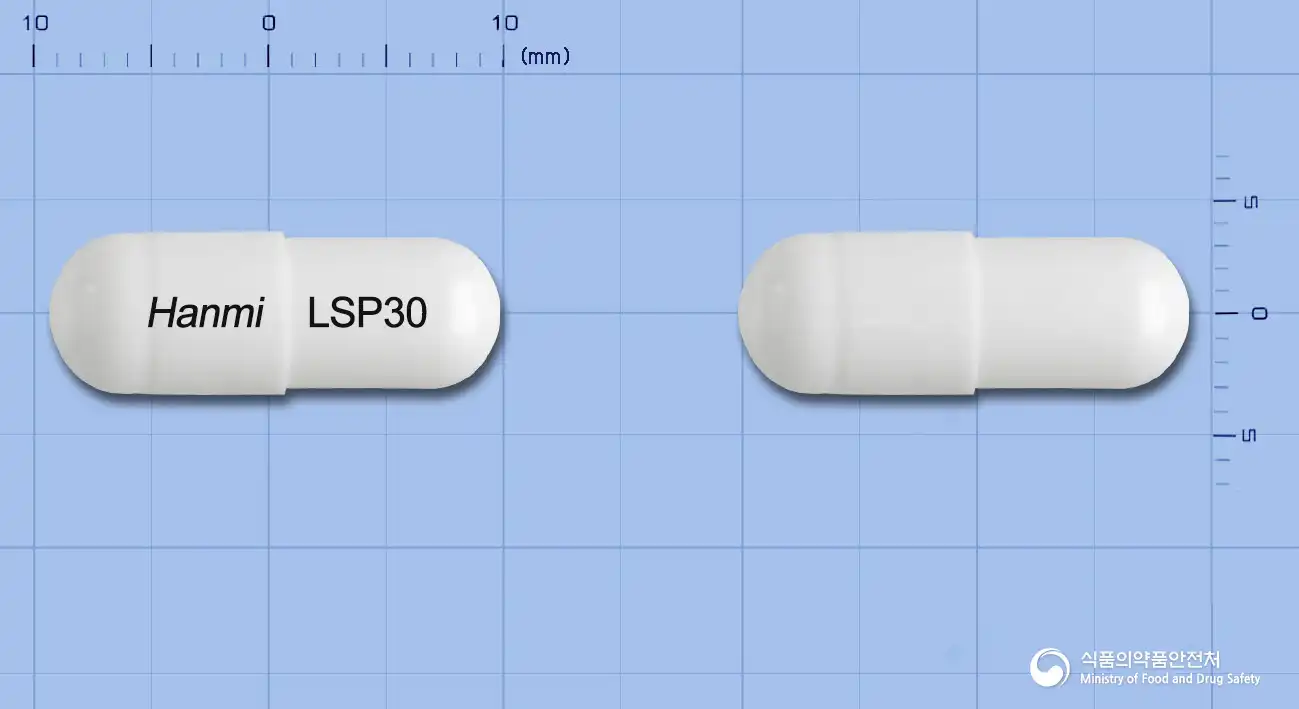
lansoprazole capsule 30 mg (lansoprazole)
Lansoprazole 30mg
Hard capsule · Prescription medication
Hanmi Pharmaceutical Co., Ltd.
MFDS item code 201405516 · Approved 2014.11.25 · Insurance code 643507020
Treatment of duodenal ulcers and gastric ulcers (active, NSAID-induced), eradication of Helicobacter pylori, treatment and maintenance of gastroesophageal reflux disease (including erosive), and suppression of hypersecretion.
This medication is used for the short-term treatment of active duodenal ulcers and active benign gastric ulcers. It is also effective for the eradication of Helicobacter pylori to prevent the recurrence of duodenal ulcers. After treatment, it helps to prevent the recurrence of symptoms through maintenance therapy for duodenal ulcers. It is also utilized in the treatment of gastric ulcers induced by non-steroidal anti-inflammatory drugs and in reducing the risk of occurrence. It aids in the short-term treatment of gastroesophageal reflux disease and erosive esophagitis, as well as maintenance therapy after treatment. Finally, it is used to improve pathological hypersecretion states, including Zollinger-Ellison syndrome.
This medication should be taken before meals. 1. Short-term treatment of active duodenal ulcer: 15 mg of lansoprazole orally once daily for 4 weeks. 2. Short-term treatment of active benign gastric ulcer: 30 mg of lansoprazole orally once daily for 8 weeks. 3. Eradication of Helicobacter pylori to prevent recurrence of duodenal ulcers. - 30 mg of lansoprazole with 250-500 mg of clarithromycin, administered twice daily (every 12 hours) for 7 days. Treatment may be extended to 14 days if necessary. 4. The method of treatment is similar for each dosage context but tailored according to individual patient needs, continuing as long as it is clinically effective.
Children and adolescents aged 12 to 17 years 1. Short-term treatment of non-erosive gastroesophageal reflux disease-related symptoms: 15 mg once daily for 8 weeks. 2. Short-term treatment of erosive esophagitis: 30 mg once daily.
This drug should not be used in patients with specific allergic reactions. For example, individuals with hypersensitivity to this drug or its components, or to benzimidazoles may experience severe allergic reactions such as anaphylaxis, angioedema, or bronchospasm, hence caution is required. Patients allergic to penicillin or macrolide antibiotics must also inform their healthcare provider before using this medication due to potential side effects when used in combination with these antibiotics. Pregnant and breastfeeding women should avoid taking this medication, and if it is necessary to take it, consultation with a healthcare professional is advisable before discontinuing breastfeeding. Patients with liver dysfunction, elderly patients, and those with a history of drug allergies should be more cautious when using this medication and may need regular check-ups as directed by healthcare professionals. If symptoms such as anaphylactic reactions, skin rashes, difficulty breathing, severe diarrhea, jaundice, liver dysfunction, or renal dysfunction occur while taking this medication, it should be stopped immediately and medical attention sought. Long-term use may lead to nutrient deficiencies such as vitamin B12 deficiency or hypomagnesemia, requiring regular blood tests. Additionally, this drug suppresses gastric acid secretion, which can interfere with the absorption of certain medications; therefore, if you are taking other medications, consult your pharmacist or doctor to check for interactions. Particular caution is needed when taken with HIV treatments, certain antibiotics, anticoagulants, and immunosuppressants, due to the risk of side effects from changes in drug concentrations. While taking this medication, dizziness, drowsiness, or visual disturbances may occur, so care should be taken when engaging in activities that require concentration, such as driving or operating machinery. In case of overdose, gastric lavage or treatment according to symptoms is necessary; this drug is not removed by dialysis, so immediate medical attention is critical. Lastly, keep this medication out of the reach of children, do not transfer it to other containers, and adhere strictly to the prescribed dosage and administration.
Urticaria, severe swelling, tightness in the chest, difficulty breathing, anaphylaxis (generalized rash, facial swelling, difficulty breathing, shock), severe rash accompanied by high fever, blisters, skin peeling, oral/ocular mucosal pain (toxic epidermal necrolysis, Stevens-Johnson syndrome, DRESS syndrome, acute generalized exanthematous pustulosis), shortness of breath or difficulty breathing, asthma attacks, respiratory abnormalities accompanied by cough and fever,
Headache, diarrhea, abdominal pain, nausea, vomiting, dizziness, drowsiness, insomnia, itching, rash, urticaria, swelling, fatigue, weakness, muscle pain, joint pain, loss of appetite, taste disturbances, thirst, belching, stomatitis, tongue disorders, gum bleeding, hair loss, dry skin, blepharitis, conjunctivitis, rhinitis, laryngeal tumors, mild shortness of breath, asthma, cough, hematological and lymphatic abnormalities (anemia, thrombocytopenia, etc.), systemic lupus erythematosus, skin redness.
Not everyone experiences these, and they can vary from person to person.
This medication should be stored in a tightly sealed container to protect it from air and moisture. The storage temperature should be maintained between 1 to 30 degrees Celsius.
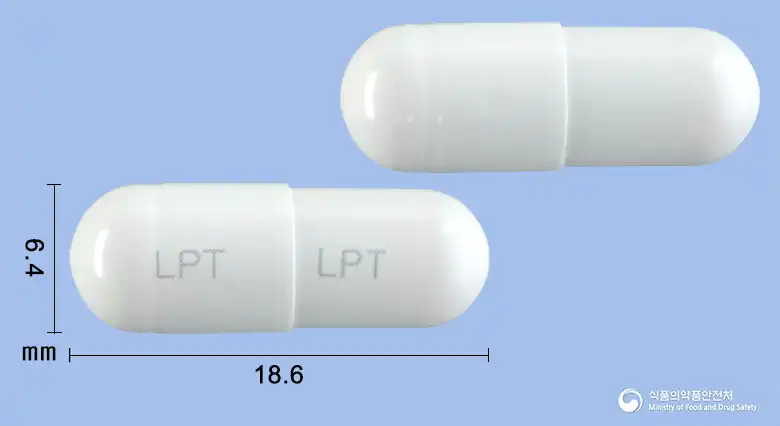
A white to light brown hard capsule containing granules.
30 capsules per bottle
Even with the same ingredient, strength, dosage form and how it is taken can differ.
Viewing nowLansoprazole 30mg
Hard capsule · Prescription medication
Hanmi Pharmaceutical Co., Ltd.
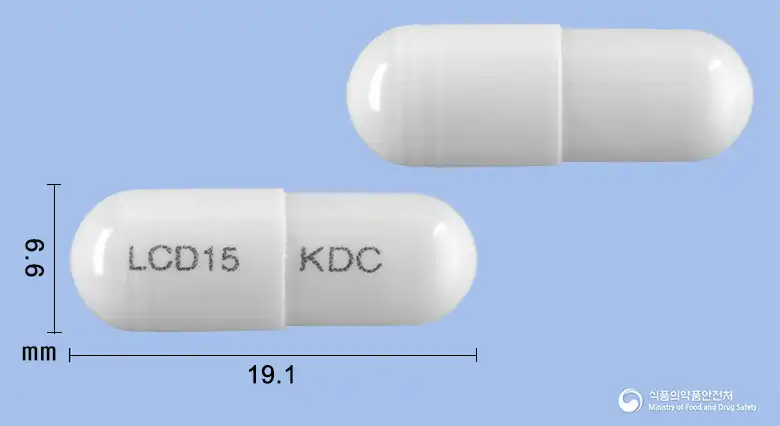
Lansoprazole 15mg
Hard capsule · Prescription medication
Korea Pharmaceutical Co., Ltd.
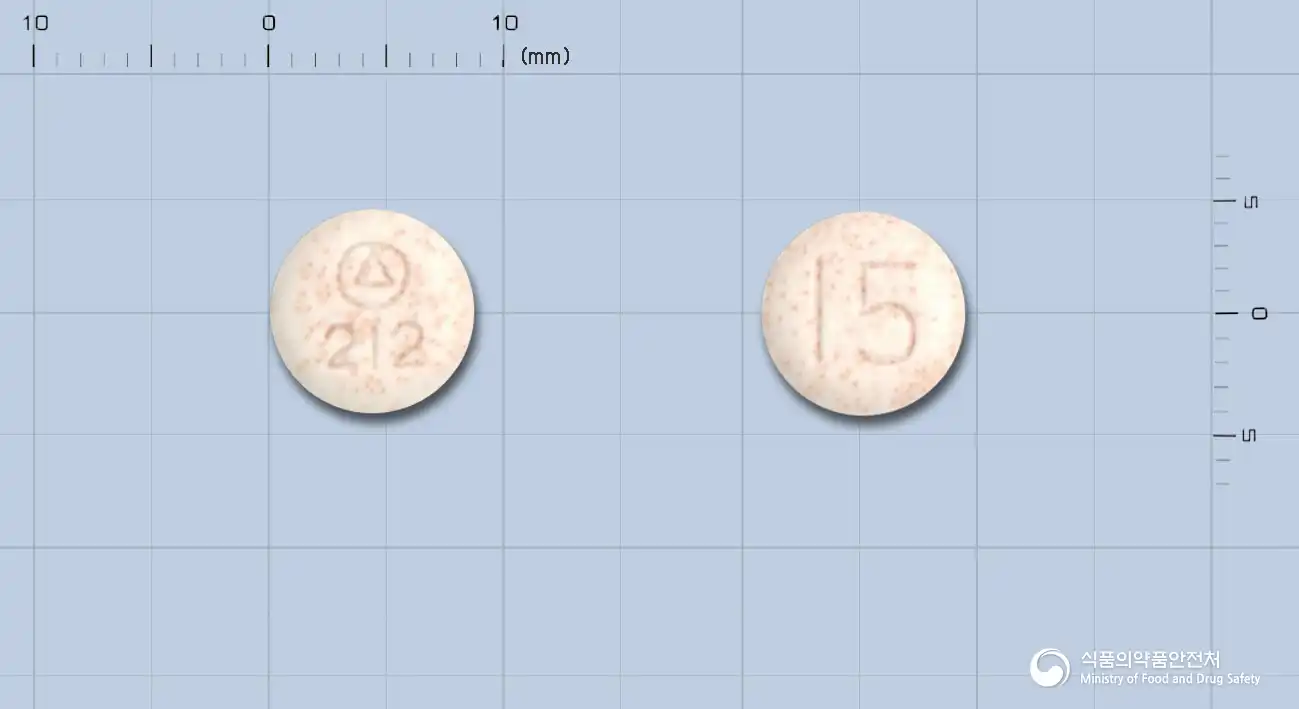
Lansoprazole 15mg
Orally disintegrating Tablet · Prescription medication
Takeda Pharmaceuticals Korea Co., Ltd.
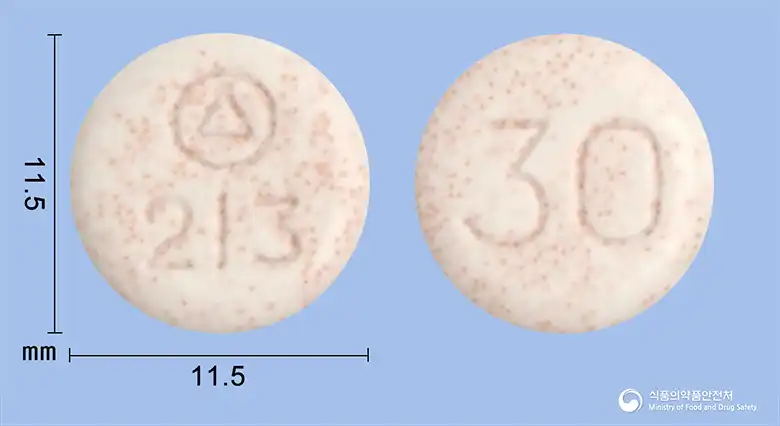
Lansoprazole 30mg
Orally disintegrating Tablet · Prescription medication
Takeda Pharmaceuticals Korea Co., Ltd.
Lansoprazole 15mg
Tablet · Prescription medication
Samil Pharmaceutical Co., Ltd.
Lansoprazole 30mg
Hard capsule · Prescription medication
Kwangdong Pharmaceutical Co., Ltd.
Lansoprazole 30mg
Hard capsule · Prescription medication
Aprogen Biologics Co., Ltd.
Lansoprazole 30mg
Hard capsule · Prescription medication
Samchundang Pharmaceutical Co., Ltd.
Even with the same ingredient, the dose and directions can differ by strength and dosage form. Talk to a doctor or pharmacist before switching from a medication you are already taking.
No questions yet.
For anything that needs medical judgment, consult a doctor or pharmacist.
This drug information is based on data provided by the Korea Ministry of Food and Drug Safety.
Consult a doctor or pharmacist for accurate dosage, administration, and usage instructions.