
 한국어
한국어 English
 日本語
日本語 中文(简体)
 Viewing now
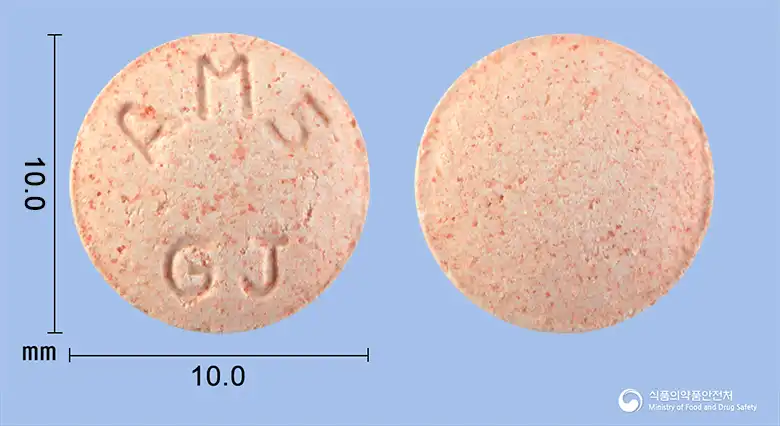
Allermont Chewable Tablet 5 mg (Montelukast Sodium)
Montelukast Sodium 5.2mg
Chewable Tablet · Prescription medication
Gujoo Pharmaceutical Co., Ltd.
MFDS item code 201405469 · Approved 2014.11.24 · Insurance code 669804500
Prevention of asthma and relief of allergic rhinitis symptoms
This medication is used to prevent the onset of asthma and to effectively treat asthma over an extended period. It also helps relieve symptoms caused by seasonal and perennial allergic rhinitis. Therefore, it is recommended as an effective treatment option for patients with asthma and allergic rhinitis.
Adults and adolescents aged 15 years and older should take 10 mg of montelukast orally once daily. This medication is taken 1 hour before or 2 hours after meals.
Children aged 6 to 14 years should take 5 mg of montelukast once daily, chewed or placed on the tongue to dissolve or melt without water. Children aged 2 to 5 years should take 4 mg of montelukast once daily, chewed or
This medication should not be used by patients who are allergic to this drug or its components. Symptoms such as fatigue, headache, abdominal pain, fever, cough, nasal congestion, and rash may occur during the use of this medication, so caution is advised. Particularly, various adverse reactions have been reported in children, adolescents, and adults, and the incidence of adverse reactions has not significantly changed with prolonged administration. This medication is not intended for the treatment of acute asthma attacks; immediate emergency treatment is required in the case of acute symptoms. Asthma patients should always carry a rescue inhaler while taking this medication, and they should avoid the abrupt discontinuation or switching of inhaled corticosteroid preparations. Neuropsychiatric symptoms such as anxiety, depression, hallucinations, and suicidal thoughts may occur during the use of this medication, so if such symptoms arise, immediate consultation with medical personnel is required. Patients with exercise-induced bronchospasm should not rely solely on this medication for treatment and should continue using inhaled beta-agonists as necessary. Patients with hypersensitivity to aspirin should avoid taking aspirin or non-steroidal anti-inflammatory drugs while on this medication, as this medication may not treat aspirin-induced bronchoconstriction. Patients taking this medication may experience rare side effects such as eosinophilia or vasculitis; if respiratory symptoms worsen or a skin rash occurs, immediate medical evaluation is necessary. No specific interaction reports have been made when combined with other medications; however, caution is required when taken with drugs that induce liver metabolism. The safety of this medication during pregnancy is not completely established, hence pregnant individuals should only take it under the supervision of a physician when necessary, and nursing mothers should also exercise caution. It can be used in pediatric and elderly patients, but the safety for infants under 6 months has not been confirmed. In the case of overdose, there is no specific antidote, hence general symptomatic treatment and clinical monitoring are necessary. This medication should be kept out of the reach of children and should not be transferred to another container. During administration, it should be taken consistently as directed by a physician, and if symptoms worsen or unusual symptoms arise, immediate consultation with medical personnel is required.
Urticaria, toxic epidermal necrolysis, Stevens-Johnson syndrome, angioedema, severe rash with high fever, blisters, skin peeling, pain in oral/ocular mucosa, difficulty breathing, asthma attack, respiratory abnormalities accompanied by cough and fever, yellowing of skin or eyes (jaundice), extreme drowsiness, sudden and severe headache, lightning-like headache, seizure, confusion of consciousness, visual disturbances, paralysis, significantly reduced urine output, generalized severe swelling
Not everyone experiences these, and they can vary from person to person.
This medication should be stored in a sealed container as it can be degraded by air, moisture, or light. Additionally, it should be kept at room temperature between 1 to 30 degrees Celsius.
Pink chewable tablets with a biconvex round shape
28 tablets (7 tablets/PTP×4)
Even with the same ingredient, strength, dosage form and how it is taken can differ.
Viewing nowMontelukast Sodium 5.2mg
Chewable Tablet · Prescription medication
Gujoo Pharmaceutical Co., Ltd.
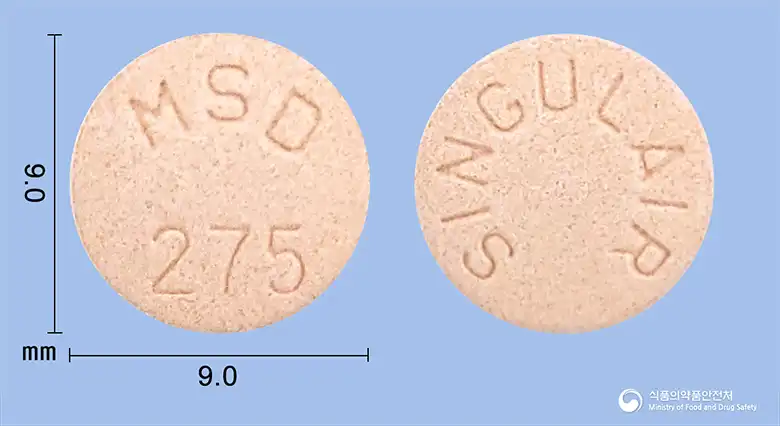
Montelukast Sodium 5.2mg
Chewable Tablet · Prescription medication
Korea Organon Co., Ltd.
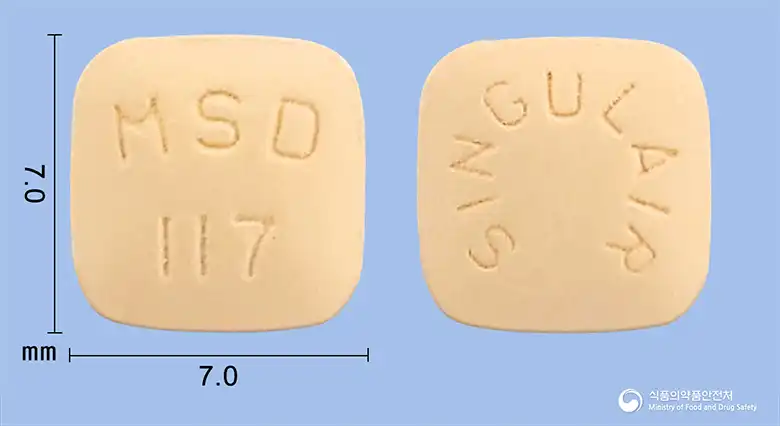
Montelukast Sodium 10.4mg
Tablet · Prescription medication
Korea Organon Co., Ltd.
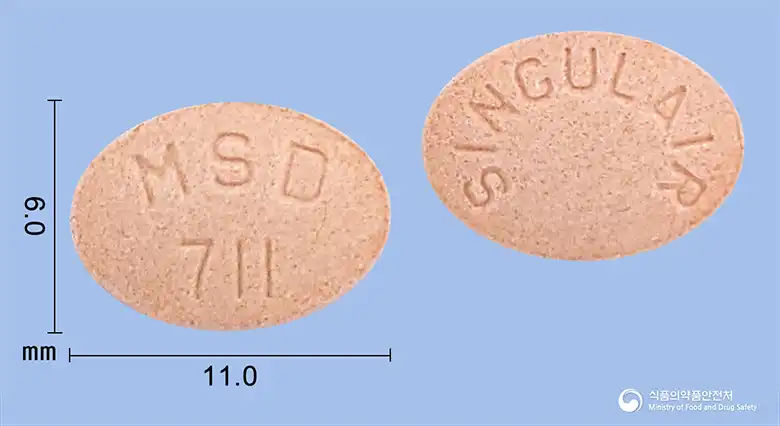
Montelukast Sodium 4.16mg
Chewable Tablet · Prescription medication
Korea Organon Co., Ltd.
Montelukast Sodium 4.16mg
Prescription medication
Korea Organon Co., Ltd.
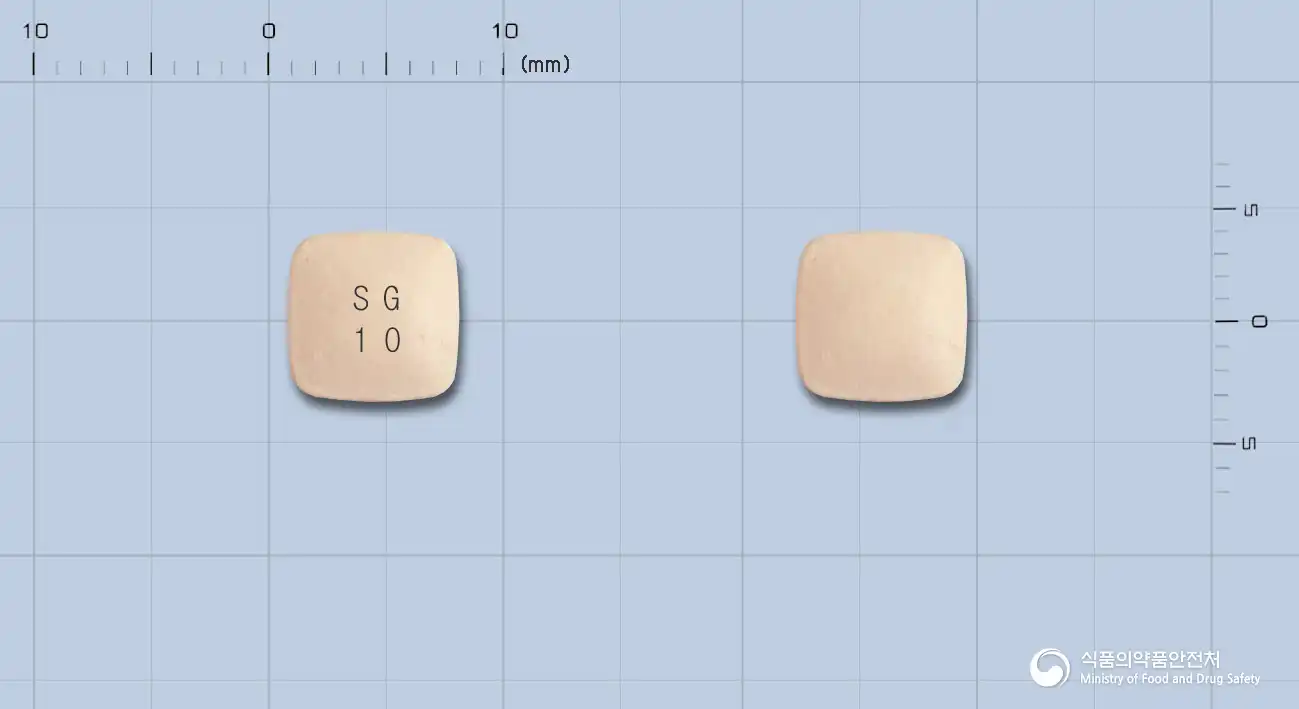
Montelukast Sodium 10.4mg
Tablet · Prescription medication
JW Pharmaceutical Co., Ltd.
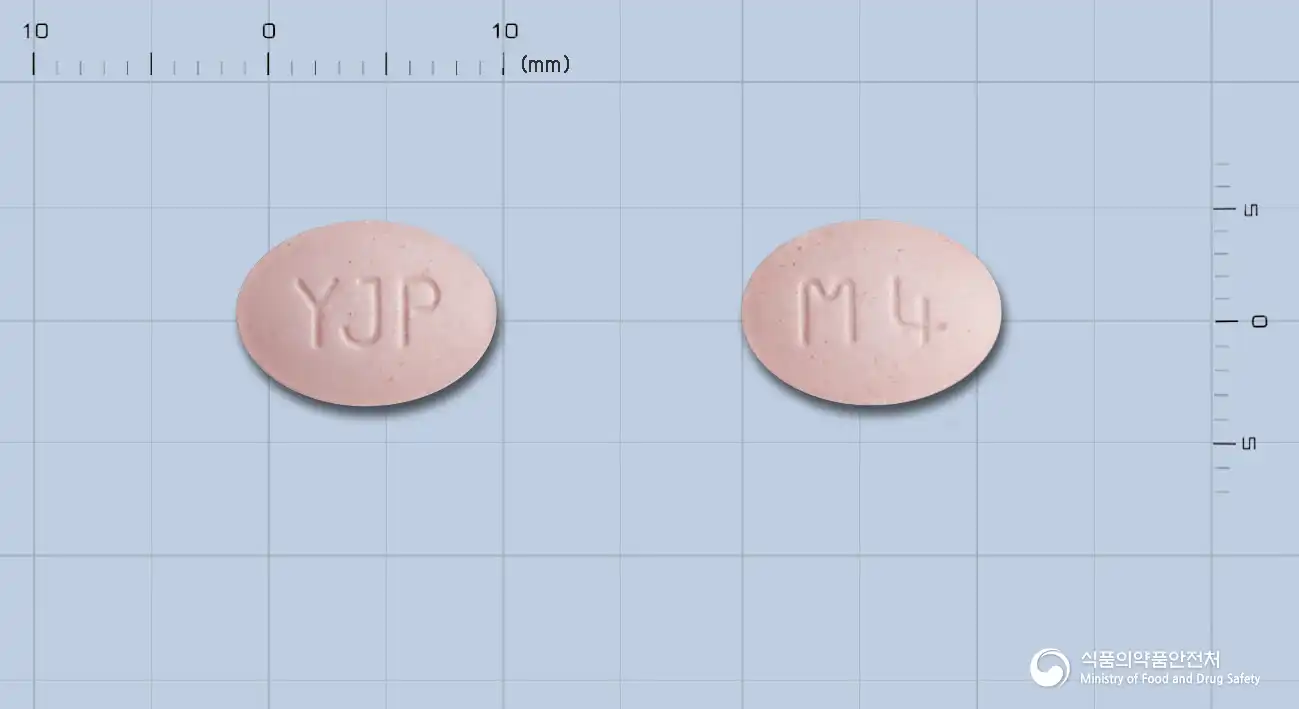
Montelukast Sodium 4.16mg
Chewable Tablet · Prescription medication
Youngjin Pharmaceutical Co., Ltd.
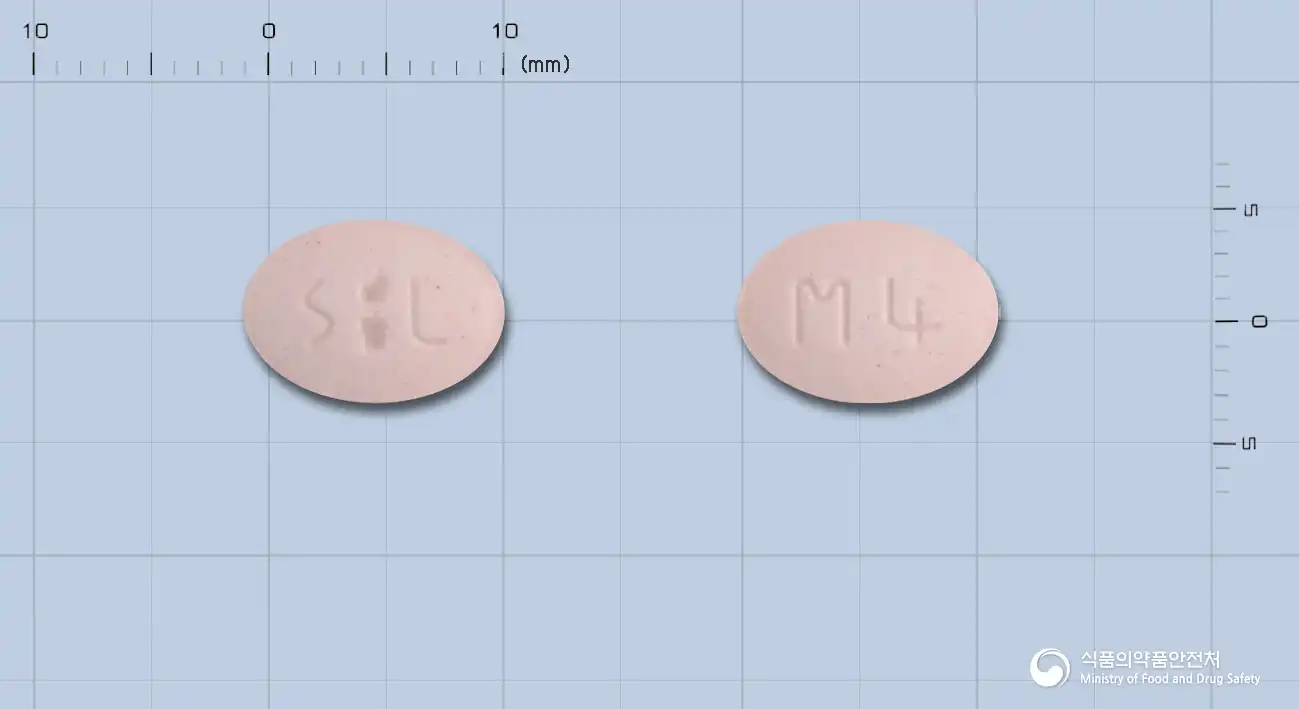
Montelukast Sodium 4.16mg
Chewable Tablet · Prescription medication
Samil Pharmaceutical Co., Ltd.
Even with the same ingredient, the dose and directions can differ by strength and dosage form. Talk to a doctor or pharmacist before switching from a medication you are already taking.
No questions yet.
For anything that needs medical judgment, consult a doctor or pharmacist.
This drug information is based on data provided by the Korea Ministry of Food and Drug Safety.
Consult a doctor or pharmacist for accurate dosage, administration, and usage instructions.