
 한국어
한국어 English
 日本語
日本語 中文(简体)
 Viewing now
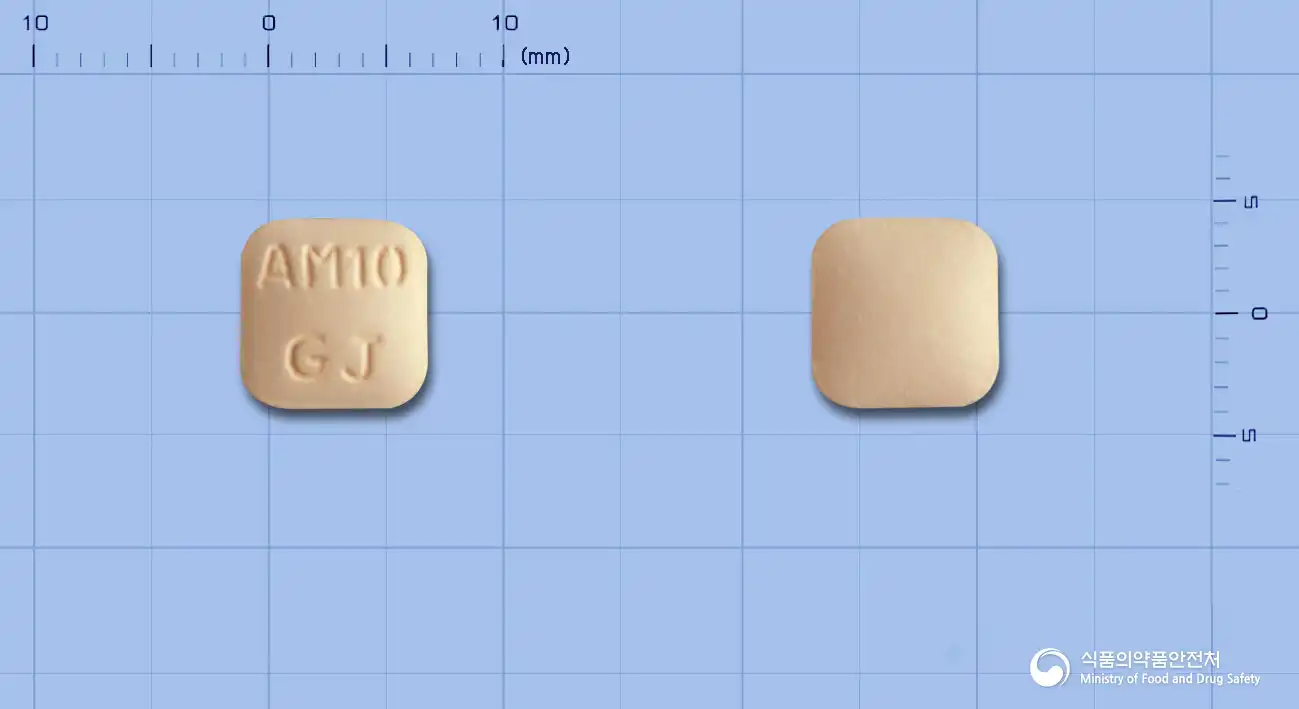
Allermont 10 mg Tablets (Montelukast Sodium)
Montelukast Sodium 10.4mg
Tablet · Prescription medication
Kujoo Pharmaceutical Co., Ltd.
MFDS item code 201405467 · Approved 2014.11.24 · Insurance code 669804520
Prevention of asthma and relief of allergy rhinitis symptoms
This medication helps to prevent and manage asthma. It is also used to relieve the symptoms of seasonal and perennial allergic rhinitis. It contributes to improving respiratory health and effectively managing allergy symptoms.
This medication is to be taken once daily; patients with asthma should take it in the evening, while those with allergic rhinitis should determine the dosing time based on their condition. Patients with both asthma and allergic rhinitis should take one tablet in the evening once a day. Adults and adolescents aged 15 years and older should take 10 mg of montelukast orally once a day.
This medicine should not be used by patients who have an allergic reaction to this medicine or its ingredients. Additionally, as it contains lactose, patients with hereditary lactose intolerance or related metabolic disorders should not take this medicine. This medicine is not intended for use during an acute asthma attack; appropriate emergency medications should be prepared and used during acute symptoms. While taking this medication, do not suddenly stop inhaled corticosteroids or replace them with this medication; taper according to your doctor's instructions. It is advisable for patients with hypersensitivity to aspirin or non-steroidal anti-inflammatory drugs not to use those medications while taking this medication. Various adverse reactions such as fatigue, headache, gastrointestinal disturbances, respiratory symptoms, skin rash, etc. may occur during treatment, so consult your doctor if any symptoms arise. Especially, very rarely, symptoms related to vasculitis or eosinophilia may occur; thus, it is important to notify healthcare professionals immediately if such symptoms are suspected. This medication should be cautiously administered to pregnant women or nursing mothers only when necessary, as sufficient research has not been conducted on its effects on the fetus during pregnancy. It can be used in children and the elderly, but should be taken according to a doctor's instructions considering safety and efficacy based on age. There is no specific antidote for overdose; therefore, general treatment should be followed according to symptoms under a doctor's guidance. Drug interactions are relatively few, but caution is needed when taken with drugs that induce hepatic metabolism, and consultation with a doctor is advised. This medicine should be stored out of the reach of children and it is recommended not to transfer it to other containers. It is important to consult healthcare professionals immediately if asthma symptoms worsen or new symptoms appear during treatment.
Urticaria, angioedema, toxic epidermal necrolysis, Stevens-Johnson syndrome, severe allergic reaction, thrombocytopenia, anaphylaxis, hepatic abnormalities (increased ALT and AST, cholestatic hepatitis, hepatocellular damage, mixed liver damage), severe neurological symptoms (seizures), respiratory issues (pulmonary eosinophilia), severe edema or urination abnormalities (edema).
Not everyone experiences these, and they can vary from person to person.
This medicine should be stored in a tightly sealed container to avoid exposure to air or moisture. Also, it is best to keep it away from direct sunlight and store it at room temperature between 1 degree and 30 degrees Celsius.
Beige film-coated tablets in a rectangular shape with rounded corners
28 tablets/box [(7 tablets/PTP x 4)]
Even with the same ingredient, strength, dosage form and how it is taken can differ.
Viewing nowMontelukast Sodium 10.4mg
Tablet · Prescription medication
Kujoo Pharmaceutical Co., Ltd.
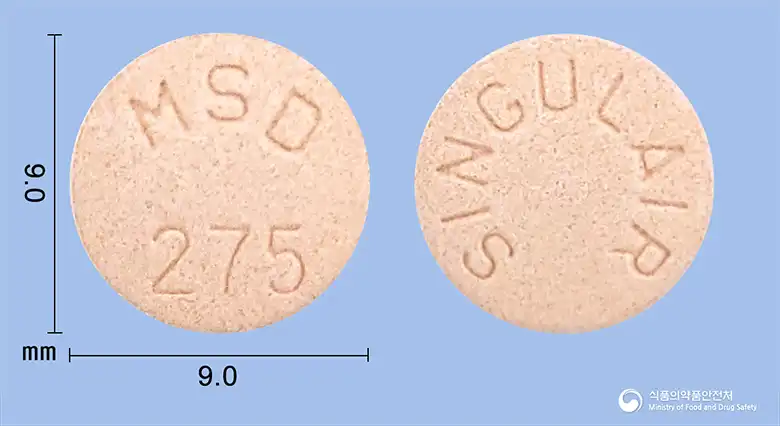
Montelukast Sodium 5.2mg
Chewable Tablet · Prescription medication
Korea Organon Co., Ltd.
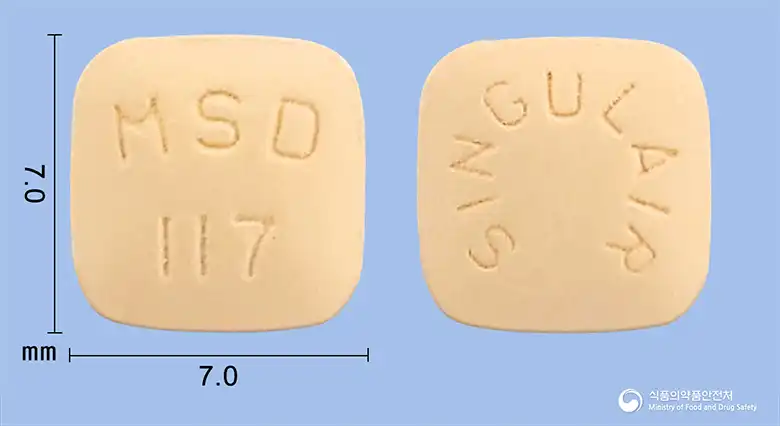
Montelukast Sodium 10.4mg
Tablet · Prescription medication
Korea Organon Co., Ltd.
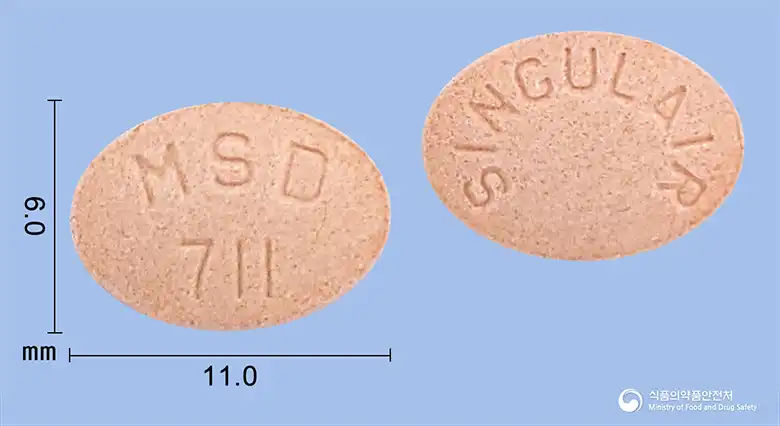
Montelukast Sodium 4.16mg
Chewable Tablet · Prescription medication
Korea Organon Co., Ltd.
Montelukast Sodium 4.16mg
Prescription medication
Korea Organon Co., Ltd.
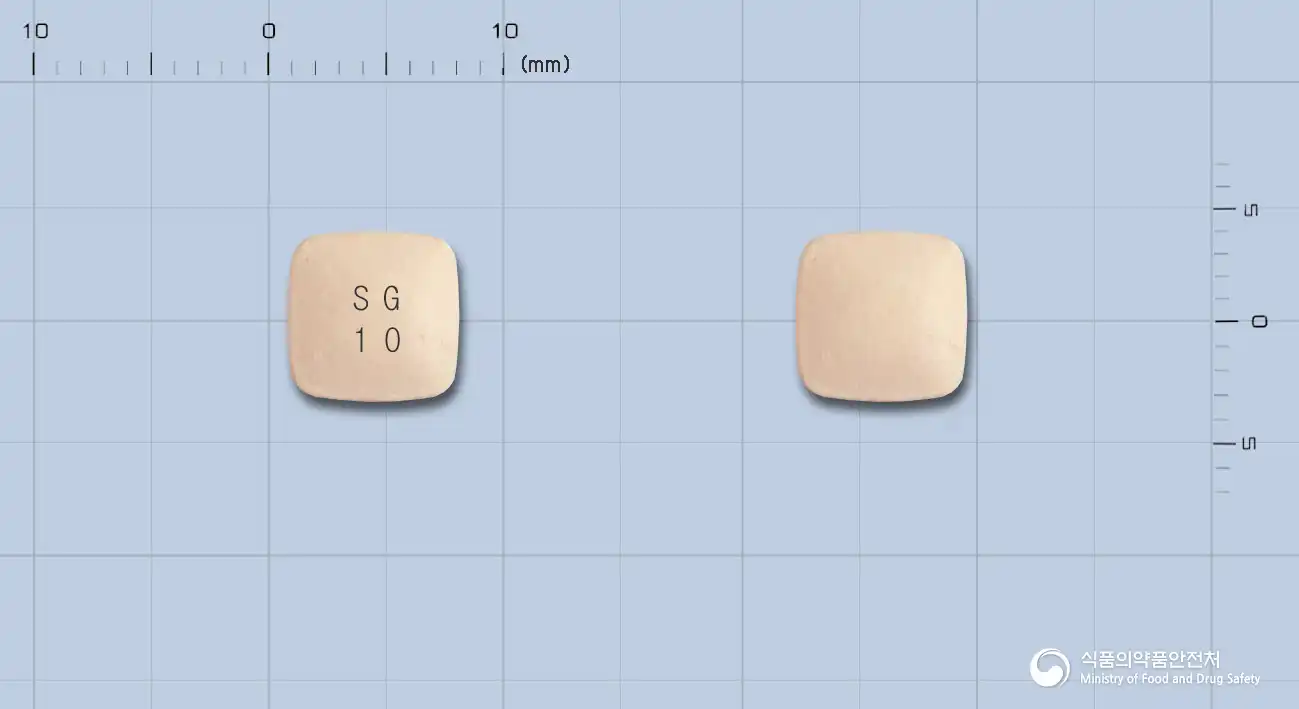
Montelukast Sodium 10.4mg
Tablet · Prescription medication
JW Pharmaceutical Co., Ltd.
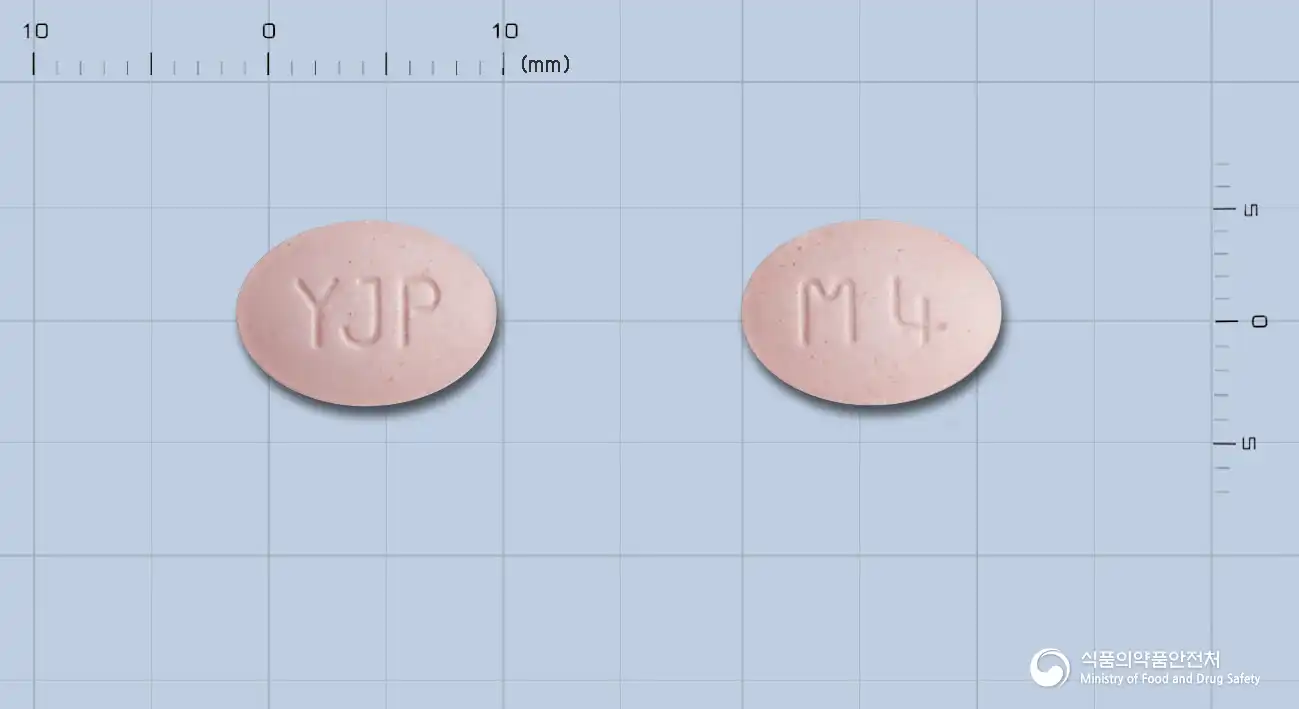
Montelukast Sodium 4.16mg
Chewable Tablet · Prescription medication
Youngjin Pharmaceutical Co., Ltd.
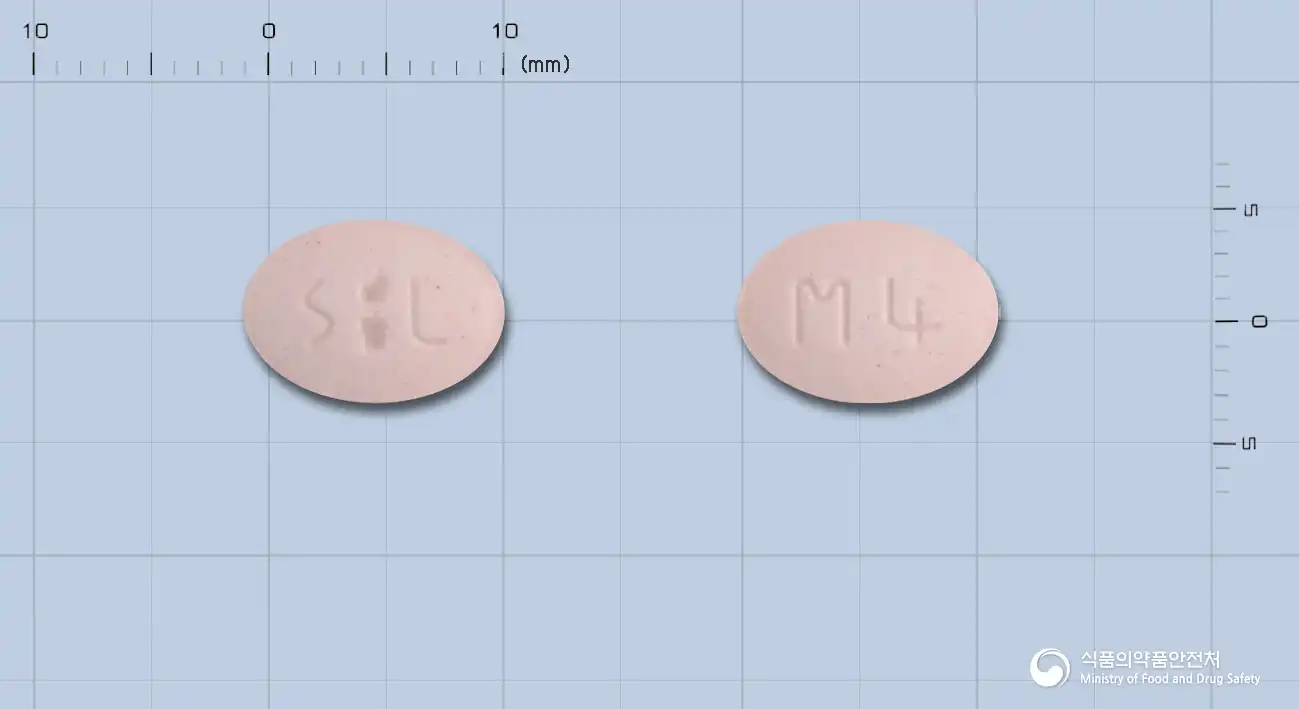
Montelukast Sodium 4.16mg
Chewable Tablet · Prescription medication
Samil Pharmaceutical Co., Ltd.
Even with the same ingredient, the dose and directions can differ by strength and dosage form. Talk to a doctor or pharmacist before switching from a medication you are already taking.
No questions yet.
For anything that needs medical judgment, consult a doctor or pharmacist.
This drug information is based on data provided by the Korea Ministry of Food and Drug Safety.
Consult a doctor or pharmacist for accurate dosage, administration, and usage instructions.